admin
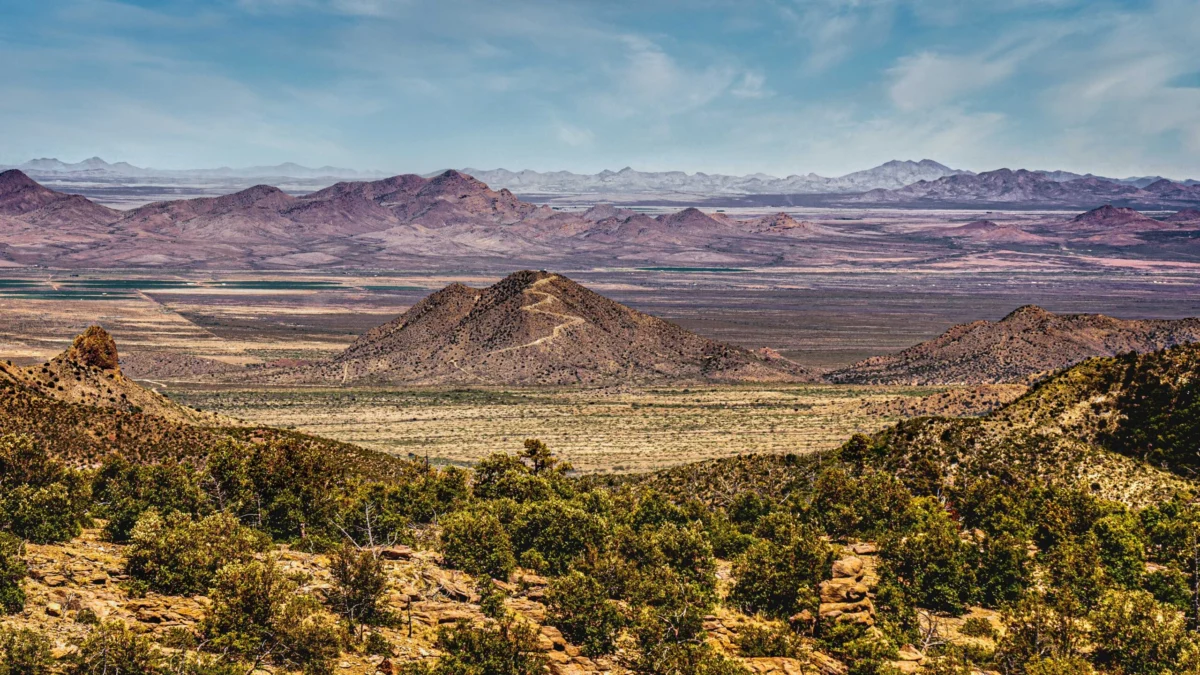
The landscape of the American West has a new crown jewel. Chiricahua National Monument, a geological wonderland nestled in southeastern Arizona, has officially been elevated to national park status. The designation, signed into law by President Trump on October 20, 2026, marks the first time in nearly six years that a U.S. national park has expanded its ranks, bringing the total number of these protected areas to 64. This historic transition from national monument to national park is a testament to Chiricahua’s unique natural beauty, ecological significance, and rich cultural heritage, promising to draw increased attention and visitation to this remarkable corner of the Sonoran Desert.
The newly christened Chiricahua National Park, situated just over an hour from the Arizona-New Mexico border, has long been celebrated for its dramatic and otherworldly rock formations. Earning the moniker "Wonderland of Rocks," the park showcases an astonishing array of towering stone spires, balanced rocks, and intricate hoodoos. These geological marvels are the enduring legacy of a cataclysmic volcanic eruption that occurred approximately 27 million years ago. The ensuing ashfall solidified into a thick layer of rhyolitic tuff, which has since been sculpted by millions of years of erosion into the breathtaking formations that define the park today.
Originally established as a national monument in 1924, Chiricahua has provided sanctuary for these unique geological features and the diverse ecosystems they support for over a century. Visitors have long been drawn to its more than 17 miles of meticulously maintained hiking trails, offering intimate encounters with the park’s sculpted landscape. The Bonita Canyon Scenic Drive further enhances accessibility, providing a picturesque route that winds through the heart of the park’s most striking geological features, allowing travelers to witness the grandeur of the "Wonderland of Rocks" from the comfort of their vehicles.
The elevation of Chiricahua National Monument to national park status is a significant development for conservation and outdoor recreation enthusiasts. The last time a U.S. landmark achieved this esteemed designation was in 2020, with the transformation of New River Gorge National Park & Preserve in West Virginia. That park, recognized for its ancient river system and the deepest, longest river gorge in the Appalachian Mountains, highlighted the ongoing commitment to preserving America’s natural and historical treasures. Chiricahua now joins an elite group of protected areas, underscoring its national importance.
Arizona, already a state rich in iconic national parks, welcomes Chiricahua as its fourth national park. It stands alongside the world-renowned Grand Canyon National Park in the north, the scientifically significant Petrified Forest National Park in the northeast, and Saguaro National Park, located less than two hours west of Chiricahua near the vibrant city of Tucson. This clustering of national parks within Arizona offers unparalleled opportunities for exploration and an immersive experience of the diverse landscapes of the American Southwest.
A Tapestry of Biodiversity and Cultural Significance
The designation as a national park underscores the profound ecological and cultural value of Chiricahua. Its strategic location within the Chiricahua Mountains creates a unique ecological phenomenon known as a "sky island." This term refers to isolated mountain ranges that rise dramatically from surrounding desert lowlands, fostering distinct ecosystems that are isolated from one another. Chiricahua’s sky island environment, situated at the convergence of the Sonoran and Chihuahuan deserts, creates a remarkable biodiversity hotspot.
The park encompasses approximately 12,000 acres, featuring a varied mosaic of habitats. Visitors can traverse through rolling grasslands, arid desert scrub, verdant riparian zones, and cooler pine woodlands. This ecological diversity supports an astonishing array of wildlife. Birdwatchers can delight in the presence of nearly 200 avian species, while mammalogists can find over 70 species of mammals, including whitetail deer and white-nosed coatis. The reptile population is equally impressive, with 46 species documented, alongside eight species of amphibians. The landscape is also home to the formidable banded rock rattlesnake, a creature perfectly adapted to its rocky domain.
Beyond its natural splendor, Chiricahua National Park is steeped in a rich cultural history that stretches back millennia. The land is the ancestral home of the Chiricahua Apache people, whose deep connection to this territory is an integral part of its heritage. The park also bears the marks of prehistoric Indigenous communities, the resilient Buffalo Soldiers who served in the U.S. Army’s segregated units, early ranchers who settled the rugged terrain, and the hardworking members of the Civilian Conservation Corps, whose efforts in the 1930s helped shape the park’s infrastructure.
Exploring the Wonderland of Rocks
Visitors to Chiricahua National Park have a wealth of experiences awaiting them. The scenic drive to iconic viewpoints like Massai Point, Echo Canyon, and Sugarloaf offers panoramic vistas of the sculpted landscape. For those seeking a more immersive experience, the 17 miles of wilderness trails provide opportunities to hike through the heart of the rock formations, discovering hidden canyons and unique geological wonders.

A particularly significant historical site within the park is the Faraway Ranch Historic District. This preserved ranch, once home to Swedish immigrants in the late 1800s, offers a tangible connection to the human history of the region and provides insight into the lives of early settlers.
Furthermore, Chiricahua National Park holds the esteemed designation of an International Dark Sky Park. This recognition highlights the exceptional quality of its night skies, offering unparalleled opportunities for stargazing. Far from urban light pollution, visitors can witness the breathtaking expanse of the Milky Way and a dazzling display of celestial bodies, a truly humbling experience.
The Impact of National Park Designation
While the physical landscape and the array of activities available at Chiricahua remain largely the same following its elevation to national park status, the designation carries significant implications. As a national monument, the area was already protected and managed by the National Park Service. Therefore, day-to-day operations, visitor access, and recreational opportunities will continue with minimal on-the-ground changes. Camping at the Bonita Canyon Campground, scenic drives, hiking, and wildlife viewing will all remain central to the visitor experience. Importantly, the park’s entry and parking fees remain free, consistent with its prior status as a national monument.
The most profound impact of the new designation is expected to be the increased national and international recognition and attention Chiricahua will garner. A 2018 report by the independent nonprofit research group Headwaters Economics, which analyzed the economic impact of White Sands National Park’s redesignation from monument to park in 2019, provides a compelling precedent. The report indicated that national parks typically experience higher visitation rates than national monuments. This surge in visitors often translates to increased visitor spending, greater demand for overnight stays, and a boost to local economies.
Consequently, visitors can anticipate a rise in tourism within and surrounding Chiricahua National Park in the near future. This increased popularity, while beneficial for local businesses, may also lead to greater crowds, potential traffic congestion, and an increased pace of development in nearby communities as they adapt to the influx of tourism. The National Park Service will likely face the challenge of managing this increased visitation while ensuring the preservation of the park’s natural and cultural resources.
Planning Your Visit to Chiricahua National Park
Chiricahua National Park, like many of its counterparts in the vast American West, is characterized by its remote and rugged beauty. Accommodation options in close proximity to the park are somewhat limited, necessitating some planning for visitors. The nearest significant town to Chiricahua National Park is Willcox, Arizona, located approximately 30 to 45 minutes away by car. For those traveling from further afield, Tucson, Arizona, serves as a primary gateway city and is about a two-hour drive from the park.
Scattered within a 100-mile radius of the park are smaller towns such as Bisbee, Douglas, Portal, and Bowie. While these communities offer unique local charm, visitors should be prepared for potentially longer drive times to reach the park entrance from these locations.
For the ultimate immersion in the park’s natural splendor, camping directly within Chiricahua National Park is an option at the Bonita Canyon Campground. This allows visitors to fully appreciate the park’s serene environment and the breathtaking spectacle of its dark night skies.
The elevation to national park status marks a new chapter for Chiricahua, promising to bring its extraordinary geological formations, rich biodiversity, and profound cultural heritage to a wider audience. As this "Wonderland of Rocks" continues to capture the imagination of visitors, it solidifies its place as one of America’s most treasured natural landscapes.