admin
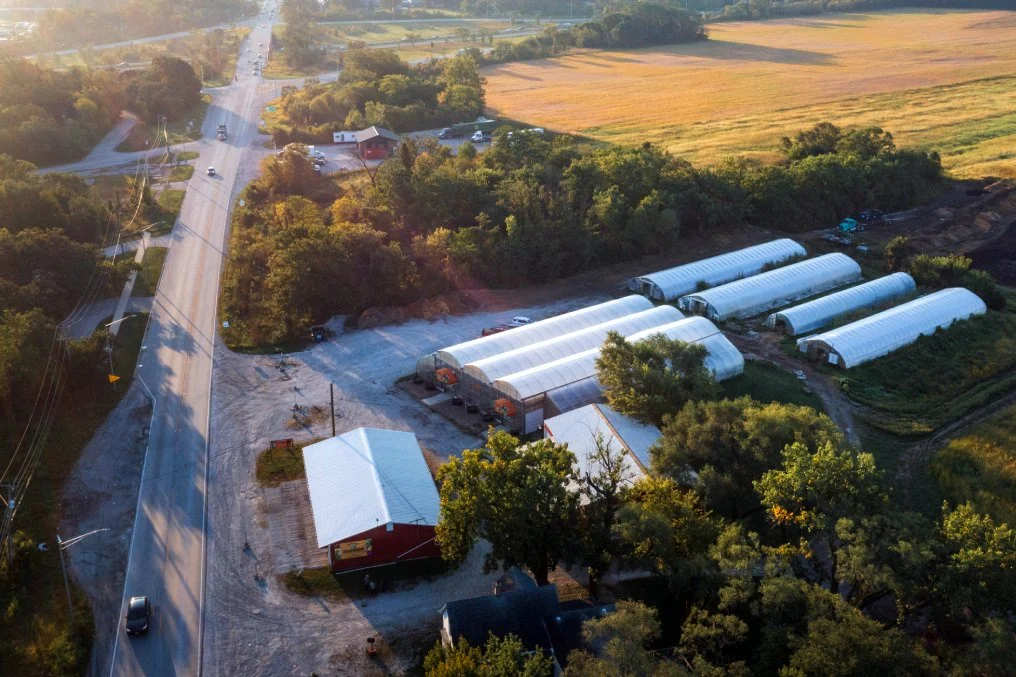
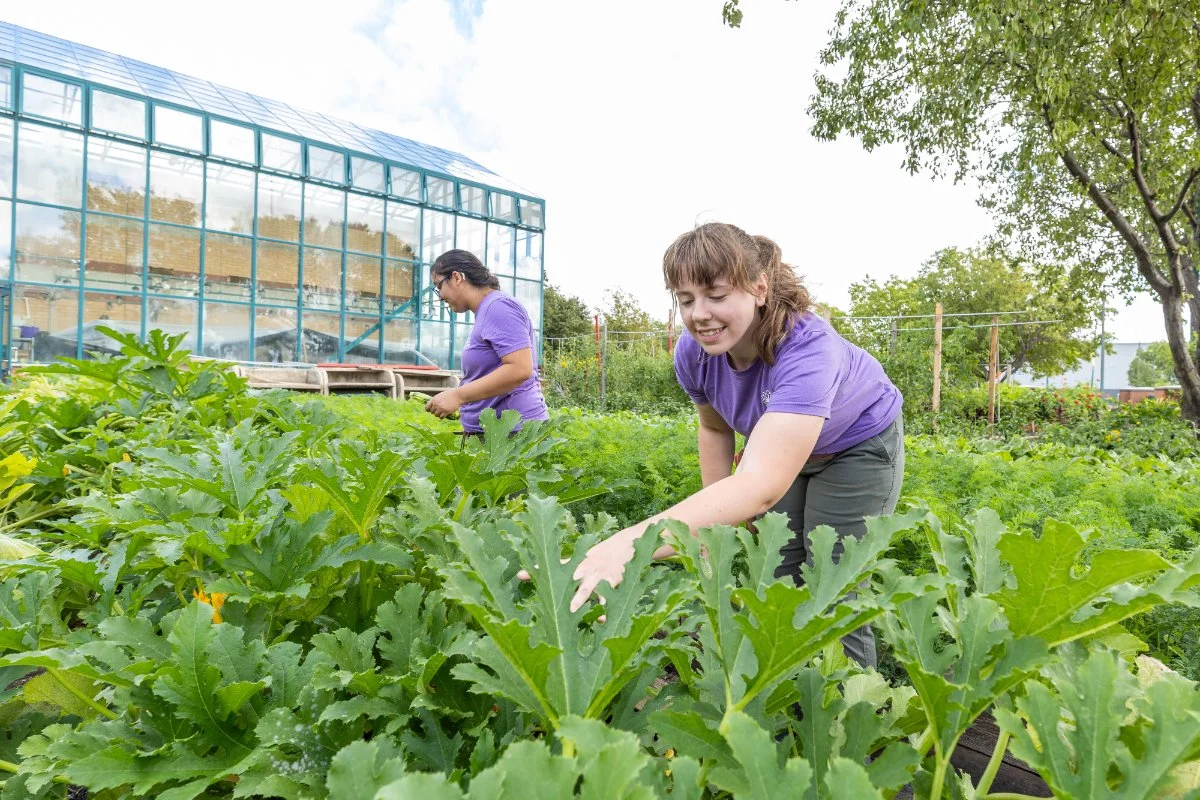
The urgent crisis facing local agriculture has found a significant beacon of hope on Chicago’s South Side. In a landmark move, The Conservation Fund has announced the permanent protection of Z-Farm, a vital 30-acre urban agricultural site, ensuring its future as a productive food source for the community. The land has been officially transferred to the Urban Growers Collective, a non-profit organization that has meticulously cultivated the farm since 2024, bringing fresh, local food back to a region historically underserved by healthy food options. This acquisition, finalized on October 13, 2026, represents a critical victory in the ongoing battle against rapid farmland loss and the escalating challenges faced by small and medium-sized farms across the United States.
The Alarming Rate of Farmland Disappearance
The threat to local farming is not merely anecdotal; it is a systemic issue with profound implications for food security and rural economies. National statistics paint a stark picture: the United States is losing an estimated 40 acres of farmland every hour. This translates to roughly 350,000 acres annually, or an area equivalent to a football field disappearing into development or other non-agricultural uses every minute. A recent report by the American Farm Bureau Federation revealed a staggering loss of over 140,000 farms between 2017 and 2022, accompanied by a decline of more than 20 million acres dedicated to farming – an area comparable in size to the entire state of Maine.
This rapid conversion of agricultural land is particularly acute in the peri-urban fringes of major metropolitan areas, where sprawling development pressures meet fertile soil. Chicago, a prime example, has witnessed a dramatic transformation of its agricultural landscape. Between 1995 and the mid-2010s, the Chicago Metropolitan Agency for Planning (CMAP) documented a shocking 58 percent reduction in the farmland that once fed the region. Projecting current trends, Illinois alone is slated to lose over 360,000 acres of farmland by 2040. Such substantive land loss not only imperils the livelihoods of farmers but also undermines the resilience of America’s food systems, exacerbating food insecurity in a nation where one in every seven households already struggles to access adequate nutrition.
A Lifeline for Aspiring Farmers: The "Buy-Support-Protect-Sell" Model
The challenges confronting the next generation of farmers are multifaceted. Older farmers are aging out of the profession, yet their successors often struggle with prohibitively high land costs, limited access to capital, and the insecurity of short-term leases. Many aspiring farmers initiate operations on small plots, only to encounter insurmountable barriers when attempting to scale due to the prohibitive expense and scarcity of suitable land. This patchwork existence on temporarily leased land often prevents long-term investments in soil health, infrastructure, or business development, effectively stymying growth and sustainability.

Against this backdrop of daunting challenges, The Conservation Fund’s "Farms Fund" program emerges as a critical intervention. Launched in Atlanta in 2022, the program has since expanded its innovative model to three additional cities, including Chicago, demonstrating a scalable and replicable solution. The core of this model, termed "buy-support-protect-sell," is designed to directly address the systemic barriers to land access for small and medium-sized farms.
The process begins with The Conservation Fund proactively identifying and acquiring at-risk, high-quality farmland that is vulnerable to non-agricultural development. Once secured, this land is then strategically matched with a compatible small or medium-sized farm business. A crucial element of the program is the provision of ongoing, tailored support, which can range from market development assistance to specialized agricultural training. This patient incubation period, typically spanning three to five years, offers farmers a stable environment to establish and grow their businesses.
The "protect" phase is paramount: the land is permanently safeguarded through an agricultural conservation easement. This legally binding agreement restricts future non-agricultural development, ensuring the property will remain farmland in perpetuity. The conservation easement also has a significant economic benefit, enabling the land to be sold to the farmer at a lower, agricultural-only value, making long-term ownership a tangible reality rather than an unattainable dream. Upon successful completion of the incubation period, the farmer purchases the protected land, securing a "forever farm."
Z-Farm: A Chronicle of Conservation and Community Resilience
The story of Z-Farm on Chicago’s South Side epitomizes the success of this model. Originating as part of a larger family farm dating back to the 1930s, the 30-acre parcel faced immense development pressure. Without intervention, it was destined to be converted into another commercial strip mall or housing complex, a fate common to many productive lands in rapidly urbanizing areas. The Conservation Fund recognized its unique value and potential, stepping in to acquire the property and prevent its permanent loss to agriculture.
In 2024, the Urban Growers Collective (UGC) began farming Z-Farm under a lease agreement facilitated by The Conservation Fund. UGC, a non-profit organization deeply rooted in Chicago, has a long-standing mission to cultivate healthy communities through food, education, and economic development. Their work encompasses providing fresh produce, offering agricultural job training, and fostering community engagement in neighborhoods across the city. The two-year period leading up to the permanent transfer allowed UGC to invest in the land, develop its operations, and solidify its business plan with the security of knowing long-term ownership was within reach.
Erika Allen, Co-Founder and CEO of Urban Growers Collective, articulated the profound impact of this permanent protection. "Owning Z-Farm outright changes everything for us," she stated in a recent press briefing. "It allows us to plan for generations, to invest in infrastructure like permanent greenhouses and irrigation systems, and to truly build a legacy of food justice and economic opportunity for our community. This isn’t just about growing food; it’s about growing hope and self-determination." The Z-Farm now stands as a testament to what is possible when conservation efforts are strategically aligned with community needs and agricultural entrepreneurship.

Beyond Z-Farm: A Growing National Impact
The success of Z-Farm is not an isolated incident but a clear indicator of the Farms Fund program’s broader potential. Kelly Larsen, who leads The Conservation Fund’s Farms Fund program in the Chicago metro region, emphasized the replicability of their approach. "When we put all these stressors together, it’s easy to feel as though local farming is doomed. However, there is reason to hope—and that hope can be found in conservation," Larsen stated. "We succeeded because we paired land conservation with farm business support. We connected the right property with the right farm business, offered resources as they found their footing, and ensured that land became a forever farm."
Since its inception, the Farms Fund program has matched two dozen farms to land and collectively protected over 1,800 acres across its operational regions. The tangible results are compelling:
- In Northwest Arkansas, a farmer who was on the brink of abandoning vegetable production now has a clear pathway to ownership of a 100-acre farm, securing their future and local food supply.
- In Georgia, a 48-acre farm was permanently protected, significantly boosting the capacity to feed a rapidly expanding metro area.
- Near Charlotte, North Carolina, a mid-sized farm gained access to permanently protected land, allowing it to expand vegetable production for the surrounding region.
These successes, many occurring within 2026 alone, underscore the program’s accelerating impact. The farms supported by the program collectively reported growing an estimated 1.5 million pounds of food in 2025. Utilizing Feeding America’s widely accepted ratio of 1.2 pounds of food per meal, this equates to providing 1.25 million meals, a substantial contribution to combating food insecurity. The potential for this number to multiply exponentially over the next decade, as the program continues to scale and more farms achieve stability and growth, is immense.
Addressing Broader Implications: Economic, Social, and Environmental
The conservation of farmland, particularly in urban and peri-urban settings, yields a multifaceted array of benefits that extend far beyond simply keeping land out of development.
Economic Implications: By providing affordable, secure land tenure, these programs foster long-term business planning and investment for small and medium-sized farms. This stability allows farmers to diversify crops, invest in sustainable practices, expand market reach, and create local jobs, thereby injecting vitality into local economies. It also supports a decentralized food system, reducing reliance on lengthy supply chains and enhancing economic resilience against disruptions.

Social Implications: Urban farms like Z-Farm play a critical role in addressing food deserts—areas with limited access to affordable and nutritious food. They provide fresh produce directly to communities, often at accessible price points, improving public health outcomes. Beyond nutrition, these farms serve as community hubs, offering educational programs, vocational training in agriculture, and green spaces that enhance neighborhood quality of life. They can also address historical inequities in land access and ownership, empowering marginalized communities to build wealth and self-sufficiency.
Environmental Implications: Farmland conservation offers significant ecological advantages. Protecting agricultural soils helps mitigate climate change by sequestering carbon. Urban farms contribute to biodiversity by creating habitats for pollinators and other beneficial insects. They can also play a role in managing stormwater runoff, reducing the urban heat island effect, and providing vital green infrastructure within dense urban landscapes. By promoting sustainable farming practices, these initiatives reduce reliance on chemical inputs and support healthier ecosystems.
Policy Considerations and the Path Forward
The article notes recent cuts to federal programs that offer critical support for farmers, exacerbating existing problems. These cuts often impact areas such as conservation incentives, beginning farmer loans, and agricultural research, hindering the very efforts needed to stabilize local food systems. The success of programs like The Conservation Fund’s Farms Fund highlights the urgent need for consistent and robust public-private partnerships and policy frameworks that prioritize farmland protection and farmer support. Local and federal governments must recognize that investing in these programs is an investment in public health, economic development, and environmental sustainability.
In growing cities like Chicago, the narrative often frames economic development and conservation as opposing forces. However, this perspective overlooks their inherent synergy. When national parks are expanded, local tourist economies thrive. When wetlands are protected, homes and businesses are shielded from the devastating impacts of flooding. Similarly, when farmland is conserved, it safeguards economic opportunities for farmers, strengthens local food systems, and helps communities flourish.
The permanent protection of Z-Farm is more than a single land transaction; it is a powerful demonstration of a viable strategy to secure the future of local farming. It is a testament to the idea that land conservation, when applied strategically, is not solely about preserving wilderness but about meeting the fundamental needs of people—ensuring access to healthy food, fostering economic opportunity, and building resilient, thriving communities for generations to come. As the farming crisis deepens, investing in innovative, scalable solutions that support farmers, address food insecurity, and champion land conservation becomes not just beneficial, but absolutely essential.