
 admin
admin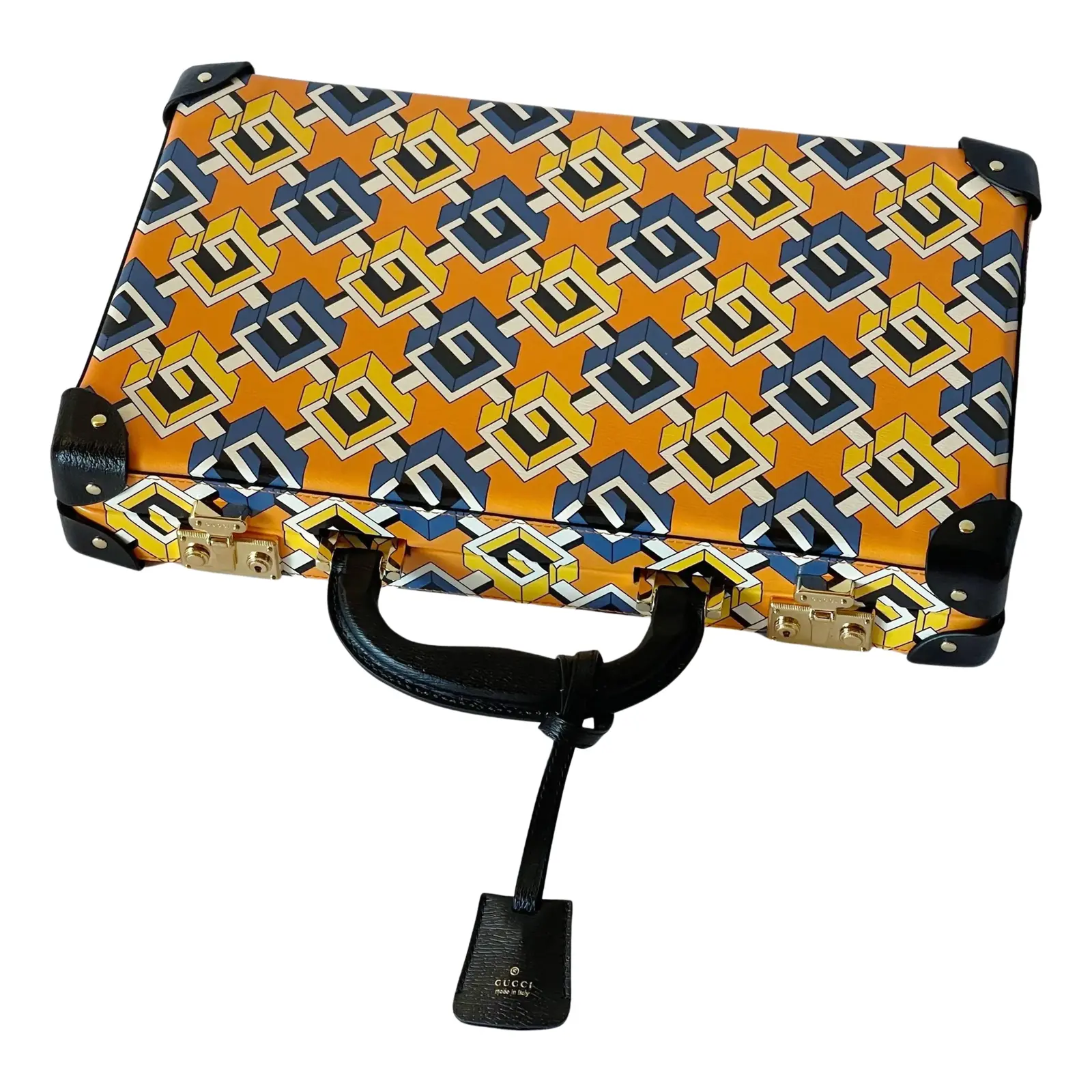
The contemporary home is increasingly a reflection of personal style and curated aesthetics, a trend that now extends to leisure activities, particularly board games and card decks. As consumers worldwide seek respite from pervasive digital screens, there has been a notable resurgence in analog entertainment, driving a demand for games that are not only engaging but also seamlessly integrate into modern interior design schemes. This shift marks a significant departure from traditionally child-centric or overtly utilitarian game designs, ushering in an era where playthings are elevated to art pieces.
The Digital Detox Imperative and the Search for Tactile Leisure
In an increasingly digitized world, the concept of a "digital detox" has moved from a niche practice to a mainstream aspiration. Reports from various sociological and market research firms indicate a growing interest in tactile, screen-free leisure activities that foster connection and cognitive engagement. This societal pivot away from constant digital stimulation has created a fertile ground for the board game industry, which has seen consistent growth over the past decade. However, this growth is not merely in volume but also in sophistication. The modern consumer, particularly those with an eye for home aesthetics, finds many traditional board games—characterized by vibrant, often cartoonish graphics, loud colors, and bubbly fonts—to be incongruous with their carefully designed living spaces. Similarly, adult-oriented games often lean towards raunchy humor or stark, museum-gift-shop-esque minimalism, leaving a significant gap in the market for products that balance mature gameplay with refined visual appeal.
This prevailing dilemma has spurred a focused search for games that can be proudly displayed on a coffee table or shelf, rather than being relegated to a dusty drawer or closet. The quest highlights a broader consumer trend: the desire for functional items to double as decorative elements, enhancing the overall ambiance of a home.
Innovating New Play Experiences: Weast Coast Games and "Snakes of Wrath"
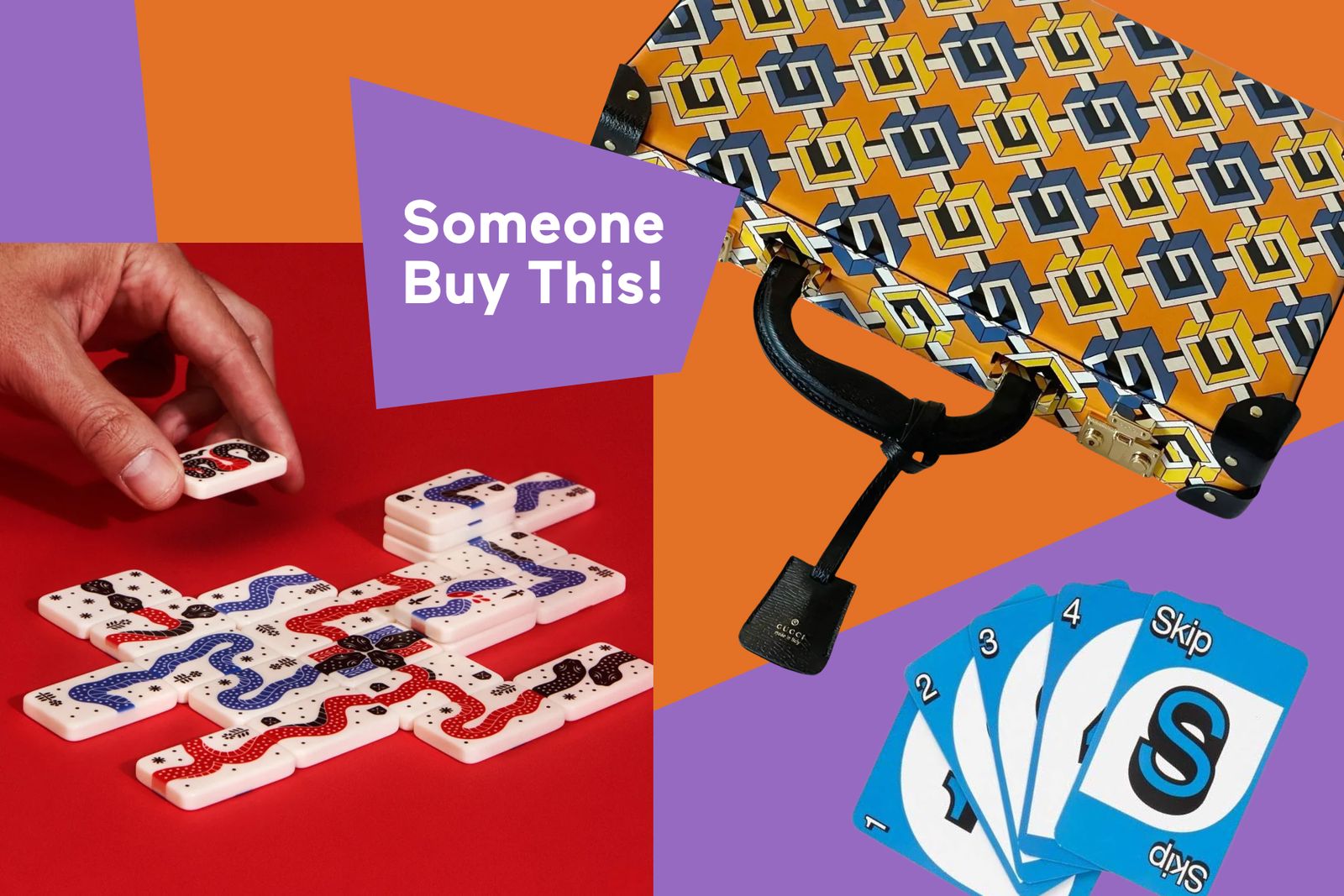
At the forefront of this design-conscious gaming movement are companies like Weast Coast Games, which are deliberately crafting experiences that appeal to both strategic minds and discerning eyes. Their standout offering, "Snakes of Wrath," a two-player abstract tile-laying game, perfectly encapsulates this dual appeal. The objective is elegantly simple: players strategically use domino-sized pieces to grow their snake, aiming to outmaneuver and "stab" their opponent. This straightforward ruleset belies a wealth of tactical depth, leading to intensely competitive sessions that can elicit passionate reactions from players.
The packaging and game components of "Snakes of Wrath" were intentionally designed to capture attention and blend with sophisticated decor. The snake illustrations, rendered in a distinctive tattoo-like style, evoke a sense of edgy artistry, immediately setting the game apart from its more conventional counterparts. The compact, thoughtfully designed box ensures that it can be displayed alongside books and other decorative objects without clashing. Weast Coast Games has successfully achieved a delicate balance, making the game feel both retro in its artistic sensibility and modern in its execution. This ability to transcend temporal design trends is a hallmark of truly unique products. Beyond "Snakes of Wrath," the company’s other offerings, primarily card games, maintain this commitment to unique aesthetics and engaging gameplay, solidifying their position as innovators in the design-forward gaming space.
Reimagining Classic Games for the Modern Aesthetic
The trend of elevating game design also extends to beloved classics, with manufacturers reissuing popular titles with updated aesthetics to appeal to an adult demographic. This "spruced-up classics" category offers a blend of comforting familiarity and refreshed visual appeal, allowing cherished games to find a permanent, visible place in contemporary homes.
One prime example is the "Uno Card Game – Retro Edition." While the fundamental gameplay of matching colors and numbers remains unchanged, this version stands out due to its "throwback" style packaging and cards. The design harkens back to earlier iterations of the game, employing a more muted color palette and classic typography that exudes a sophisticated, nostalgic charm. For households where multiple versions of Uno might exist—some deemed "too loud" to display, such as the double-sided "Evil Uno"—the retro edition offers a visually harmonious alternative that seamlessly integrates into a curated living space. This strategic re-packaging demonstrates how leveraging nostalgia through thoughtful design can transform a mass-market product into a desirable decor item for design-conscious consumers.
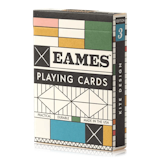
Similarly, the collaboration between Eames Office and Art of Play on the "Kite Playing Cards" represents a sophisticated reinterpretation of a standard deck. This special edition deck pays homage to the timeless design principles of Charles and Ray Eames, renowned for their profound impact on modern architecture and furniture. The cards feature a subtle yet distinct twist on traditional playing card designs, reflecting the minimalist elegance and geometric precision characteristic of the Eames legacy. While maintaining the functionality of a standard deck, its aesthetic value is significantly enhanced, transforming a utilitarian item into a collectible piece. This product caters to consumers who appreciate design heritage and seek to infuse every aspect of their environment with thoughtful artistry, even in something as commonplace as a deck of cards. The Eames deck underscores the potential for everyday objects to become statements of design appreciation.
The Emergence of Luxury Gaming: Games as Investment and Status Symbols
Beyond the accessible market, the trend of design-forward games has also permeated the luxury segment, where games are positioned not just as entertainment but as high-value collectibles and status symbols. Iconic fashion houses, recognizing the convergence of lifestyle and luxury, have ventured into creating exquisite game sets that embody their brand’s aesthetic and exclusivity.
Gucci, in particular, has made notable contributions to this category, leveraging its rich archives to produce stunning game sets that are both functional and artistic. Examples include vintage Gucci backgammon and poker sets, which are far from casual purchases, often commanding prices in the thousands of dollars on secondary markets. The Gucci Geometric G Briefcase Backgammon Game Set, for instance, features intricate designs that draw from the brand’s 1950s and 1960s archives, showcasing the iconic "G" motif integrated into a luxurious playing surface. These sets are crafted with meticulous attention to detail, using premium materials that reflect the brand’s commitment to quality and heritage.
Such luxury games are typically acquired by affluent collectors and design enthusiasts who view them as extensions of their personal style and curated interiors. They serve not only as functional games but also as conversation pieces and tangible investments, much like art or high-end furniture. This segment highlights how board games, traditionally associated with casual leisure, can be transformed into expressions of wealth, taste, and a passion for exceptional design, moving them squarely into the realm of luxury lifestyle goods.
The Allure of Vintage: A Journey Back to Mid-Century Design
The pursuit of aesthetically pleasing games also leads many consumers backward in time, to the vintage market of the 1950s and 1960s. This era is celebrated for its distinctive mid-century modern design, which often featured clean lines, bold typography, and sophisticated color palettes—elements that resonate strongly with today’s interior design trends.
For those looking to replace contemporary versions of childhood favorites, vintage counterparts offer an appealing alternative. Games like "Trouble," "Clue," and especially "Sorry!" from the mid-20th century showcase a design sensibility that is markedly different from their modern iterations. The 1950s "Sorry!" board game, for example, is a testament to this appeal. Its packaging and board feature sleek modernist graphics, often utilizing a vibrant yet balanced primary color scheme, and a textured navy box that adds a tactile dimension. The typography on these vintage games is a particular highlight, often featuring elegant sans-serif fonts or playful yet refined scripts that embody the design ethos of their time.
The appeal of vintage games is multifaceted. For some, it is a journey into nostalgia, reconnecting with the simpler aesthetics of their formative years or those of previous generations. For others, it is an appreciation for the enduring quality of mid-century design and a desire to incorporate authentic period pieces into their homes. The market for these items is robust, with collectors and decorators actively seeking out well-preserved examples.
An interesting phenomenon observed in this segment is the shifting definition of "vintage." What was once considered a contemporary item can, within a few decades, be reclassified as vintage, leading to unexpected emotional responses. The sight of a Monopoly board from the late 1990s now being labeled "vintage" serves as a poignant reminder of the relentless march of time and the rapid evolution of design trends and consumer perceptions. It underscores how quickly cultural artifacts transition from current to classic, reflecting generational shifts in what constitutes "the past."
Broader Implications and Future Outlook for the Design-Forward Gaming Market
The burgeoning market for aesthetically pleasing board games and card decks is more than just a fleeting trend; it represents a significant evolution in consumer preferences and industry response. It signifies a collective desire for products that offer both functional utility and visual delight, aligning with broader movements towards mindful consumption and curated living.
This market segment is expected to continue its growth trajectory, driven by several factors:
- Continued Digital Fatigue: As screen time remains a dominant aspect of daily life, the demand for engaging analog alternatives will likely intensify.
- Emphasis on Home as Sanctuary: With more time spent at home, consumers are investing in items that enhance their living spaces, making games a natural extension of home decor.
- The Rise of "Experience Economy": People are increasingly prioritizing experiences and tangible interactions over purely transactional purchases, and board games offer a rich social and cognitive experience.
- Design as a Differentiator: Manufacturers are recognizing that exceptional design can be a powerful competitive advantage, attracting a demographic willing to pay a premium for well-crafted products.
The convergence of analog entertainment, sophisticated design, and personal expression in home decor is a compelling testament to the enduring human need for play and connection. As discerning shoppers and market analysts continue to observe, the future of gaming is not just about complex mechanics or digital immersion, but also about how beautifully and thoughtfully these objects enrich our lives and our homes.