 admin
admin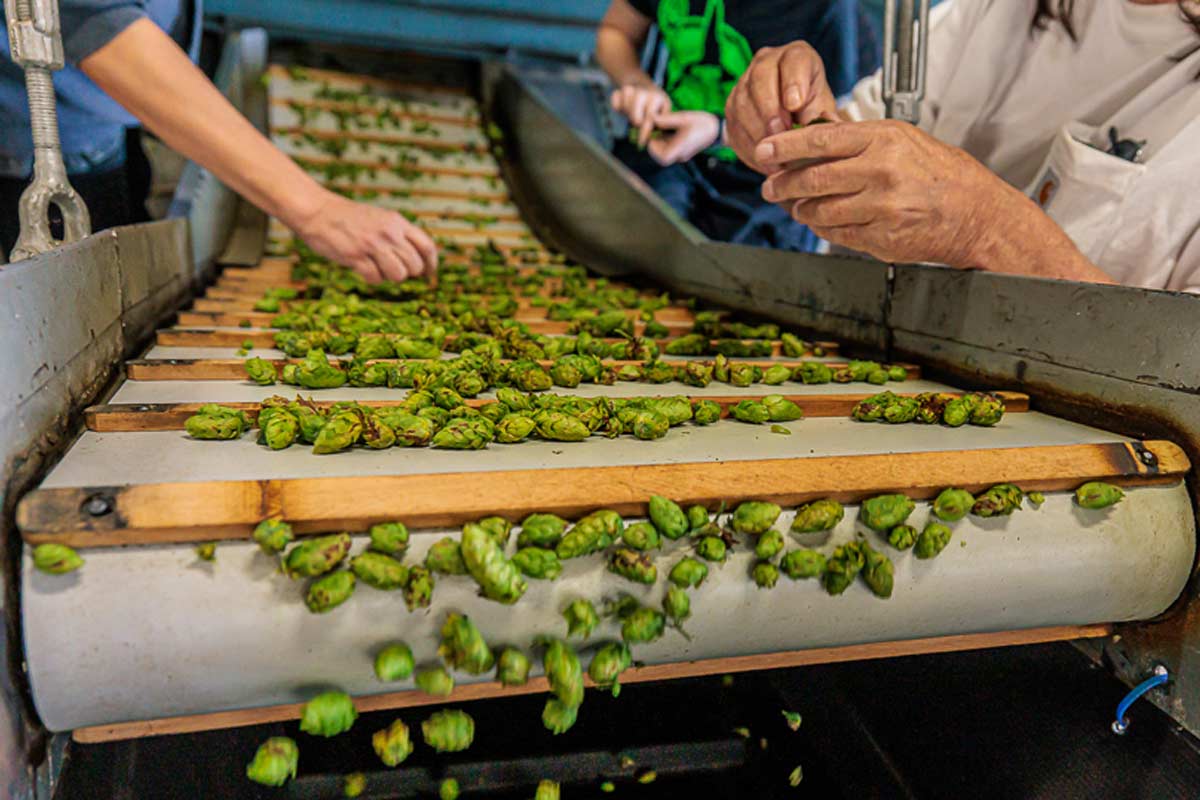
Michigan has solidified its position as the premier hop-growing state in the Great Lakes region, currently ranking fourth in the United States for total hop acreage. This agricultural ascent is not merely a product of favorable geography but is driven by a sophisticated network of researchers, propagators, and farm managers. While the public face of the industry has historically leaned toward male ownership, a significant contingent of women is responsible for the technical precision, land stewardship, and scientific advancement that define the modern Michigan hop. From the rigorous implementation of clean-plant protocols to the engineering of high-efficiency harvest systems, these professionals are navigating a complex landscape of market volatility and shifting climatic patterns to ensure the state’s craft beer infrastructure remains resilient.
The Geologic and Geographic Advantage of the 45th Parallel
The success of Michigan’s hop industry is rooted in a specific set of environmental conditions that few other regions can replicate. Hops (Humulus lupulus) are photoperiod-sensitive perennials that require long, sun-drenched days during the growing season followed by a period of winter vernalization, or dormancy, triggered by sustained cold temperatures. Michigan’s location along the 45th parallel provides the precise day-length requirements necessary for high-yield flowering.
Beyond the atmosphere, Michigan’s soil composition offers a distinct advantage. The state’s history of glacial movement left behind well-drained, sandy loam soils that prevent "wet feet," a condition where excess moisture leads to root rot in hop plants. This drainage is critical for the plants’ unique growth structure. Unlike vines, which use tendrils to climb, hops grow as "bines." These bines utilize stiff, hook-like hairs along their stems to spiral clockwise around support structures, often reaching heights of 18 to 25 feet within a single season. Managing this rapid biomass requires an intimate understanding of both soil health and physical plant mechanics—a specialty that Michigan’s women growers have mastered through decades of trial and error.
A Chronology of Resurgence: From Pre-Prohibition to 2008
The history of Michigan hops is one of disappearance and dramatic return. In the late 19th century, Michigan was a notable producer, but the industry was decimated by the onset of downy mildew and the legislative blow of Prohibition. For nearly a century, the Pacific Northwest (specifically Washington’s Yakima Valley) held a near-monopoly on domestic production.
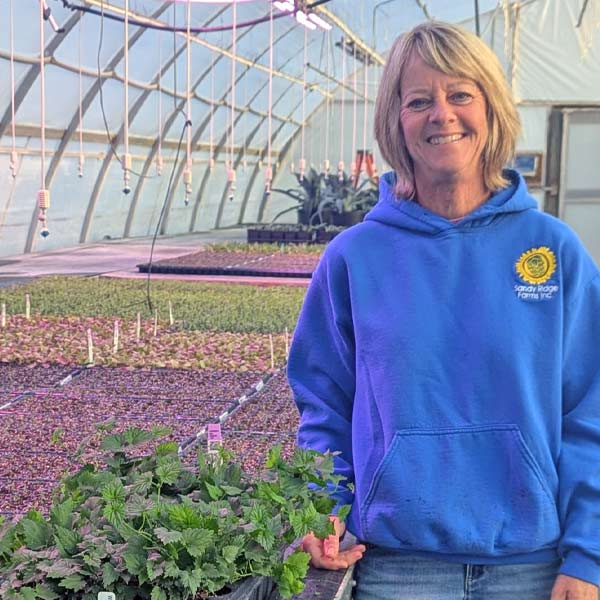
The modern era began to take shape around 2008. As the American craft beer movement transitioned from a niche hobby to a multibillion-dollar industry, brewers began seeking local ingredients to differentiate their products. This demand coincided with the efforts of pioneers like Julie Kane of Sandy Ridge Farms in Zeeland, Michigan. With over 20 years of experience in the greenhouse industry, Kane recognized the shift early. Sandy Ridge became the first commercial propagator of hops in the state, providing the starter stock that would eventually populate hundreds of acres across the Lower Peninsula.
By 2017, the industry had matured enough to establish formal competitions like the Chinook Cup, designed to highlight the unique "terroir" of Michigan-grown hops. This timeline reflects a rapid professionalization of the industry, moving from experimental backyard plots to highly automated, large-scale agricultural operations.
Scientific Stewardship: The Role of MSU Extension
Central to the sustainability of Michigan hops is the collaboration between private farms and Michigan State University (MSU). Erin Lizotte, MSU’s integrated pest management coordinator and senior statewide educator, has become a foundational figure for growers navigating the biological threats inherent in the Great Lakes climate. Unlike the arid conditions of the Pacific Northwest, Michigan’s humidity presents a constant risk of fungal pathogens.
Lizotte’s work involves diagnosing emerging diseases, navigating federal chemical approvals, and providing research-backed data to help farmers make high-stakes decisions. Her role is particularly vital as climate change introduces more extreme weather variability. Growers increasingly rely on the MSU Plant and Pest Diagnostics lab to identify specific strains of mildew or mite infestations before they can devastate a season’s yield. This scientific oversight has allowed Michigan growers to maintain high quality-control standards that rival established global producers.
Propagation and the Clean Plant Protocol
As the industry grew, the risk of systemic viral infections increased. Julie Kane’s work at Sandy Ridge Farms emphasizes the "Clean Plant" protocol, a rigorous standard designed to prevent the spread of hop latent viroid and other pathogens. This process begins with virus-free mother plants sourced from the National Clean Plant Network.
Maintaining these standards requires an environment of extreme sanitation. Kane’s operation involves the constant sterilization of tools, scheduled preventative fungicide applications, and annual testing. The importance of this work was underscored during recent summers, where prolonged heatwaves saw greenhouse temperatures exceed 100 degrees Fahrenheit. The resilience of the state’s hop supply depends on these propagators’ ability to keep young plants alive under stress, utilizing advanced shade cloth systems and precision irrigation.
Operational Engineering and Quality Control
The transition from the greenhouse to the field requires a different set of skills: industrial organization and mechanical expertise. Mel Trowbridge of Top Hops Farm in Goodrich exemplifies this transition. With a 40-year background as an automotive engineer, Trowbridge has applied "lean manufacturing" principles to the harvest process.
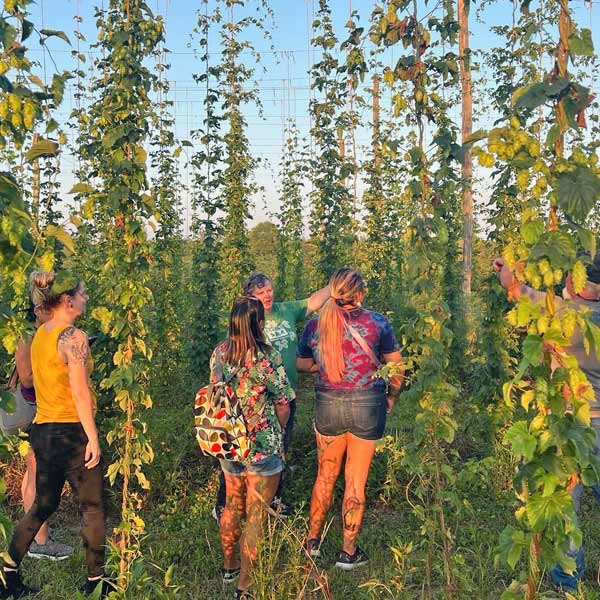
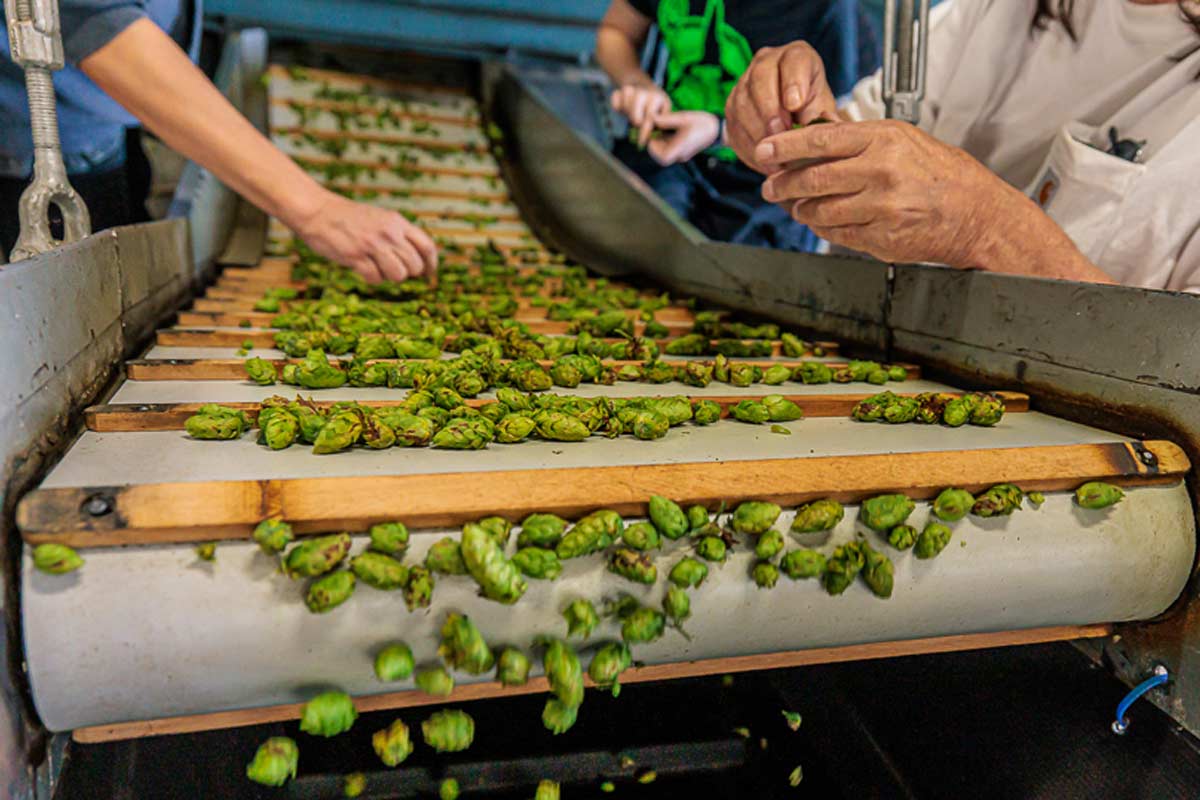
Hop harvesting is a labor-intensive endeavor that involves "wrestling a jungle" of 20-foot bines. Trowbridge has implemented structured training, task rotation, and daily team debriefs to optimize efficiency. Her approach treats the farm as a process-driven facility where quality control is monitored at every stage, from the tension of the twine to the moisture content of the dried cones. This level of operational discipline is what allows small, independent Michigan farms to compete with larger corporate entities by ensuring a consistent, high-quality product for brewers.
Sustainable Stewardship and Sensory Leadership at Bell’s Brewery
At Bell’s Brewery in Comstock, the focus shifts to land stewardship and sensory analysis. Bonnie Steinman, a horticulturist and pest management professional, oversees the brewery’s two-and-a-half-acre hop yard alongside colleague Elizabeth Mullins. Their work represents the bridge between agriculture and the final pint.
Steinman’s methodology emphasizes the sensory evolution of the hop. Under the mentorship of industry veterans like John Mallett, she developed a practice of daily sensory evaluation—rubbing and smelling the cones to detect the transition from grassy notes to the resinous, fruity oils that brewers prize. This expertise has led to the creation of "The Hideaway," a lush gathering space within the hop bines that serves as both a community hub and an educational tool. Steinman and Mullins also manage broader ecological initiatives, including butterfly waystations and employee gardens, positioning the hop yard as a component of a larger, sustainable ecosystem.
The Michigan Chinook: Defining a Regional Terroir
One of the most significant achievements of the Michigan hop industry is the rebranding of the Chinook hop. Historically known in the Pacific Northwest for its piney, resinous qualities, Chinook grown in Michigan soil exhibits a vastly different profile, characterized by notes of pineapple and bright citrus.
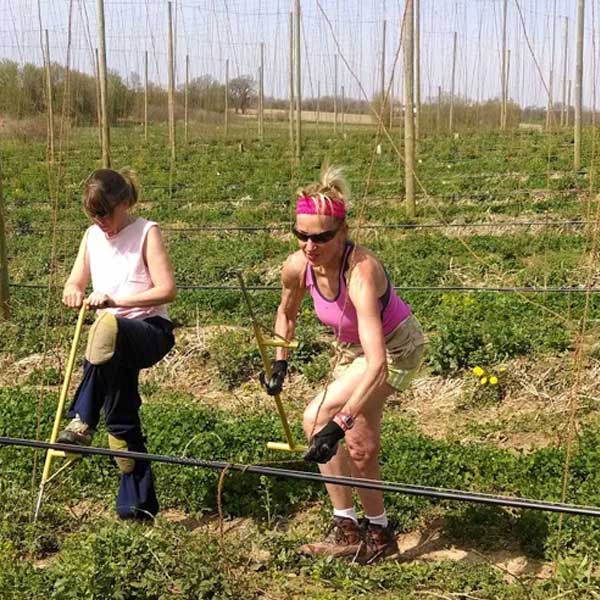
Rose Stahl, co-owner of Mr. Wizard’s Hops and a key organizer of the Chinook Cup, has been instrumental in promoting this regional distinction. Stahl’s entry into the industry was born of necessity after a 2014 flood destroyed her family’s corn crop. Since then, she has become a leader in the Hop Growers of Michigan, helping to establish the Chinook Cup as a benchmark for quality. This focus on a signature variety is a strategic move to carve out a unique market identity, ensuring that "Michigan Hops" is recognized as a specific brand of excellence rather than a mere substitute for Western varieties.
Addressing the Visibility Gap and Economic Implications
Despite these contributions, women in the hop industry often face a lack of visibility. Amy Tennis of the Michigan Hop Alliance notes that while men are frequently the public face of family farms, women are often managing the critical "back-office" operations—grant writing, financial auditing, labor management, and irrigation logistics.
The industry currently faces significant headwinds, including market contraction as the craft beer sector stabilizes and global supply chains fluctuate. However, the diversification of roles and the high level of technical expertise provided by women in the field offer a path forward. The focus is shifting toward "quality over quantity," with researchers like Nicole Shriner at MSU emphasizing the need for Michigan to define its own agricultural identity.
The future of Michigan’s hop industry lies in this intersection of science, engineering, and sensory art. As climate change continues to alter traditional growing zones, the meticulous protocols established by Michigan’s women growers will be essential for the state’s continued dominance in the Great Lakes agricultural sector. Their work ensures that when a brewer chooses Michigan hops, they are not just buying an ingredient, but a product of rigorous scientific standards and a century of revived agricultural heritage.