 admin
admin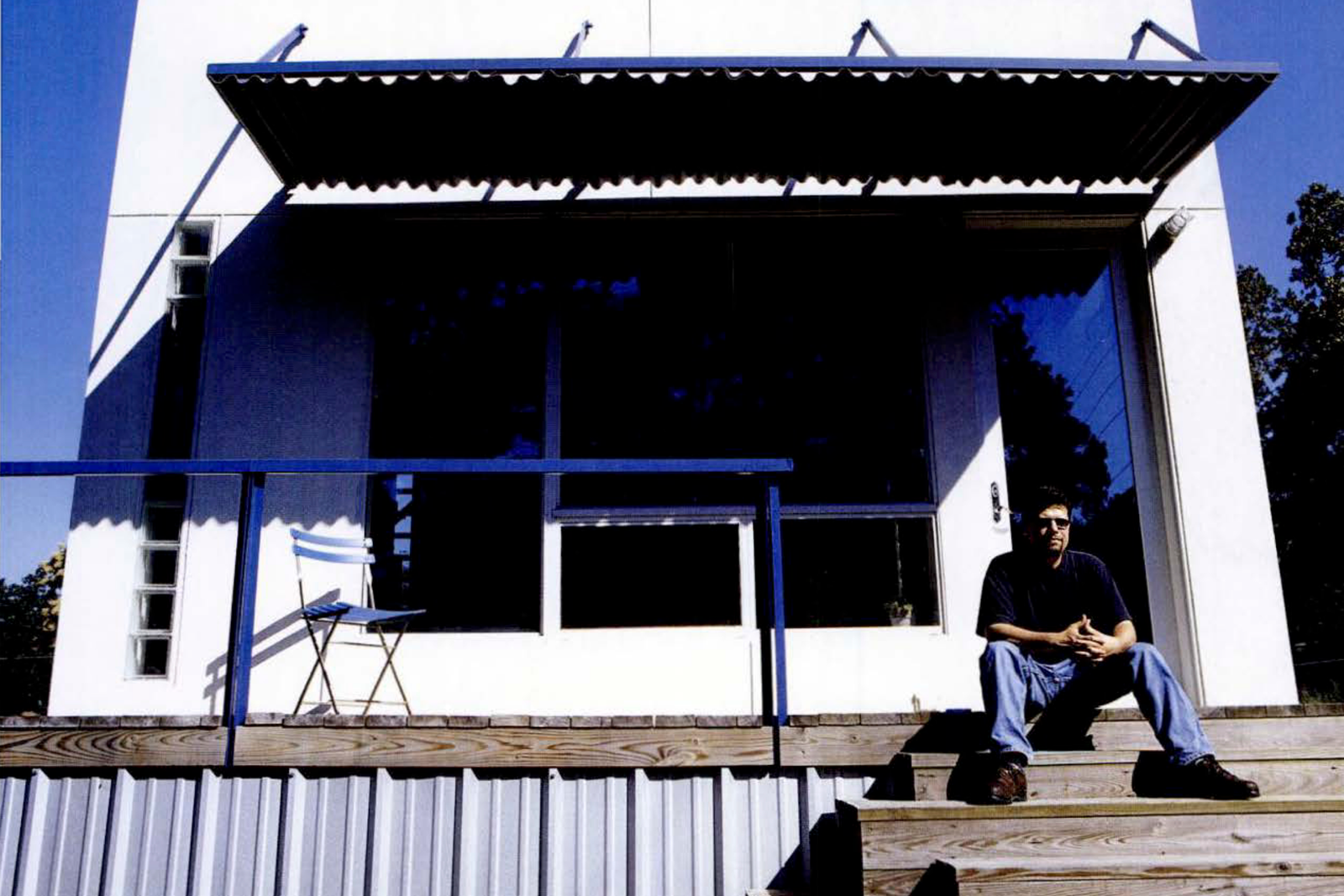
In the vast expanse of the Dallas/Fort Worth Metroplex at the turn of the millennium, the housing landscape was largely defined by a predictable uniformity. New developments sprawled across the suburban fringes, offering an abundance of three-bedroom, two-car-garage residences on meticulously planned streets bearing idyllic names like Running Brook Drive and Brittany Place. These homes, built by prolific companies such as Centex, Dissmore, and History Maker Homes, were undeniably spacious, well-appointed, and reasonably priced, catering to the burgeoning demand from young couples seeking their first foothold in homeownership. Yet, for all their practical appeal, they shared a striking resemblance, often described as nearly indistinguishable. This architectural homogeneity, born from efficiency and market demand, presented a stark contrast to the burgeoning desire for individuality in a rapidly expanding urban fabric.
The Call for Distinctiveness in a Homogeneous Market
The prevailing sentiment among many homebuyers was one of convenience and minimal risk. As Gayla LaBry, one half of a pioneering Fort Worth couple, observed in 2002, "People don’t want to make choices or take chances. That’s why they buy those developer homes." This preference for the pre-packaged and predictable was a defining characteristic of the early 2000s housing boom in North Texas, a period marked by rapid expansion and a focus on maximizing square footage for the dollar. However, for some, this uniformity bred a quiet dissatisfaction, a longing for something that reflected personal taste rather than mass-market trends.
Michael Young, LaBry’s husband, a self-described "strong, aggressive personality" and project engineer for Acme Brick in Fort Worth, embodied this desire for deviation. "I think outside the box," Young stated, a philosophy evident in both his professional endeavors and the unique home he and LaBry would eventually build. The couple, who met during college in Lafayette, Louisiana, and had lived in Germany before settling in Fort Worth in 1996, possessed a global perspective that set them apart from many of their peers. Their extensive travels through Europe, a cultural enrichment often associated with PBS’s Rick Steves, had broadened their architectural sensibilities. This intellectual curiosity was reflected in their home design research, a collection of books and magazines that included not only the regionally popular Southern Living but also internationally renowned architectural journals like Abitare and Domus. While their contemporaries were investing in 3,000-square-foot, brass-fixtured, shag-carpeted colonials, Young and LaBry were meticulously crafting a vision for a truly custom, modern home.
A Counter-Narrative to Suburban Sprawl: The Burleson Choice
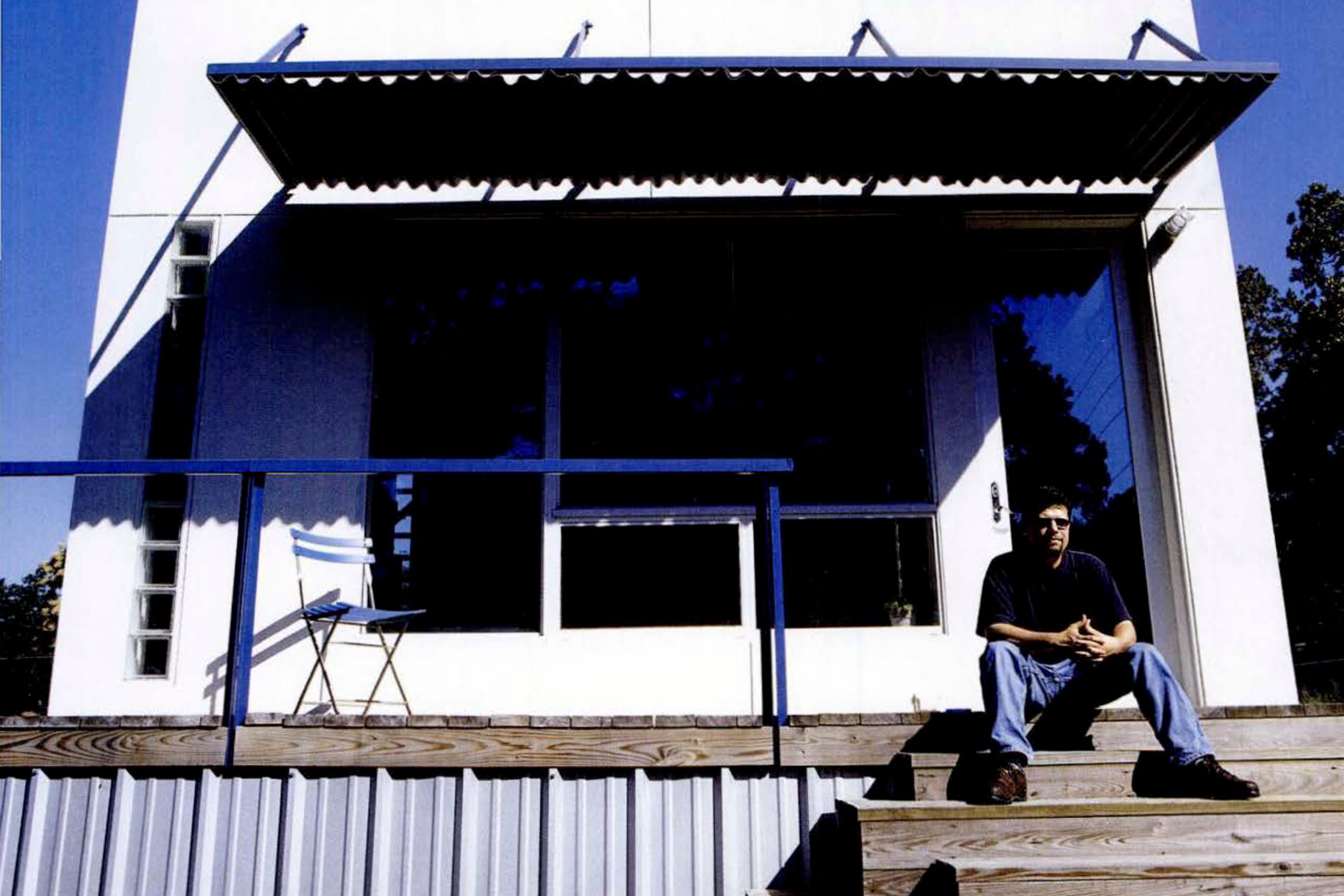
Their decision to build rather than buy was a deliberate act of defiance against the prevailing suburban paradigm. With a cash budget of $120,000 – a significant sum in 2002, yet modest for custom construction – they embarked on a journey to create a home that was both distinctive and financially pragmatic. Their chosen location, a lot in Burleson, approximately 20 minutes south of Fort Worth, proved to be instrumental in realizing their vision.
Burleson, an unincorporated part of town at the time, offered a crucial advantage: fewer restrictive building codes and zoning ordinances. This regulatory flexibility was a stark contrast to the stringent rules governing most planned communities, which often dictated everything from roof pitch to exterior material, ensuring a consistent, often bland, aesthetic. In this "refreshing pocket of individuality," as LaBry described it, the existing homes were "unremarkable but unique." The neighborhood showcased an eclectic mix of architectural styles: a newly built colonial might sit beside a 1970s-era bunker home with a grass roof, or a modest ranch house adorned with a puzzling pattern of undulating bricks. This architectural potpourri, a "libertarian’s dream" where residents largely allowed each other creative freedom, provided the perfect backdrop for Young and LaBry’s unconventional project. Their only local inquiry when they began work on their 950-square-foot "house-as-loft" on Pecan Drive was a cautious "You’re not putting a trailer on the lot, are you?" – a testament to the community’s live-and-let-live ethos, even if their design was an outlier.
The Architect: Richard Wintersole, a Modernist in Texas
To translate their vision into reality, Young and LaBry sought an architect aligned with their modernist aspirations. The Fort Worth chapter of the American Institute of Architects (AIA) connected them with Richard Wintersole, an architect whose professional journey was as unconventional as the couple’s project. Wintersole, a mild-mannered and wry-humored Texan, had pursued architecture as a second career, having initially trained as a microbiologist. This unique background instilled in him a determination and resolve that proved invaluable in navigating the architectural landscape of North Texas, a region traditionally steeped in more conventional styles.
Wintersole’s own home in the suburb of Aledo, Texas, shared with his wife Margaret, a journalist, and son Colin, served as a tangible manifestation of his modernist leanings. An elegant structure of corrugated metal and glass, it featured a barrel-vaulted ceiling, drawing inspiration from the iconic Louis Kahn’s Kimbell Art Museum in Fort Worth. Operating within a community that largely favored gabled roofs and traditional aesthetics, Wintersole understood the subtle resistance to modern design. "We’re probably considered to be communists or something out where we are," he quipped, highlighting the cultural friction often faced by modernist practitioners in conservative areas. His ongoing projects, like a house in Keller, Texas, featuring industrial stairs and a camouflage roof, further demonstrated his commitment to pushing design boundaries.
Young and LaBry were explicit in their desires: a clean, modern, and minimalist home that was unique without being jarringly out of place. Their $120,000 budget, though tight, allowed Wintersole greater creative latitude due to the relaxed building codes in Burleson. This combination of a clear client vision, an adventurous architect, and an accommodating site created the ideal conditions for an innovative project.
Embracing Steel: A Fusion of Aesthetics and Cost-Effectiveness
The pivotal material choice for the house was steel framing, an idea passionately championed by Michael Young. Having supervised the construction of a steel-frame addition for a glass company, Young was fascinated by the technique’s aesthetic potential and practical benefits, including termite resistance, durability, and a clean, industrial look. Initially, Wintersole was not entirely convinced. "I don’t think the day that I sat down with a blank piece of paper I was thinking it was going to be a metal building," he admitted. His prior experiences with steel companies had been challenging; they often prioritized selling standard steel components over accommodating unique architectural designs. "The closest thing these companies have to an architect is the guy who does the CAD work for them. And once the house is complete, it’s like you’re not supposed to know that it’s steel anymore. It’s supposed to look like everybody else’s house."
However, as contractors’ bids for the project started coming in, the practical advantages of steel framing became undeniable. It emerged not only as the clients’ preferred choice but also as the most cost-effective option within their budget. This serendipitous alignment of aesthetic preference and economic viability solidified the design direction.
Houston’s Classic Steel Frame Homes, a company known for its more traditional, "Tudorish" designs with names like the Palace and the Oxford I0Plex, was tasked with fabricating Wintersole’s custom drawings into a steel frame. The company, accustomed to clients selecting from pre-existing brochures, initially questioned the unique design. Nevertheless, they successfully translated the architectural plans into a precise, ready-to-assemble kit. The fabrication process involved creating every component, from floor joists to roof purlins. Once complete, these elements were trucked from Houston to Burleson and laid out in the yard, resembling an "outsize set of Tinkertoys." The efficiency of steel construction was dramatically demonstrated as the entire frame was assembled in a mere day and a half. The complete house was finished in approximately six months, a testament to the speed and precision inherent in steel-frame construction.
Architectural Expression: A Loft Aesthetic in the Texas Suburbs
The completed house was a refreshing departure from the conventional suburban fare. Wintersole successfully created a distinctive "urban loft space" within the quiet confines of a Fort Worth suburb. The design celebrated its industrial roots rather than concealing them. The exterior was clad in durable Galvalume siding and simple white stucco, materials chosen for their aesthetic and practical qualities. Galvalume, an alloy-coated steel, offered excellent corrosion resistance and a modern, utilitarian appearance, while stucco provided a clean, minimalist counterpoint.
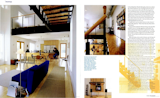
Inside, the industrial theme continued with sandblasted steel and maple railings, galvanized diamond-plate stair treads, and exposed ducts. These elements, typically hidden in traditional construction, were deliberately left visible, contributing to the home’s authentic industrial aesthetic. A carefully curated, uncomplicated palette of white, blue, light wood (predominantly maple), and metal was employed throughout, both inside and out. This minimalist color scheme and material selection played a crucial role in maximizing the perceived square footage and enhancing the abundance of natural light that flooded the interior.
The absence of stringent code restrictions, a benefit of the unincorporated location, allowed Wintersole to incorporate several space-enhancing features that might otherwise have been prohibited. For instance, the open catwalk leading from the top of the stairs to the bedroom, while potentially inducing "a heady dose of vertigo," served to maintain visual openness and flow. The flexibility regarding stair depth and handrail heights enabled the architect to place the stairway parallel to the house’s front façade, creating a fluid, uninterrupted line from one end of the house to the other. Had standard codes been enforced, the stairway would likely have been an immediate focal point upon entering the front door, interrupting the desired open plan.
Ingenious Space-Saving and Thoughtful Furnishing
The interior design also showcased clever solutions for maximizing utility and visual space. The main bathroom upstairs, for example, presented a challenge in fitting both a shower and a tub into the allotted area. Michael Young’s innovative suggestion to create an open shower area with two showerheads on the wall facing the tub not only resolved the spatial dilemma but also added a touch of modern luxury. Another pragmatic and highly efficient idea, also from Young, was the placement of a stacking washer/dryer unit directly between the bathroom and the closet. This arrangement, as Young enthusiastically explained, "completely eliminates clothes migration!"—a small but significant detail that speaks to the couple’s practical approach to living.
Furnishing the minimalist space was a deliberate exercise in choice. While many items came from affordable and accessible retailers like Ikea, Pottery Barn, and The Container Store, the couple strategically splurged on key pieces that underscored their aesthetic. From Smink, Inc., in Dallas, they acquired a B&B Italia sleeper sofa – a piece so captivating in its mechanism that Young demonstrated its function with palpable excitement – and two sleek side chairs by Artelano. Their furniture selections were not arbitrary; "We deliberately chose furniture with no arms," Young explained, emphasizing that "Everything we chose had to do with creating visual space." Even seemingly minor details, like the $12 ceiling fixtures from Lowe’s, were chosen for their minimalist appeal and cost-effectiveness.
Enduring Relevance and Broader Implications
The Young-LaBry home stands as a powerful testament to the possibilities of personalized, modernist architecture, even within a largely conventional suburban landscape. For Gayla and Michael, their home was more than just a place to live; it was an extension of their personalities and a statement against the homogeneity they observed in the wider housing market. Their enthusiasm for their home was infectious, whether they were praising the "perfect expression of minimalism!" in their guest bathroom or the simple elegance of their chosen fixtures.
Despite some common criticisms – "People say it’s too small," and "You’ll never be able to sell it" – the couple remained unperturbed. "But we’re not worried," Gayla confidently asserted. "We’re not going anywhere for a while and when we do, there will be someone else just like us, a couple with a cat, who will want to move in." This statement encapsulates the niche market for unique, well-designed homes and the belief that good design transcends conventional market expectations.
The project’s $120,000 cash budget in 2002 highlights a significant achievement in affordable custom building. While construction costs have risen dramatically since then, the underlying principle remains relevant: thoughtful design, strategic material choices (like cost-effective steel framing), and leveraging flexible building codes can make custom architecture more accessible. This case study from Dwell’s archives, originally published in October 2002, predates the widespread popularity of minimalist and industrial aesthetics in mainstream housing, making the couple’s vision particularly prescient.
The Young-LaBry home, alongside Richard Wintersole’s broader body of work, underscores the ongoing challenge and opportunity for modernist architecture in regions traditionally dominated by historical and revival styles. Their success demonstrates that a bold vision, combined with an innovative architect and a willingness to explore unconventional materials and construction methods, can yield extraordinary results. It also suggests that a subset of buyers consistently seeks homes that reflect individuality and a contemporary aesthetic, rather than adhering to the developer-driven norm.
Looking ahead, Michael Young’s stated desire to make an addition outback using a shipping container further illustrates their commitment to unconventional, sustainable, and adaptive design. This forward-thinking approach, even decades ago, aligns with contemporary trends in modular and eco-conscious construction, showcasing the enduring relevance of their architectural journey. Their home remains a compelling rebuttal to the notion that suburban living must equate to architectural conformity, offering inspiration for those who dare to build differently.