 admin
admin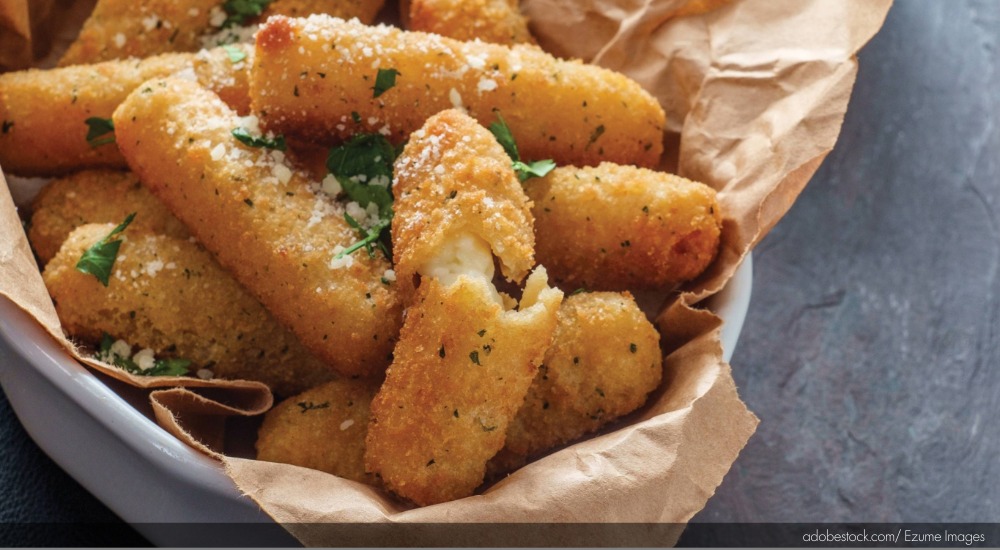
While perfectly executed pizzas and a meticulously curated beverage program form the backbone of many successful pizzerias, the often-underestimated appetizer menu can be the secret weapon for enhancing customer satisfaction and boosting profitability. Among these, the humble fried mozzarella stick stands out as a universal crowd-pleaser, capable of generating significant buzz and driving traffic, especially when executed with flair and strategic innovation.
The Enduring Allure of Fried Mozzarella
Fried mozzarella sticks tap into a deep-seated culinary preference for comfort food that is both familiar and indulgent. The appeal lies in a multi-sensory experience: the satisfying crunch of a golden-brown crust giving way to a rich, molten interior. "Everybody loves their cheese and frying it. Making it crispy, making it gooey delivers the full richness that you really get out of the product," explains Jordan Himmel, Chief Operating Officer for Gino’s East of Chicago and Bravo Restaurants. This contrast in textures and temperatures is key. As Himmel succinctly puts it, "Cold cheese doesn’t have the same pizazz."
The concept of frying cheese has ancient roots, appearing in various forms across different cultures for centuries. From Greek saganaki to Italian mozzarella in carrozza, the practice of breading and frying cheese has long been cherished for its ability to transform a simple dairy product into a decadent treat. The modern mozzarella stick, as we know it, emerged as a popular bar and restaurant appetizer in the mid-20th century, particularly gaining traction in American casual dining establishments. Its inherent simplicity and broad appeal have cemented its status as a menu staple, often serving as an early indicator of a restaurant’s commitment to quality beyond its main offerings. Like pizza itself, mozzarella sticks represent a dynamic pairing of cheese and bread, offering an infinite canvas for culinary customization.
The Anatomy of a Viral Sensation: Mastering the Cheese Pull
Beyond its intrinsic deliciousness, the mozzarella stick possesses a unique characteristic that has propelled it into social media stardom: the "cheese pull." Mozzarella cheese is exceptionally elastic, and when heated to the right temperature, it stretches dramatically, creating a visually captivating, succulent string of molten goodness. This seductive stretch is not just a culinary delight; it’s a powerful marketing tool in the age of visual content.
Chuck Sillari, co-founder of Mortadella Head in Somerville, Massachusetts, can attest to the power of a perfect cheese pull. "The restaurant was put on the map with a viral video of mozzarella sticks," Sillari recounts. A TikTok video showcasing their perfectly stretchy mozzarella sticks amassed an astounding 7.4 million views, transforming the local eatery into a destination. The immediate impact was palpable: "It was crazy when it happened. We couldn’t keep up. There was a line around the sidewalk for mozzarella sticks that month." This anecdote underscores the profound influence of viral content on consumer behavior, demonstrating how a single, well-executed dish can translate directly into overwhelming demand and significant revenue spikes.
The phenomenon extends beyond individual viral moments. Industry data suggests that food-related content consistently ranks among the most engaging categories on platforms like TikTok and Instagram. A 2023 study by Statista indicated that food and drink content garnered billions of views annually, with visually appealing dishes like those featuring a prominent "cheese pull" often outperforming others. For Quick Service Restaurants (QSRs) operating in an increasingly competitive landscape, leveraging such visual appeal is crucial. Michael Kudrna, a restaurant and business consultant and President of Frato’s Kitchen in Schaumburg, Illinois, highlights this, stating that mozzarella sticks "helped us be a QSR that is actually a destination place – not easy to do."
Frato’s Kitchen took this concept a step further with "El Masivo Gringo," a monstrous, 13-inch mozzarella stick crafted from a four-cheese blend, taco-seasoned, and served with spicy salsa verde or marinara. Kudrna explains its genesis: "It was conceived based on market research to specifically go viral on TikTok. It needed to be unique instead of just the ‘same ole’ but bigger." This strategic innovation, coupled with its limited availability on Sundays only, has proven highly effective. "We have a solid floor for Sunday orders because of it," Kudrna notes, emphasizing its role in drawing traffic during challenging economic times and in an area with declining population but increasing restaurant competition. The deliberate design for virality, from its imposing size to its unique flavor profile, illustrates a sophisticated understanding of modern food marketing.
Operational Excellence: Crafting the Perfect Mozzarella Stick
Achieving the ideal balance of a crispy crust and a gooey, stretchable interior is not accidental; it’s the result of meticulous execution. Our expert sources unanimously emphasize three critical factors for mastering mozzarella sticks: making them by hand, double-breading, and precise timing and temperature control during deep frying.
-
Handmade Advantage: While pre-made, frozen mozzarella sticks offer convenience, handmade versions consistently deliver superior quality and allow for greater customization. However, this commitment to quality comes with operational considerations. "It requires a skilled staff member to make," Kudrna warns. "Letting someone inexperienced do it will create lots of broken mozz sticks in the fryer, and then you have to clean the fryer before you can use it again." The labor investment in training and execution is significant but often yields a product that differentiates a restaurant from competitors. At Mortadella Head, they manage this by prepping a one-day supply of sticks, refrigerating them until ready for frying, ensuring freshness and efficiency.
-
The Double-Breading Technique: This is perhaps the most crucial step in preventing the dreaded "blowout" – where molten cheese escapes the breading during frying. "When we first started testing mozzarella sticks, when we didn’t double coat, the mozzarella stick kind of exploded in the fryer," Sillari recounts. The second layer of breading acts as an "extra barrier for the molten cheese," providing structural integrity. Kudrna elaborates, "We have a thick, seasoned coating that fries well and creates a crunchy exterior. This helps it hold up better in the fryer." This technique ensures a robust exterior capable of containing the intensely hot, expanding cheese within.
-
Precision in Frying: Timing and Temperature Control: Deep frying is the preferred method for achieving the desired contrasting textures of a crunchy exterior and a melty interior. However, it requires a delicate touch. "That’s the foundation of a successful cheese stick," Himmel states regarding temperature control. Inconsistent oil temperatures lead to problems, including the aforementioned blowouts, resulting in wasted product and a messy fryer. The optimal frying temperature, typically between 350-375°F (175-190°C), ensures rapid cooking of the breading while allowing the cheese to melt sufficiently without overcooking.
Timing is equally critical. "If you don’t leave them in long enough, the cheese isn’t fully melted, and you don’t get a really cool cheese pull," Sillari explains. Conversely, frying for too long can be disastrous, even with a double crust. The prolonged heat can cause the crust to crack, leading to cheese leakage and an unservable, hollow shell. Mastering this balance requires experienced staff and consistent monitoring, highlighting the importance of standardized procedures in the kitchen.

Innovation on a Classic: Customization Strategies
The versatility of the mozzarella stick allows for endless creative interpretations, enabling operators to tailor the classic appetizer to their brand identity and clientele. Four primary components offer avenues for innovation: cheese, breading, seasoning, and dipping sauce.
-
Cheese Selection: While low-moisture, part-skim mozzarella is the classic choice due to its mild flavor and exceptional elasticity, experimentation can yield exciting results. Frato’s Kitchen’s four-cheese blend demonstrates how combining cheeses can add complexity. Dimo’s Apizza in Portland, Oregon, uses a mozzarella and provolone blend for a sharper, more piquant profile. Gino’s East takes it a step further with a house-made cheese and spinach blend, offering a more substantial and unique bite. Beyond the type of cheese, varying its shape can also differentiate a product. While sticks are standard, planks or bite-sized nuggets offer different textural experiences. Gabbiano’s in Portland, Oregon, gained fame for their distinctive shot-glass-shaped fried mozzarella, served atop and filled with marinara, showcasing how presentation can be as innovative as the ingredients. Other gourmet approaches include pesto-filled or prosciutto-wrapped fried mozzarella, elevating the appetizer to a more refined offering.
-
Breading Variations: The breading is crucial for texture and flavor. Beyond traditional breadcrumbs, operators can explore a spectrum of options. From homemade, subtly seasoned crumbs to commercially pre-seasoned varieties and airy panko, each choice imparts a distinct character. Creative operators might experiment with crushing or grinding unexpected starches like crackers, corn flakes, potato chips, tortilla chips, Rice Krispies, or even ramen noodles, each offering a unique crunch and flavor note. For establishments catering to dietary restrictions, offering a gluten-free breading option aligns with current market trends and expands customer reach.
-
Seasoning Profiles: The seasoning infused into the breading allows a mozzarella stick to reflect a pizzeria’s specific vibe and clientele. Traditional Italian seasonings such as garlic powder, onion powder, and dried parsley offer a classic, familiar taste. However, the possibilities are vast. From robust Cajun spices to aromatic curry powder, smoky paprika, or zesty lemon pepper, the seasoning can transform the appetizer’s flavor profile. Experts advise using dried herbs and spices, as fresh ingredients are prone to burning and imparting an acrid taste during deep frying. This careful selection ensures that the seasoning complements the cheese and overall dish.
-
The Art of Dipping Sauces: While marinara remains the undisputed standard, offering a diverse and high-quality selection of dipping sauces is a simple yet effective way to elevate the mozzarella stick experience. A house-made marinara is a must, but variety appeals to broader palates. Mortadella Head, for instance, finds success with marinara, followed by Calabrian chili aioli, pink vodka tomato sauce, pesto aioli, and homemade Caesar dressing. "It’s consumer preference, right? Some people dip it in ranch or blue cheese," Himmel notes, highlighting the broad spectrum of customer tastes. Kudrna reinforces this, stating, "The better sauce variety, you can appeal to more people and make it more unique."
Expanding beyond the conventional, consider other popular salad dressings like honey mustard, which already pairs well with cheese. International flavor profiles can also inspire unique sauces: Romesco, a Spanish roasted pepper and nut sauce; olive tapenade for a briny kick; chili crisp or gochujang for spicy, umami-rich notes; sweet and savory hot honey; creamy peanut sauce; or even balsamic glaze for a tangy counterpoint. The rich history of Albany, New York, residents dipping their mozzarella sticks in raspberry sauce (locally known as Melba) for decades serves as a testament to the limitless possibilities and the potential for regional cult favorites. This tradition highlights that any sauce, no matter how unconventional, can become a beloved staple if it resonates with the local palate.
Beyond the Dip: The Art of Tossing Sauces
Taking inspiration from the wildly popular buffalo wings, some chefs are now tossing their fried mozzarella sticks in sauce post-fryer. Gino’s East offers this option for an additional charge, recognizing the appeal of such a hybrid. "People love chicken wings. It’s sort of a hybrid: mozzarella stick meets chicken wing," Himmel explains. This concept capitalizes on the creamy texture of melted butter, the tang of hot sauce, and the acidity of vinegar that define classic buffalo sauce.
Operators can experiment with this approach, developing signature tossing sauces that reflect their brand’s culinary identity. Imagine mozzarella sticks tossed in a zesty lemon-garlic butter, a sweet and spicy Korean gochujang glaze, a smoky barbecue sauce, or a vibrant pesto cream. This method transforms the appetizer, coating each stick evenly and intensifying the flavor experience, creating a dish that stands out on the menu. The success of such an innovation could mirror the Albany Melba sauce phenomenon, launching an enduring regional cult favorite and cementing a restaurant’s reputation for creative culinary offerings.
Market Impact and Strategic Importance
In a restaurant industry characterized by fierce competition and evolving consumer preferences, appetizers play a crucial role beyond merely satiating initial hunger. A well-conceived and executed appetizer program can significantly contribute to a restaurant’s bottom line, boosting average check size and enhancing overall customer experience. Data from restaurant analytics firms often shows that appetizers can account for 15-20% of total food sales, making them a vital revenue stream.
Moreover, signature appetizers like exceptionally crafted mozzarella sticks can become powerful brand differentiators. They foster customer loyalty, encourage repeat visits, and generate valuable word-of-mouth marketing, especially in the age of social media. The "destination place" status achieved by Mortadella Head and Frato’s Kitchen through their innovative mozzarella stick offerings underscores this strategic importance. By providing a memorable, shareable, and delicious experience right at the start of the meal, pizzerias can solidify their brand identity and cultivate a reputation for quality and creativity that extends beyond their core pizza offerings.
As consumer tastes continue to evolve, the demand for both classic comfort foods and innovative culinary experiences will persist. The mozzarella stick, with its inherent appeal and remarkable adaptability, is perfectly positioned to meet both these demands. By focusing on quality execution and embracing creative customization, pizzerias can ensure this iconic appetizer remains a potent tool for winning over customers, driving engagement, and securing a competitive edge in the dynamic food service industry.
ANNELISE KELLY is a Portland, Oregon-based freelance writer.