 admin
admin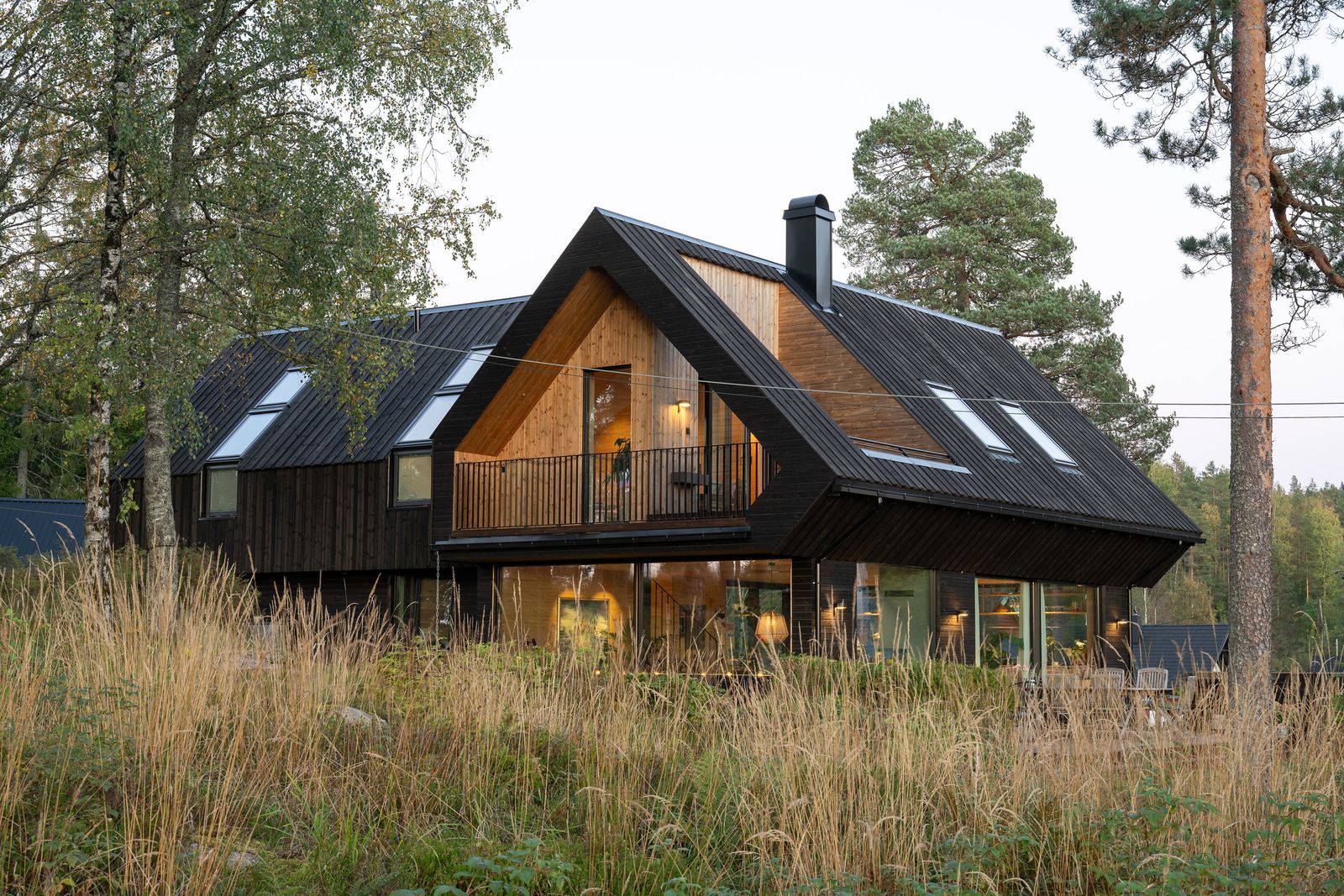
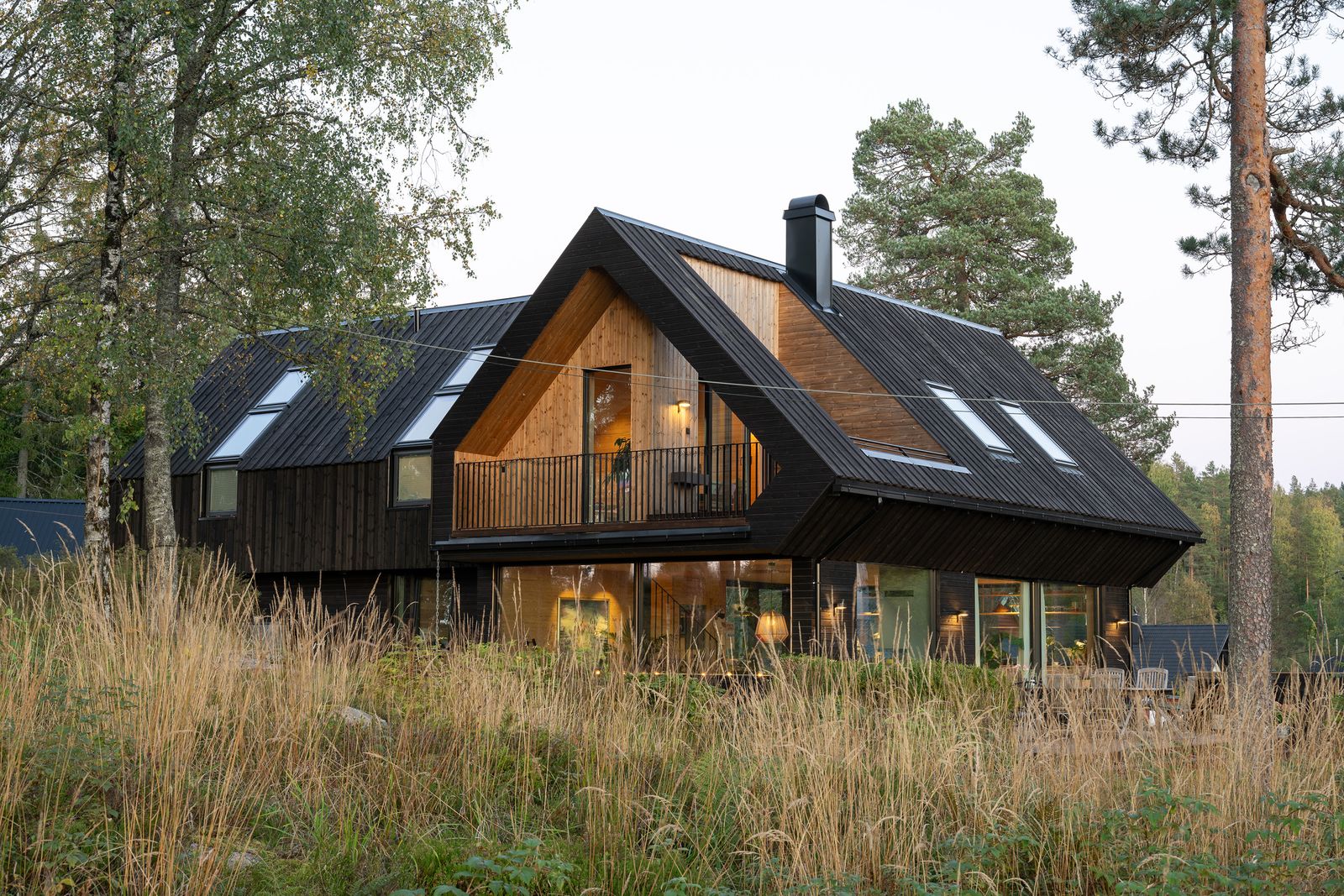
The eastern fringes of Maridalsvannet, Oslo’s primary water reservoir, are home to Solem Forest, a tranquil enclave where homes are discreetly nestled among towering pines and gentle, undulating terrain. It is within this ecologically sensitive and tightly regulated landscape that a remarkable new single-family residence has emerged, replacing a venerable 1946 timber loft. This architectural endeavor, a testament to thoughtful design and environmental stewardship, draws profound inspiration from its immediate surroundings: the verdant forest, the dappled sunlight filtering through the canopy, and the understated, enduring character of the existing wooden structures that define this unique Norwegian setting. The project’s location within a protected watershed necessitated an exceptionally stringent approach to development, a challenge met with innovative solutions that uphold both modern living standards and ecological integrity.
Project Genesis and Environmental Imperative
The decision to replace the aging 1946 timber loft was not merely an aesthetic one but was fundamentally shaped by the site’s unique environmental status. Maridalsvannet, a vital natural resource, supplies a significant portion of Oslo’s drinking water, making its surrounding catchment area subject to rigorous environmental protection laws. These regulations dictate everything from building footprints and heights to material choices and water management, ensuring that any human intervention minimally impacts the delicate ecosystem and the quality of the reservoir. For the architects, Morfeus Arkitekter, this presented a dual challenge: to create a contemporary, comfortable home for a family while meticulously adhering to a framework designed to preserve one of Norway’s most critical natural assets. This context elevates the project beyond mere residential construction, positioning it as a case study in responsible development within a highly sensitive ecological zone. The project demonstrates a profound understanding of the Norwegian cultural value of friluftsliv, or outdoor life, and the inherent respect for nature that underpins much of the country’s planning and design philosophy.
Norway, a nation celebrated for its pristine landscapes and strong commitment to environmental protection, places immense value on preserving its natural heritage. Maridalsvannet, for instance, serves approximately 90% of Oslo’s population with drinking water, making its watershed protection paramount. This level of environmental scrutiny means that new constructions, or even renovations, must undergo extensive review processes to ensure minimal ecological footprint and long-term sustainability. The architectural team approached the site with a philosophy of minimal disturbance, aiming for a structure that felt "lightly placed—a continuation of the forest rather than an imposition on it," as articulated by the architect. This guiding principle informed every design decision, starting with the foundation. Instead of demolishing and rebuilding entirely, the original masonry foundation of the 1946 loft was ingeniously reused. This not only significantly reduced waste and the environmental impact associated with new construction but also served as a practical anchor for the new design. Furthermore, this foundation was strategically lowered, a subtle yet impactful modification designed to enhance accessibility and forge a more seamless, fluid connection between the interior living spaces and the surrounding outdoor environment. This subtle lowering allows the home to settle more organically into the sloping terrain, minimizing its perceived mass and further integrating it into the natural contours of Solem Forest.
Architectural Identity: The Cross-Gabled Roof
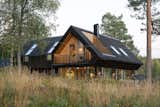
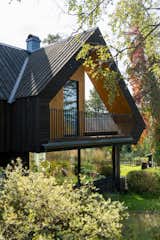
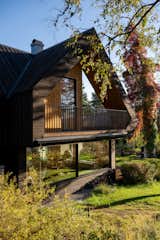
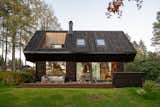
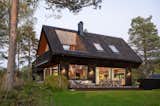
The most striking and defining feature of the new residence is its imposing yet elegantly designed cross-gabled roof. This architectural element is not merely a stylistic choice but a highly functional component central to the home’s identity and its relationship with the site. The complex geometry of the roof serves multiple purposes. Firstly, by partially embedding the second floor within its voluminous structure, the design effectively reduces the perceived overall height of the house. This strategic move allows the building to sit more quietly and harmoniously among the towering pine trees, preventing it from dominating the natural skyline and maintaining the understated character prevalent in Solem Forest. This integration is crucial in a protected area where visual impact is as important as physical footprint.
The varied angles and planes of the cross-gabled roof are meticulously orchestrated to optimize natural light penetration and frame specific views of the rolling terrain. Strategically placed roof windows, often referred to as skylights, punctuate the expansive roofline, inviting abundant daylight deep into the interior spaces, particularly on the second floor. This design minimizes the need for artificial lighting during daylight hours, contributing significantly to the home’s energy efficiency. According to the Norwegian Enova SF, a state enterprise promoting energy efficiency, homes designed to maximize natural light can reduce lighting energy consumption by up to 15-20%. Moreover, these windows are carefully positioned to capture specific vistas, transforming them into living artworks that change with the seasons and the shifting light conditions. The result is an interior that feels bright, open, and perpetually connected to the dynamic natural world outside.
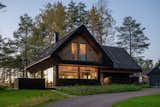
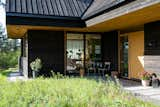
Adding another layer of functionality and aesthetic appeal are the deep, irregular eaves that extend from the roofline. These eaves are more than just architectural details; they are integral to creating protected outdoor niches around the perimeter of the house. These sheltered areas offer respite from varying weather conditions—shielding residents from rain, strong winds, or intense sun—and adapt with the changing seasons, providing comfortable outdoor living spaces year-round. This thoughtful consideration of microclimates around the home further blurs the lines between indoor and outdoor living, encouraging occupants to engage with their natural surroundings regardless of the elements. The use of a dark, perhaps charcoal or black, exterior finish, common in modern Nordic architecture, allows the structure to recede visually into the deep shadows of the pine forest, enhancing its discreet presence and allowing it to blend seamlessly into the dramatic Norwegian landscape, particularly during the darker winter months.
Sustainable Practices and Site Stewardship
The commitment to sustainability extends far beyond the reuse of the foundation. The architects underscored that "attention to the qualities of the site guided every design decision." This holistic approach manifested in several key environmental strategies. Paramount among these was the minimization of disturbance to the existing terrain. Construction activities were carefully managed to preserve topsoil, which is crucial for supporting local flora and fauna, and to protect exposed bedrock, a defining geological feature of the Norwegian landscape. A significant effort was also made to retain as much of the existing vegetation as possible, ensuring the new home seamlessly integrates into the established forest ecosystem rather than displacing it. This commitment aligns with Norway’s national policies on biodiversity and landscape preservation, which often prioritize retaining natural features over extensive site grading.
Furthermore, all exterior surfaces around the house were designed to be permeable. This critical feature allows rainwater to infiltrate naturally into the ground, rather than collecting and running off as storm water. In a watershed area like Maridalsvannet, managing rainwater runoff is paramount to preventing erosion, reducing the burden on municipal drainage systems, and most importantly, protecting the purity of the drinking water supply. Permeable surfaces, such as gravel paths, vegetated areas, and permeable paving, help to recharge groundwater, support local vegetation, and mitigate the risk of flooding. This design choice is a direct response to the ecological sensitivity of the site and exemplifies a proactive approach to environmental protection. It is estimated that permeable surfaces can reduce stormwater runoff by up to 80%, a critical factor in maintaining the ecological balance of sensitive areas. The overall material palette, though not detailed in the original text, can be inferred to be chosen for its durability, low maintenance, and environmental credentials, common characteristics of contemporary Norwegian architecture, often featuring locally sourced timber and natural stone.
Interior Efficiency and Long-Term Adaptability
Inside the Solem Forest home, the design philosophy of efficiency and adaptability continues. The floor plan is meticulously crafted to maximize spatial utility, ensuring that every square meter serves a purpose. This approach is particularly relevant in Nordic countries where space can be a premium and efficiency is highly valued. The interior layout is thoughtfully varied, designed to accommodate a spectrum of daily rhythms and activities. From vibrant, active zones conducive to family gatherings and outdoor access to quiet, secluded retreats for contemplation or work, the house offers diverse environments that cater to modern living needs. This flexibility ensures the home remains functional and comfortable for its occupants through different life stages and changing requirements.
Integrated custom storage solutions are a hallmark of the interior design, contributing significantly to the calm and uncluttered aesthetic. By seamlessly incorporating storage into the architecture—think built-in shelving, hidden compartments, and bespoke cabinetry—the design eliminates the need for freestanding furniture that can disrupt flow and visual tranquility. This not only maximizes usable space but also fosters an environment of order and serenity, allowing the beauty of the architecture and the views outside to take precedence. This approach to integrated design is a hallmark of Scandinavian efficiency, where functionality and aesthetics are harmoniously balanced.
Crucially, the ground floor of the residence has been designed with accessibility in mind. This forward-thinking approach ensures that the home can comfortably accommodate individuals with varying mobility needs, making it suitable for aging in place or for hosting family members who may require easy access. This level’s inherent flexibility means it "can flex to accommodate visiting family or future needs," anticipating long-term occupancy and evolving family dynamics. This focus on universal design principles underscores a commitment to creating a home that is not only beautiful and sustainable but also practical and inclusive for generations. Such adaptable spaces are increasingly valued in an aging society and represent a wise long-term investment for homeowners.
Regulatory Compliance and Environmental Oversight
The development of any property within the protected watershed of Maridalsvannet is a complex undertaking, subject to a stringent planning and approval process involving multiple governmental and environmental agencies. These regulations typically include limitations on impervious surfaces, strict requirements for wastewater management, prohibitions on certain construction materials, and detailed plans for erosion control and vegetation management during and after construction. The project’s success in replacing an existing structure while expanding its footprint underscores the careful negotiation and innovative design required to meet these exacting standards. Morfeus Arkitekter likely engaged extensively with Oslo’s planning authorities (Plan- og bygningsetaten) and environmental agencies to ensure full compliance. This collaborative approach, typical in Norway, ensures that development proceeds in line with public interest and environmental protection.
This adherence to regulatory constraints serves as a model for future developments in sensitive ecological areas. It demonstrates that contemporary architectural aspirations can be harmonized with robust environmental protection, provided there is a deep understanding of the site and a commitment to sustainable practices. The process likely involved detailed ecological impact assessments, water runoff calculations, and material specifications to prove the project’s minimal environmental footprint. The lowering of the foundation, for instance, would have been a design decision not just for aesthetics and accessibility, but also to mitigate visual impact and perhaps reduce excavation requirements, minimizing disruption to the subsoil and groundwater systems. The positive reception of such a project by local planning and environmental bodies highlights a growing trend towards approving designs that actively contribute to the ecological well-being of a site.
Broader Implications and Nordic Architectural Trends
The Solem Forest project by Morfeus Arkitekter is emblematic of a broader trend in Nordic architecture: a profound respect for nature and a commitment to sustainable living. Norway, with its vast natural landscapes and strong environmental ethos, has long been a pioneer in integrating buildings harmoniously into their surroundings. This house is a prime example of how modern design can draw from local vernacular while employing cutting-edge sustainable techniques.
The emphasis on reusing existing structures, managing rainwater on-site, minimizing site disturbance, and designing for adaptability reflects principles increasingly being adopted globally in the face of climate change and urban densification. The project contributes to a growing body of work that seeks to redefine luxury not through excessive scale or opulence, but through thoughtful integration, environmental responsibility, and timeless design. It showcases how architectural interventions in protected areas can be regenerative, enhancing the site’s ecological value rather than diminishing it. Such projects are often celebrated for their ability to balance human needs with the imperatives of conservation, setting high standards for future developments in similar sensitive contexts across Scandinavia and beyond. The discreet integration of the second floor within the roof volume, reducing visual bulk, is a common strategy in regions where building height regulations are strict or where designers aim to make structures less imposing on the landscape. This approach often leads to unique and highly efficient interior spaces, a hallmark of practical and innovative Nordic design.
Conclusion: A Harmony of Design and Nature
The new single-family house in Solem Forest stands as a powerful example of how architecture can transcend mere shelter to become an extension of its natural environment. Located on the eastern edge of Maridalsvannet, Oslo’s crucial water reservoir, this project navigated formidable regulatory challenges with grace and ingenuity. From the conscious reuse of its original foundation and its strategic lowering to the dynamic and light-filled spaces created by its distinctive cross-gabled roof, every element of the design speaks to a deep respect for the site. The meticulous attention to preserving the terrain, managing rainwater, and crafting adaptable interior spaces ensures that the home not only coexists with the forest but actively contributes to its ongoing health. Ultimately, this Norwegian retreat is more than just a house; it is a meticulously crafted haven that embodies the principle of living in harmony with nature, setting a benchmark for sustainable and context-sensitive design in protected landscapes. It represents a forward-thinking approach to residential architecture, proving that innovative design and ecological responsibility are not mutually exclusive but rather synergistic forces that can create truly remarkable spaces, offering a template for future developments in environmentally sensitive areas worldwide.