 admin
admin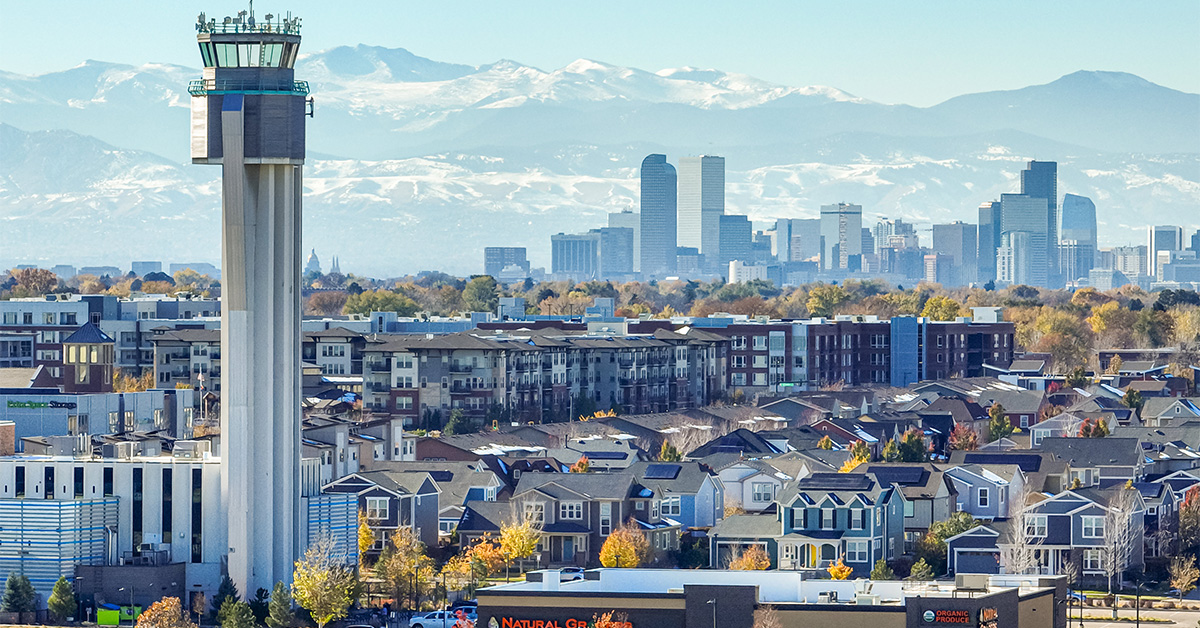
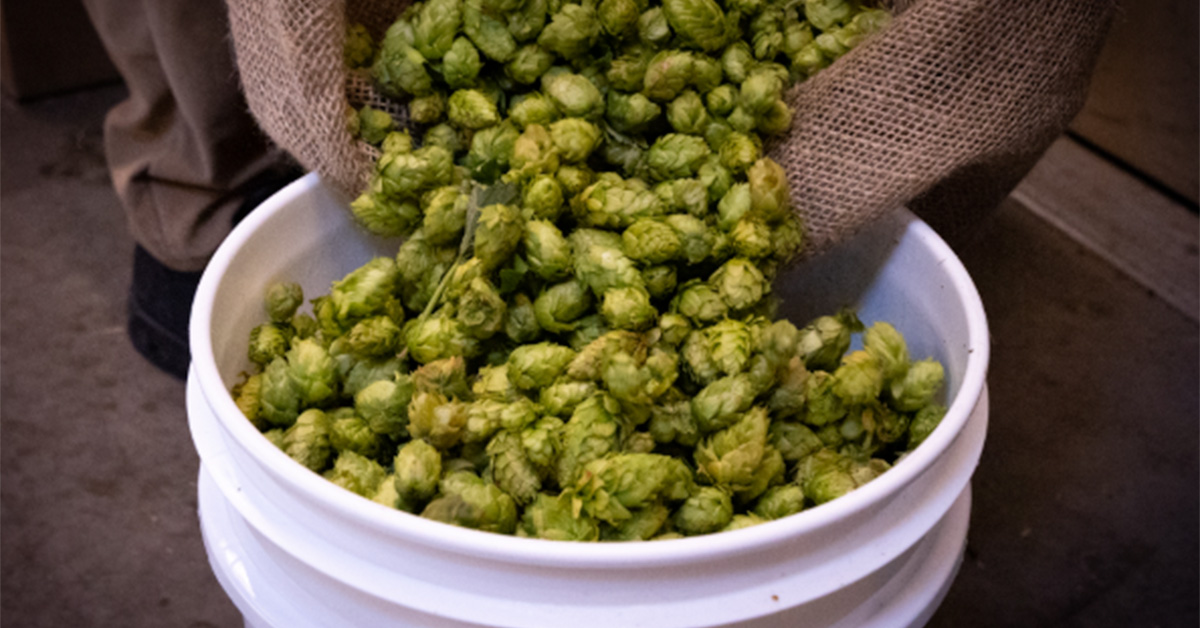
The intersection of aerospace engineering and craft brewing reached a critical juncture at 6:32 a.m. on a recent Wednesday, as Eric Serani, co-founder and president of Denver-based FlyteCo Tower, monitored a stubborn cloud ceiling over the Rocky Mountains. For six consecutive years, Serani—a licensed pilot and flight instructor—has utilized his Van’s Aircraft RV-10 four-seater to bridge the 175-nautical-mile gap between the Front Range and the hop yards of Western Colorado. The mission is singular: to transport freshly harvested "wet" hops from Billy Goat Hop Farm in Montrose back to Denver within a window of hours, ensuring the volatile aromatic oils of the plant are preserved for the brewery’s signature seasonal release, Hop Is My Co-Pilot Fresh Hop IPA. However, the 2025 harvest season has proven that even the most meticulous flight plans are subject to the whims of meteorology and the uncompromising timeline of agricultural maturation.
The Logistics of a High-Altitude Harvest
The production of fresh hop ale represents one of the most logistically demanding endeavors in the craft beer industry. Unlike standard India Pale Ales (IPAs) that utilize kiln-dried hop pellets or concentrated extracts, fresh hop beers require "wet" cones that have not been processed. Once harvested, these cones begin to degrade almost immediately; brewers generally aim to have them in the kettle or fermentation tank within 24 to 36 hours to capture the vibrant, grassy, and floral notes unique to the raw plant.
For FlyteCo, the solution to this logistical hurdle was found in the cockpit. The flight from Erie Municipal Airport to Montrose involves navigating the RV-10 over the Continental Divide at altitudes ranging between 11,000 and 13,000 feet. It is a journey that consumes more in fuel and maintenance costs than the market value of the hops themselves, yet it remains a cornerstone of the FlyteCo brand identity.
"The harvest is always so last minute," Serani observed during the 2025 attempts. "They don’t know when the harvest will be until a few weeks prior, and we don’t know the weather for the flight for sure until the day of. Every time we’ve been able to make this beer, it’s a miracle."
In previous years, the brewery utilized an eight-plane convoy to transport between 80 and 100 pounds of Chinook, Cascade, or Nugget hops. With the transition of their primary production to a 2.5-barrel system at the FlyteCo Tower location, the requirements have scaled down to approximately 20 pounds, yet the complexity of the flight remains unchanged. The 2025 season, however, marked a historic departure from tradition. Persistent cloud cover and shifting harvest dates forced multiple postponements, ultimately grounding the flight and necessitating overnight shipping for the hops—a move that underscores the fragility of the "miracle" Serani describes.
A Chronology of Aviation and Brewing Roots
The ethos of FlyteCo is deeply embedded in the personal history of its founders and the regional history of Colorado aviation. Eric Serani’s connection to the skies began at age three, when his grandfather took him up in a 1946 kit plane. By age 13, Serani was undergoing formal flight instruction; by 16, he completed his first solo flight.
A pivotal moment occurred at age 17 when Serani’s grandfather passed away. The local chapter of the Experimental Aircraft Association (EAA) at Erie Municipal Airport rallied behind the young pilot, providing a scholarship that allowed him to complete his certification in a contemporary aircraft. This community support fostered a lifelong commitment to the "Young Eagles" program, which introduces children to aviation—a program to which FlyteCo now contributes 10 percent of its profits.
The transition from aerospace to brewing occurred after Serani and co-founder Jason Slingsby, an aerospace and chemical engineer respectively, discovered a shared passion for homebrewing while roommates at the University of Colorado Boulder. After a stint at Boeing, Serani joined Slingsby and third co-founder Morgan O’Sullivan to open the original FlyteCo Brewing on Tennyson Street in February 2019.
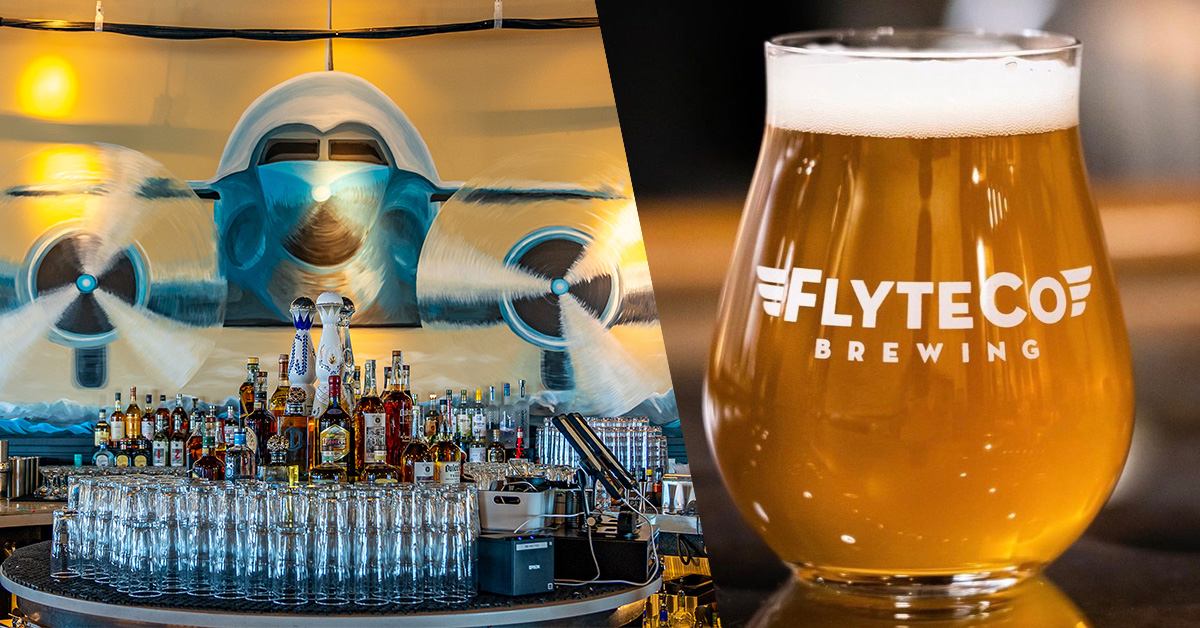
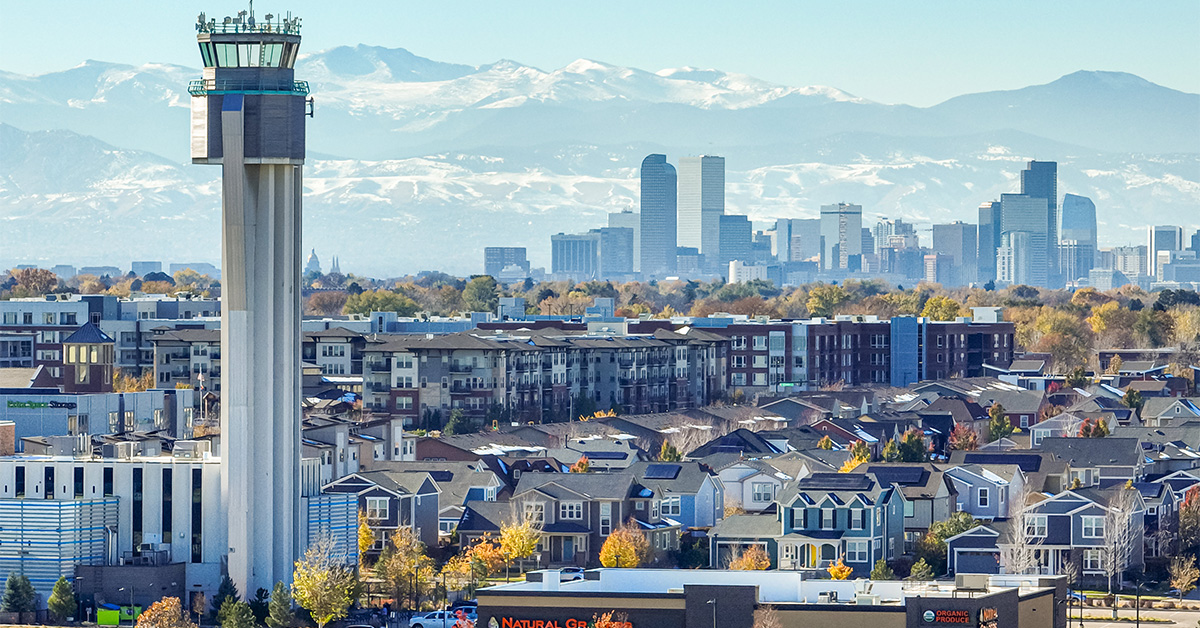
The brewery’s expansion into the former Stapleton International Airport air traffic control tower in 2022 served as a symbolic homecoming. Stapleton, which opened in 1929, was once the third-busiest airport in the world before its closure in 1995. The tower sat dormant for decades, briefly housing an entertainment venue before FlyteCo transformed the 11-story structure into a multi-level "eatertainment" complex.
Data and Economic Context of the Stapleton Redevelopment
The FlyteCo Tower is more than a brewery; it is a case study in the adaptive reuse of aviation infrastructure. The Stapleton neighborhood, now known as Central Park, represents one of the largest infill redevelopments in the United States. While most of the airport’s runways were converted into residential and commercial zones, the preservation of the control tower provides a physical link to Denver’s status as a historic aviation hub.
Data from Denver International Airport (DIA) confirms the region’s continued dominance in the sector, currently ranking as the third-busiest airport in the U.S. and sixth globally. FlyteCo’s presence in the old tower capitalizes on this local identity. The facility now features:
- A 2.5-barrel experimental brewhouse.
- Multiple bars and a full-service restaurant.
- Entertainment facilities including bowling alleys, mini-golf, and axe throwing.
- An on-site aviation museum and history tours led by resident historian Sean Henson.
By outsourcing the production of their flagship beers to Copper Kettle Brewing Company, FlyteCo has been able to focus its on-site resources on experiential offerings and small-batch specialty releases like the Hop Is My Co-Pilot IPA. This "hub-and-spoke" model of production allows the brand to maintain high-volume distribution while keeping the Tower focused on community engagement and heritage preservation.
The Science of the "Wet Hop" Challenge
The decision to fly hops across the Rockies is an exercise in passion over pragmatism. Chemically, hops contain lupulin glands filled with alpha acids and essential oils (such as myrcene, humulene, and caryophyllene). In traditional brewing, these oils are stabilized through drying. In wet-hop brewing, the water content of the hops—roughly 80%—makes them heavy and prone to rapid oxidation and composting if left in a warm environment.
The altitude of the flight actually aids in the preservation process, as the cooler temperatures at 12,000 feet act as a natural refrigerant during transport. Once the RV-10 touches down at Erie, the hops are rushed to the brewery where the mash is already in progress. The timing must be precise: the "bittering" hops are added during the boil, while the most aromatic cones are reserved for the whirlpool or fermenter.
Morgan O’Sullivan, FlyteCo’s marketing director, admits the inefficiency is the point. "It costs us more in fuel than it does to buy the hops," he noted. "We do it because the entire FlyteCo brand is about aviation, about inspiring people to push their limits and do something they don’t think they can do."
Industry Implications and Community Impact
The 2025 grounding of the "Hop Is My Co-Pilot" flight serves as a reminder of the increasing volatility facing both the craft beer and agricultural sectors. Climate variability has made harvest windows less predictable, while mountain weather patterns remain the primary obstacle for small-craft aviation in Colorado.
Despite the lack of a flight-delivered harvest this year, FlyteCo’s impact on the aviation community remains measurable. The brewery’s financial contributions to the EAA and its role as a vocational advocate for pilot training address a critical need in an industry currently facing a global pilot shortage. By integrating aviation history into the taproom experience—ranging from suspended model planes to educational tours of the control tower—the brewery functions as a recruitment tool for the next generation of aviators.
The presence of historian Sean Henson, who documents the stories of pioneers like Marlon Green (the first Black commercial pilot) and Emily Howell Warner (the first female commercial pilot), ensures that the brewery serves a dual purpose as a cultural institution.
Analysis of the Experiential Brewery Model
The evolution of FlyteCo from a 15-barrel brewhouse on Tennyson Street to a massive entertainment complex in a historic tower reflects a broader trend in the craft beer industry. As the market for traditional taprooms reaches saturation, "experiential" locations that offer activities beyond drinking have shown greater resilience.
FlyteCo’s success is predicated on its ability to monetize nostalgia and regional pride. The 2025 season, while a setback for the "miracle" flight, has not dampened the brewery’s trajectory. The reliance on a community-funded investment model—where family and friends of the founders purchased the tower to facilitate the move—suggests a deep-seated belief in the brand’s mission.
As the team looks toward 2026, the goal remains unchanged: to align the harvest, the weather, and the aircraft for a 90-minute dash across the peaks. Until then, the brewery continues to serve as a terrestrial anchor for Denver’s aviation enthusiasts, proving that while the beer is the product, the spirit of flight is the true commodity. The 2025 Azacca Pale Ale and other flagship offerings continue to flow at the Tower, serving as a placeholder for the next time the clouds clear and the hops are ready for takeoff.