 admin
admin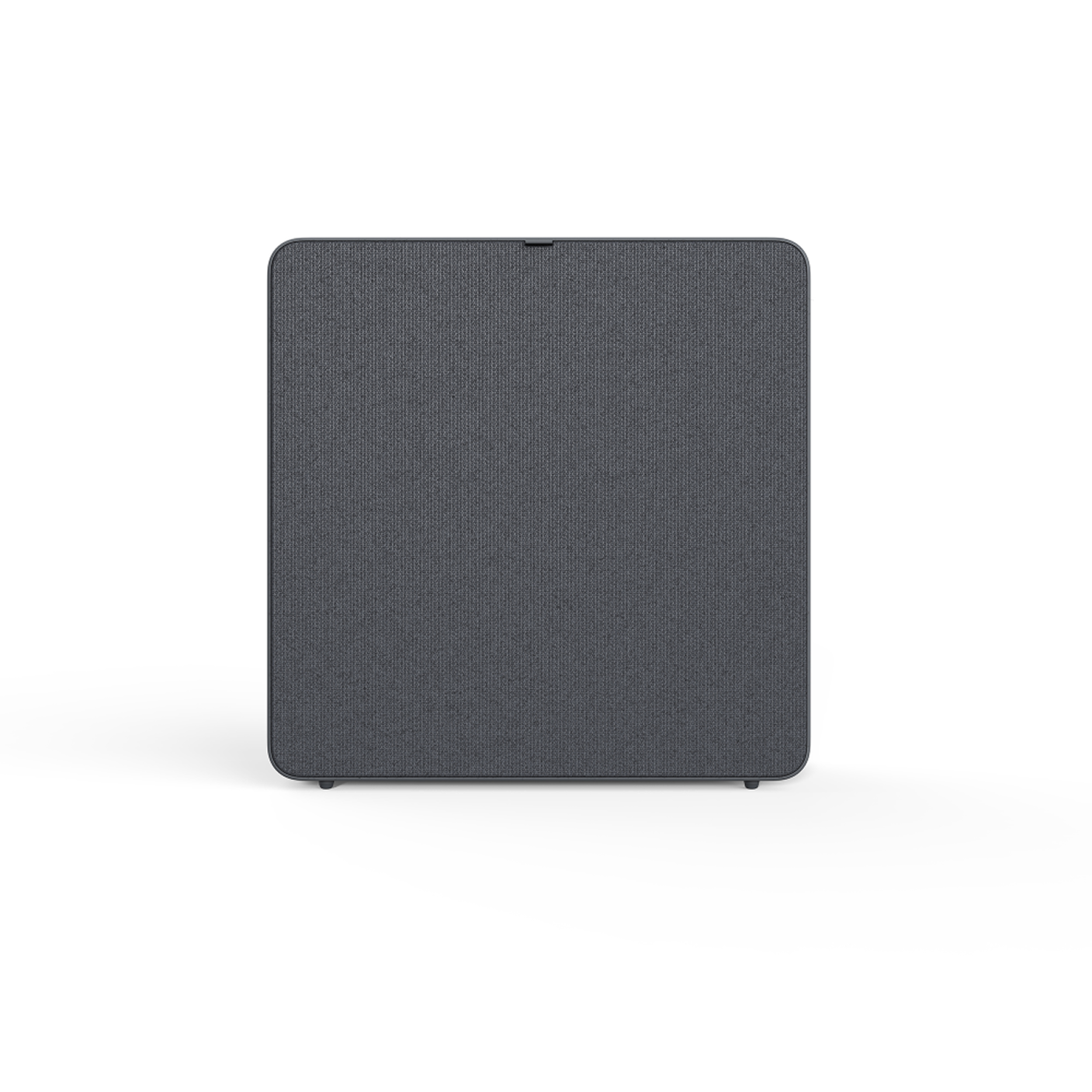
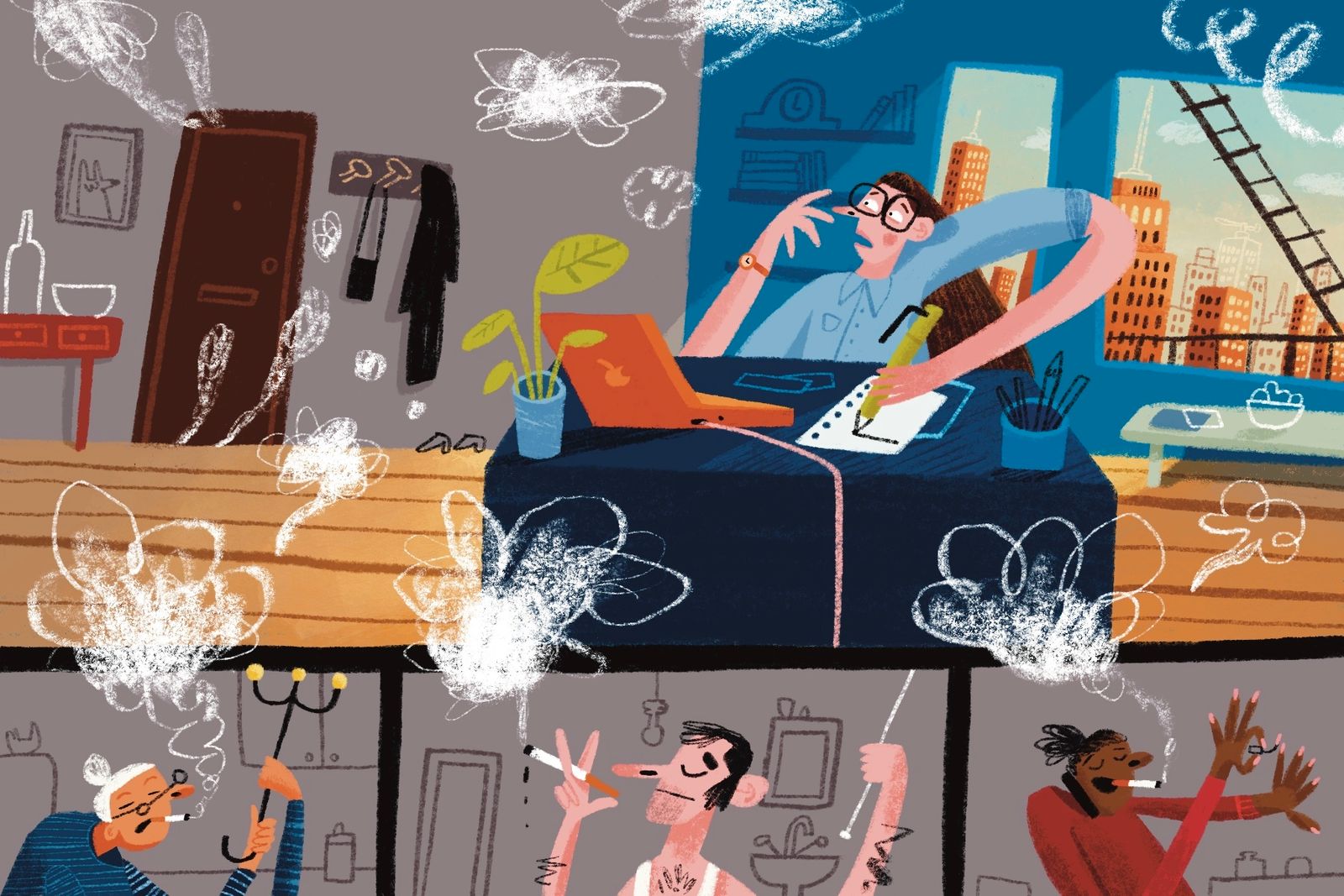
Late last November, as winter’s chill began to settle over New York City, a more insidious element infiltrated a co-op apartment: the persistent and noxious odor of cigarette smoke. What began as an intermittent nuisance, initially attributed to a neighbor’s occasional indulgence, rapidly escalated into a pervasive environmental assault, transforming the living space into an atmosphere reminiscent of outdated, smoke-filled public establishments. This unexpected and unwelcome contamination posed significant health concerns and prompted a rigorous investigation into its origin and potential mitigation strategies, highlighting the challenges of maintaining indoor air quality in densely populated urban residential complexes.
The Escalation of an Unseen Threat
The initial detection of cigarette smoke was subtle, gradually intensifying over approximately an hour. The resident, accustomed to the city’s ambient urban environment, initially dismissed the faint scent as a temporary occurrence. However, by early December, the infiltration had become a constant and overwhelming presence, saturating the apartment with a stale, acrid odor. This was not merely an unpleasant smell; the air quality deteriorated to such an extent that it induced physical symptoms, including severe headaches and stinging eyes. The pervasive nature of the smoke meant that personal belongings, including furniture and hair, absorbed the pungent odor, creating a constant reminder of the unwelcome intrusion.
The city of New York implemented a comprehensive smoking ban in most public indoor spaces in 2018, reflecting a broader public health initiative. However, the regulatory landscape for private residences within co-operative buildings, like the one affected, presents a nuanced challenge. While common areas are typically designated as smoke-free, individual units often fall under the discretion of their owners or residents, allowing for smoking within private confines. This regulatory gap meant that despite the city’s progressive stance on public smoking, residents in multi-unit dwellings could still be exposed to secondhand smoke migrating from neighboring apartments. The affected building, in particular, had a known floor where heavy smoking was prevalent, leading to occasional smoke odors in shared spaces like elevators, yet this had never before translated into direct, continuous infiltration into the resident’s unit.
Anatomy of an Investigation and Its Frustrations
Faced with a deteriorating living environment and mounting health discomfort, the resident initiated a methodical investigation. Initial efforts involved canvassing adjacent, above, and below neighbors to ascertain if a temporary gathering, such as a Thanksgiving celebration with smoking guests, was the source. The spirit of co-operation, fundamental to co-op living, suggested a polite request to smoke outdoors or near a window might resolve the issue. However, these inquiries yielded no leads; no immediate neighbors reported similar issues, nor admitted to indoor smoking.
Building management was subsequently contacted, but their response offered neither insight into the problem’s origin nor viable solutions. This lack of immediate recourse underscored the systemic difficulties in addressing such issues in large residential structures, where pinpointing the exact source of airborne pollutants can be complex.
As the smoke continued unabated, the resident meticulously began logging the incidents. This detailed chronology revealed the alarming frequency and duration of the smoke infiltration, impacting multiple rooms including the living room, bedroom, and even the vanity area beneath the bathroom sink, suggesting a systemic issue with the building’s ventilation or structural integrity. An excerpt from the log illustrates the relentless nature of the problem:
- Weds Nov 26:
- 11:59 a.m. – Cigarette smoke detected in living room.
- 2:44 p.m. – Cigarette smoke present.
- 3:55 p.m. – Cigarette smoke present.
- 4:58 p.m. – Cigarette smoke present.
- Result: Terrible headache, stinging eyes, four Advil consumed by 5 p.m. Resident sought fresh air outdoors.
- 7:01 p.m. – Cigarette smoke present.
- 7:15 p.m. – Cigarette smoke detected in bedroom.
- Result: Headache continues. Hair and all furniture permeated with smoke odor.
- 10:19 p.m. – Cigarette smoke present.
- 11:19 p.m. – Cigarette smoke present.
- 11:54 p.m. – Cigarette smoke present.
- Action: Resident went to bed with window open despite 40-degree Fahrenheit weather.
Desperate for relief, rudimentary home remedies were attempted, including placing large bowls of vinegar around the apartment, a common but ultimately ineffective method for neutralizing pervasive odors. A personal, now-discontinued BlueAir 411+ air purifier, while effective during the extreme wildfire smoke events of 2023 that cast an apocalyptic orange glow over the New York skyline, proved inadequate against the constant influx of cigarette smoke. Its quiet operation and aesthetic appeal were overshadowed by its inability to cope with the sheer volume of toxic particles.
The Health Imperative: Understanding Secondhand Smoke
The gravity of the situation extended beyond mere discomfort. Secondhand smoke, also known as environmental tobacco smoke (ETS), is a well-established public health hazard. The U.S. Environmental Protection Agency (EPA) classifies secondhand smoke as a Group A carcinogen, meaning it is known to cause cancer in humans. According to the Centers for Disease Control and Prevention (CDC), there is no safe level of exposure to secondhand smoke. It contains over 7,000 chemicals, including hundreds that are toxic and at least 69 that are known to cause cancer.
Exposure to secondhand smoke can lead to serious health consequences, including:
- Cardiovascular Disease: Non-smokers exposed to secondhand smoke increase their risk of developing heart disease by 25-30%. It can damage blood vessels and increase the risk of heart attack and stroke.
- Respiratory Illnesses: It exacerbates asthma symptoms, particularly in children, and increases the risk of acute respiratory infections, chronic bronchitis, and emphysema.
- Lung Cancer: Non-smokers living with a smoker have a 20-30% greater risk of developing lung cancer.
- Irritation: Immediate symptoms like eye irritation, headaches, nausea, and throat soreness are common, mirroring the resident’s experience.
The particulate matter (PM2.5) in cigarette smoke is particularly insidious. These fine particles, measuring 2.5 micrometers or less in diameter, are small enough to penetrate deep into the lungs and even enter the bloodstream, causing systemic inflammation and damage. The concentration of these particles, along with volatile organic compounds (VOCs) like benzene and formaldehyde, makes prolonged exposure profoundly detrimental.
Seeking Advanced Technological Solutions
Recognizing the severity of the health implications and the inadequacy of conventional approaches, the resident decided to escalate the mitigation efforts. Drawing on extensive research from online forums and expert recommendations concerning cigarette smoke filtration, two high-performance, HEPA-grade air purifiers were acquired for testing. These units, provided by their respective brands for evaluation, represented a significant investment in advanced air purification technology, offering a potential reprieve from the toxic atmosphere. The goal was to assess their efficacy in filtering out the harmful particulates and ameliorating the putrid stench.
Airthings Renew: Nordic Design Meets Filtration Power
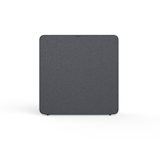
The first advanced unit to arrive was the Airthings Renew, priced at $299.99. This smart air purifier boasts a design aesthetic inspired by "the beauty of Nordic landscapes and interiors," featuring a discrete steely gray exterior. It integrates a robust four-stage filtration system, including activated charcoal for odor absorption and a HEPA-13 filter. HEPA-13 filters are designed to capture 99.97% of airborne particles as small as 0.3 micrometers, encompassing the vast majority of smoke particulates, dust, pollen, and pet dander. The system also includes two washable pre-filters, extending the life of the primary filters. A key feature is its "high-precision laser-based particulate matter sensor," designed to detect minute changes in air quality and automatically adjust filtration intensity.
Positioned in the resident’s 500-square-foot, open-plan living room and kitchen, the Airthings Renew immediately set to work. Its aesthetic, while leaning towards a high-end speaker or a minimalist computer tower, was secondary to its function during this critical period. The unit also thoughtfully includes a cable compartment for tidy cord management. Initial setup involved an accompanying mobile application for remote control and air quality monitoring. This app, while offering granular data on various air quality metrics (including pollen forecasts), presented compatibility issues with older iPhone operating systems, necessitating an OS update on a laptop to access its full functionality. Once operational, the app’s real-time air quality graphs became a crucial monitoring tool, allowing the resident to track spikes in particulate matter and correlate them with the ingress of smoke.
Upon activation, the Renew’s sensors detected the severely compromised air quality and initiated its filtration process with considerable force. Within an hour, a noticeable improvement in breathability was reported, providing significant relief from the constant struggle for oxygen. However, the deeply embedded cigarette odor, which had permeated furniture and soft furnishings over weeks, proved more resistant to eradication by the purifier alone. This observation highlights a key distinction: while air purifiers excel at removing airborne particles and some volatile organic compounds, they cannot instantly reverse the saturation of porous materials with persistent odors. The unit’s laser sensor demonstrated extreme sensitivity, triggering maximum filtration during routine cooking activities, such as a stir-fry, and even reacting to the fine mist from an aromatherapy diffuser, underscoring its precise detection capabilities for any airborne particulates or VOCs. Despite its effective performance, the unit’s operating noise on high settings, while not overtly invasive, was perceptible, akin to a constant hum. Its automated, diligent operation, however, drew parallels to other smart home devices like robot vacuums, embodying a promise of effortless environmental control.
RabbitAir A3: Premium Performance and Aesthetic Integration
Following the initial test with the Airthings Renew, which had significantly improved the breathable air but allowed the embedded stench to return once unplugged, the RabbitAir A3 was introduced. This ultra high-end apparatus, retailing at $749.95, positions itself as a premium solution, not only for air purification but also for aesthetic integration. It offers customizable filter options, including a specialized odor remover filter, and features attachable art panels, allowing it to blend seamlessly into interior design, particularly if wall-mounted. The resident selected an Italian Renaissance-inspired "Vase of Flowers" panel, acknowledging the device’s potential to transcend mere utility.
The A3 is designed with wall-mounting in mind, typically recommended at three to five feet from the floor for optimal air circulation. However, as a top-filtering purifier, it also performed effectively when placed on the floor. Thoughtful design elements included a small spirit level for precise installation and a Velcro strap for organizing its electrical cord. Like the Renew, the RabbitAir operates via a user-friendly mobile application, providing intuitive control and monitoring. An additional feature that resonated with the resident was its selection of LED mood lighting, offering purple, cyan, yellow, or a softly shifting rainbow, adding a customizable ambiance.
Upon activation, the RabbitAir A3 similarly registered the "POOR" air quality and initiated its powerful filtration system. It was noted to be slightly quieter than the Renew, even on its highest setting, described as a "very delicate white noise machine." The perceived rate of smoke removal was slightly faster, and while the pervasive odor remained, it diminished more noticeably than with the previous unit. The RabbitAir’s advanced 6-stage filtration system, featuring its proprietary BioGS HEPA filter, targets even the smallest and most challenging particles. Its effectiveness was further demonstrated during household cleaning activities involving bleach and vinegar, where it rapidly processed the emitted fumes, indicating its broad spectrum filtration capabilities. Within hours of its initial operation, the app-reported air quality transitioned from "POOR" to "FAIR" and then to "EXCELLENT," signifying a dramatic improvement in the indoor environment.
Both the Airthings Renew and the RabbitAir A3 exhibited remarkable sensitivity to various airborne compounds, consistently increasing their fan speed in response to desired scents from aromatherapy diffusers or lit candles. While this indicated their precision and effectiveness, it occasionally necessitated turning them off to preserve ambient fragrances, underscoring their comprehensive approach to air purification.
Resolution and Broader Implications
After weeks of relentless battle against the smoke, the infiltration problem resolved as suddenly as it began. One day, the smoke simply ceased, leading to the inference that the source was likely a structural issue, possibly a busted air vent on the building’s roof, rather than a specific tenant’s habit. This unforeseen resolution provided immense relief, as the ongoing environmental stress had led to significant distress and consideration of relocating.
The experience highlights several critical implications for urban living and public health:
- Indoor Air Quality as a Public Health Concern: The incident underscores that indoor air quality, particularly in multi-unit dwellings, is a significant determinant of health and well-being. Exposure to secondhand smoke, even indirectly, can lead to severe health consequences.
- Challenges in Multi-Unit Regulations: The discretion afforded to co-op residents regarding smoking within their private units creates a loophole in broader public health regulations, leading to potential conflicts and health risks for non-smoking neighbors. Addressing this often requires nuanced co-op board policies, robust ventilation systems, and clear communication channels.
- The Role of Advanced Filtration: High-efficiency air purifiers, particularly those with HEPA-13 and activated charcoal filters, represent a vital tool for mitigating indoor air pollution. While they cannot replace source control, they offer substantial protection by removing harmful particulates and many volatile organic compounds, significantly improving breathable air quality.
- Investment in Health: The cost associated with these advanced purifiers ($299.99 for the Airthings Renew, $749.95 for the RabbitAir A3) reflects a necessary investment in health and quality of life when faced with persistent indoor air pollution. The RabbitAir A3, with its slightly superior performance and additional features like a negative ionizer, justifies its higher price point for those seeking maximal protection.
- Building Maintenance and Infrastructure: The presumed cause of the smoke infiltration—a faulty building vent—points to the critical importance of regular and thorough maintenance of building infrastructure. Older buildings, in particular, may have ventilation systems that are not adequately sealed or designed to prevent cross-unit air transfer, requiring proactive upgrades and inspections.
Both the Airthings Renew and the RabbitAir A3 proved invaluable in providing tangible relief during the months of smoke inundation. While the underlying problem eventually resolved through an external factor, the purifiers were instrumental in making the living environment habitable and protecting the resident’s health. The continued use of these devices, even after the smoke subsided, reflects a newfound appreciation for optimal indoor air quality, ensuring that the oxygen within the apartment remains consistently "crisper." The efficacy of these technological solutions, validated by the resident’s improved well-being and continued occupancy of the apartment, serves as a testament to their critical role in safeguarding health against unseen environmental threats.