 admin
admin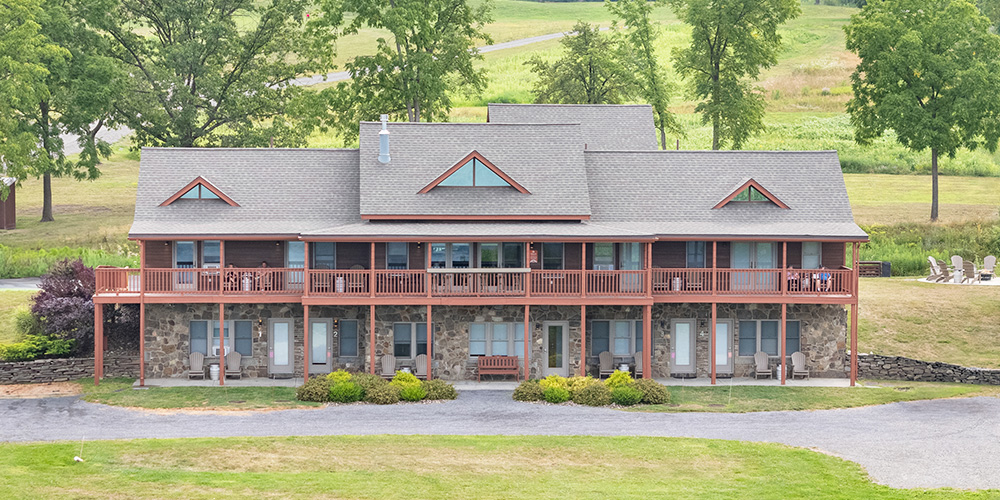
Across the United States, a significant shift in the craft brewing industry is underway as producers move beyond the traditional taproom model to embrace the burgeoning "experience economy." Independent brewers are increasingly transforming historic landmarks, rustic barns, and scenic bungalows into boutique accommodations, effectively rebranding the brewery visit as a multi-day "beercation." This evolution reflects a broader trend in the hospitality sector where consumers prioritize immersive, brand-centric storytelling over standardized lodging. From the rugged cliffs of the Columbia River Gorge to the alpine slopes of Vermont, these brewery stays offer a fusion of craft beverage culture and high-end hospitality, providing a strategic avenue for brand loyalty and revenue diversification in a competitive market.
The Evolution of Craft Beer Tourism
The concept of beer tourism has undergone a radical transformation over the last four decades. In the 1980s and 1990s, the primary draw for enthusiasts was the "microbrewery" tour—a brief glimpse behind the scenes of production followed by a tasting flight. However, as the number of craft breweries in the U.S. climbed past 9,000, according to data from the Brewers Association, the market reached a point of saturation that necessitated innovation.
Industry analysts note that the modern consumer, particularly within the Millennial and Gen X demographics, seeks "slow travel" experiences that foster a deeper connection with the source of their products. This shift has pushed breweries to transition from being mere production facilities to becoming "lifestyle destinations." Lodging serves as the ultimate expression of this transition, allowing a brand to curate every aspect of a guest’s environment, from the linens on the bed to the beverage in the shower.
Strategic Adaptive Reuse and the PNW Cabin Culture
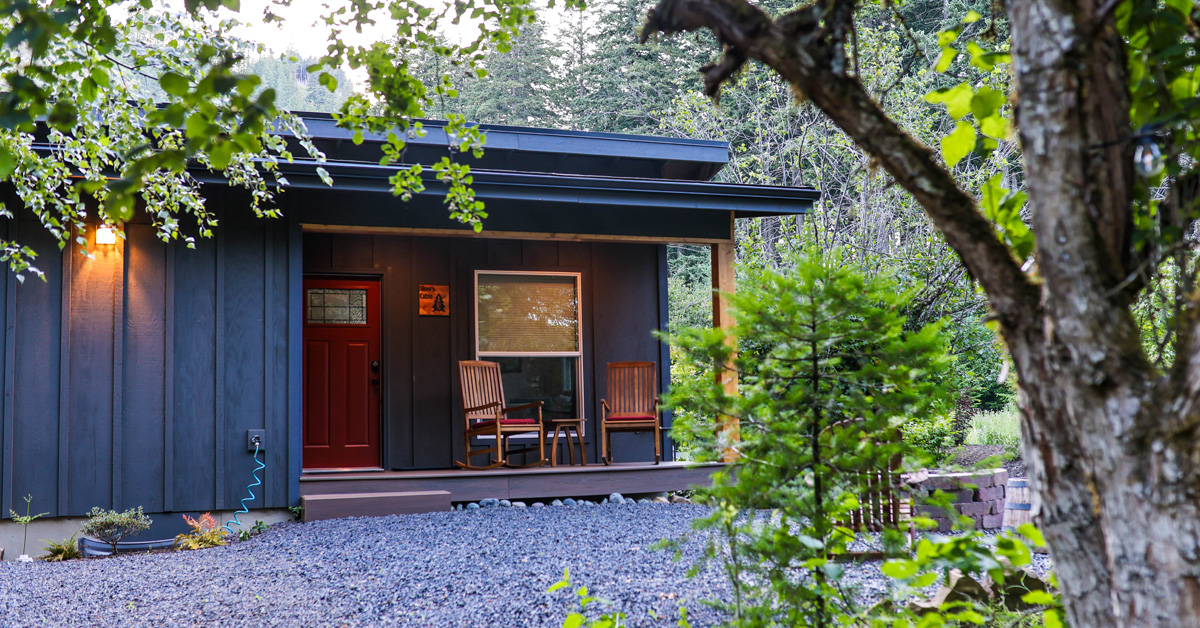
One of the most prominent examples of this trend is found in Carson, Washington, where Backwoods Brewing Company has integrated luxury lodging into the scenic landscape of the Columbia River Gorge. Strategically located within driving distance of Portland and Seattle, the brewery identified a gap in the local market for high-quality, themed accommodations that catered to outdoor enthusiasts.
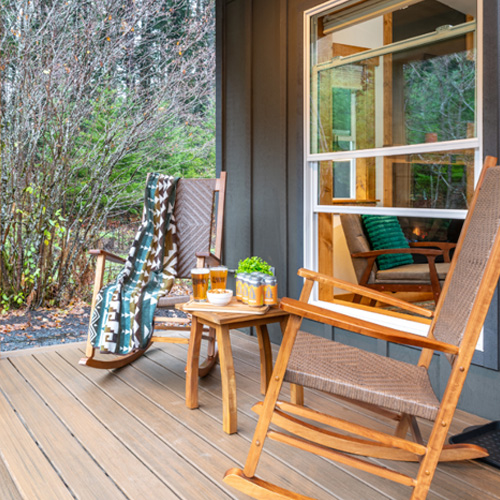
Under the leadership of CEO Steve Waters, the brewery launched Backwoods Cabins, a collection of eight luxury units designed to mirror the regional ethos of "cabin-core" comfort. Each cabin is themed—Hiker’s, Kayaker’s, and Stargazer’s—to align with the activities that draw visitors to the Gorge. The investment in high-thread-count sheets, gas fireplaces, and hops-scented amenities represents a calculated move to elevate the brand from a local pub to a premium getaway.
Waters notes that the integration of lodging and brewing is symbiotic. By offering guests the ability to add curated beer packages to their room bookings, the brewery increases its direct-to-consumer sales while ensuring that the brand remains the focal point of the guest’s stay. The taproom serves as the social hub for these guests, who can sample flagship offerings like the Party Acres Hazy IPA or the Ridge Run Oatmeal Stout before retreating to their private porches.
The Alpine Model: Heritage and Precision in Vermont
In Stowe, Vermont, the von Trapp Family Lodge exemplifies the intersection of historical legacy and craft brewing. While the von Trapp name is globally recognized through "The Sound of Music," the family’s 2,600-acre estate has become a cornerstone of American lager production. Founded by Johannes von Trapp, the brewery was established with the specific intent of recreating the crisp, clean lagers of his European heritage—styles that were often overlooked during the early American IPA boom.
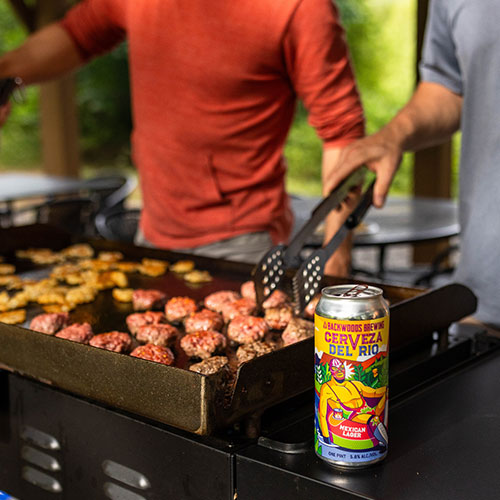
The von Trapp model is one of total immersion. Guests at the lodge are not merely staying near a brewery; they are staying on a working farm and forest that provides the natural spring water used in the brewing process. The 2010 opening of the brewery was a strategic expansion of the family’s hospitality empire, which dates back to the 1940s. Today, the Bierhall serves Austrian-inspired cuisine, such as schnitzel and house-made bratwurst, paired with award-winning Helles and Kölsch-style ales. This holistic approach reinforces the brand’s identity as a guardian of European tradition within the American craft landscape.
Finger Lakes Innovation: Integrating Lodging and Leisure
In the Finger Lakes region of New York, Grist Iron Brewing took an unconventional path by prioritizing lodging from the outset. When the founders scouted the location in Watkins Glen, they selected a property that already featured guest rooms, recognizing that the region’s burgeoning wine and beer trails required robust overnight infrastructure.
The Lodge at Grist Iron has since become a benchmark for "beer-centric" design. The rooms feature black-and-white murals depicting the brewing process and, most notably, built-in shower ledges specifically designed to hold a "shower beer." According to marketing coordinator Emily Knowlden, these touches are more than just gimmicks; they are "on-brand" moments that turn routine activities into memorable vacation highlights.
Grist Iron has further expanded its "resort" credentials by introducing "Beer Mountain," a multi-use outdoor space featuring a disc golf course and a dog park with an on-site bar. This diversification allows the brewery to capture a wider share of the guest’s weekend spend, moving beyond the price of a pint to include lodging, recreation, and pet-friendly amenities.
Market Data and Economic Impact
The economic rationale for brewery-based lodging is supported by broader tourism trends. According to the 2023 Craft Beer Tourism Report, travelers who visit breweries are likely to spend significantly more per trip than the average tourist, often seeking out local food and unique accommodations. Furthermore, the Brewers Association reports that craft beer contributed over $72 billion to the U.S. economy in recent years, with a substantial portion of that growth coming from "hospitality-forward" establishments.
For small and independent breweries, lodging offers a higher margin of profit compared to wholesale distribution. By selling beer directly to guests staying on-property, breweries bypass the costs associated with packaging, shipping, and middleman markups. Additionally, overnight stays provide a captive audience for brand storytelling, which can lead to long-term loyalty and increased e-commerce sales once the guest returns home.
Diverse Architectural Approaches: From Schools to "Crash Pads"
The trend of brewery lodging is characterized by its architectural diversity. In the Pacific Northwest, McMenamins has become a leader in the adaptive reuse of historic buildings. The company specializes in converting former schools, churches, and poor farms into eclectic hotel-brewery hybrids. These properties often feature "secret" bars and extensive original artwork, preserving local history while providing a platform for their signature brews, such as the Ruby Ale and Hammerhead Pale Ale.
In Fargo, North Dakota, Drekker Brewing has pushed the boundaries of branding with "The Brewhalla Crash Pad." Each room in the boutique hotel is themed after a specific Drekker beer, using industrial design elements like polished concrete and vibrant murals to mirror the "psychedelic" aesthetic of their labels. This hyper-branded approach targets a younger demographic that values "Instagrammable" environments and experimental beer styles, such as the Brain Squeeze smoothie sour series.
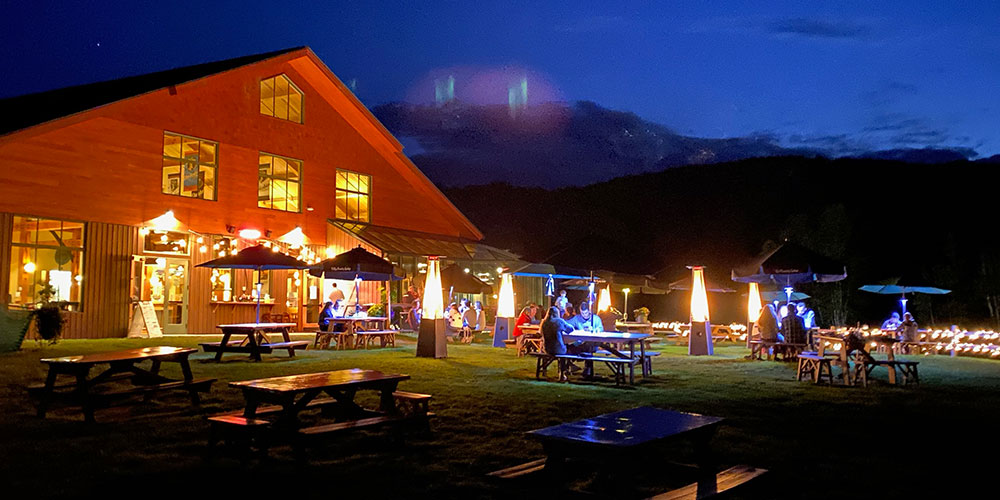
Similarly, the Commerce Street Brewery Hotel in Wisconsin and the Calistoga Inn in California offer localized, historic experiences. The Calistoga Inn, notably the first commercial brewery in Napa Valley since Prohibition, uses its lush beer garden and inn to provide a relaxed alternative to the region’s more formal wine-tasting rooms.
Implications for the Future of the Industry
The rise of brewery-based lodging suggests a permanent shift in how craft brands interact with their audience. As the market continues to mature, the breweries that thrive will likely be those that can offer a "total experience" rather than just a quality product.
This trend also has significant implications for local economies. By creating destination-style resorts, breweries are helping to revitalize rural areas and historic districts, drawing visitors who might otherwise bypass small towns. The "beercation" model encourages longer stays and higher per-capita spending, benefiting neighboring businesses and creating a more resilient local tourism ecosystem.
In conclusion, the transformation of breweries into boutique lodging destinations represents a sophisticated evolution of the craft beer movement. By blending production with hospitality, these brewers are not only securing their financial future but are also providing beer lovers with a unique way to connect with the heritage, craft, and community behind their favorite pints. As more breweries look to diversify their offerings, the "beercation" is set to become a staple of the American travel landscape.