 admin
admin
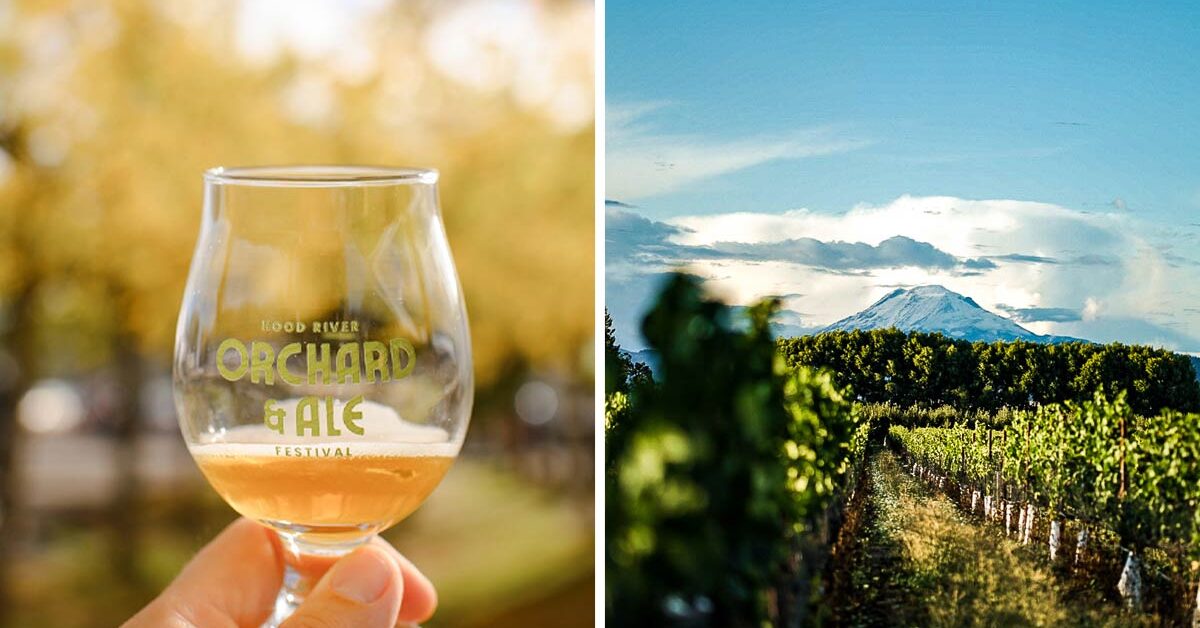
The inaugural Hood River Orchard and Ale Festival recently marked a significant milestone in the Pacific Northwest’s beverage landscape, centering national attention on a town of just over 8,000 residents that arguably maintains the highest density of world-class craft breweries per capita. Held on the scenic waterfront of the Columbia River, the event served as both a celebration of the region’s agricultural heritage and a showcase for the sophisticated brewing techniques that have emerged from the Columbia River Gorge. While the festival highlighted the technical prowess of local brewers, it also underscored the environmental challenges and unique geographical advantages that define Hood River’s identity as a premier destination for beer tourism.
The Environmental Context of the Columbia River Gorge
The festival’s location on the banks of the Columbia River provided more than a picturesque backdrop; it offered a direct encounter with the elemental forces that shape the region’s products. The Gorge, an ancient canyon carved through the Cascade Mountain Range, functions as a natural wind tunnel. On the day of the event, early-October gusts—typical for a region world-renowned for windsurfing and kiteboarding—provided a rigorous test for event logistics. Observers noted that the steady winds were strong enough to displace standard festival infrastructure, such as lightweight tasting cups and waste receptacles, highlighting the rugged conditions that brewers and farmers in the area navigate daily.
However, these same geographical features are the primary drivers of the region’s brewing success. The Hood River watershed, fed by snowmelt from the 14,000-foot peaks of the Cascade Mountains, provides a water source of exceptional purity. As the water filters through layers of volcanic basalt rock, it emerges as a soft, clean base with a specific mineral profile that is ideal for brewing. This "soft" water allows brewers to produce delicate lagers and bright, hop-forward ales without the need for extensive chemical adjustments, a luxury that many breweries in other parts of the world do not possess.
A Chronology of Brewing Excellence in Hood River
The development of Hood River’s beer scene follows a timeline that mirrors the broader evolution of the American craft beer movement. The foundation was laid in 1987 with the establishment of Full Sail Brewing Co. As one of the original craft pioneers in Oregon, Full Sail utilized the town’s unique resources long before "craft beer" was a household term. While the brewery remains a cornerstone of the community, continuing to produce its flagship malty-spicy Amber Ale, it has successfully pivoted to modern consumer demands, expanding its portfolio to include West Coast and hazy IPAs.
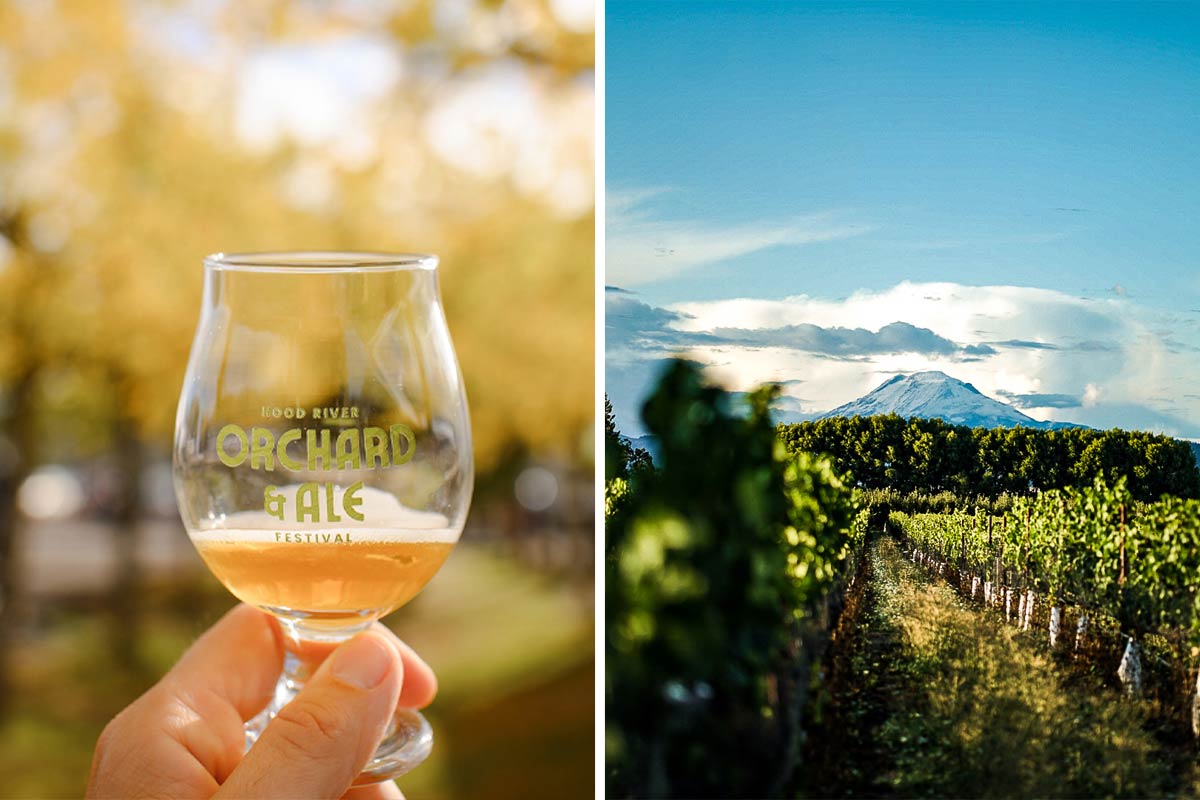
The second wave of growth occurred in the mid-2000s, punctuated by the 2007 opening of Double Mountain Brewery. This institution helped solidify Hood River’s reputation for hop-forward experimentation and high-quality "fresh hop" beers, which utilize hops harvested and used within 24 hours. The proximity to the Willamette Valley—one of the world’s most productive hop-growing regions—allows Hood River brewers access to fresh Strata, Citra, and Mosaic hops that are often unavailable to brewers in other states.
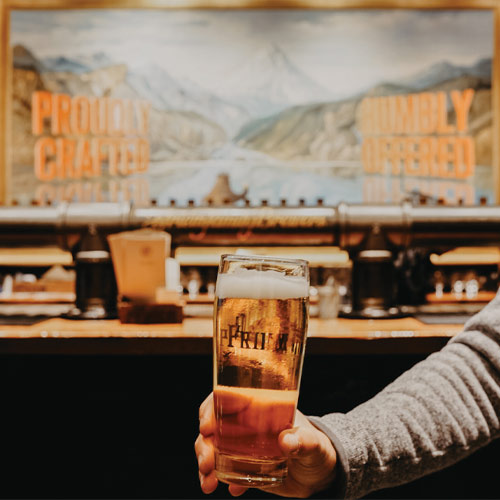
In 2012, the arrival of pFriem Family Brewers signaled a shift toward European-inspired sophistication. pFriem has since become a regional powerhouse, garnering national acclaim for its adherence to traditional Belgian and German styles. Their presence on the waterfront has created a hub for aficionados seeking precision-engineered pilsners and complex barrel-aged sours. This was followed by the 2018 opening of Ferment Brewing Company, which introduced a farmhouse-centric philosophy to the local scene, focusing on local "terroir" by incorporating regional ingredients like Oregon strawberries into their fermentation profiles.
The momentum has continued into the current decade with the 2023 opening of Hood River Brewing Company and the 2025 launch of The Walled Garden, a public house by Kings & Daughters Brewery. These newer additions represent the modern era of the industry, focusing on community-centric spaces and niche styles, ranging from Mexican-style lagers to specialized hazy IPAs.
Supporting Data: The Economic and Agricultural Synergy
The Orchard and Ale Festival is a strategic recognition of the symbiotic relationship between Hood River’s breweries and its agricultural sector. Hood River County is the world’s leading producer of Anjou pears and a major contributor to the nation’s apple and cherry harvests. The "Orchard" component of the festival name reflects the increasing crossover between these industries, as more breweries experiment with fruit-infused ales and local cideries gain traction.
According to data from the Oregon Brewers Guild, the craft beer industry contributes over $2.4 billion to the state’s economy annually. In a small community like Hood River, the impact is magnified. The brewing industry accounts for a significant portion of local employment and is the primary driver of the tourism sector. Visitors to the Gorge often plan itineraries around "brewery hopping," moving from the waterfront establishments like pFriem and Ferment to the downtown corridor featuring Double Mountain and Full Sail, and finally to "the heights" to visit specialized operations like Working Hands Fermentation.
Working Hands Fermentation represents a specific trend within the Hood River market: the resurgence of the bottom-fermented lager. While IPAs dominate the American market, Hood River has seen a surge in demand for technical styles like Schwarzbier (dark lager) and Czech-style pilsners. This shift suggests a maturing palate among beer tourists, who are increasingly seeking out breweries that can master clean, subtle styles that leave no room for technical error.
Official Responses and Industry Implications
Organizers of the Hood River Orchard and Ale Festival indicated that the event was designed to fill a gap in the autumn event calendar, capitalizing on the "fresh hop" season and the harvest peak of the local orchards. Industry analysts suggest that festivals of this nature are essential for maintaining the visibility of small-town brewing hubs in an increasingly crowded national market.
"The goal is to show that Hood River isn’t just a place where beer is made; it’s a place where the environment dictates the beer," stated one local industry consultant. "From the basalt-filtered water to the hops that grow an hour away, this is a closed-loop ecosystem of quality."
The success of the inaugural event has also sparked discussions regarding sustainability and infrastructure. As the town of 8,000 continues to attract hundreds of thousands of visitors annually, local officials are balancing the economic benefits of being a "beer destination" with the need to preserve the natural resources—specifically the watershed—that make the industry possible.
Broader Impact and Future Outlook
The Hood River model offers a blueprint for other rural communities looking to leverage natural resources for economic development. By focusing on quality over quantity and maintaining a tight connection to local agriculture, Hood River has insulated itself against some of the volatility seen in the broader national craft beer market, where growth has slowed in recent years.
Furthermore, the "terroir" of the Columbia River Gorge is becoming a recognized brand in its own right. Much like the wine regions of Napa Valley or Willamette Valley, the Gorge is being identified by its specific flavor profile: clean, mineral-forward, and intensely aromatic. The Orchard and Ale Festival serves as an annual audit of this profile, allowing brewers to showcase how each year’s climate and harvest affect the final pour.
As the industry looks toward the late 2020s, the challenges will likely involve managing the effects of climate change on water temperatures and hop yields. However, the foundational infrastructure of Hood River—its volcanic filtration, its proximity to the Willamette Valley, and its deeply entrenched culture of brewing excellence—positions it to remain a leader in the global craft beer conversation. For the attendees of the inaugural festival, the experience was a reminder that in Hood River, the beer is not just a beverage; it is a liquid representation of the landscape itself.
The festival concluded with a clear mandate for the future: to continue the integration of the "Orchard" and the "Ale." As long as the snow melts off the Cascades and the wind blows through the Gorge, Hood River’s breweries will likely continue to produce some of the most sought-after beers in North America, maintaining their status as the gold standard for quality-per-capita in the brewing world.