 admin
admin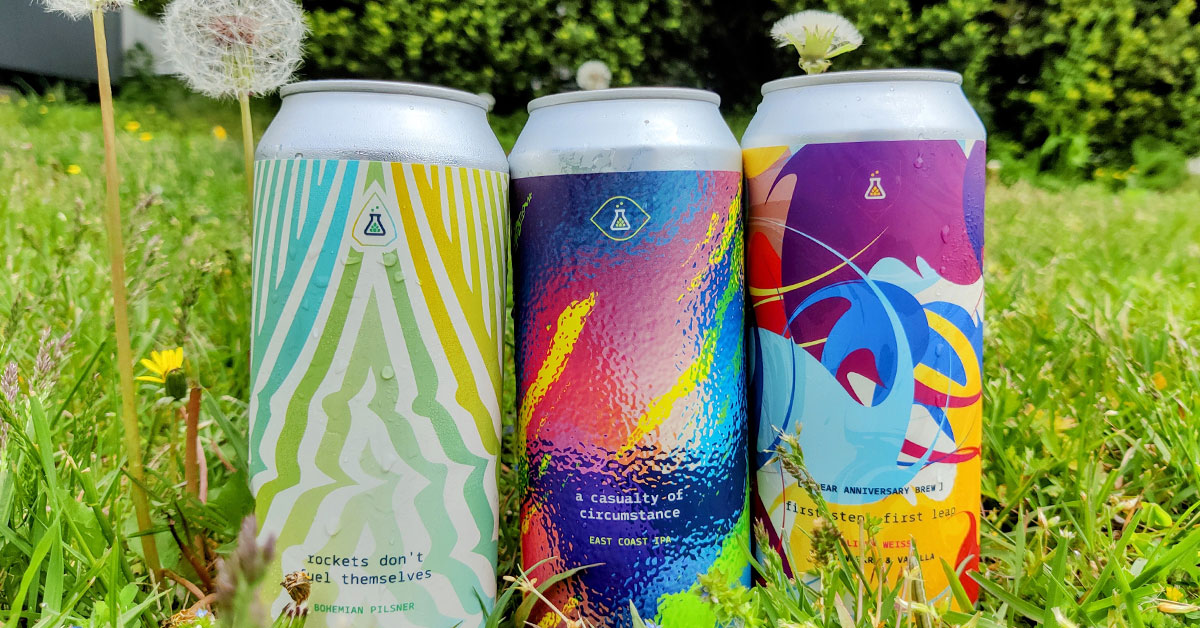
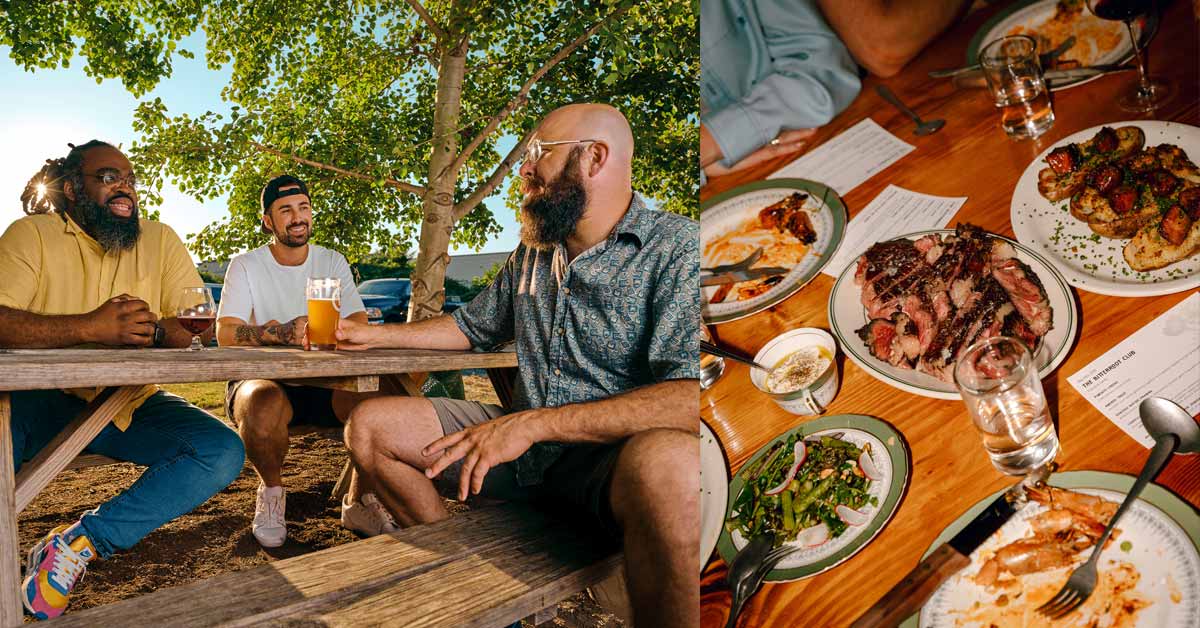
The North Fork of Long Island, long celebrated as the "Napa Valley of the East," is undergoing a significant cultural and economic transformation as a robust craft brewery scene rises to complement its world-renowned wine industry. While the region’s identity has been anchored in sprawling vineyards and the production of high-quality Cabernet Franc and Pinot Blanc since the 1970s, the eastern edge of Long Island is now earning a formidable reputation for its IPAs, Pilsners, sours, and stouts. This shift represents more than a change in consumer preference; it is the maturation of an agrotourism ecosystem that leverages the region’s rich soil and historical farming traditions to create a diverse destination for beverage enthusiasts.
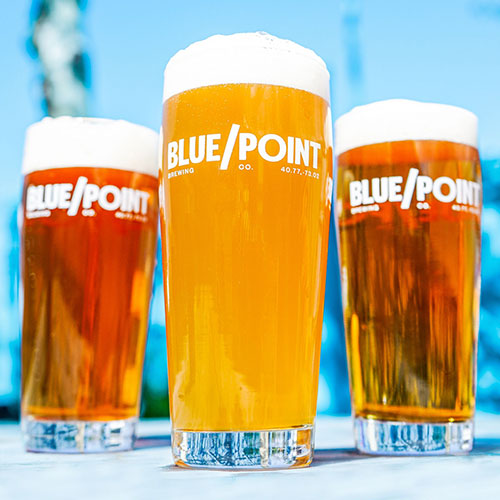
The expansion of the North Fork’s "alcohol trail" is the result of a decades-long trajectory that began with the regional success of Blue Point Brewing in 1998. However, the true explosion of craft beer within the North Fork’s specific microclimate has occurred over the last ten to fifteen years. Today, award-winning establishments such as Greenport Harbor Brewing Company, Jamesport Brewery, Eastern Front Brewing, Übergeek Brewery, Twin Fork Beer Co., and North Fork Brewing Company have become essential fixtures of the local landscape. These breweries are not merely alternative venues for tourists; they are integral participants in the region’s agricultural economy, utilizing local ingredients and collaborating with neighboring wineries to define a unique "terroir" for Long Island beer.
The Chronology of the North Fork Brewing Movement
The development of the North Fork’s brewing industry can be categorized into three distinct phases: the early pioneers, the legislative boom, and the current era of hyper-local specialization. Following the success of Blue Point in nearby Patchogue, the North Fork saw its first major dedicated craft brewery in 2009 with the opening of Greenport Harbor Brewing Company. Founded in a small, renovated firehouse in the village of Greenport, the brewery served as a proof-of-concept for the viability of craft beer in wine country.
The second phase was catalyzed by the 2012 New York State Craft Act, which introduced the "Farm Brewery" license. This legislation provided significant tax incentives and allowed breweries to operate tasting rooms and sell related products, provided they used a certain percentage of New York State-grown ingredients. This led to a surge in new openings between 2014 and 2018, including Twin Fork Beer Co. and North Fork Brewing Company.
The third and current phase is defined by rapid expansion and sophisticated branding. Greenport Harbor, for instance, expanded in 2014 to a second, much larger location in Peconic. This site includes a state-of-the-art kitchen and several acres of outdoor space, reflecting a shift toward the "brewery-as-destination" model. More recently, in 2021, Übergeek Brewery took over the former Moustache Brewing space in Riverhead, signaling a new generation of brewers who bring scientific precision and experimental philosophies to the craft.
Supporting Data: The Economic Engine of Agrotourism
The growth of the North Fork beer scene is supported by broader economic trends in New York State. According to data from the New York State Brewers Association, the number of craft breweries in the state has grown from 95 in 2012 to more than 500 in 2024. Suffolk County, which encompasses the North Fork, remains one of the state’s most productive agricultural regions, and the integration of brewing into this sector has boosted local revenue.
Agrotourism serves as the primary driver for these businesses. Industry reports indicate that visitors to the North Fork often participate in "trail-based" tourism, where they visit multiple establishments in a single trip. The inclusion of breweries on these trails has expanded the demographic appeal of the region, attracting younger travelers and those who prefer malt-based beverages over viticulture. This diversification is critical for the local economy, particularly during the shoulder seasons of late summer and autumn, when the harvest brings a peak in visitor volume.
Profiles in Fermentation: The Leaders of the Craft Scene
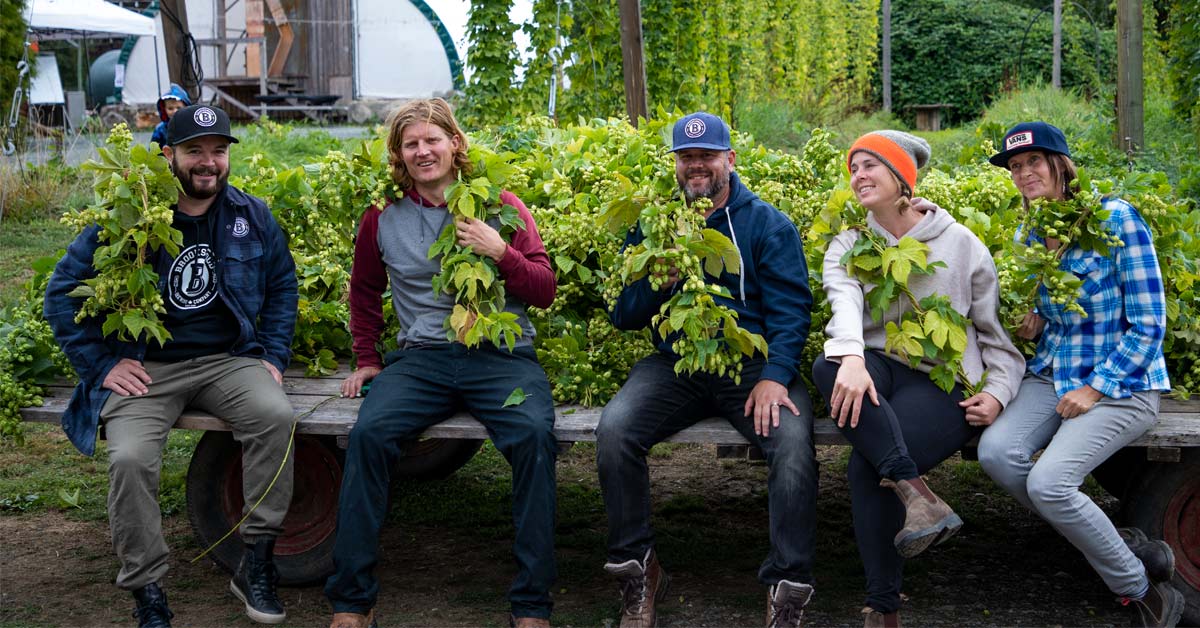
The success of the North Fork’s brewing industry is largely attributed to the vision of its lead brewers and owners, who have transitioned from amateur experimentation to professional excellence. Sean Galligan, the head brewer at Greenport Harbor Brewing, emphasizes the importance of providing a "brewing oasis" within the traditional wine country. Galligan’s portfolio includes flagship beers such as the Harbor Ale and Otherside IPA, many of which utilize New York State-grown malt. His commitment to the region is exemplified by his use of Cascade and Willamette hops harvested from Orient Point, which are picked and brewed within the same day for limited-release fresh hop beers.
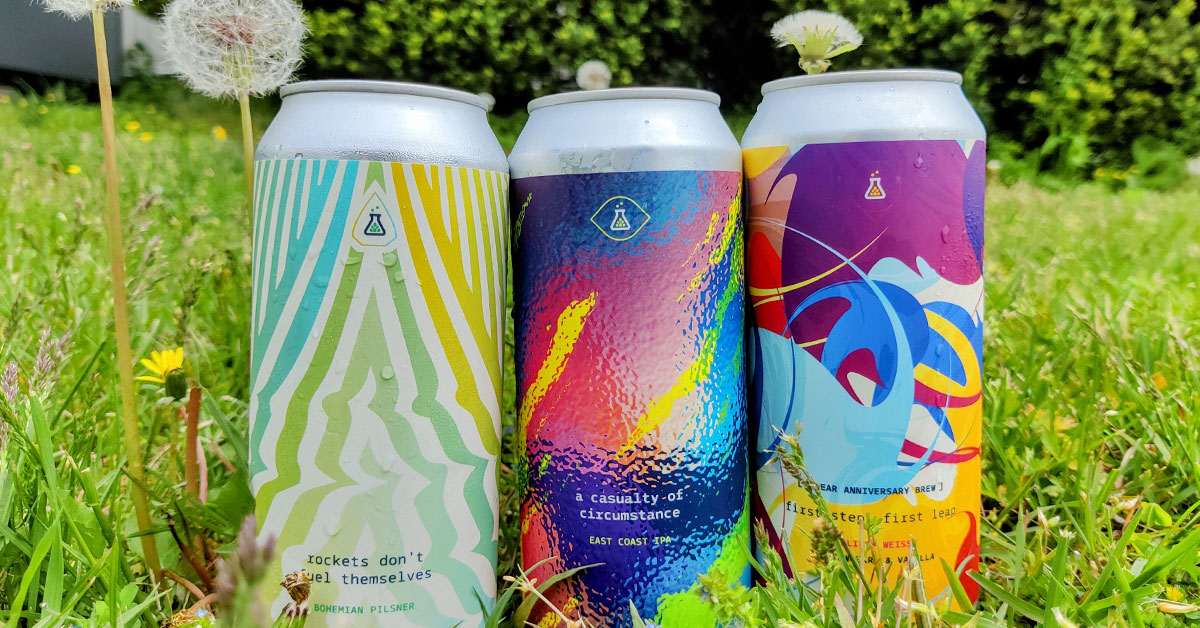
In Riverhead, Rob Raffa of Übergeek Brewery represents the intersection of science and brewing. A former student of physics and astrophysics, Raffa transitioned into the brewing industry after years of amateur experimentation. His approach is characterized by high-concept branding and an emphasis on production growth. Since taking over his facility in early 2021, Raffa has expanded from four fermenters to 16, with plans to double the brewhouse size and output. His beers, such as "A Casualty of Circumstance" and "Space Age Times, Stone Age Minds," reflect an existential and intellectual approach to the craft that resonates with a modern audience.
The Chekijian brothers, Peter and Dan, who founded Twin Fork Beer Co., have integrated their background in music into their business model. By naming their beers after musical theories—such as the Prelude Pilsner and Crescendo IPA—they have created a distinct brand identity that appeals to the cultural sensibilities of North Fork visitors. Peter Chekijian notes that the relationship between the wine and beer industries is "symbiotic," with breweries often riding the "coattails" of the established wine business to capture a share of the tourism market.
The Symbiotic Relationship Between Grapes and Grains
A defining characteristic of the North Fork’s brewing scene is its lack of animosity toward the wine industry. Instead of competing for market share, the two sectors have formed a mutually beneficial partnership. Many local wineries now carry craft beers in their tasting rooms to accommodate diverse groups of visitors, ensuring that those who do not drink wine still have a premium local option.
Collaboration has become a hallmark of the region. Greenport Harbor Brewing, for example, received a silver medal at the 2024 New York State Craft Beer Competition for its "Collaborations" beer, which was conditioned on Carménère grapes from Osprey’s Dominion and fermented with wild yeast strains. This crossover highlights the shared "terroir" of the North Fork, where the same soil and climate that produce award-winning wines are also influencing the flavor profiles of local ales.
Furthermore, brewers are increasingly leaning on local farmers for specialized ingredients. Peter Barraud of North Fork Brewing Company utilizes produce from Lewin Farms and herbs from the Peconic River Herb Farm to create seasonal offerings. This "farm-to-glass" philosophy ensures that the breweries remain deeply rooted in the local agricultural community. By using ingredients like ancho chiles, strawberries, and peaches grown just miles from the brewhouse, these establishments offer a literal taste of the land.
Broader Impact and Implications for the Region
The rise of craft beer on the North Fork has significant implications for the future of Long Island’s East End. Firstly, it has created a more resilient tourism model. While wineries are often the primary draw, the addition of breweries, cideries, and distilleries creates a comprehensive "alcohol trail" that can sustain higher volumes of visitors and offer a wider variety of experiences.
Secondly, the brewing industry provides a new market for local farmers. As breweries are required or incentivized to use local hops and grains, it encourages the diversification of Long Island’s agricultural output. This helps preserve farmland from residential development, a constant pressure in Suffolk County, by ensuring that farming remains a profitable venture.
Finally, the evolution of the North Fork into a multi-faceted beverage destination enhances its competitive standing against other regional tourism hubs, such as the Hudson Valley or the Finger Lakes. By maintaining a high standard of quality and a commitment to local sourcing, the North Fork is successfully rebranding itself from a "wine region" into a "craft beverage destination."
As the industry continues to grow, with expansions planned for facilities like Übergeek and continued collaborations between brewers and vintners, the North Fork’s reputation as the Napa Valley of the East appears secure, albeit with a refreshing new twist. The integration of hops and grapes has created a sophisticated, sustainable, and highly successful model of modern agrotourism that serves as a blueprint for agricultural regions nationwide.