 admin
admin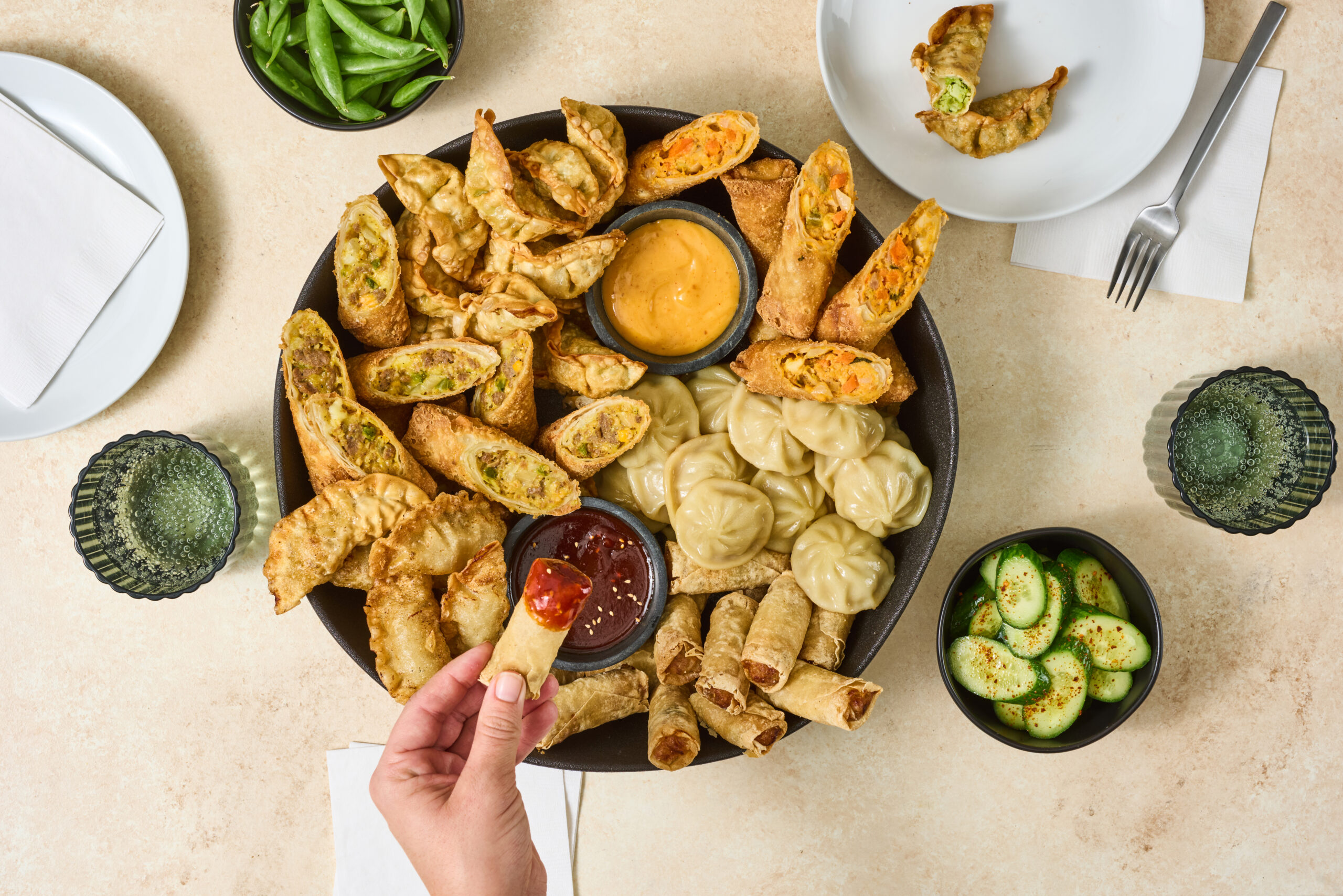
The landscape of American dining is undergoing a fundamental transformation as global flavors transition from adventurous novelties to baseline consumer expectations. According to the latest Datassential Global Flavors and Redefining American Restaurant Trends report, 69 percent of restaurant operators now plan to expand their menus with globally inspired flavors. This shift is driven by a consumer base that increasingly seeks bold, "craveable" taste experiences that balance the excitement of the exotic with the comfort of familiar formats. As the industry looks toward 2025, the focus has moved beyond mere heat, centering instead on complex profiles defined by umami, subtle spice, and strategic sweetness.
For the modern operator, the challenge is no longer deciding whether to include global influences, but rather how to execute them consistently amidst ongoing labor shortages and rising operational costs. Data suggests that for 81 percent of operators, the gateway to this global expansion is through sauces and condiments, which allow for high-impact flavor profiles without requiring a total overhaul of back-of-house procedures.
The Evolution of the American Palate: From Sriracha to Gochujang
The current surge in global interest did not happen in a vacuum. The American palate has been steadily "globalizing" for decades, moving through phases of adoption that often begin with a single "breakout" ingredient. Just as Sriracha became a household name in the 2010s, Korean flavors—led by the fermented chili paste gochujang—are now seeing unprecedented growth. Datassential’s Global 2023 report highlights that gochujang has seen a 48 percent increase in menu penetration over the last four years alone.
Chef Tommy Hearn, a corporate executive chef and industry veteran, notes that the dominant trend currently revolves around "umami-rich flavor paired with heat that isn’t aggressive." This represents a maturation of the "hot honey" or "sweet-heat" trend that has dominated menus recently. Consumers are no longer looking for spice that overwhelms the palate; they are looking for depth. The goal is a "rounder" flavor profile where the heat acts as a catalyst for other ingredients rather than the sole focus.
This evolution is particularly evident in the appetizer segment. Asian-style appetizers—such as dumplings, potstickers, and egg rolls—provide a low-risk "entry point" for consumers. Because these formats are inherently shareable and handheld, they allow diners to experiment with new flavors like kimchi or ginger-soy glazes without committing to a full entree.
Addressing the Labor Crisis Through "Plug-and-Play" Solutions
While the demand for global flavors is at an all-time high, the restaurant industry continues to grapple with a significant labor crisis. The National Restaurant Association reports that the industry remains hundreds of thousands of jobs short of pre-pandemic levels, and turnover remains a persistent hurdle. In this environment, the "perceived complexity" of global cuisine becomes a major deterrent for operators.
"Operators don’t want to pull someone off their station to do something they’re not trained to do," says Chef Hearn. The traditional method of incorporating global flavors—making complex sauces from scratch or hand-folding hundreds of dumplings—is no longer viable for many high-volume establishments. This has led to a surge in demand for "chef-crafted" pre-prepared items that deliver "scratch-level" quality without the associated labor burden.
The shift toward high-quality frozen and pre-prepared global appetizers represents a strategic pivot for the industry. Modern manufacturing techniques allow for products that maintain textural integrity and authentic flavor profiles through the freezing process. By using products like those in the CJ Schwan’s portfolio, chefs can focus on the final "finishing" of a dish—plating and saucing—rather than the time-consuming prep work. This ensures consistency across multiple shifts and locations, which is critical for maintaining brand standards in a competitive market.
The Versatility of Korean Flavors in Non-Traditional Formats
The rise of Korean cuisine, often referred to as the "K-Food" wave, is a cornerstone of the current global trend. Gochujang, in particular, has become the "Swiss Army knife" of the modern kitchen. Its unique composition—fermented soybeans, chili powder, and glutinous rice—provides a thick, savory-sweet-spicy base that integrates seamlessly into a variety of culinary applications.
According to Datassential’s Global Flavors 2025 research, the versatility of gochujang is its greatest asset. It is no longer confined to traditional Korean dishes like bibimbap or bulgogi. Instead, it is being used as a glaze for chicken wings, a binder for burger patties, and even a component in desserts. Hearn recently demonstrated this versatility by incorporating bibigo™ Gochujang Hot & Sweet Sauce into "fried" ice cream, using crushed cereal as a coating and the sauce as a subtle flavor binder.
This "fusion" approach is essential for modernizing menus. By pairing a trending ingredient like gochujang with a familiar format like a breakfast egg roll or a classic snickerdoodle cookie, operators can bridge the gap between "weird" and "wonderful." The result is a menu that feels contemporary and curated rather than disjointed.
Strategic Menu Engineering: The Power of Globalized Comfort
As operators look toward the future, the consensus among industry analysts is that the next wave of successful menu items will be built on "globalized comfort." This concept involves taking classic American comfort foods—burgers, fries, tacos, and wings—and layering them with international profiles.
The logic behind this strategy is rooted in consumer psychology. While diners are curious, they are also risk-averse, particularly in an era of higher menu prices. A consumer might hesitate to order an unfamiliar traditional Korean stew but will readily order "Gochujang Glazed Wings" or a "Kimchi Bacon Burger." This layering of flavors allows restaurants to command a premium price point while utilizing ingredients that are easy to cross-utilize across the menu.
Chef Hearn emphasizes that global flavors should not be "isolated" on the menu in a specific "International" or "Ethnic" section. Instead, they should be woven into the fabric of the entire menu. This integration signals to the guest that the restaurant is forward-thinking and understands modern culinary trends.
Data-Driven Insights and Market Implications
The economic implications of this trend are significant. As global flavors become more mainstream, the supply chain for specialized ingredients is becoming more robust. This reduces the cost for operators and makes it easier to source high-quality products like gochujang or miso on a consistent basis.
Key takeaways from the current market analysis include:
- The Sauce Advantage: 81 percent of operators identify sauces as the most efficient way to introduce global flavors. This allows for rapid menu updates without changing core proteins or vegetables.
- Consumer Demographics: Gen Z and Millennial diners, who prioritize diversity and authenticity in their food choices, are the primary drivers of this trend. They are more likely to visit a restaurant specifically for a unique "global-fusion" item they saw on social media.
- Operational Ease: The move toward pre-prepared, "finishing-required" appetizers allows operators to maintain high speed-of-service, even during peak hours, without sacrificing the quality that modern diners demand.
Conclusion: A Flawless Execution of Flavor
The move toward global flavor integration is not a passing fad but a permanent shift in the American culinary identity. As Chef Tommy Hearn summarizes, "If it doesn’t taste amazing, nothing else matters." For operators, the path to success in 2025 involves a dual focus: identifying the flavor profiles that resonate with guests—such as the umami-rich heat of Korean cuisine—and adopting operational solutions that allow for flawless, consistent execution.
By leveraging high-quality, pre-prepared global appetizers and versatile sauces, restaurants can meet the high expectations of today’s diners. The goal is to create a menu that is at once exciting and approachable, modern and comforting. As the industry continues to evolve, those who can balance these elements while managing the realities of the back-of-house will be the ones who define the next era of American dining. Globalizing comfort is no longer just a trend; it is the blueprint for a successful modern restaurant.