
 admin
admin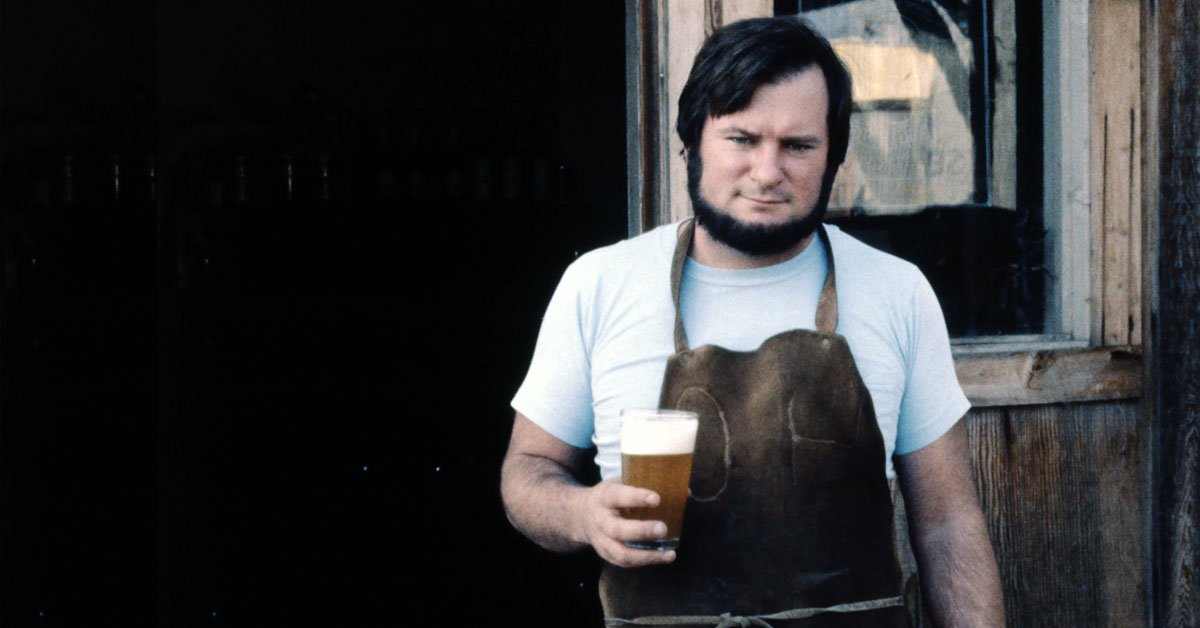
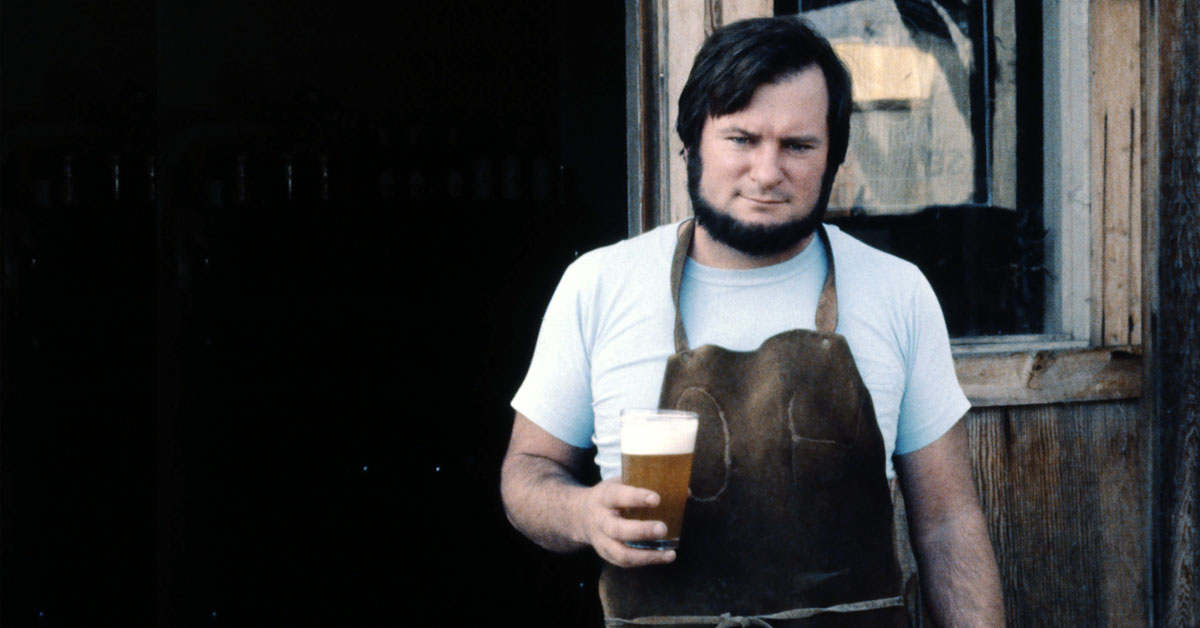
The passing of Jack McAuliffe in July at the age of 80 marks the end of a pivotal chapter in American culinary and industrial history. As the founder of the New Albion Brewing Company, McAuliffe is widely credited with igniting the modern craft beer movement, a cultural shift that transformed a stagnant, consolidated market into a diverse industry now boasting nearly 10,000 breweries across the United States. His journey from a United States Navy technician to the progenitor of the microbrewing revolution provides a blueprint for the entrepreneurial spirit that defines the contemporary beverage landscape.
The Origins of a Brewing Iconoclast
The catalyst for McAuliffe’s revolution was rooted in his military service during the 1960s. Stationed in Scotland as a Navy electronics technician, he was exposed to a variety of traditional British ales, including robust porters and stouts—styles that had effectively vanished from the American market following the repeal of Prohibition in 1933. At the time, the American beer industry was defined by extreme consolidation and a singular focus on light, adjunct-heavy lagers designed for mass consumption and long shelf lives.
Upon his return to California, McAuliffe found the domestic offerings lacking in complexity and character. Driven by a desire to replicate the flavors he encountered abroad, he turned to homebrewing. In the early 1970s, homebrewing occupied a legal gray area and was far from the mainstream hobby it is today. However, for McAuliffe, the kitchen-scale experiments were more than a pastime; they were the foundation for a radical business proposition. He envisioned a "micro-brewery," a term that did not yet exist in the American lexicon, dedicated to small-batch, high-quality ales.
The Founding of New Albion Brewing Company
In 1976, McAuliffe took the unprecedented step of attempting to commercialize his hobby. Partnering with Jane Zimmerman and Suzy Stern, he established the New Albion Brewing Company in Sonoma, California. The venture was launched on a shoestring budget of a few thousand dollars, a stark contrast to the multi-million dollar capital investments required by the industrial brewing giants of the era.
Because no commercial brewing equipment existed for small-scale operations at the time, McAuliffe was forced to innovate. He utilized his technical background to repurpose discarded industrial and agricultural machinery. The New Albion brewhouse was a marvel of "make-do" engineering, featuring converted dairy equipment and 55-gallon Coca-Cola syrup drums. This resourceful approach—now known as "adaptive reuse"—became a hallmark of the craft brewing industry, setting a precedent for future brewers to transform warehouses, firestations, and factories into functional production spaces.
New Albion’s product lineup was equally revolutionary. While the rest of the country drank pale, fizzy lagers, McAuliffe produced a porter, a stout, and a pale ale. These beers were unfiltered, bottle-conditioned, and possessed a level of bitterness and aromatic complexity that was jarring to the 1970s palate.
The Chronology of the Craft Movement
The timeline of New Albion is relatively short in years but monumental in influence. To understand the impact of McAuliffe’s work, one must view it within the broader chronology of the American brewing industry:
- 1933: Prohibition ends, leaving a decimated brewing landscape where only the largest, most efficient breweries survive.
- 1960s: Jack McAuliffe discovers traditional ales while serving in Scotland.
- 1976: New Albion Brewing Company opens in Sonoma, California, becoming the first "boutique" brewery in the U.S. since Prohibition.
- 1978: President Jimmy Carter signs H.R. 1337, which includes an amendment federally legalizing homebrewing for personal use, further fueling interest in diverse beer styles.
- 1980: Ken Grossman, inspired by New Albion, opens Sierra Nevada Brewing Co. in Chico, California.
- 1982: New Albion ceases operations due to financial constraints and a lack of distribution infrastructure.
- 1984: Jim Koch founds the Boston Beer Company, launching Samuel Adams Boston Lager.
- 2023: The number of craft breweries in the United States surpasses 9,500, with the industry contributing billions to the national economy.
Data and Economic Impact of the Craft Revolution
While New Albion was not a financial success in its time, the industry it birthed has become an economic powerhouse. According to data from the Brewers Association, the craft brewing industry contributed $72.2 billion to the U.S. economy in 2022. The sector is responsible for more than 460,000 total jobs, including nearly 190,000 jobs directly within breweries and brewpubs.
The shift in consumer preference initiated by McAuliffe is also reflected in ingredient production. New Albion’s use of the Cascade hop—a variety developed by the USDA in Oregon but largely rejected by major brewers for being "too floral"—changed the face of American agriculture. Today, the United States is one of the world’s leading hop producers, with aromatic varieties like Cascade, Citra, and Mosaic dominating the market. In the 1970s, hop production was focused on high-alpha bittering hops; today, the market is driven by the very "hoppy, aromatic, and bitter" styles that McAuliffe first championed.
Industry Reactions and Leadership Perspectives
The significance of McAuliffe’s contributions is best articulated by those who followed in his footsteps. Jim Koch, the founder and chairman of the Boston Beer Company, has frequently cited McAuliffe as the man who proved that the "impossible" was achievable. Koch noted that before New Albion, the barrier to entry in the brewing industry was seen as insurmountable due to the dominance of monolithic corporations. McAuliffe’s DIY approach shattered that perception, providing the psychological breakthrough necessary for thousands of other entrepreneurs to take the risk.
Ken Grossman, founder of Sierra Nevada Brewing Co., also acknowledges a direct debt to McAuliffe. Grossman toured the New Albion facility in the late 1970s, observing the repurposed equipment and the uncompromising focus on quality. This visit influenced Grossman’s own decision to build a brewery from scratch using refurbished equipment. Sierra Nevada’s Pale Ale, which would go on to become one of the most successful craft beers in history, was a direct descendant of the flavor profiles established at New Albion.
Maureen Ogle, a prominent historian and author of Ambitious Brew: The Story of American Beer, highlighted McAuliffe’s personal character as a driving force behind his success. She described him as a brilliant but caustic "American original" who did not suffer fools and possessed a "wicked ability to build anything." This combination of technical skill and contrarian spirit allowed him to challenge a status quo that few others dared to question.
Broader Implications and the Future of Brewing
The legacy of New Albion extends beyond the contents of a glass. It represents a shift in American consumerism toward localization, transparency, and craftsmanship. The "micro" movement started by McAuliffe in the beer world eventually spilled over into coffee, spirits, chocolate, and cheese, fostering a broader "maker" culture that values the story and the person behind the product.
Furthermore, the "adaptive reuse" model pioneered by McAuliffe has had significant implications for urban development. Craft breweries are frequently the first businesses to move into dilapidated industrial zones, serving as anchors for neighborhood revitalization. By repurposing old warehouses and factories—just as McAuliffe did with his Sonoma warehouse—modern brewers have saved countless historic structures from demolition, contributing to the architectural and social fabric of their communities.
Despite the closure of New Albion in 1982, its equipment lived on, continuing to influence the industry. The tanks and kettles were purchased by the founders of the Hopland Brewery (which became Mendocino Brewing Company), helping to establish California’s first brewpub. This chain of custody illustrates the collaborative and resourceful nature of the craft community.
Conclusion
Jack McAuliffe’s death marks the loss of a true visionary, but his influence remains omnipresent in every taproom and bottle shop in the country. He did not merely brew beer; he engineered a new way of thinking about business, taste, and community. By proving that a passion for quality could challenge the dominance of industrial giants, he opened the door for a generation of artisans.
The modern craft beer industry, with its emphasis on bold flavors, local production, and innovative techniques, is the living embodiment of the New Albion Brewing Company. As the industry continues to evolve and face new challenges in a crowded market, the core principles established by McAuliffe—resourcefulness, a commitment to flavor, and a refusal to follow the status quo—remain the bedrock of its success. His story serves as a reminder that even the smallest operation, fueled by a "pint-size" brewery and an "outsize" idea, can change the world.