 admin
admin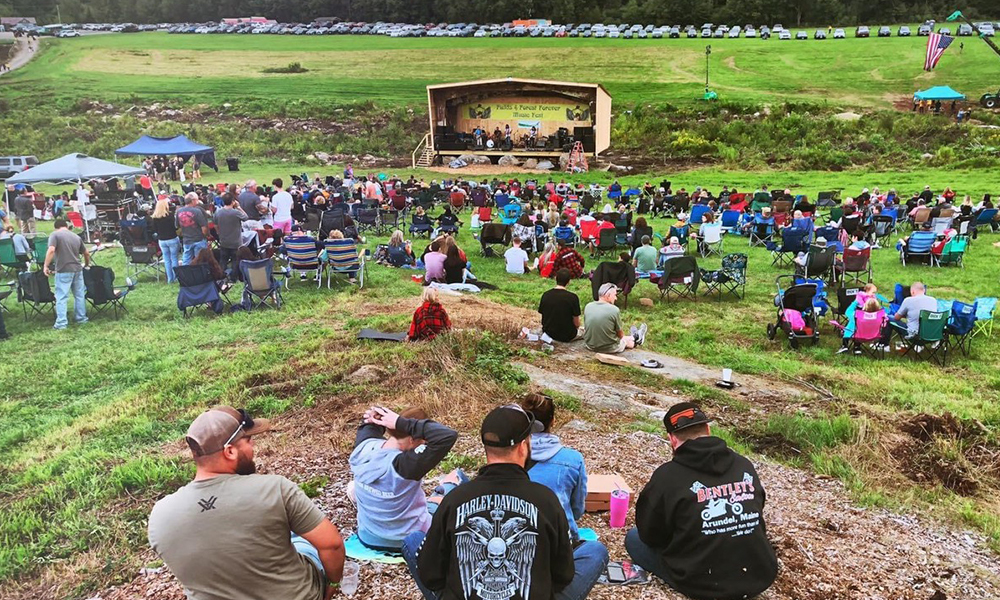
The landscape of the American craft brewing industry is undergoing a significant structural evolution, transitioning from simple production facilities with tasting rooms into sophisticated multi-use cultural hubs. While the presence of live music in taprooms is not a new phenomenon, a growing cohort of independent breweries is moving beyond the traditional model of casual, small-scale performances. These establishments are now investing heavily in professional-grade infrastructure, dedicated talent procurement, and large-scale event management, effectively positioning themselves as primary concert venues within their respective regions. This shift represents a strategic response to a maturing market where consumer demand for experiential "third places"—social environments separate from home and work—has become a primary driver of brand loyalty and revenue growth.
The integration of high-level music programming and artisanal beverage production is exemplified by the operations of Burial Beer in Asheville, North Carolina; Three Magnets Brewing in Olympia, Washington; and Stone Cow Brewery in Barre, Massachusetts. Each of these entities has developed a unique approach to merging the science of brewing with the art of performance, creating a symbiotic relationship that benefits both the hospitality industry and the independent music circuit.
The Infrastructure of Experience: Burial Beer’s Multi-Venue Strategy
For Burial Beer founders Doug and Jess Reiser and Tim Gormley, the incorporation of live music was a foundational element of their business plan since the brewery’s inception in 2013. Located in Asheville’s South Slope district—a region globally recognized for its high density of craft breweries—Burial Beer has systematically expanded its footprint to accommodate various scales of musical performance.
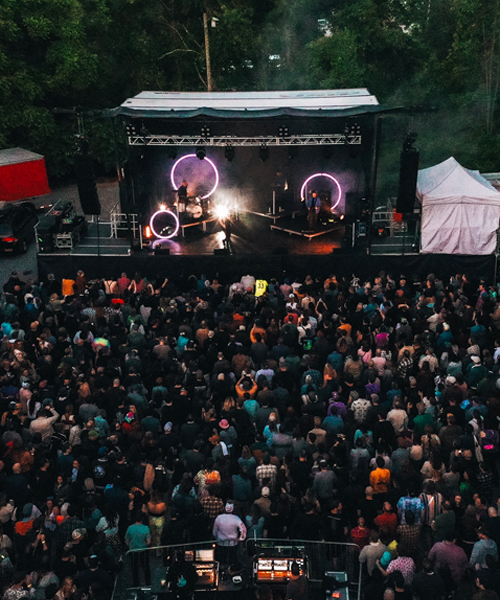
The brewery’s commitment to professionalized music hosting culminated in the 2023 opening of Eulogy, a 400-seat dedicated concert venue located adjacent to their original taproom. This facility allows the brewery to host a consistent schedule of regional and national underground acts, such as the indie-rock outfit Deep Sea Diver and the post-rock ensemble This Will Destroy You. However, the scope of their musical ambition extends beyond the intimate club setting. At their Forestry Camp location, which opened in 2019 on a historic site originally built by the Civilian Conservation Corps, Burial Beer maintains a large-scale outdoor stage with a capacity for 2,200 attendees.
Throughout the summer of 2024, the Forestry Camp venue has served as a critical stop for major indie acts, including Future Islands, The Black Angels, and Washed Out. According to Doug Reiser, the goal was to provide a venue capable of attracting touring artists who might otherwise bypass Asheville for larger metropolitan hubs like Charlotte or Nashville. This strategy addresses a gap in the local market, offering a venue size that bridges the gap between small bars and large stadiums.
The economic implications of this model are significant. By diversifying their revenue streams to include ticket sales and high-volume event concessions, breweries like Burial can mitigate the fluctuations of the wholesale beer market. Furthermore, the curation of diverse genres—ranging from heavy metal and bluegrass to jazz and hip-hop—ensures a broad demographic reach, mirroring the diverse palate of modern craft beer consumers.
Sobriety and Sound: Three Magnets Brewing and the NA Movement
In Olympia, Washington, Three Magnets Brewing has leveraged the city’s rich musical heritage—notably its history as a cradle for the Riot Grrrl and grunge movements—to pioneer a different intersection of music and beer. Since 2021, the brewery has focused on its "Self Care" line of non-alcoholic (NA) beers, using music as a primary vehicle for destigmatizing sobriety in social settings.
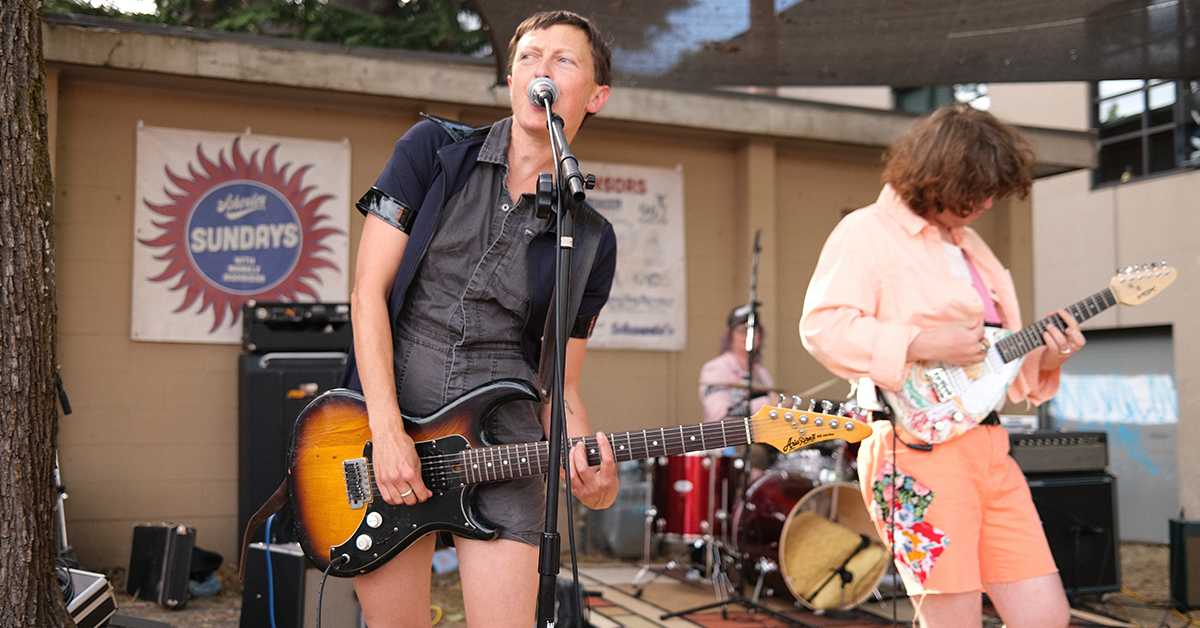
The brewery’s "Scherler Sundays" concert series, named after their Scherler NA lager, offers free performances during the summer months. The series has attracted cult-status performers such as the folk icon Michael Hurley and the country-soul pioneer Swamp Dogg. By centering these events around non-alcoholic offerings, Three Magnets co-founder Nathan Reilly seeks to challenge the traditional marketing of NA products, which often leans heavily on "lifestyle" and "wellness" tropes.
The brewery’s engagement with the music community extends into philanthropic and collaborative efforts. Three Magnets has partnered with SMASH (Seattle Musicians Access to Sustainable Healthcare), a non-profit that provides health services to musicians. This partnership led to a collaboration with Ben Gibbard, the frontman of Death Cab for Cutie and The Postal Service, to produce a non-alcoholic beer for live shows. Such collaborations provide a tangible link between the brewing industry and the physical well-being of the artists who provide the soundtrack to the hospitality experience.
Furthermore, Three Magnets has embraced the physical artifacts of music culture, releasing a Scherler Beer vinyl record featuring live recordings from their Sunday sessions. They have also integrated iconic music photography into their packaging, featuring the work of Charles Peterson, whose images famously chronicled the Pacific Northwest’s 1990s rock scene. This approach transforms a consumable product into a collectible piece of music history, deepening the brand’s cultural resonance.
Rural Agritourism and Large-Scale Production: Stone Cow Brewery
While urban breweries focus on club-style venues, Stone Cow Brewery in Barre, Massachusetts, demonstrates the potential of rural "destination" breweries. Situated on a 1,300-acre dairy farm, Stone Cow has utilized its vast geographic footprint to create a natural amphitheater capable of hosting thousands of fans.
Since its opening in 2016, the brewery has transitioned from hosting small taproom performances to producing large-scale festivals. In 2023, the construction of a permanent large-scale stage in the "Back Forty" section of the property allowed the brewery to scale its operations significantly. Events like the "Party on the Back Forty" and the "Fields and Forest Forever" festivals have drawn crowds of over 1,000 people, with capacity to double that figure.
The Stone Cow model highlights the rise of agritourism in the craft beer sector. By providing a family-friendly environment—complete with a playground and scenic views of Mount Wachusett—the brewery attracts visitors from major urban centers like Boston, located an hour away. For rural communities, these brewery-led music events serve as vital economic engines, bringing tourism dollars into areas that lack traditional entertainment infrastructure.
Resilience and Recovery: The Role of Music in Community Restoration
The cultural importance of the brewery-as-venue model was put to a rigorous test in late 2024 following the catastrophic impact of Hurricane Helene on Western North Carolina. The storm, which struck on September 27, caused widespread devastation in Asheville, resulting in the loss of lives, homes, and essential infrastructure.
For Burial Beer, the timing of the disaster was particularly poignant, occurring just two weeks before their 12th annual Burnpile beer and music festival. The event was initially canceled as the brewery shifted its operations to serve as a community relief center, providing free meals and clean water to residents. However, the decision to reschedule the festival for October 4, 2024, has been framed as a critical step in the region’s psychological and economic recovery.
The return of Burnpile serves as a case study in the role of the "Third Place" during times of crisis. Doug Reiser noted that the festival would include programming specifically designed to honor those who contributed to the community’s restoration efforts. In this context, the brewery ceases to be merely a place of business and becomes a site of communal healing, where music and shared experience facilitate the processing of collective trauma.
Industry Analysis: The Economic and Social Implications
The trend of breweries functioning as professional music venues is supported by broader shifts in the craft beer industry. According to data from the Brewers Association, while the total number of operating craft breweries in the United States exceeds 9,000, growth in the wholesale and retail sectors has leveled off. Consequently, breweries are increasingly reliant on "on-premise" sales, where profit margins are higher and brand engagement is more direct.

The "experience economy" dictates that consumers are more likely to spend their discretionary income on events that offer a sense of novelty and community. By curating high-quality musical lineups, breweries can ensure a consistent flow of foot traffic that is less dependent on the specific release of a new beer. This diversification is essential for long-term sustainability in a crowded market.
From a sociological perspective, the emergence of these venues reinforces the concept of the brewery as a modern town square. As traditional social anchors—such as community centers or local clubs—decline, breweries have stepped in to fill the void. The professionalization of their music programs ensures that these spaces remain culturally relevant and inclusive, catering to a wide array of tastes and social needs.
Future Outlook
As the craft beer industry continues to mature, the distinction between a brewery and a dedicated entertainment venue will likely continue to blur. The success of Burial Beer, Three Magnets, and Stone Cow suggests that the future of the industry lies in the ability to offer more than just a beverage. By investing in the "science and art" of both brewing and performance, these businesses are creating a resilient model that celebrates human connection through the universal languages of music and craft.
The ongoing evolution of these spaces will likely involve further technological integration, such as high-fidelity streaming of live shows and more sophisticated artist-in-residence programs. Ultimately, the synergy between a well-crafted pint and a well-played set of music remains one of the most effective tools for building community and ensuring the continued vitality of the independent craft movement.