 admin
admin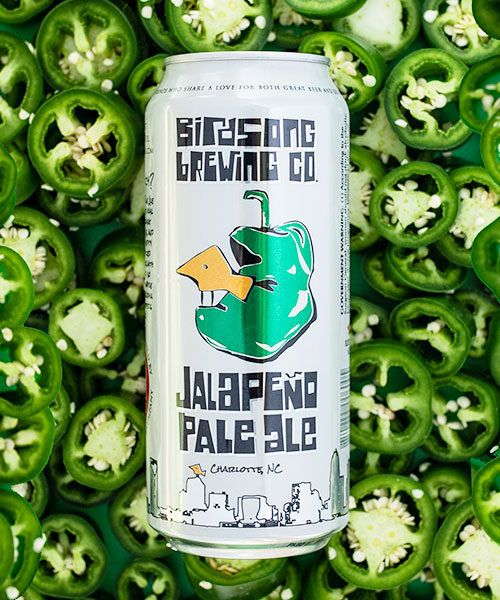
The American craft brewing landscape, long defined by the dominance of India Pale Ales (IPAs) and the resurgence of traditional European lagers, is currently witnessing a sophisticated diversification through the integration of capsaicin-based heat. While beer has traditionally served as a palate cleanser or a cooling agent for spicy cuisine, a growing cohort of domestic brewers is reversing this dynamic by incorporating fresh chiles, habanero powders, and smoked peppers directly into the brewing process. This shift represents a transition from novelty "gimmick" brewing to a technical discipline focused on the balance of Scoville heat units with malt profiles and hop bitterness. As consumer interest in global flavors and "extreme" culinary experiences continues to rise, the spicy beer segment has carved out a distinct niche that challenges the traditional boundaries of fermentation science.
The Technical Evolution and Market Context of Chili Beers
The concept of "chili beer" is not a modern invention; the category has existed in various forms for decades, often relegated to the periphery of the industry. However, the modern iteration of the style is characterized by a "maximalist" approach that prioritizes nuance over raw burning sensations. According to industry data from the Brewers Association, the trade group representing small and independent craft brewers, the "Field Beer" and "Herb and Spice Beer" categories have seen steady participation in national competitions like the Great American Beer Festival (GABF). The specific "Chili Beer" category has become a battleground for technical proficiency, where the goal is to maintain the base beer’s integrity while introducing the vegetal, smoky, or fiery characteristics of peppers.
The chemistry of spicy beer involves a complex interaction between ethanol and capsaicin. Because capsaicin is more soluble in alcohol and fat than in water, the alcohol content (ABV) of a beer can actually amplify the perceived heat of the peppers. Brewers must navigate this relationship carefully, often opting for lower-ABV bases—such as lagers, pilsners, or blonde ales—to ensure the heat remains palatable. Conversely, some brewers utilize the sweetness of high-gravity stouts to provide a structural counterpoint to intense heat, though the current trend leans toward "sessionable" spicy beers intended for food pairing.
Chronology of Innovation: Key Players in the Heat Movement
The development of the spicy beer segment can be traced through several pivotal breweries that have moved the style from experimental taproom one-offs to year-round production staples.
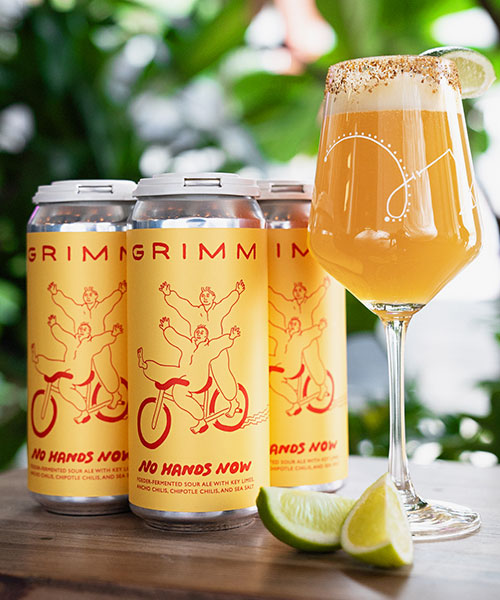
Grimm Artisanal Ales (Brooklyn, New York): The Michelada Influence
Founded in 2013 by Lauren and Joe Grimm, Grimm Artisanal Ales initially operated as a "nomadic" brewery before establishing a permanent site in Brooklyn. Their contribution to the spicy segment, "No Hands Now," debuted in 2019. This low-ABV sour ale draws inspiration from the Michelada, a traditional Mexican beer cocktail. The production process involves fermentation in oak foeders—large wooden vats that house resident microbes—which imparts a base complexity and tartness. The integration of ancho and chipotle chiles occurs post-fermentation, supplemented by lime juice and sea salt. The use of Motueka hops, known for their lime-like aroma, serves to bridge the gap between the beer’s bitterness and the acidity of the citrus.
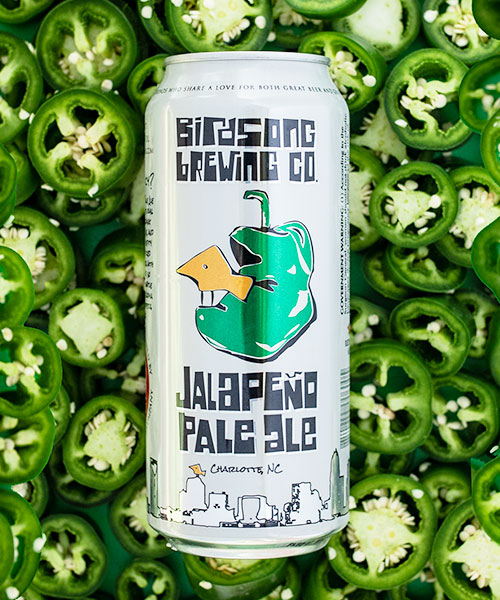
Birdsong Brewing Co. (Charlotte, North Carolina): Scaling the Jalapeño
Birdsong Brewing Co. entered the market in 2010, at a time when the Charlotte craft scene was in its infancy. Their Jalapeño Pale Ale was born from taproom experimentation where brewers infused fresh-cut peppers into an American Pale Ale (APA). The brewery found that the malty backbone of the APA was more effective at anchoring the heat than the hop-heavy profiles of IPAs. Transitioning to production scale required a meticulous study of "contact time"—how long the peppers remain in the liquid. During the North Carolina jalapeño season (June through November), the brewery processes approximately 400 pounds of locally grown peppers. By removing the seeds, the brewery extracts the vegetal aroma and mild heat of the pepper without overwhelming the palate, resulting in a product that mimics the sensory profile of jalapeño-flavored snacks.
Malibu Brewing (Malibu, California): The Hatch Chile Standard
In California, Malibu Brewing has gained national recognition for its Hatch Chile Lager. The beer originated in 2022 as a tribute to CEO Ryan Ahrens’ New Mexican heritage, where the Hatch green chile is a protected geographical indication and a cultural staple. The beer utilizes a Mexican-style lager as its base, providing a clean canvas for the earthy, smoky notes of freshly roasted and peeled chiles. In 2023, the brew took the gold medal at the Brewers Cup of California in the Chili Beer category. This success highlights a broader industry trend where specific regional ingredients are used to create "terroir-driven" spicy beers.
Supporting Data: The Scoville and Competition Landscape
The growth of the segment is further evidenced by the rise of "extreme" beer challenges, which mirror the popularity of media franchises like Hot Ones. In Fredericksburg, Virginia, Maltese Brewing Co.—operated by firefighters—produces the "Signal One Challenge," a beer infused with Carolina Reapers, currently one of the world’s hottest peppers. Similarly, Burning Barrel Brewing Co. in California hosts the "Deal With the Devil Challenge." While these extreme examples occupy the fringe of the market, they serve as significant marketing drivers, drawing "heat-seekers" to taprooms and increasing the visibility of the broader chili beer category.
Data from recent brewing competitions suggests that judges are increasingly looking for "vegetal authenticity." This means the beer must taste like the pepper itself, not just the heat. The distinction between the "Chili Beer" category and the "Herb and Spice Beer" category is critical: the former focuses on the capsaicin heat of the Capsicum genus, while the latter encompasses non-heat spices like cinnamon, nutmeg, or black pepper.
Production Challenges and Official Perspectives
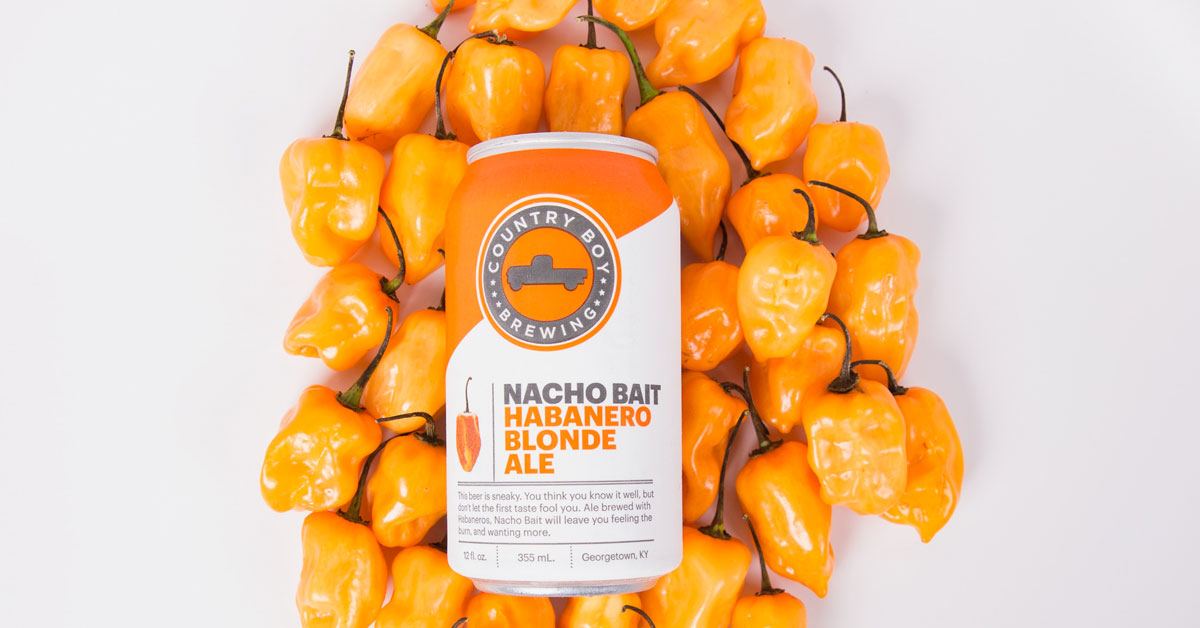
The production of spicy beer involves significant operational risks. At Country Boy Brewing in Lexington, Kentucky, the creation of "Nacho Bait Habanero Blonde" in 2013 provided a stark lesson in brewery safety. Founder Nathan Coppage recalls the intensity of handling 10 pounds of habaneros, noting that the oils are so persistent they can cause secondary burns to staff if not managed with strict protocols.
Country Boy Brewing’s approach highlights the seasonal variability of the product. Because the heat levels of peppers vary based on growing conditions, the brewery must adjust its recipes between summer (using fresh, homegrown peppers) and winter (using store-bought varieties). Despite these variables, the brewery maintains a consistent ratio of 10 pounds of peppers per 10-barrel batch to ensure the fruity, stone-fruit notes of the habanero are present alongside the heat.
In Michigan, Bell’s Brewery—one of the largest craft breweries in the United States—has seen its Mango Habanero Oberon achieve "cult status" since its 2020 debut. Public relations officials for the brewery note that the beer is frequently the most requested variant in their portfolio. By using mango puree to provide a floral, sweet counterweight to habanero powder, Bell’s has successfully commercialized the "sweet-heat" flavor profile that has long been popular in the culinary world.
Broader Impact and Industry Implications
The rise of spicy beer has significant implications for the hospitality and culinary sectors. These brews are increasingly being positioned as essential components of "fusion" dining. The acidity and carbonation of a spicy lager or sour ale make it a natural companion for fatty or fried foods, such as Nashville hot chicken, Korean fried chicken, or traditional Tex-Mex.
Furthermore, the spicy beer movement represents a broader "rebuttal to predictability" in the craft market. After years of the industry being dominated by the "haze craze" (unfiltered, fruit-forward IPAs) and the "pastry stout" movement (extremely sweet, dessert-inspired beers), the astringency and heat of a chili beer offer a radical alternative. It provides a savory option for consumers who are experiencing "palate fatigue" from high-sugar or high-IBU offerings.
As the market matures, the industry expects to see more sophisticated iterations of the style, including barrel-aged spicy stouts and pepper-infused wild ales. The success of breweries like Grimm, Birdsong, and Malibu Brewing demonstrates that when handled with restraint and technical precision, the "thrill of the bite" can be a sustainable and profitable segment of the craft beer economy. The future of the category likely lies in this balance: maintaining the radical nature of the heat while ensuring the product remains a refined, drinkable beverage suitable for the mainstream table.