 admin
admin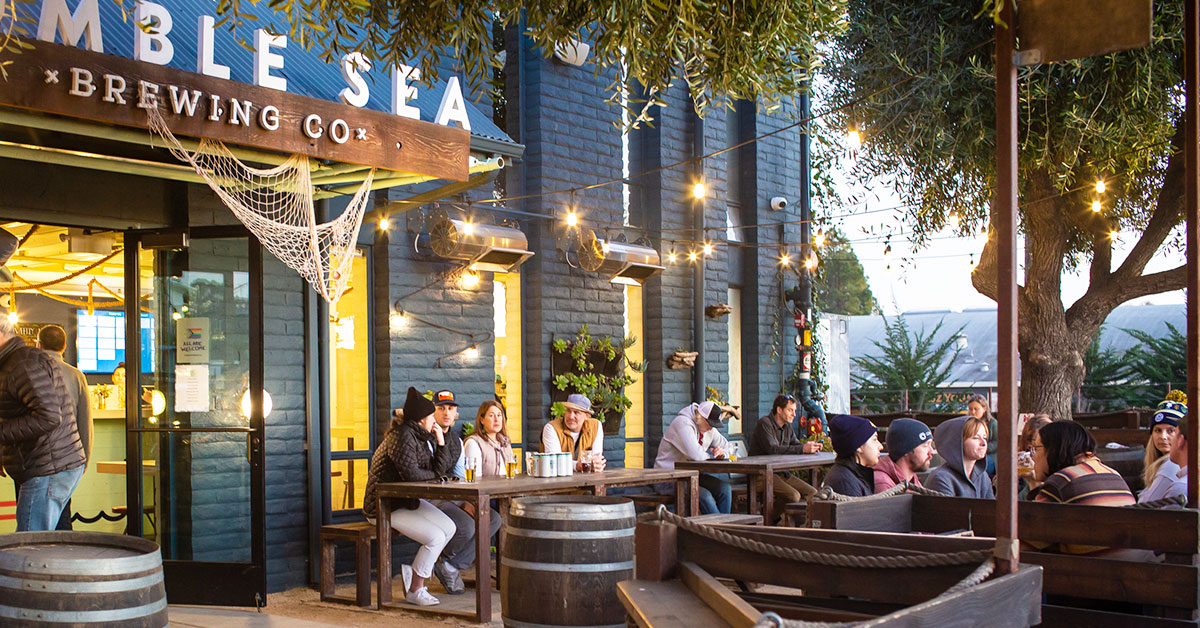
The craft brewing industry in the United States has entered a period of profound transformation, moving away from the explosive, unchecked growth of the early 2010s toward a more calculated and consumer-centric maturity. For many entrepreneurs entering the space, the initial vision for a brewery—the specific styles of beer, the intended demographic, and the desired shelf placement—often meets the hard reality of a shifting marketplace. As consumer preferences oscillate between a thirst for constant novelty and a nostalgic return to reliable staples, breweries like Oregon’s Sunriver Brewing and California’s Humble Sea Brewing Co. have had to reinvent their operational identities to survive and thrive. This evolution reflects a broader industry trend where the "sweet spot" lies at the intersection of cutting-edge innovation and the comforting familiarity of a flagship brand.
The Strategic Pivot: Humble Sea and the Lager Paradox
When Humble Sea Brewing Co. launched in Santa Cruz, California, in 2015, the founders possessed a clear, passion-driven mission: to be a lager-first brewery. At the time, the craft beer landscape was dominated by the "IBU arms race" and the burgeoning popularity of high-alcohol West Coast IPAs. Co-founder Frank Scott Krueger notes that despite their passion for bottom-fermented beers, the market was not yet ready to embrace the subtle complexities of craft pilsners and lagers.
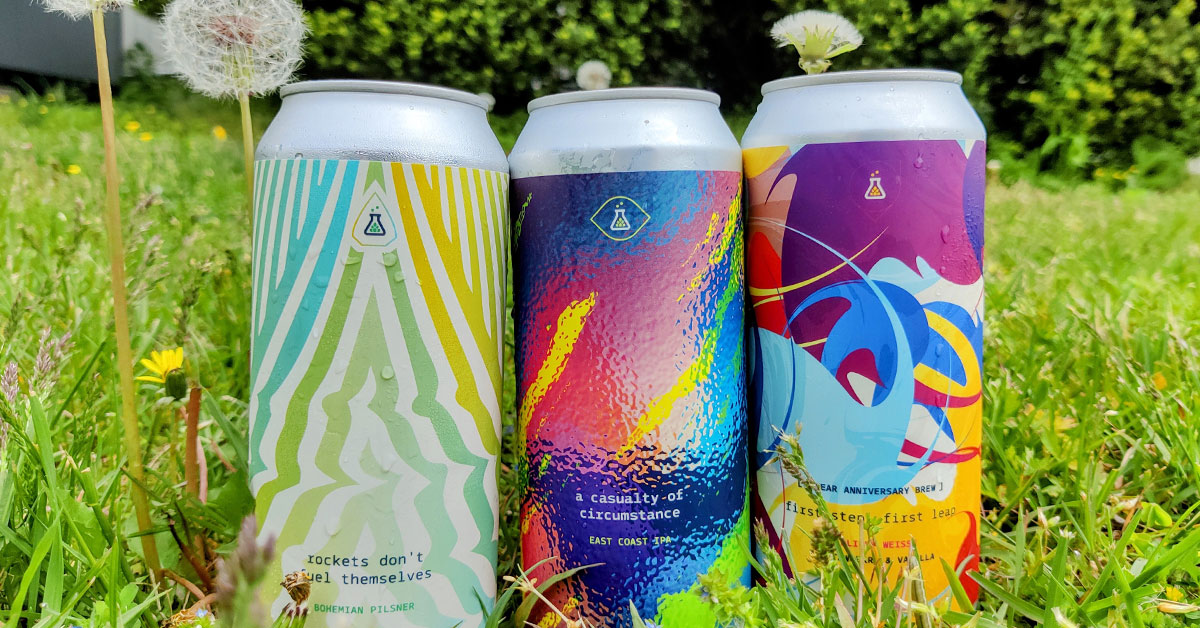
To maintain financial viability, Humble Sea executed a significant pivot. The brewery leaned into the "foggy" or Hazy IPA trend, which was beginning to capture the imagination of "beer nerds" and collectors. This shift was highly successful; at one point, nearly 95% of the brewery’s production was dedicated to hoppy, hop-forward styles. These beers, characterized by low bitterness and intense tropical fruit aromas, put Humble Sea on the national map and allowed them to build a dedicated following of enthusiasts who would travel across the country for specific can releases.
However, the brewery’s long-term goal remained the reintroduction of lagers. Having secured consumer trust through their IPAs, Humble Sea has successfully integrated lagers back into their core identity. Today, lagers account for approximately 30% of their production, a testament to the growing "crispy boy" movement—a colloquialism for the resurgence of clean, easy-drinking craft lagers among younger enthusiasts.
Sunriver Brewing: Adapting to the Transient Consumer
Sunriver Brewing, located in the resort community of Sunriver, Oregon, faced a different set of challenges rooted in geography and seasonal demographics. Established in 2012, the brewery’s initial strategy was dictated by its immediate surroundings. The town of Sunriver has a permanent population of roughly 2,000 residents, but that number can swell to 15,000 on peak weekends due to tourism.
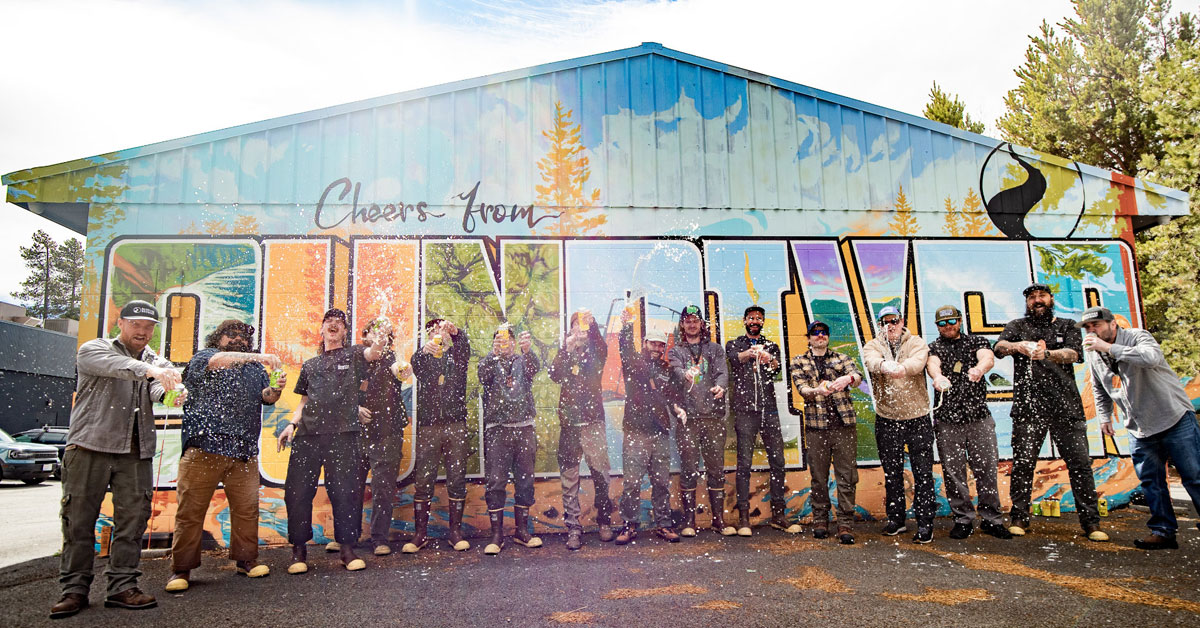
Head brewer Brett Thomas explains that the brewery’s early portfolio was "pub-oriented," designed to cater to a transient tourist demographic looking for recognizable craft styles. The original lineup consisted of foundational beers: a blonde ale, a pale ale, an amber ale, and a stout. These styles served as an entry point for visitors who may have been new to the craft scene.
As Sunriver Brewing expanded its footprint—opening additional taprooms and partnering with wholesalers—the need for a more diverse portfolio became evident. The brewery had to balance the expectations of its "OG" tourist base with the demands of "high-end" craft drinkers. This led to the development of a barrel-aged program and a wild ale series, alongside a surprising entry into the hard seltzer market. Thomas admits that the decision to produce seltzer was a response to the "beverage for everyone" philosophy, noting that even two years ago, the brewery would have likely dismissed the idea.
Statistical Overview: The IPA Dominance and Market Realities
The experiences of Sunriver and Humble Sea are mirrored in national data provided by the Brewers Association (BA). According to BA year-end reports, IPAs continue to dominate the craft segment, accounting for approximately 43% of all craft beer volume sold in off-premise retail. This "IPA culture" mentioned by Brett Thomas remains the primary driver of revenue for most independent breweries.
However, the industry is also grappling with a slowdown. After years of double-digit growth, craft beer production volume has largely flattened, with a 1% decline noted in recent annual cycles. This stagnation has forced breweries to look "beyond beer" into seltzers, canned cocktails, and non-alcoholic options. Furthermore, the number of operating breweries in the U.S. has surpassed 9,500, leading to a hyper-competitive environment where tap handles and shelf space are increasingly difficult to secure.
The Multi-Channel Dilemma: Wholesalers versus Taprooms
Finding balance in the modern industry is not merely about the liquid in the glass; it is about the logistics of the sale. Modern breweries typically operate across three main channels: their own taprooms, wholesale distribution to retailers (grocery stores, bottle shops), and "on-premise" sales to bars and restaurants.
The COVID-19 pandemic served as a catalyst for rethinking these channels. When taprooms were forced to close, breweries that relied solely on "over-the-counter" sales faced immediate crises. Conversely, those heavily reliant on wholesalers found themselves at the mercy of shifting corporate portfolios and distributor consolidations.
Brett Thomas highlights the "competing agendas" that arise when selling through multiple channels. A wholesaler may demand high volumes of a single, fast-moving brand to simplify logistics, while a taproom manager may want 20 different experimental rotations to keep local regulars engaged. Managing these conflicting priorities requires a delicate touch and a willingness to adapt the production schedule to satisfy both the "beer nerd" and the "volume buyer."
Combatting Release Fatigue: The Psychological Shift Toward Reliability
A significant trend noted by industry analysts and brewers alike is "release fatigue." For the better part of a decade, the craft beer market was driven by novelty. Consumers demanded a new beer every week, leading to a frantic production cycle where some breweries never brewed the same recipe twice.
Frank Scott Krueger of Humble Sea observes that this trend is cooling. While discovery remains a part of the craft experience, more consumers are seeking a "reliable, delicious beer" that doesn’t require a deep dive into hop profiles or Untappd ratings. This shift is partly driven by economic factors—consumers are less willing to gamble $20 on a four-pack of an experimental brew—and partly by a desire for the social aspect of drinking, where the beer supports the conversation rather than being the sole focus of it.
Beer historian and writer Jeff Alworth has noted that this shift favors "nostalgia" and "mainstay" beers. Established brands like Sierra Nevada’s Celebration Ale or Guinness have seen a resurgence in interest as drinkers return to the "classics." For younger breweries, this means the pressure is on to establish their own "classics" or flagships.
The Flagship as a Brand Anchor: Vicious Mosquito and Socks & Sandals
Despite the industry’s obsession with the new, both Sunriver and Humble Sea have found that their "flagship" beers are the true engines of their brands.
For Sunriver, that beer is the Vicious Mosquito IPA. Interestingly, Thomas credits wholesalers for the beer’s success. In 2014, distributors were still focused on brand building, and once they saw Vicious Mosquito gaining traction, they prioritized its placement. Today, many consumers may not know the full breadth of Sunriver’s portfolio, but they recognize the "Mosquito" brand. It has become a reliable revenue stream that allows the brewery the financial freedom to experiment with more obscure styles.
Humble Sea had a similar realization with their Socks & Sandals Foggy IPA. Although the founders did not initially set out to be a "flagship brewery," the market spoke. Socks & Sandals became the identifiable face of the brewery, providing a sense of familiarity for customers who might be overwhelmed by the dozens of other limited releases the brewery produces annually.
Hyper-Local Adaptation: The Geography of Taste
One of the more sophisticated strategies employed by Humble Sea is the tailoring of beer offerings to specific taproom locations. This acknowledges that craft beer tastes are not monolithic, even within the same state.
- Pacifica, CA: This location sees a high demand for West Coast IPAs—clear, bitter, and piney.
- Santa Cruz, CA: The home base leans heavily into the "crispy" side of the spectrum, with pilsners and lagers performing exceptionally well.
- Alameda, CA: This market attracts a higher concentration of "beer nerds" who seek out high-gravity offerings like triple and quadruple IPAs.
By analyzing data from each specific point of sale, Humble Sea can optimize its distribution to ensure the right beer is in the right cooler, reducing waste and maximizing consumer satisfaction.
Broader Impact and Industry Implications
The trajectory of Sunriver and Humble Sea suggests that the "next phase" of craft brewing will be defined by flexibility and operational excellence rather than just creative brewing. The ability to pivot—whether it be from lagers to IPAs or from IPAs to seltzers—is now a prerequisite for survival.
Furthermore, the return to the flagship model indicates a stabilizing market. As the industry matures, the breweries that survive will likely be those that can successfully manage the "dual-track" portfolio: maintaining a rock-solid, consistent flagship for the general public while continuing to innovate with small-batch releases for the enthusiast community.
In conclusion, the modern craft brewery is no longer just a place where beer is made; it is a complex retail and logistical entity that must navigate changing social habits, economic pressures, and a sophisticated consumer base. The success of Sunriver and Humble Sea demonstrates that while the path to growth may not always be a straight line, those who listen to their customers and respect the power of a reliable flagship are best positioned to weather the storms of an evolving industry.