 admin
admin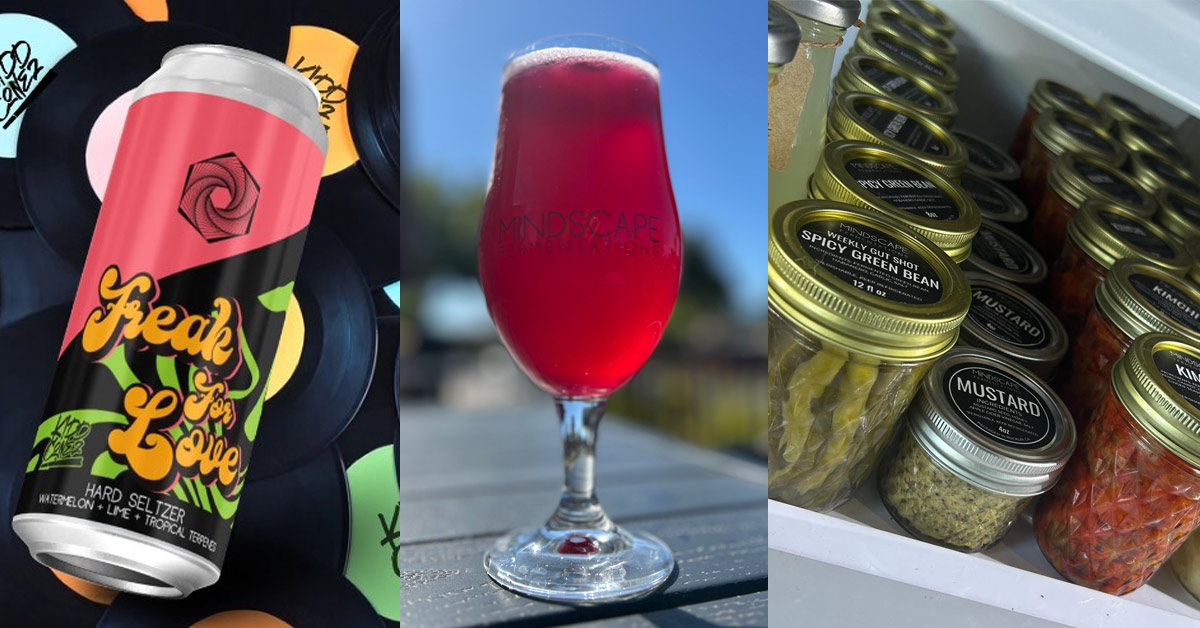
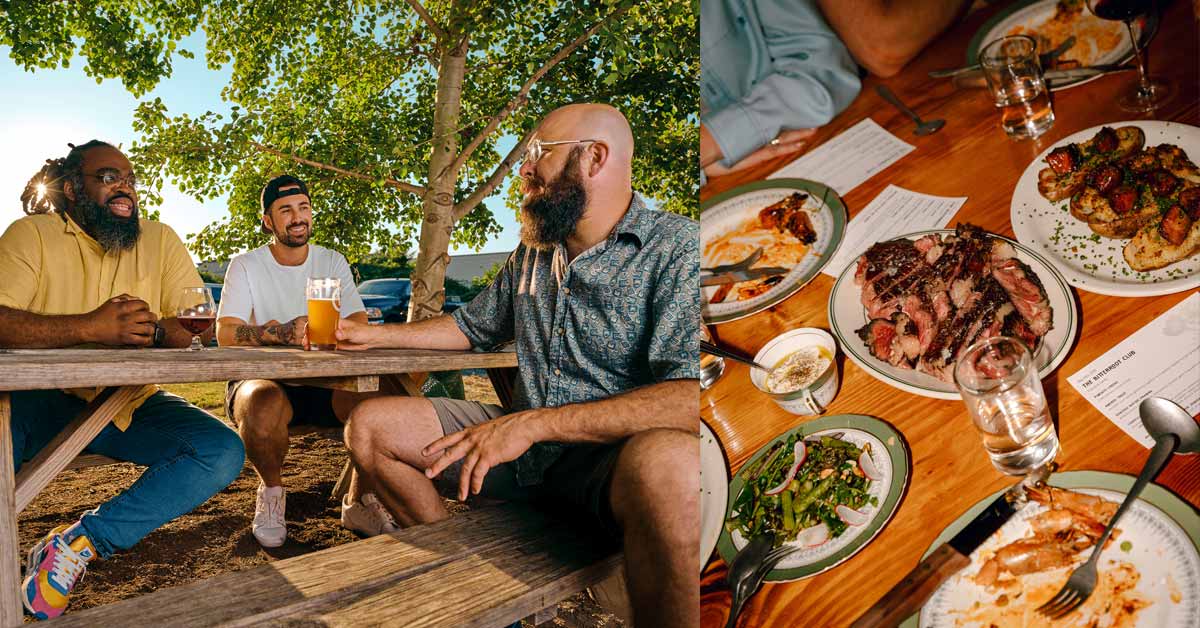
The traditional definition of a brewery as a singular production facility is undergoing a significant transformation across the global landscape. For decades, the craft beer industry relied on a straightforward model: produce beer, package it, and sell it through distribution or a localized taproom. However, a combination of shifting consumer preferences, rising real estate costs, and a volatile economic climate has forced a re-evaluation of the brewery’s role within the community. Today, these establishments are increasingly evolving into multifaceted "third places"—social environments separate from home and work—where fermentation science, communal ownership, and social activism intersect.
Over the last ten years, the diversification of brewery spaces has moved beyond simple aesthetic upgrades. While the previous decade saw the addition of coffee shops, co-working spaces, and dog-friendly patios, the current era is defined by a deeper structural change. From the rural "tiers-lieu" of France to the cooperative brewhouses of Brussels and the health-focused fermentories of California, the industry is moving toward a model that prioritizes shared resources and diverse product lines over traditional, isolated production.
The Tiers-Lieu Model and Rural Revitalization
In the Alsace region of France, Brasserie Les Semblables serves as a primary example of how breweries are integrating into broader social ecosystems. When founders Eliott Pernelle and Etienne Voinson launched the venture, they rejected the standard industrial park location in favor of a "tiers-lieu" (third place). This French concept refers to a community-run venue—often organized by an association—that focuses on sustainability, education, and cultural exchange.
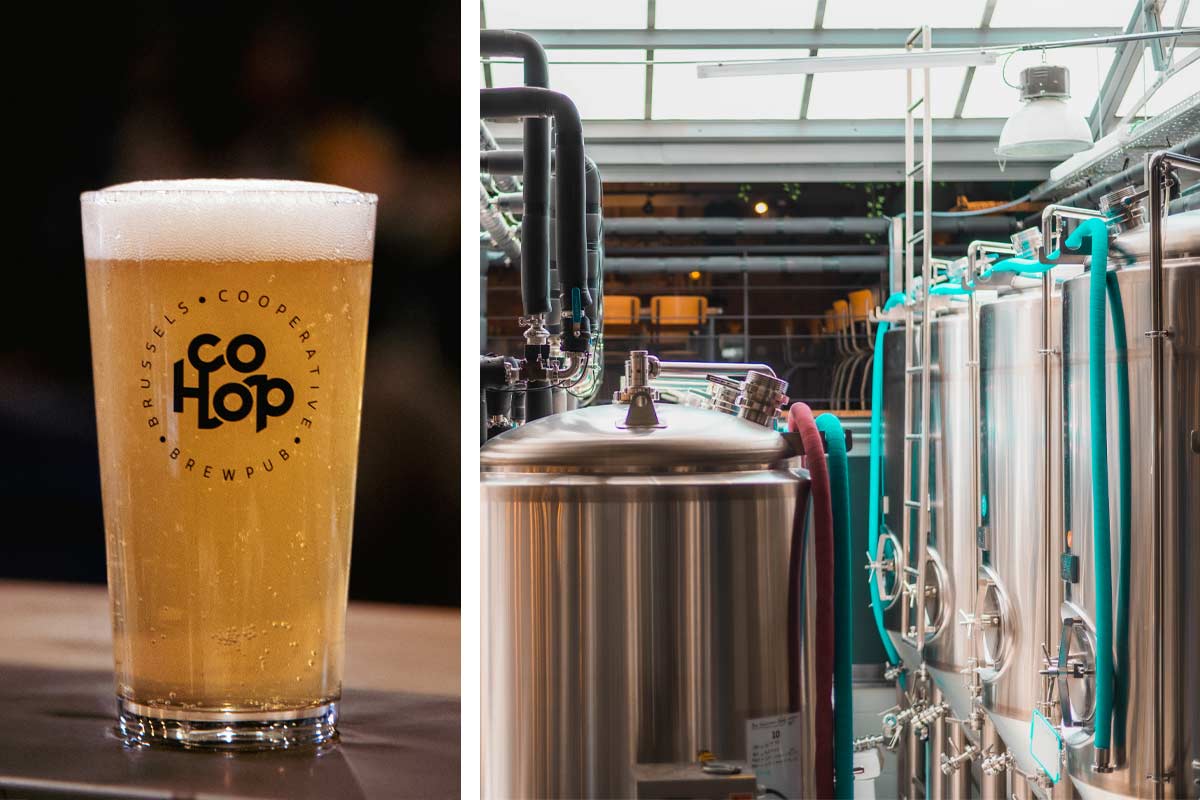
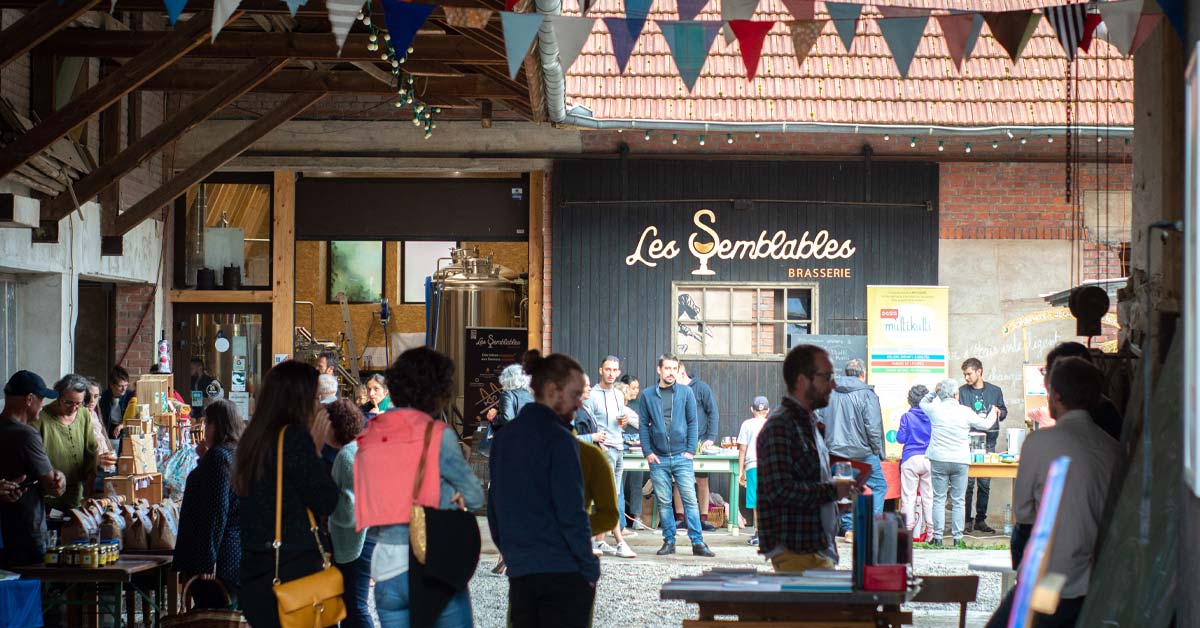
By settling in Oasis Multikulti, an repurposed farm in the village of Mietesheim near the German border, Les Semblables bypassed the isolation typical of new manufacturing startups. The site is a hub of activity, featuring community gardens, farmers’ markets, and workshops ranging from pottery to knitting. The brewery occupies former stables, utilizing the existing foot traffic generated by the association’s diverse programming.
The economic implications of this model are twofold. First, it reduces the marketing burden on the brewery, as the location is already a destination for the local populace. Second, it fosters a symbiotic relationship where the business contributes to the social fabric. Pernelle, who manages the association’s social media as a volunteer, notes that the success of the brewery is tethered to the health of the collective. This shift from "tenant" to "stakeholder" represents a growing trend in European craft brewing, where businesses seek to mitigate the risks of rural depopulation by becoming essential community anchors.
The Shared Economy: A Response to Economic Volatility
The financial barriers to entry in the brewing industry have increased sharply since 2020. Rising costs for raw materials—specifically malt, hops, and CO2—combined with skyrocketing energy prices and interest rates, have made independent ownership increasingly precarious. In response, the "communal brewhouse" model is experiencing a modern resurgence.
This concept finds its historical roots in the German tradition of Zoiglbier. Practiced for centuries in the Upper Palatinate region of Bavaria, Zoiglbier involves non-professional brewers sharing a town-owned brewhouse. The tradition was so significant to the cultural identity of the region that UNESCO recognized "Oberpfälzer Zoiglkultur" as part of Germany’s intangible cultural heritage in 2018.
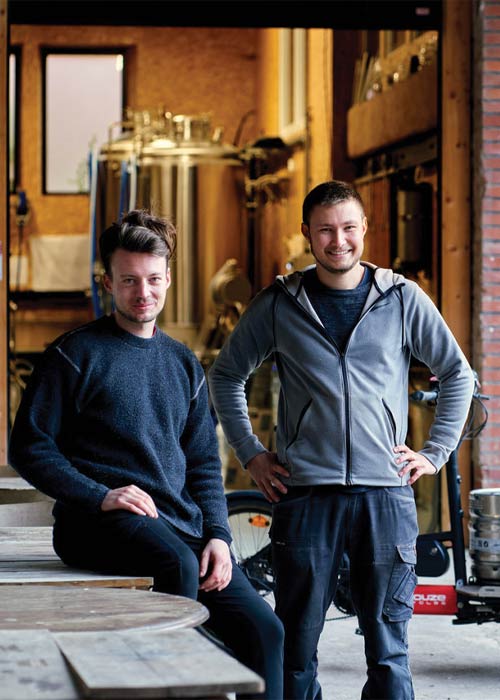
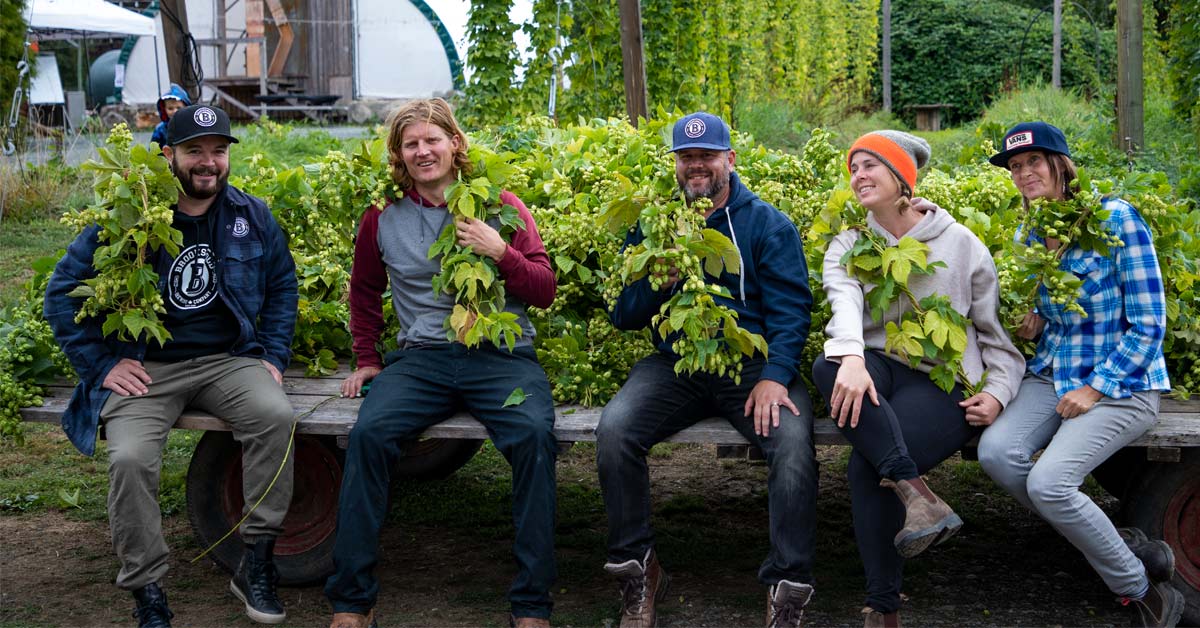
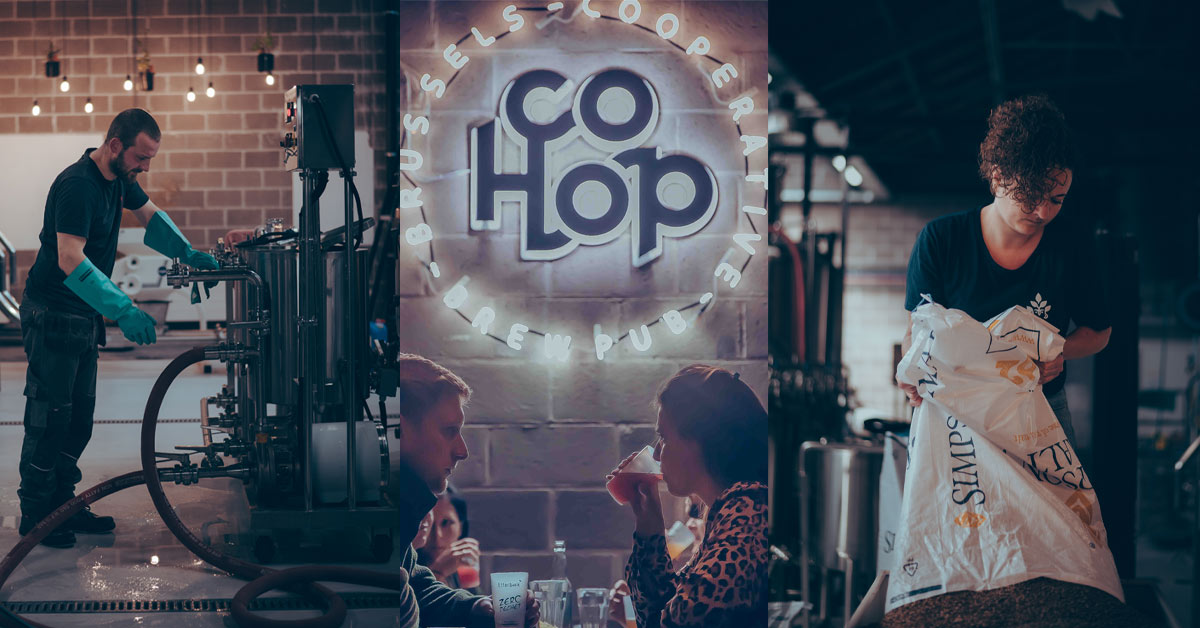
In 2021, this historical blueprint was modernized in Brussels with the opening of CoHop. Founded by Thomas Detourbe of Brasserie Witloof and joined by partners from La Bagarre, Janine, and 1Bière 2Tartines (with La Flaque joining in 2025), CoHop operates as a cooperative. Rather than five separate entities investing in five separate brewhouses, canning lines, and cold storage units, the breweries share a single facility and taproom.
This shared-asset model addresses several industry pain points:
- Capital Expenditure (CapEx) Reduction: By splitting the cost of high-end brewing equipment, smaller brands can access technology that would otherwise be cost-prohibitive.
- Sustainability: Centralized production reduces the carbon footprint per hectoliter by optimizing water and energy usage.
- Operational Specialization: At CoHop, administrative and maintenance tasks are divided among the partners. One team manages the brewing schedule, another handles raw material procurement, and a third oversees equipment maintenance.
Rémi Pequin, coordinator of CoHop and founder of La Bagarre, emphasizes that this model allows each brand to maintain its unique identity while benefiting from the economies of scale usually reserved for much larger regional breweries.
Beyond Beer: The Rise of the Fermentory
While some brewers are redefining where they brew, others are redefining what they ferment. The "fermentory" or "fermentorium" is an emerging category that positions beer as just one of many products created through the manipulation of yeast and bacteria. This trend aligns with the "sober-curious" movement and a growing consumer demand for low-alcohol, functional, and health-conscious beverages.
Establishments like Fermentery Form in Philadelphia and Fox Tale Fermentation in San Jose are blurring the lines between a brewery, a winery, and a laboratory. By utilizing winemaking techniques—such as the Solera system for continuous aging—and incorporating non-traditional ingredients like flowers, koji, and local botanicals, these businesses are insulating themselves against fluctuations in the beer market.
At Mindscape Fermentations in Rocklin, California, co-founders Lauren Price and Lauren Houston deliberately chose the "fermentations" moniker to signal a broader scope. Their portfolio includes beer, kombucha, seltzers, and fermented foods. This diversification serves as a strategic hedge; if beer sales decline due to health trends or changing tastes, the business can pivot its production toward its other fermented offerings.
Data suggests this approach is also diversifying the brewery demographic. Houston notes that Mindscape attracts significantly more women and a broader age range than traditional taprooms. By focusing on sustainability and the biological process of fermentation rather than the "bro-culture" often associated with craft beer, fermentories are tapping into an underserved market segment.
Industry Chronology and Market Context
The evolution of these spaces can be traced through a specific timeline of industry shifts:
- 2010–2015: The Taproom Boom. Breweries began shifting away from a 100% distribution model to focus on high-margin on-premise sales.
- 2016–2019: Market Saturation and Experience Economy. As the number of breweries in the U.S. and Europe surpassed historical highs, owners added "lifestyle" amenities like yoga, live music, and outdoor lodging to compete.
- 2020–2022: Pandemic Resilience. The COVID-19 pandemic highlighted the vulnerability of businesses reliant solely on draft sales, prompting an increased focus on diversified revenue streams and community support.
- 2023–Present: The Cooperative and Multi-Fermentation Era. Facing inflation and a "post-beer" consumer landscape, the industry is consolidating resources through cooperatives and expanding product lines into the broader fermentation category.
Analysis of Implications
The move toward shared spaces and broader fermentation profiles suggests a permanent shift in the craft beverage industry’s business logic. The "lone wolf" model of the 1990s and 2000s—where an individual entrepreneur builds a brand in isolation—is becoming increasingly unfeasible for small-scale starters.
The cooperative model seen at CoHop provides a blueprint for urban manufacturing, where space is at a premium. By centralizing production, cities can retain industrial jobs and artisanal culture without the sprawl of multiple small factories. Meanwhile, the "tiers-lieu" model offers a solution for rural economic development, using the brewery as a "magnet" to draw people back to village centers.
Furthermore, the shift toward "fermentories" reflects a broader cultural change regarding alcohol consumption. As Gen Z and Millennials drink less alcohol by volume (ABV) than previous generations, the ability to produce high-quality kombucha or non-alcoholic fermented beverages is no longer an "extra"—it is a necessity for long-term viability.
Conclusion
The modern brewery is no longer a static entity. It has become a dynamic, adaptable space that responds to the economic and social needs of its environment. Whether through the sharing of physical equipment in Brussels, the integration into social associations in France, or the scientific expansion of the fermenter’s craft in California, the industry is proving its resilience through collaboration and diversification. As the economic climate remains unpredictable, the breweries that thrive will likely be those that view themselves not just as makers of beer, but as stewards of community and masters of the broader art of fermentation.