 admin
admin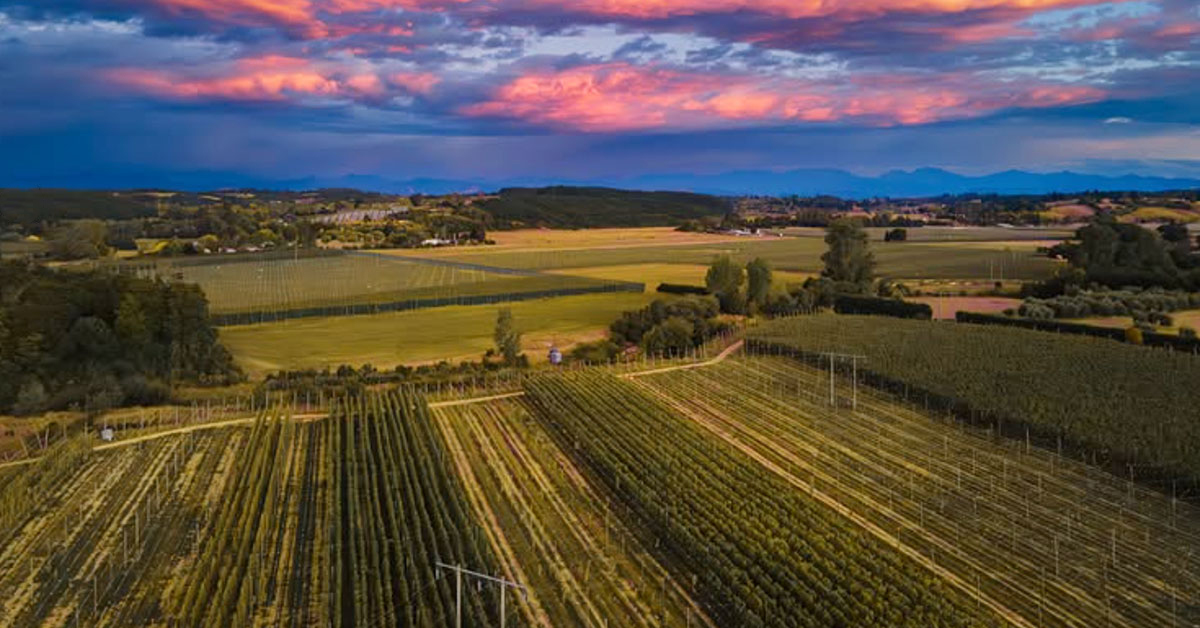
The concept of terroir, a term historically synonymous with the French wine industry’s rigorous appellation d’origine contrôlée system, has long been absent from the standard lexicon of the global brewing industry. Traditionally, beer was viewed as a manufactured product of industrial consistency rather than an agricultural expression of a specific geography. However, as the craft beer movement matures, the principle of "taste of place"—the literal translation of terroir—is becoming the defining framework for a new generation of brewers and hop growers. While malt, yeast, and water provide the structural foundation of beer, it is the hop flower that serves as the primary vessel for geographic singularity. Today, this agricultural evolution is most visible in the specialized hop fields of New Zealand, where a combination of isolation, volcanic soil, and innovative farming techniques is reshaping the flavor profile of modern ales.
The Definition and Rebirth of Brewing Terroir
In the context of viticulture, terroir encompasses the environmental factors—soil chemistry, climate, topography, and microbial ecology—that affect a crop’s phenotype. For decades, the hop industry focused on alpha-acid percentages, a measure of bittering potential, treating the plants as a commodity. This shifted with the rise of aromatic, "C-hop" varieties in the United States, such as Cascade and Centennial, which introduced citrus and pine notes to the American palate.
However, the industry has now moved beyond broad regional characteristics to site-specific nuances. Agricultural data suggests that a Citra hop grown in the Yakima Valley of Washington produces a vastly different aromatic profile than the same variety grown in Idaho or Germany. This realization has led brewers to seek out "lot-specific" selections, mirroring the way a sommelier might distinguish between a Cabernet Sauvignon from Napa Valley versus one from Bordeaux. New Zealand has emerged as the vanguard of this movement, offering a catalog of proprietary cultivars that provide a "cool-climate" wine character that is currently unrivaled in the global market.
The Rise of the New Zealand Cultivar
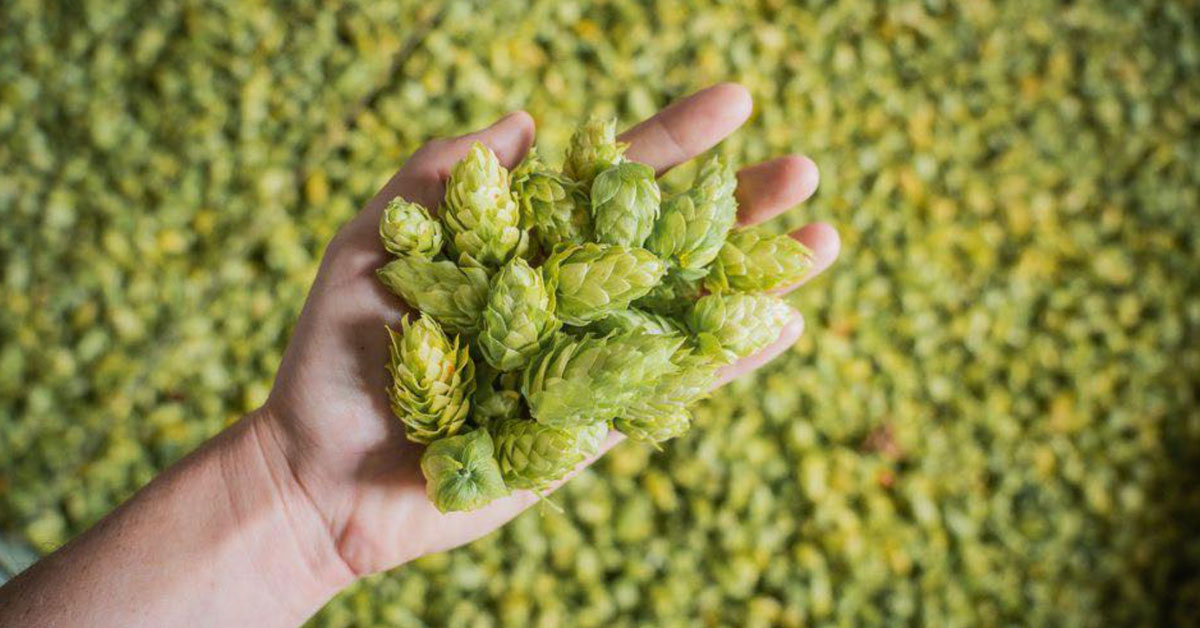
The international ascent of New Zealand hops can be traced back to the early 2000s, specifically with the release of the Nelson Sauvin variety. Developed by the New Zealand Institute for Plant and Food Research and released in 2000, Nelson Sauvin was named for its striking resemblance to the Sauvignon Blanc grapes grown in the same region. Its chemical composition includes high levels of specific essential oils that produce notes of crushed gooseberries and passionfruit.
This variety catalyzed a shift in consumer preference. Shortly after, cultivars such as Motueka and Riwaka gained cult status among American "hop heads." Motueka, a cross between a New Zealand breeding selection and the Czech Saaz, offers a profile of candied lime and tropical fruit. Riwaka, perhaps the most elusive and prized of the group, is known for an intense "dank" aroma paired with bright pink grapefruit.
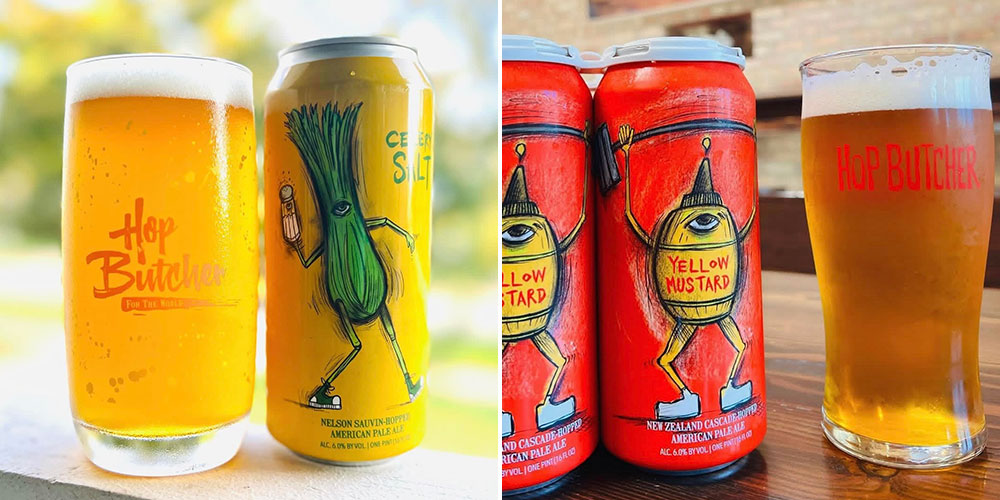
According to Jude La Rose, owner of the Chicago-based Hop Butcher for the World, these hops bridge the gap between traditional tropical fruit notes and sophisticated vinous qualities. "They deliver on citrus and tropical notes, but then they transition into this cool-climate wine character," La Rose noted. This unique profile has made New Zealand hops the primary ingredient in the most sought-after India Pale Ales (IPAs) in the United States and Europe.
The Eggers Hops Case Study: Precision in Harvest
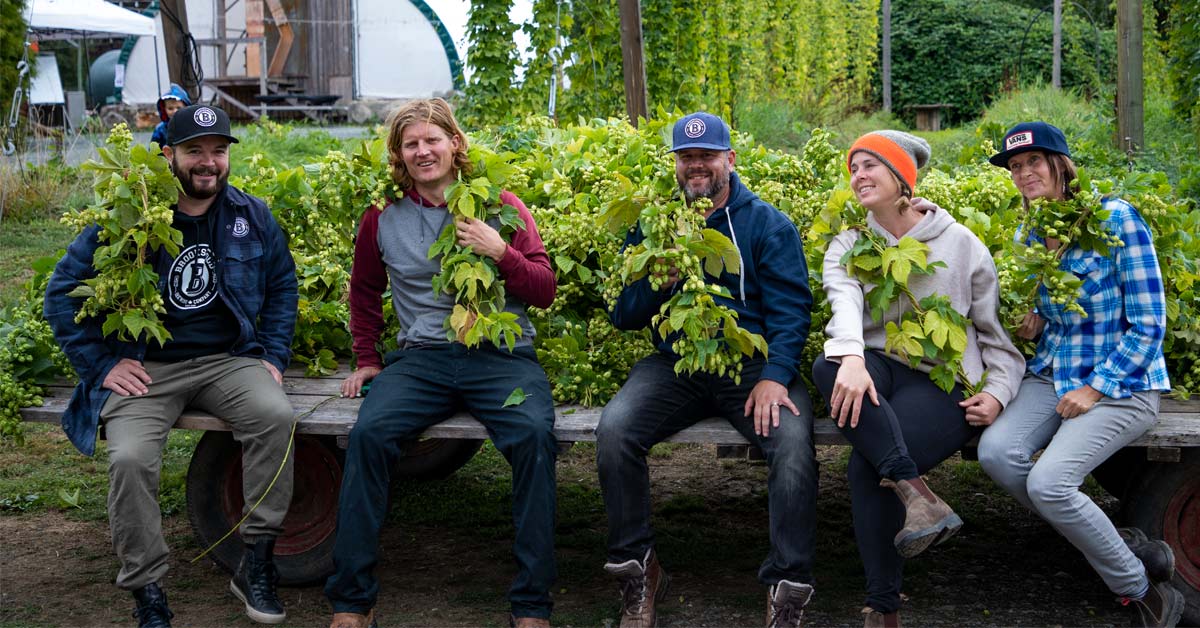
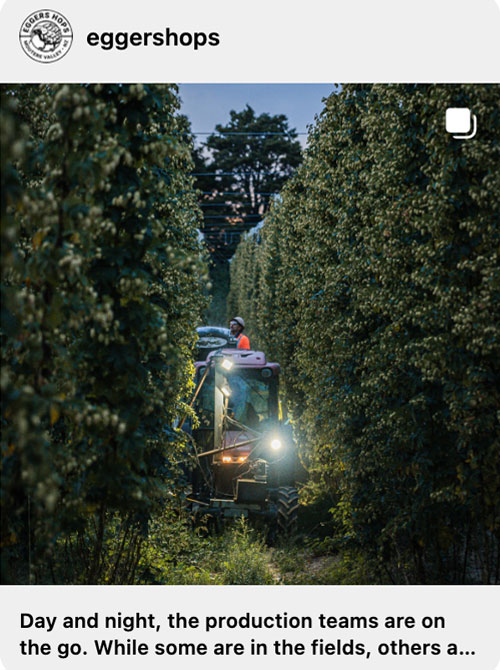
A critical component of the terroir movement is the refinement of harvesting techniques. Eggers Hops, a sixth-generation independent farm located in the Upper Moutere Valley, has pioneered a method of "harvest window" segregation that treats hops with the same specificity as estate-grown grapes.
Traditionally, hops of the same variety were harvested across a multi-week window and blended into a homogenous lot to ensure consistency. Kem Eggers, the farm’s lead grower, has rejected this industrial approach in favor of lot segregation based on the precise date and block of the harvest. By harvesting, kilning, and pelletizing quickly without blending, Eggers produces "early" and "late" selections of the same hop variety that exhibit vastly different characteristics.
For example, an early-harvest Riwaka may be bright and citrusy, while a late-harvest version—sometimes characterized by yellow-tinged pellets due to extreme ripeness—offers an oily, pungent intensity. Adam Rosenthal, owner of New York’s Wayward Lane Brewing, observed that these late-harvest selections provide an "intensity on a whole other level," allowing brewers to dial in specific flavor profiles that were previously unattainable through blended commercial hops. This level of specificity is the cornerstone of the "Eggers Special," a curated harvest that has become a benchmark for quality in the craft sector.
Geographic Isolation and Sustainable Methodology
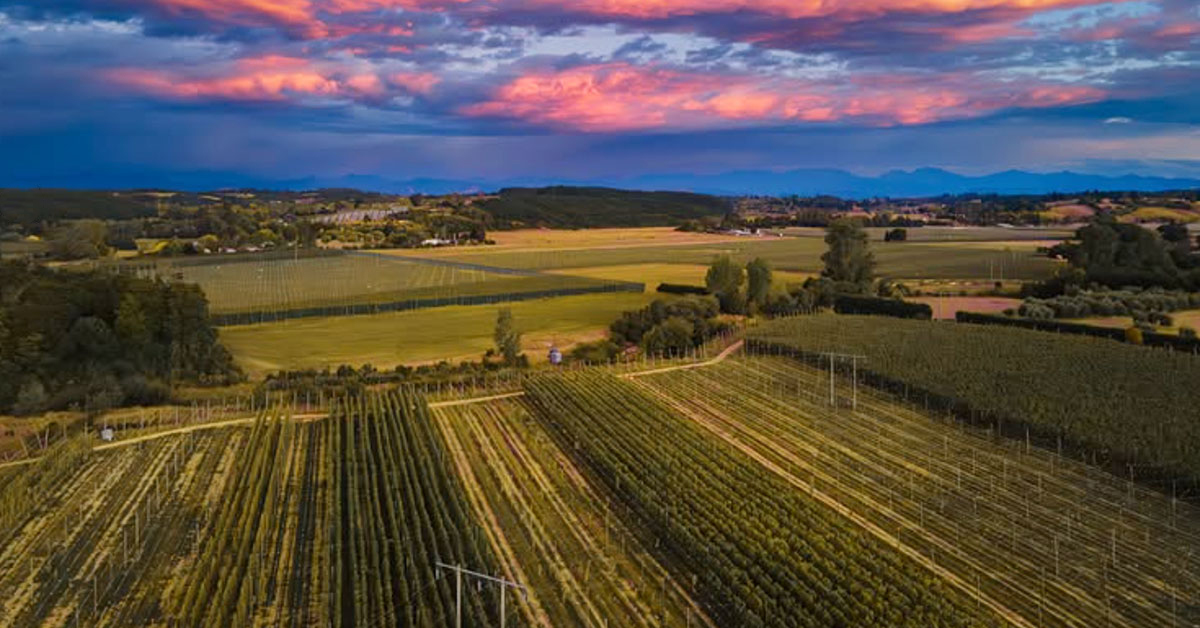
New Zealand’s success is not merely a product of clever breeding; it is a result of the nation’s unique biosecurity and geography. As an island nation, New Zealand is naturally insulated from many of the pests and diseases that plague hop yards in the Northern Hemisphere, such as downy mildew and the hop aphid. This isolation has allowed the country to become the largest producer of organic hops in the world.
The sustainable practices employed on these farms often resemble 19th-century traditionalism combined with 21st-century science. Rather than utilizing heavy machinery for defoliation, many New Zealand hop growers employ sheep. These flocks graze between the bines, naturally removing the lower leaves (defoliation) and managing cover crops. This process assists in nutrient cycling and maintains soil structure without the soil compaction caused by tractors.
Furthermore, New Zealand growers have implemented biological pest controls. To manage the two-spotted mite, a common hop pest, farmers introduce a predatory mite (Phytoseiulus persimilis) that feeds on the destructive species, eliminating the need for chemical miticides. These low-intervention techniques ensure that the final product is a pure expression of the environment, untainted by heavy chemical applications.
Technical Advancement: From Pellets to Concentrates
The integration of New Zealand terroir into the American market has been accelerated by breakthroughs in hop processing technology. While T-90 pellets (compressed hop powder) remain the industry standard, new "advanced hop products" are allowing brewers to push the boundaries of flavor saturation.
These products are created through cryogenic processing, which involves freezing hop cones with liquid nitrogen to isolate the lupulin—the yellow glands containing the resins and essential oils. By removing the vegetative plant material (the bract), processors create highly concentrated extracts.
- Cryo Hops: A concentrated lupulin powder that provides intense aroma with less astringency.
- SubZero Hop Kief: A liquid lupulin extract that can be added during the "dry-hopping" stage of fermentation to provide a "true-to-type" hop character.
- Hyperboost: A flowable hop oil designed to increase whirlpool efficiency and aroma.
The use of New Zealand varieties in these formats has revolutionized the Hazy IPA (or New England IPA) sub-genre. Because these beers rely on massive hop additions, using concentrated New Zealand extracts allows brewers to achieve "hop saturation" without the liquid loss and "green" vegetal flavors associated with using large quantities of traditional pellets.
Economic Impact and Market Implications
The demand for New Zealand hops has had a measurable impact on the global hop trade. Despite New Zealand producing less than 2% of the world’s total hop volume, its value share is significantly higher due to the premium prices commanded by its proprietary varieties. In the United States, the craft beer segment—which accounts for roughly 13% of the total beer market by volume but nearly 25% by dollar value—is the primary driver of this demand.
The economic relationship is symbiotic. For New Zealand growers, the U.S. craft market provides a high-margin outlet for specialized crops. For U.S. brewers, New Zealand hops provide a necessary point of differentiation in a crowded marketplace where over 9,500 breweries compete for shelf space. The "NZ IPA" has effectively become its own recognized style, often fetching higher price points at retail due to the increased cost of the raw ingredients.
Conclusion: The Future of the "Taste of Place"
As the brewing industry continues to professionalize, the emphasis on agricultural specificity is expected to grow. The work of growers like Kem Eggers and brewers like Jude La Rose and Adam Rosenthal suggests that the industry is only at the beginning of its journey into terroir. The next phase of this evolution will likely involve even greater education for the consumer, moving toward a model where beer labels list not just the hop variety, but the specific farm and harvest date.
The challenge remains in scaling these artisanal practices to meet global demand without sacrificing the unique characteristics that make them valuable. However, the current trend is clear: the "taste of place" is no longer a concept reserved for the wine cellar. Through the unique bines of the Moutere Valley and the innovative vats of American craft breweries, terroir has found a permanent home in the pint glass. As Kem Eggers noted, the majority of the market has yet to fully experience the sheer variety of New Zealand’s cultivars, suggesting that the influence of the Southern Hemisphere on global beer is poised for continued expansion.