 admin
admin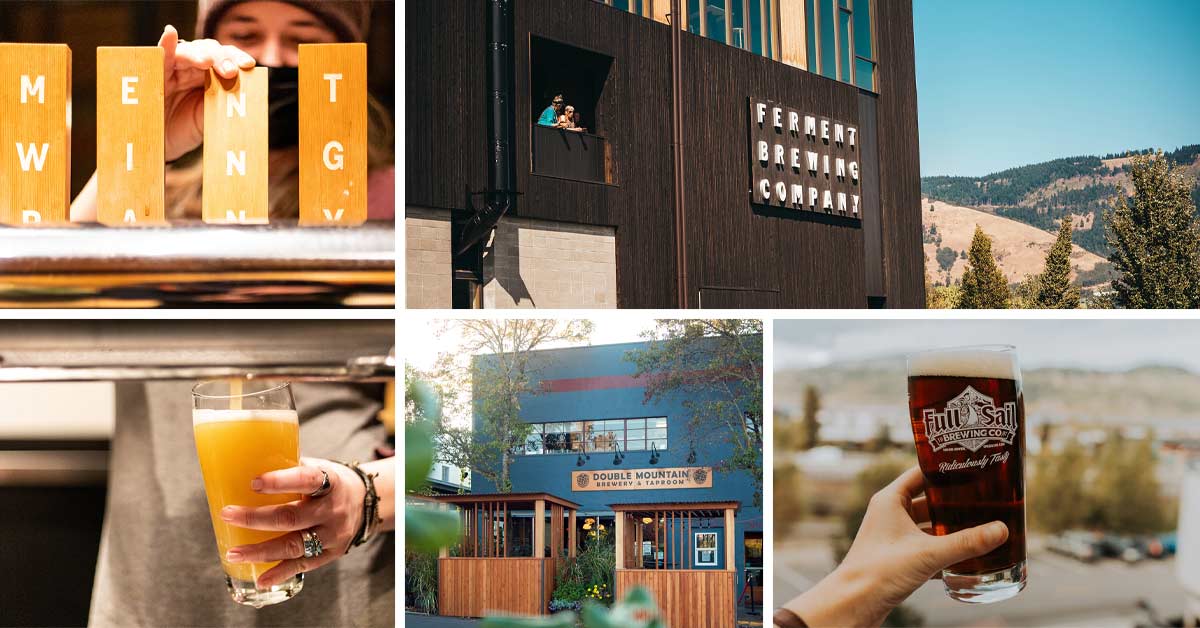
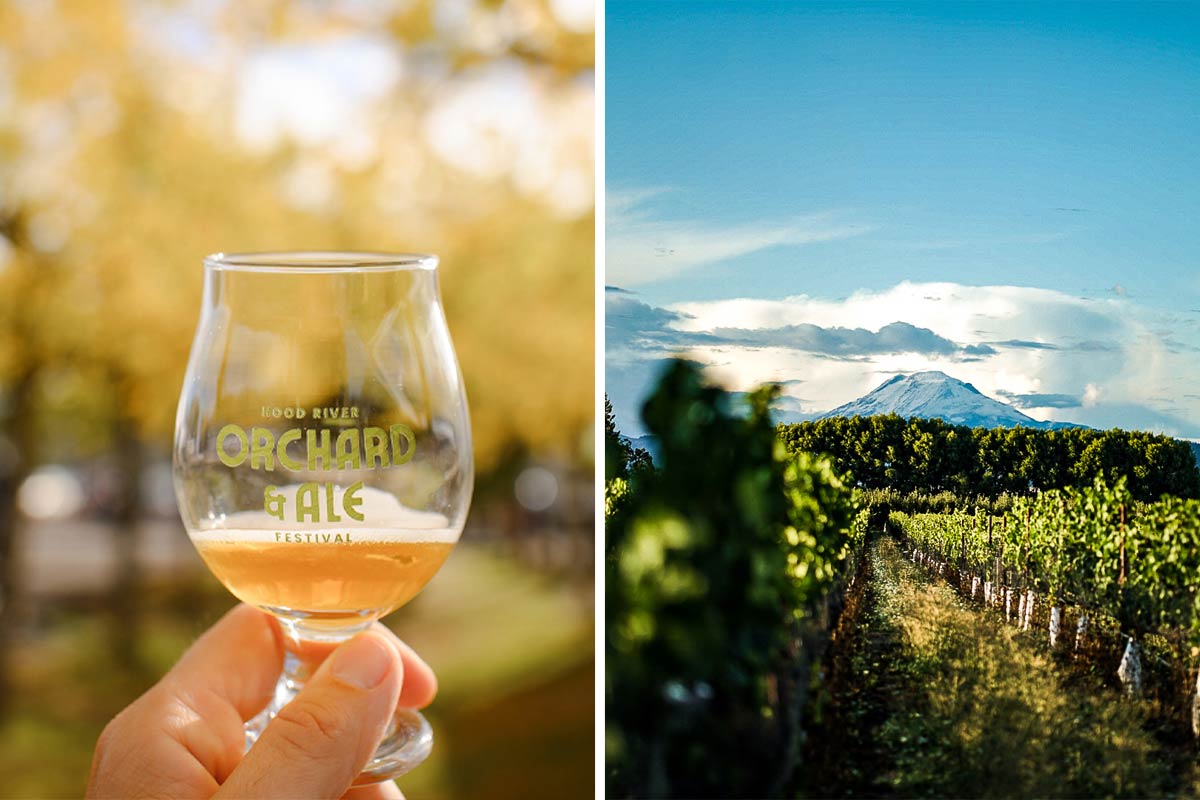
The inaugural Hood River Orchard and Ale Festival recently concluded on the banks of the Columbia River, marking a significant milestone in the maturation of the Pacific Northwest’s craft beverage industry. Held against the backdrop of the Columbia River Gorge, the event served as both a celebration of local agriculture and a showcase for one of the highest concentrations of world-class breweries in the United States. While the festival faced the logistical challenges inherent to the region’s geography—most notably the powerful gusts characteristic of the Gorge’s "wind tunnel" effect—it successfully highlighted the symbiotic relationship between Hood River’s unique geological features and its burgeoning economic status as a premier destination for fermentation science.
Geological Foundations and the Hydrology of Hood River Brewing
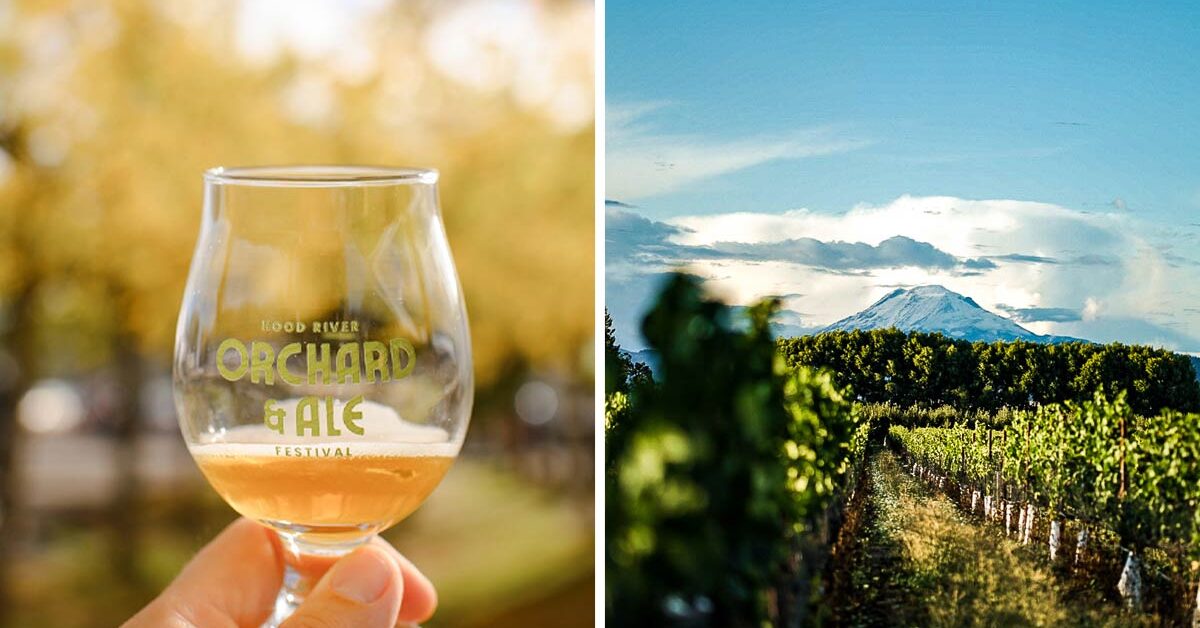
The success of the Hood River brewing scene is inextricably linked to the region’s distinct environmental profile. The Columbia River Gorge, an ancient canyon carved through the Cascade Mountain Range, provides a microclimate and water source that are difficult to replicate elsewhere. While the festival was situated on the waterfront, the breweries themselves rely on the Hood River watershed rather than the river’s main stem. This water originates as snowmelt from the 14,000-foot peaks of the Cascades, undergoing a natural filtration process through layers of volcanic basalt rock.
This geological transit results in a water profile that is remarkably soft and clean, yet rich in essential minerals that enhance the clarity and "crispness" of fermented beverages. For brewers, this water serves as a blank canvas, particularly suited for delicate styles like pilsners and lagers where water chemistry is paramount. Furthermore, the region’s proximity to the Willamette Valley—one of the world’s most productive hop-growing regions—ensures that breweries have access to fresh, high-quality ingredients with minimal transit times. This agricultural proximity allows for the production of "fresh hop" beers, a seasonal specialty of the Pacific Northwest where hops are harvested and utilized in the brewing process within 24 hours.
A Chronology of the Hood River Brewing Industry
The transformation of Hood River from a quiet orchard town of approximately 8,000 residents into a global brewing hub has occurred over nearly four decades. The timeline of this evolution illustrates the broader shifts in the American craft beer movement, from the early pioneers of the 1980s to the experimental "terroir-focused" breweries of the 2020s.
The Pioneer Era (1987–2000):
The foundation of the local scene was laid in 1987 with the establishment of Full Sail Brewing Co. As one of the original craft breweries in Oregon, Full Sail utilized the town’s industrial infrastructure to produce classic styles, such as their flagship Amber Ale. Their presence proved that the Gorge could support large-scale craft production, setting the stage for future entrepreneurs.
The Second Wave and Specialization (2007–2012):
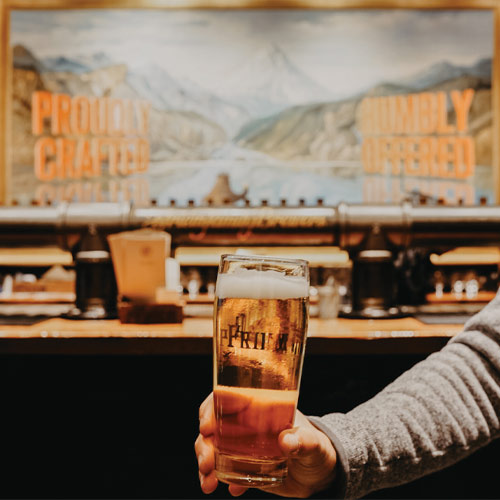
In 2007, Double Mountain Brewery opened its doors, focusing on unfiltered beers and a more aggressive hop profile, catering to the evolving palate of the American consumer. This was followed in 2012 by the emergence of pFriem Family Brewers. pFriem represented a shift toward European-inspired sophistication, blending traditional Belgian and German techniques with Northwest ingredients. Their rapid growth and critical acclaim helped solidify Hood River’s reputation as a center for high-quality, technically precise brewing.
The Modern Expansion (2018–Present):
Recent years have seen a diversification of the market. Ferment Brewing Company, established in 2018, introduced a farmhouse-style approach, utilizing local flora and fruits—such as Oregon strawberries—to create sour ales that reflect the local terroir. The years 2023 and 2025 saw the arrival of Hood River Brewing Company and Kings & Daughters Brewery, respectively. The latter’s opening of "The Walled Garden" pub signifies a move toward boutique, experience-driven hospitality that caters to both locals and the region’s robust tourism sector.
Economic Impact and Tourism Metrics
The density of breweries in Hood River—estimated at one brewery for every 1,000 residents—places the town at the forefront of national "beer tourism" statistics. According to data from the Brewers Association, the craft brewing industry contributes billions to the Oregon economy annually. In a town the size of Hood River, this industry acts as a primary economic driver, providing hundreds of jobs in production, distribution, and hospitality.
The Orchard and Ale Festival was strategically designed to leverage this economic engine. By combining the region’s historic orchard industry with its modern brewing success, organizers aimed to extend the tourism season into the early autumn. While specific attendance figures for the inaugural event are still being finalized, local hospitality experts suggest that such events are crucial for maintaining high occupancy rates in local hotels and increasing foot traffic for downtown retailers. The festival also serves as a platform for smaller operations, such as Working Hands Fermentation, to reach a broader audience. Specialized producers like Working Hands, which focuses on bottom-fermented lagers and schwarzbiers, benefit from the collective "draw" of the town’s more established brands.
Logistical Realities of the Columbia River Gorge
The inaugural festival also highlighted the environmental realities of hosting events in the Gorge. The region is a world-renowned destination for windsurfing and kiteboarding due to the reliable, high-velocity winds created by the pressure differential between the moist air of the coast and the dry air of the eastern deserts. On the day of the festival, these winds reached speeds sufficient to disrupt standard event operations, blowing over light equipment and necessitating the use of weighted glassware.
Industry analysts note that while these conditions present challenges for outdoor festivals, they are a fundamental part of the "Hood River Brand." The rugged, outdoor-centric lifestyle associated with the Gorge is a major component of the marketing strategy for local breweries. The wind, much like the volcanic water and the nearby hop fields, is viewed as an elemental force that defines the character of the region and, by extension, the products created there.
Analysis of Regional Trends and Future Implications
The success of the Hood River Orchard and Ale Festival suggests several emerging trends in the craft beverage sector. First is the move toward "hyper-localism." Consumers are increasingly seeking products that have a direct, traceable connection to the land. By highlighting the Hood River watershed and the use of local fruit in fermentation, the festival tapped into the "farm-to-glass" movement that is currently reshaping the industry.
Second is the resilience of the brick-and-mortar taproom model. Despite the rise of national distribution for brands like pFriem and Full Sail, the continued opening of new public houses like The Walled Garden indicates that the "destination brewery" remains a viable and necessary component of the business model. These spaces provide a controlled environment where brands can tell their story and offer experimental batches—such as the Fiesta Mexican Amber Lager or the Night Shift Schwarzbier—that may not be suited for wide-scale retail distribution.
Finally, the festival underscores the importance of industry collaboration. In a town with such high brewery density, the relationship between competitors is often more cooperative than adversarial. Shared resources, joint festivals, and a collective focus on maintaining the region’s quality standards have created a "rising tide" effect that benefits all participants.
Conclusion
The inaugural Hood River Orchard and Ale Festival was more than a local gathering; it was a demonstration of the sustained economic and cultural power of the craft brewing industry in rural Oregon. By navigating the complexities of the Gorge’s environment and leveraging the region’s unique agricultural and geological assets, Hood River has established a template for how small communities can cultivate a global reputation through specialized manufacturing and tourism. As the industry continues to evolve toward 2030, the lessons learned from this inaugural event—ranging from the necessity of durable infrastructure to the value of terroir-based storytelling—will likely influence the trajectory of craft brewing across the Pacific Northwest. The transition from the legacy of Full Sail to the modern innovations of Kings & Daughters reflects a community that is not only proud of its history but also strategically positioned for future growth.