 admin
admin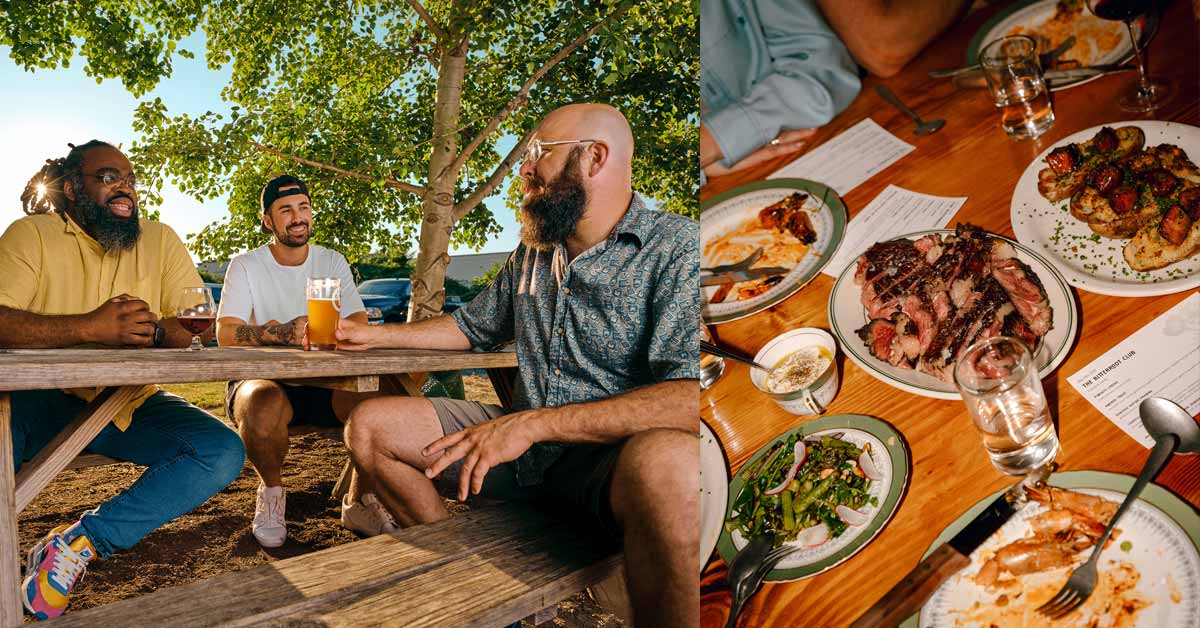
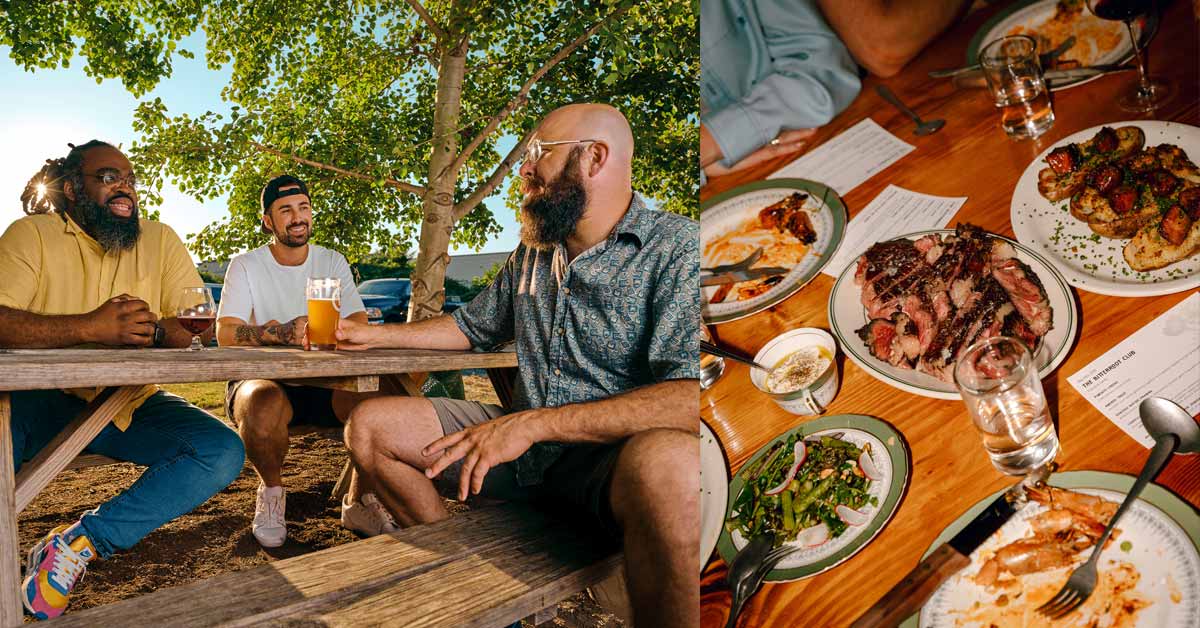
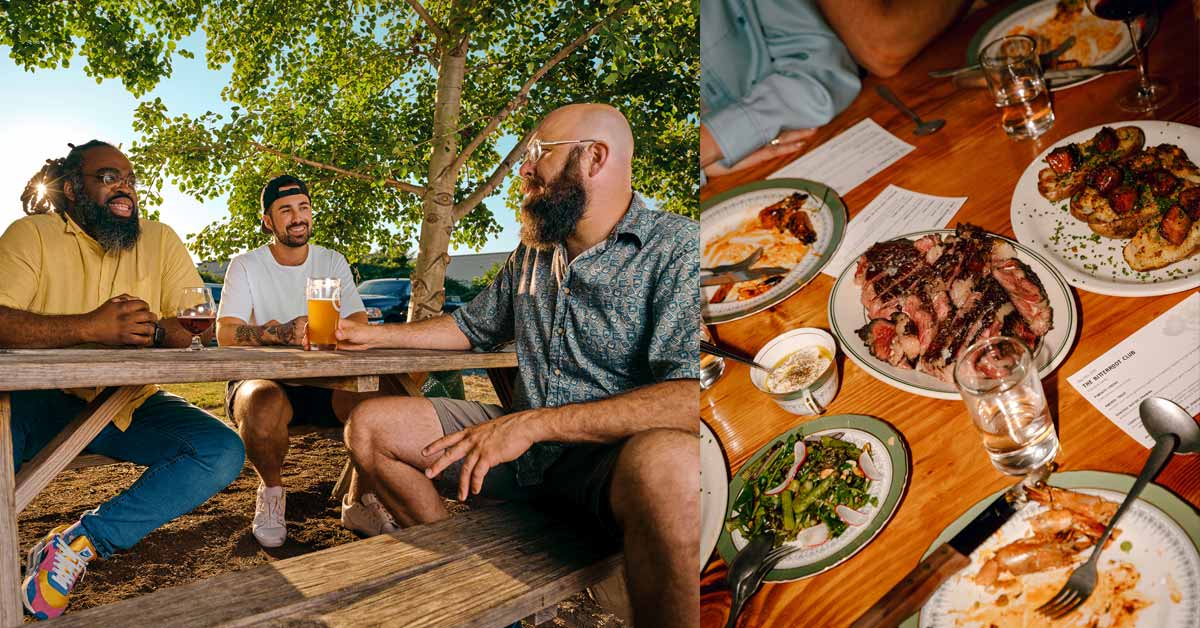
In the Buckman neighborhood of Southeast Portland, Oregon, the industrial aesthetic of wood and rustic steel at Grand Fir Brewing serves as a contemporary anchor for a city long defined by its fermentation prowess. While the main taproom hums with the typical energy of a Pacific Northwest brewpub, a nondescript door at the rear of the building leads to a windowless, candlelit space known as The Bitterroot Club. Here, the traditional boundaries of the American brewery are being redrawn. This weekly supper club, helmed by Top Chef finalist Doug Adams and veteran brewmaster Whitney Adams, represents a strategic evolution in a marketplace where "simply making good beer" is no longer the sole prerequisite for survival.
The Bitterroot Club offers a $135-per-person prix fixe menu that pairs high-concept culinary creations—such as Columbia king salmon with lemon, fig, and basil or charcoal-grilled pork chops with Nardello peppers—with highly technical beers. This "elevated" approach is a calculated response to a tightening economy and shifting consumer preferences. Whitney Adams, whose resume includes tenures at Upright Brewing, Elysian, and 10 Barrel Brewing Company, notes that the modern brewery requires a distinct "angle" to remain viable. In Portland, a city often referred to as "Beervana," that angle is increasingly defined by professional-grade culinary integration and a relentless focus on quality for an exceptionally discerning consumer base.
The Historical Foundations of Beervana
The term "Beervana" was first coined by the local alternative weekly Willamette Week in 1994, a period that marked the early maturation of Portland’s brewpub culture. However, the roots of this movement extend back to the 1980s, when pioneering breweries began to challenge the dominance of national macro-lager brands. According to Van Havig, master brewer and co-founder of Gigantic Brewing, Portland’s unique status was fostered by its geographic isolation. In the late 20th century, major national distributors had a smaller footprint in the Pacific Northwest compared to the Midwest or East Coast, allowing local independent brewers to seize the market early.
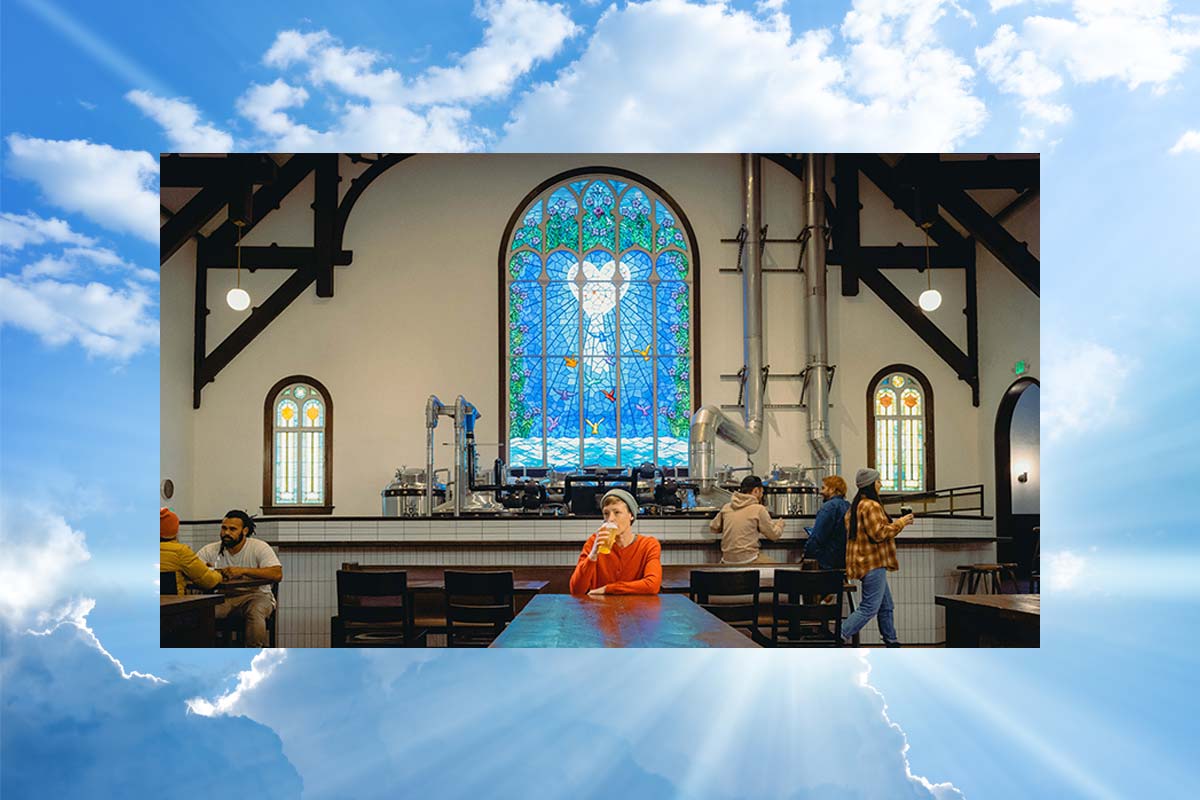
By the early 2000s, Portland had established itself as the most developed craft beer market in the United States. During this era, the local palate was shaped by what historians of the scene call the "omnipresent labels." These included Widmer Brothers’ Hefeweizen, Deschutes’ Mirror Pond Pale Ale and Black Butte Porter, Portland Brewing’s MacTarnahan’s Amber Ale, Full Sail’s Amber Ale, and the iconic BridgePort India Pale Ale. The latter, introduced in 1996, utilized five local hop varietals to create a floral, citrusy, and pine-forward profile that would become the global template for the Northwest-style IPA.
This period was characterized by a rapid expansion of consumer expectations. While other regions were just discovering craft beer, Portlanders were already accustomed to finding high-quality local options in even the most modest "dive bars." This normalization of independent beer created a feedback loop: brewers were pushed to innovate because the audience was literate in the nuances of hops and fermentation, and the audience grew more sophisticated because the brewers were constantly experimenting.
Chronology of Innovation and Market Shifts
The trajectory of Portland’s beer scene can be divided into three distinct waves. The first wave (1980s–1990s) was defined by the establishment of the brewpub model and the introduction of foundational styles like ambers and pale ales. The second wave (2000s–2010s) saw the rise of the "hop bomb" and the professionalization of the industry, where breweries like Breakside Brewing and Gigantic Brewing began pushing the boundaries of style, incorporating Belgian influences, barrel-aging programs, and wild fermentations.
Ben Edmunds, brewmaster at Breakside Brewing, notes that the mid-2010s were marked by a "growler phenomenon." During this time, the infrastructure for craft beer expanded into gas stations and grocery stores, which installed draft towers to meet the demand for fresh, local beer to go. This provided a "once-in-a-generation" opportunity for small production breweries to reach consumers without the overhead of a full-scale restaurant.
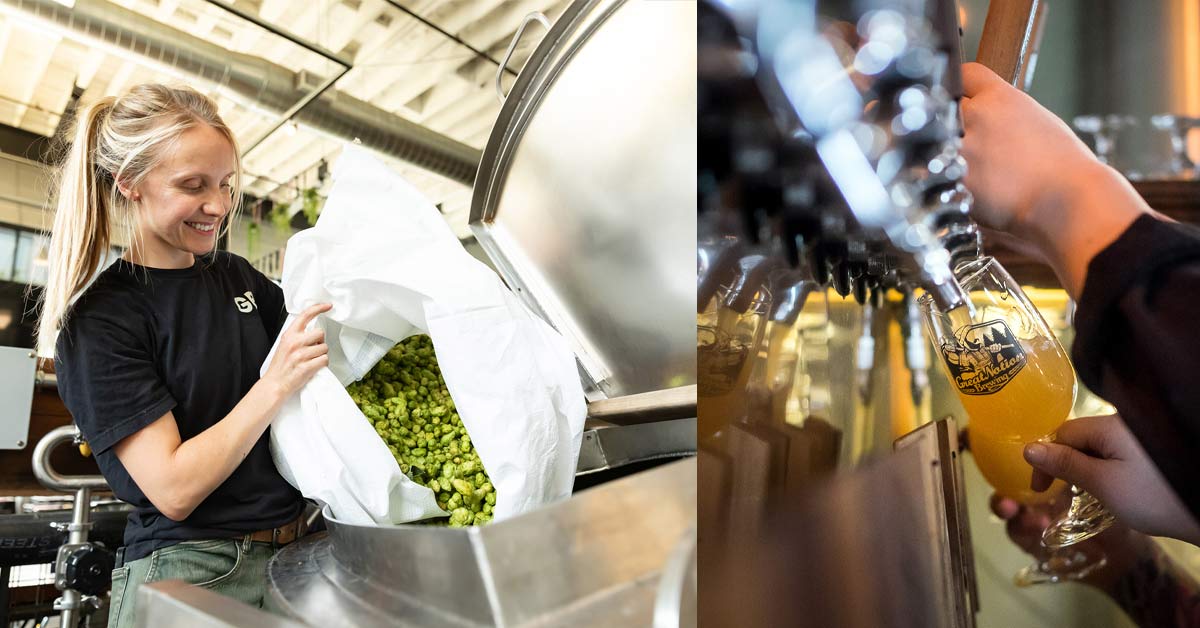
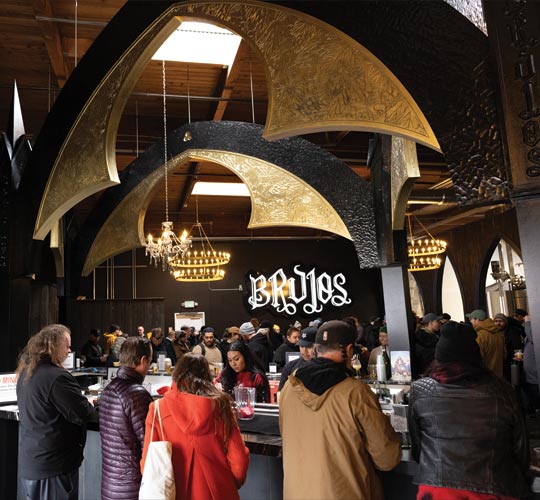
The third wave, which began in the late 2010s and continues today, is defined by hyper-specialization and the "brewing family tree." Long-time veterans of established breweries have branched out to start their own focused ventures. This has resulted in a landscape of highly specialized houses: Wayfinder Brewing, which popularized the "Cold IPA" (an IPA fermented with lager yeast for a crisper finish); Brujos Brewing, which focuses on "heavy metal" aesthetics and hazy IPAs; and Living Häus Beer Company, which emphasizes experimental lagers.
Supporting Data and Economic Impact
The significance of the beer industry to the Oregon economy cannot be overstated. According to data from the Oregon Brewers Guild, the state’s brewing industry contributes approximately $2.4 billion to the state’s economy annually and supports nearly 50,000 jobs. Oregon consistently ranks in the top tier of breweries per capita in the United States, with Portland often boasting the highest number of breweries of any city in the world.
However, the industry currently faces significant headwinds. The Brewers Association’s 2023 mid-year report indicated that while the craft beer market remains stable, growth has slowed to nearly zero percent nationally as consumers pivot toward spirits, canned cocktails (RTDs), and non-alcoholic options. In Portland, these national trends are exacerbated by skyrocketing real estate prices and the lingering economic effects of the COVID-19 pandemic.
To counter these challenges, Portland breweries are investing in diversification. Deschutes Brewery, a stalwart of the region, has recently made significant capital investments in dealcoholization technology to produce high-quality non-alcoholic (NA) versions of its flagship Black Butte Porter and Fresh Squeezed IPA. This move targets the growing "sober-curious" demographic and ensures the brand remains relevant in a changing cultural landscape.
Analysis of Local Resilience and "The Discerning Drinker"
The resilience of the Portland market lies in the unique relationship between the producer and the consumer. In many American cities, breweries have survived the post-pandemic slump by transforming into entertainment hubs—installing pickleball courts, dog parks, or arcade halls. While these amenities exist in Portland, the primary driver remains the liquid in the glass.
Whitney Adams argues that the "savvy" nature of the local customer base acts as a floor for quality. "People here are fans," she says. "They have a good pulse on what’s happening with each brewery." This sentiment is echoed by Ben Edmunds, who points out that the "craft" label has become redundant in Portland. When a resident asks to "go get a beer," the unspoken assumption is that the beer will be a locally produced, independent product.
This cultural integration has led to a "survival of the fittest" dynamic. As the marketplace becomes "slippery," only those who can maintain technical excellence while offering a unique experiential component—like the culinary-forward Bitterroot Club—are seeing continued growth. The shift from high-volume production to high-margin, "elevated" experiences appears to be the blueprint for the industry’s next decade.
Broader Implications for the Global Craft Movement
The current state of Portland’s beer scene serves as a bellwether for the global craft movement. The transition from a "growth-at-all-costs" model to one of sustainable, experience-based hospitality suggests that the industry is maturing. The success of breweries like Grand Fir, Great Notion, and Ruse Brewing indicates that the future of craft beer may not be in the grocery store aisles, but in the creation of "destination" spaces that offer something that cannot be replicated by a national brand.
Furthermore, the "brewing family tree" model—where experienced brewers leave larger companies to start smaller, quality-focused boutiques—ensures that the industry’s intellectual property remains local and vibrant. This prevents the stagnation that often occurs when an industry is dominated by a few large players.
In conclusion, while Portland faces the same economic pressures as any other major metropolitan area, its deep-rooted beer culture provides a level of stability that is rare in the beverage industry. The city has moved beyond the novelty of "microbrews" and into an era where independent beer is a fundamental part of the civic identity. As Van Havig of Gigantic Brewing aptly summarizes: "This is where craft beer won." The battle for the American palate may continue elsewhere, but in Portland, the victory is seen in every pint of bready lager and citrusy IPA served across its countless bars and taprooms. Beervana is no longer just a nickname; it is a matured ecosystem that continues to set the standard for the rest of the world.