 admin
admin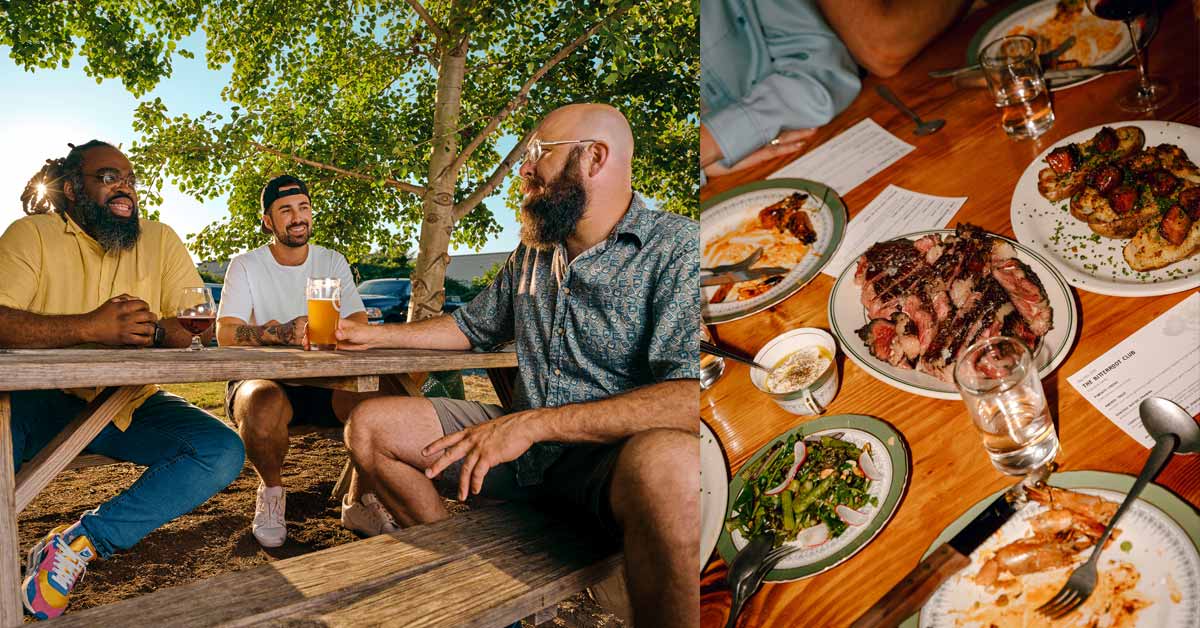
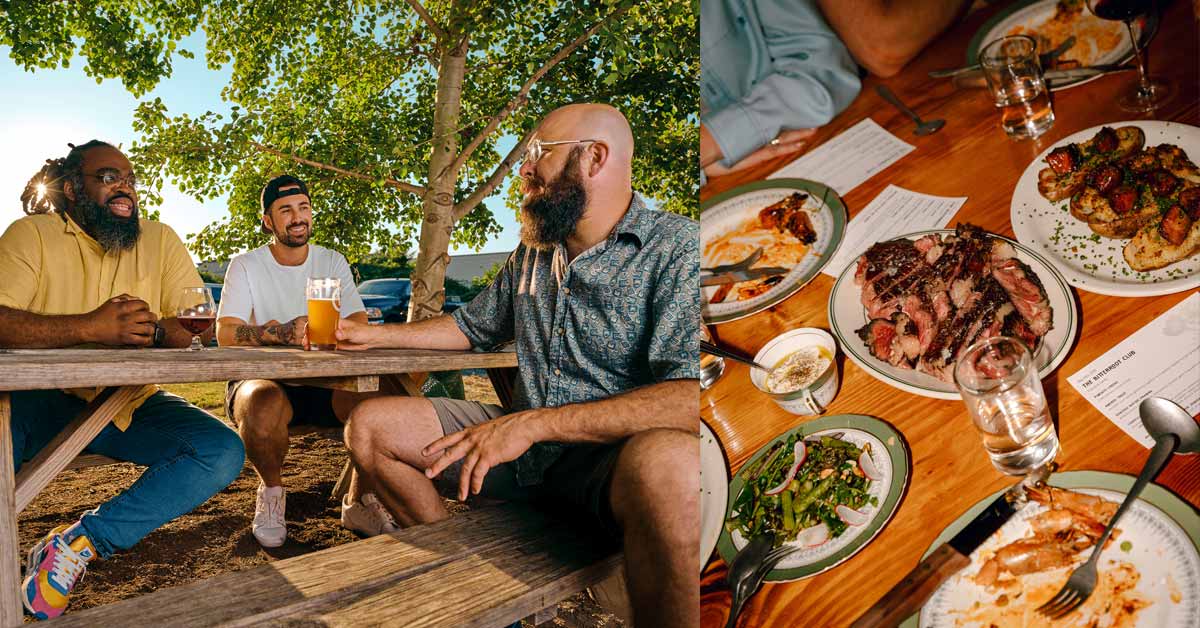
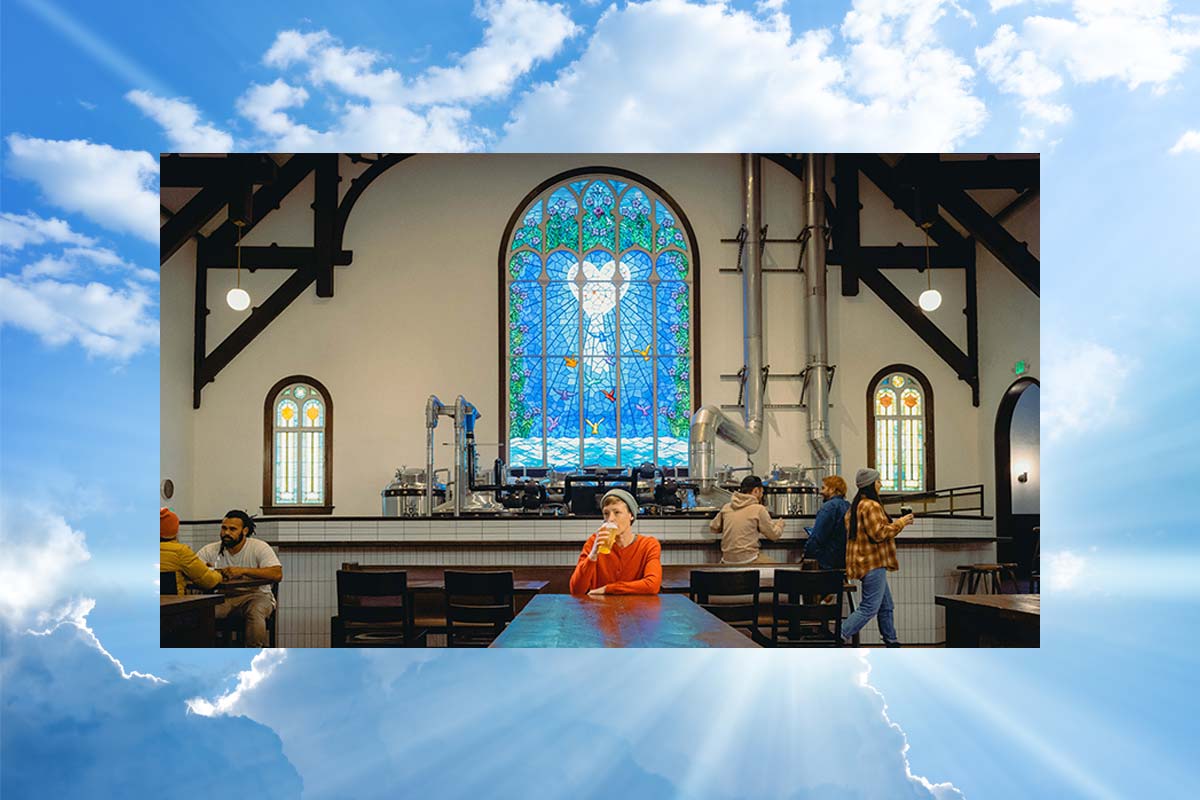
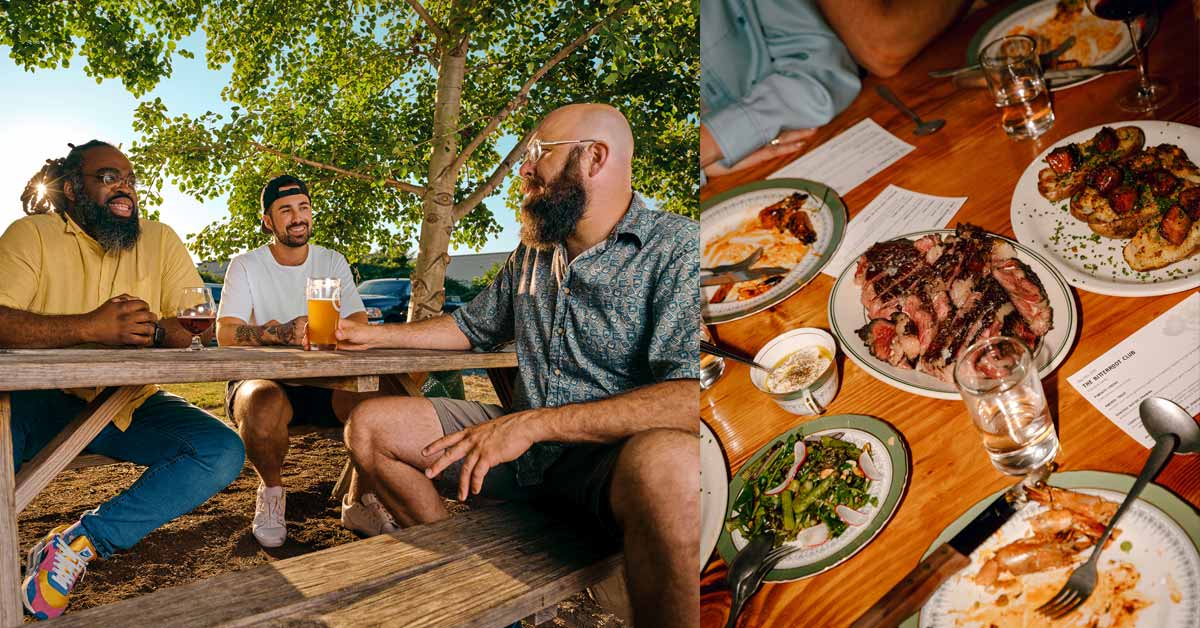
In the Buckman neighborhood of Southeast Portland, Oregon, the aesthetic of Grand Fir Brewing offers a masterclass in the "hip-meets-historic" atmosphere that has come to define the Pacific Northwest. While the main taproom hums with the typical energy of a successful urban brewpub—characterized by rustic steel accents and warm wood finishes—a more exclusive experience unfolds behind a nondescript door at the rear of the industrial building. Here, in a windowless space designed to evoke a secluded hunting lodge, The Bitterroot Club operates as a weekly supper club. Under the soft glow of candlelight and the watchful gaze of taxidermied wildlife, patrons engage in a high-end gastronomic experience that signals the latest evolution in Portland’s storied beer history.
The Bitterroot Club is the brainchild of Doug Adams, a Top Chef finalist and James Beard Award semifinalist, and his wife, Whitney Adams, a veteran brewmaster with a resume spanning Upright Brewing, Elysian, and 10 Barrel Brewing Company. The club’s $135-per-person prix fixe menu represents a significant departure from traditional brewpub fare. Seasonal pairings, such as Columbia king salmon served with lemon, fig, and basil matched against a bready Tamarack Fest lager, or charcoal-grilled pork chops paired with a Mosaic American IPA, illustrate a sophisticated synergy between the kitchen and the brewhouse. According to Whitney Adams, this "elevated" approach is not merely a creative choice but a strategic necessity in a modern market where simply producing quality beer is no longer a guaranteed path to commercial viability.
The Chronological Ascent of a Brewing Capital
To understand the current sophistication of the Portland market, one must examine the chronological development of what is colloquially known as "Beervana." The term was first popularized in 1994 by the local alternative weekly Willamette Week, at a time when the city’s brewing culture was beginning to transition from a niche hobby into a dominant local industry. However, the foundations were laid even earlier, in the mid-1980s, with the emergence of pioneers like Widmer Brothers and BridgePort Brewing Company.
By the early 2000s, Portland had established the most developed craft beer market in the United States. During this era, a "Big Six" of local brews dominated tap handles across the city: Widmer Brothers’ Hefeweizen, Deschutes’ Mirror Pond Pale Ale and Black Butte Porter, Portland Brewing’s MacTarnahan’s Amber Ale, Full Sail’s Amber Ale, and the BridgePort India Pale Ale. The latter, introduced in 1996, served as a prototype for the Northwest-style IPA—a hop-forward, assertive beverage that utilized local varietals to create profiles of citrus, pine, and floral notes.
The 2010s marked a period of rapid diversification and "real estate" expansion for craft beer. This decade saw the rise of specialized beer bars and the "growler phenomenon," where gas stations and grocery stores installed multi-tap draft towers to meet consumer demand for fresh, local beer. This period also saw the birth of modern staples like Breakside Brewing (founded in 2010) and Gigantic Brewing (2012), which pushed the boundaries of experimentation with Belgian ales, barrel-aging programs, and wild fermentations.
Geographic Isolation and the Marginalization of Macro-Lagers
A critical factor in Portland’s unique trajectory is its geographic and economic isolation from the traditional centers of American brewing. Van Havig, master brewer and co-founder of Gigantic Brewing, notes that because major national brands like Miller and Budweiser historically maintained a minor presence in the Pacific Northwest, local distributors and brewpubs were able to claim market dominance early on.
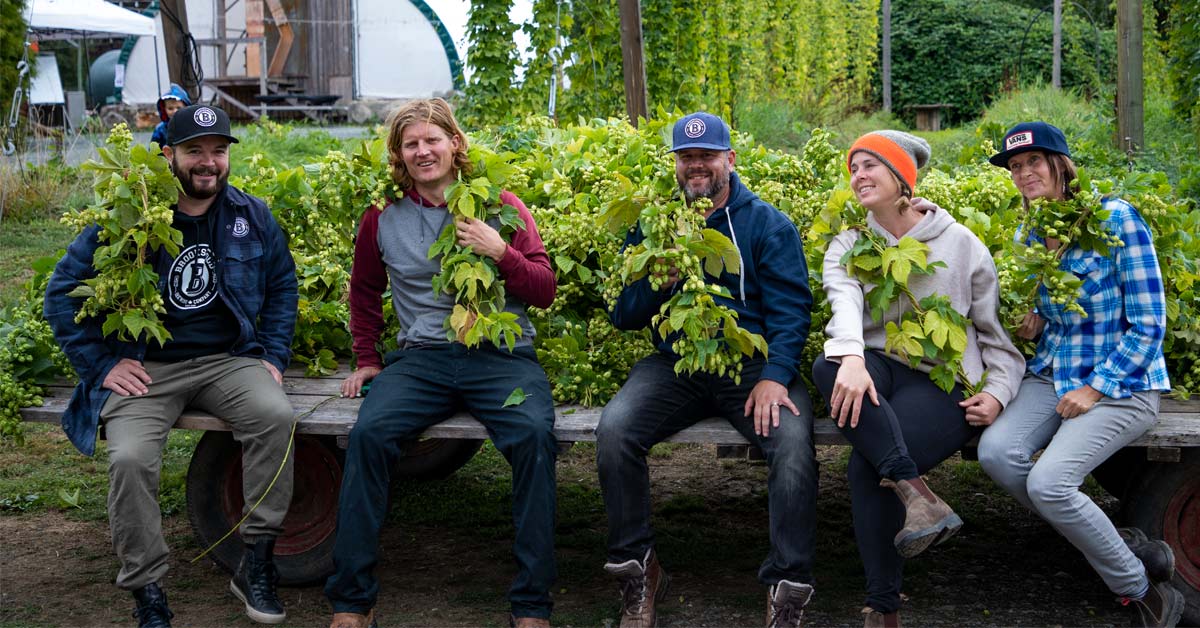
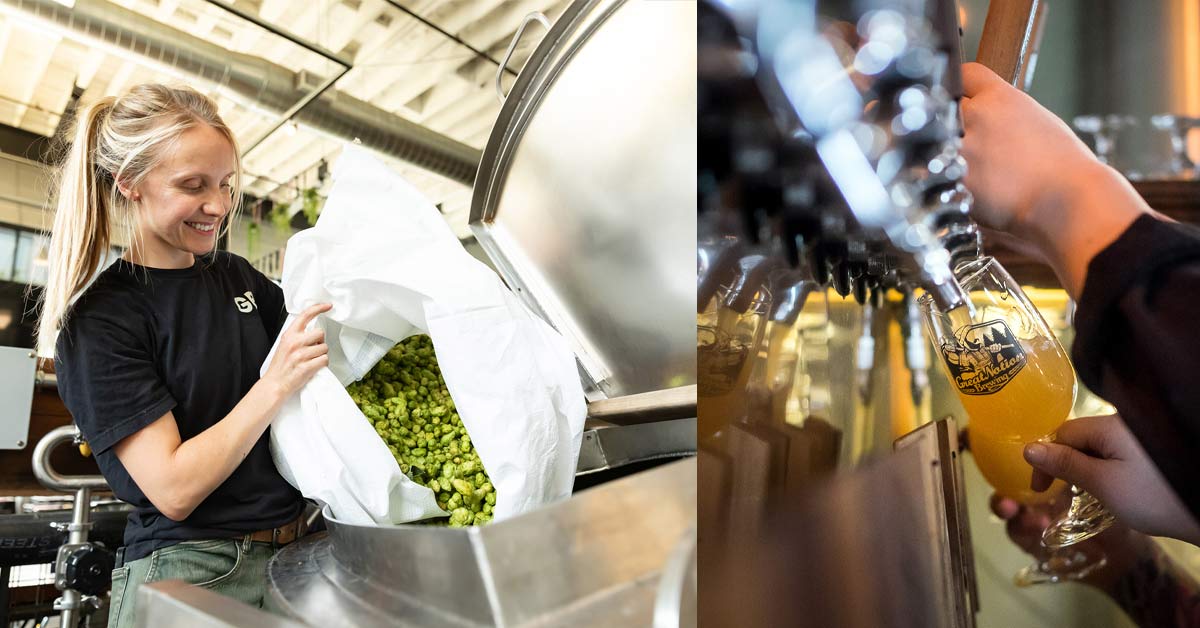
This isolation created a vacuum that was filled by independent makers, leading to a culture where "craft beer" is simply referred to as "beer." The proximity to the Willamette Valley—one of the world’s premier hop-growing regions—and the nearby Yakima Valley in Washington provided brewers with unparalleled access to raw materials. This logistical advantage allowed for the development of the "fresh hop" tradition and the aggressive hopping schedules that defined the region’s output. Consequently, the consumer base in Portland evolved to be more discerning and knowledgeable than almost any other demographic in the country.
Supporting Data: The Economic Weight of Oregon Brewing
The resilience of the Portland beer scene is backed by substantial economic data. According to the Brewers Association, Oregon consistently ranks among the top states for breweries per capita. As of the most recent reporting periods, the state boasts over 300 independent breweries, contributing billions of dollars to the regional economy. In Portland specifically, the density of breweries remains among the highest in the world.
However, the marketplace is currently facing significant headwinds. Real estate prices in the Portland metropolitan area have surged, and the post-pandemic economic landscape has seen a shift in consumer spending habits. While the national craft beer market has seen a cooling of growth—with some regions reporting a contraction in on-premises sales—Portland’s challenge is less about a lack of interest and more about market saturation and the extreme sophistication of its drinkers.
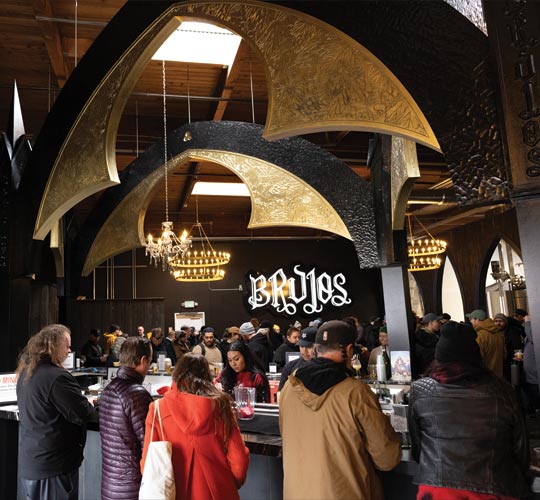
Industry analysts point out that in a mature market like Portland, the "innovation curve" must move faster. This explains the rise of hyper-niche establishments like Wayfinder, which focuses on "Cold IPAs" (brewed with lager yeast), or Brujos Brewing, which leans into a heavy-metal aesthetic and hazy IPAs.
Industry Responses and the Shift Toward "Elevated" Experiences
The response from brewery owners to these market pressures has been a move toward diversification of the "on-site experience." Whitney Adams’ observation that a brewery needs a "certain angle" to survive reflects a broader industry trend. While some breweries in other states have installed dog parks or pickleball courts to attract families, the Portland trend has leaned toward culinary excellence and atmospheric storytelling.
Ben Edmunds, brewmaster at Breakside Brewing, suggests that the strength of the Portland scene lies in its "brewing family tree." Unlike other markets where talent often remains stagnant within established companies, Portland has seen a consistent "influx of new blood" as experienced brewers from pillars like 10 Barrel or Elysian depart to launch their own ventures. This cycle of professional migration ensures that technical expertise is combined with fresh, entrepreneurial perspectives.
"People here are fans; they have a good pulse on what’s happening with each brewery," says Whitney Adams. This savvy customer base acts as both a support system and a demanding critic, forcing breweries to maintain high standards of quality control and innovation.
Broader Impact and Future Implications
The current state of the Portland beer industry serves as a bellwether for the national craft beer movement. As markets across the U.S. reach maturity, the Portland model suggests that success will increasingly depend on the integration of beer into a broader lifestyle and culinary context. The transition from the "microbrewery" of the 1990s to the "gastronomic destination" of the 2020s represents a permanent shift in how independent alcohol brands interact with their communities.
Furthermore, the "normalization" of craft beer in Portland—where it has effectively replaced macro-lagers as the default choice in even the most basic dive bars—indicates a successful long-term cultural shift. Van Havig’s assertion that "this is where craft beer won" highlights the fact that in Beervana, the distinction between "craft" and "standard" has largely evaporated because the quality floor has been raised so significantly.
As Portland navigates skyrocketing operational costs and shifting demographic tastes, its breweries continue to serve as laboratories for the industry. Whether through the meticulous nitrogen-chilled lagers of the city’s newer wave or the high-concept supper clubs of Grand Fir, the city remains the primary theater for the evolution of American brewing culture. The resilience of this ecosystem suggests that while the marketplace may be "slippery," the deep-rooted relationship between the brewer, the local agriculture, and the discerning drinker provides a foundation that is uniquely resistant to broader economic volatility. For the global brewing community, Portland remains not just a destination, but a blueprint for how to sustain a craft-centric economy in a post-peak market.