 admin
admin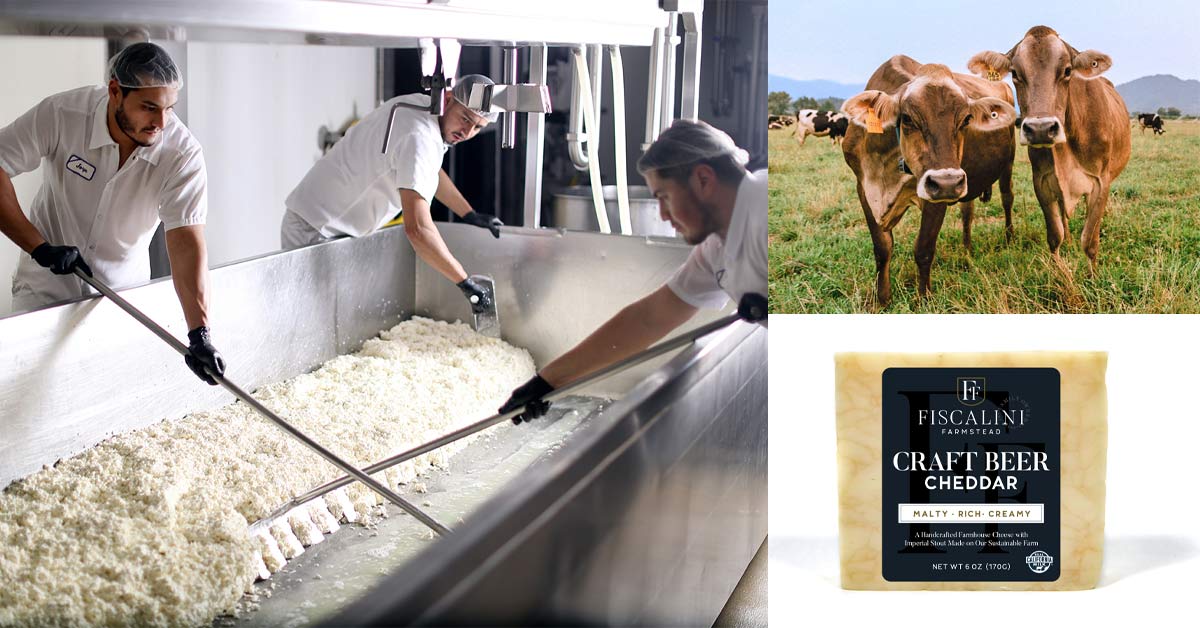
The landscape of American specialty food is currently witnessing a sophisticated transformation of a mid-century staple: beer cheese. Once relegated to the status of a simple tavern dip—often a bright orange slurry of processed cheese and stale lager—beer cheese has evolved into a high-end category of farmstead dairy. This shift represents a broader movement within the American culinary scene, where artisanal cheesemakers and craft brewers are moving beyond simple pairings toward deep structural collaborations. Today, the integration of beer into the cheesemaking process is no longer an afterthought of sustainability but a precise science involving pH levels, microbial enzymes, and regional terroir.
The Kentucky Origins and the Traditional Paradigm
To understand the current evolution, one must look to the golden-orange origins of the product in the American South. Historical records suggest that beer cheese was first served in the 1940s at a restaurant in Clark County, Kentucky, owned by Johnny Allman. The original recipe was born of necessity and a desire for sustainability; it utilized leftover sharp cheddar cheese and surplus beer, blended with cayenne pepper, garlic, and various spices to create a spreadable snack.
In 2006, the brand was revived by Kathy Gorman Archer, president of Howard’s Creek Authentic Beer Cheese (formerly Johnny Allman’s). Archer’s revival of the brand solidified the traditional "Kentucky Style" beer cheese in the American consciousness: a tangy, spicy, and cold-processed spread. This model defined the category for over half a century. However, as the American craft beer revolution gained momentum in the 2010s, with the number of operating breweries in the U.S. climbing toward 9,000, the definition of beer cheese began to expand.
The Farmstead Shift: Integration Over Addition
The modern era of beer cheese is defined by "farmstead" production, a designation meaning the cheese is made on the same farm where the milk is produced. Unlike the traditional spreadable versions, these are often hard or semi-hard cheeses where the beer is introduced during the vat stage of production.
Oregon’s Rogue Creamery, an institution in the American artisan cheese movement since 1953, has been at the forefront of this innovation. While Rogue Creamery and Rogue Ales are separate entities, their proximity fostered a culture of collaboration. For nearly a decade, Rogue Creamery has produced a Chocolate Stout Cheddar in partnership with Portland-based Hopworks Brewery. This product exemplifies the technical shift in the industry: the beer is added as the whey begins to separate from the curd. This timing allows the malted sugars and hop oils to infuse the milk solids directly, creating a marbled effect and a subtle, malty finish that cannot be achieved through post-production blending.
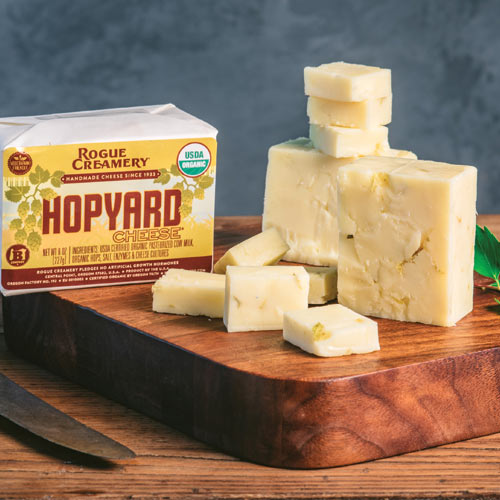
The innovation continued with the creation of "Hopyard," a cheddar style where fresh, Northwest-grown hops are mixed directly with the curds. According to Marguerite Merritt, brand manager at Rogue Creamery, this process reinforces the citrus and pine notes common in West Coast IPAs, creating a sensory bridge between the dairy and the glass.
Regional Collaborations and Economic Impact
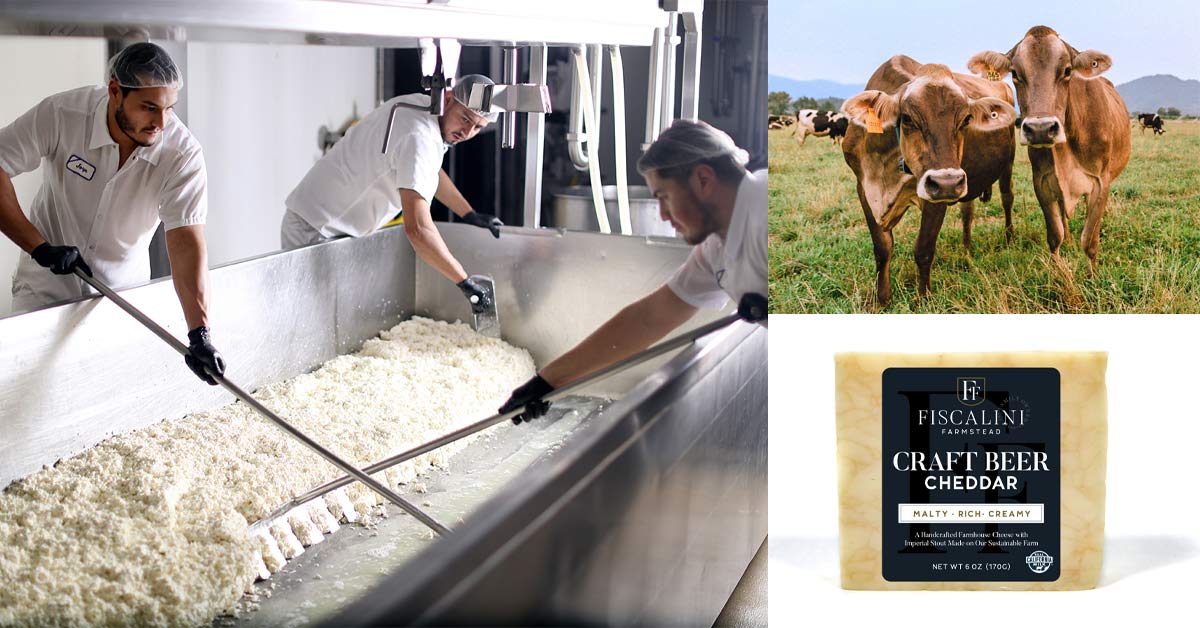
In California’s Central Valley, Fiscalini Farmstead has utilized its century-long history as a dairy farm to create a localized supply chain for its beer-infused products. Their Craft Beer Cheddar is produced using Black Blizzard Imperial Stout from Dust Bowl Brewing, located just 20 minutes from the dairy.
The economic implications of these partnerships are significant. By sourcing ingredients locally, these creameries and breweries create a closed-loop regional economy. Laura Genasci, a fourth-generation owner at Fiscalini, emphasizes the importance of traceability. Their process involves mixing the stout with curds before pressing them into 40-pound blocks overnight. This pressure forces the beer into the internal structure of the cheese, ensuring that the roasted coffee and chocolate notes of the imperial stout are present in every bite.
Cheesemaker Alex Borgo notes that the process is a "culinary collaboration where the artistic work of brewmasters and cheesemakers collide." The science behind this collision involves the management of enzymes. Just as brewers activate enzymes in malted barley through heating, cheesemakers use starter cultures and rennet to manage the separation of solids and liquids. The acidity of the beer must be carefully balanced against the pH of the milk to ensure the cheese ages correctly over its three-month to two-year maturation period.
Technical Precision: The Role of pH and Fermentation
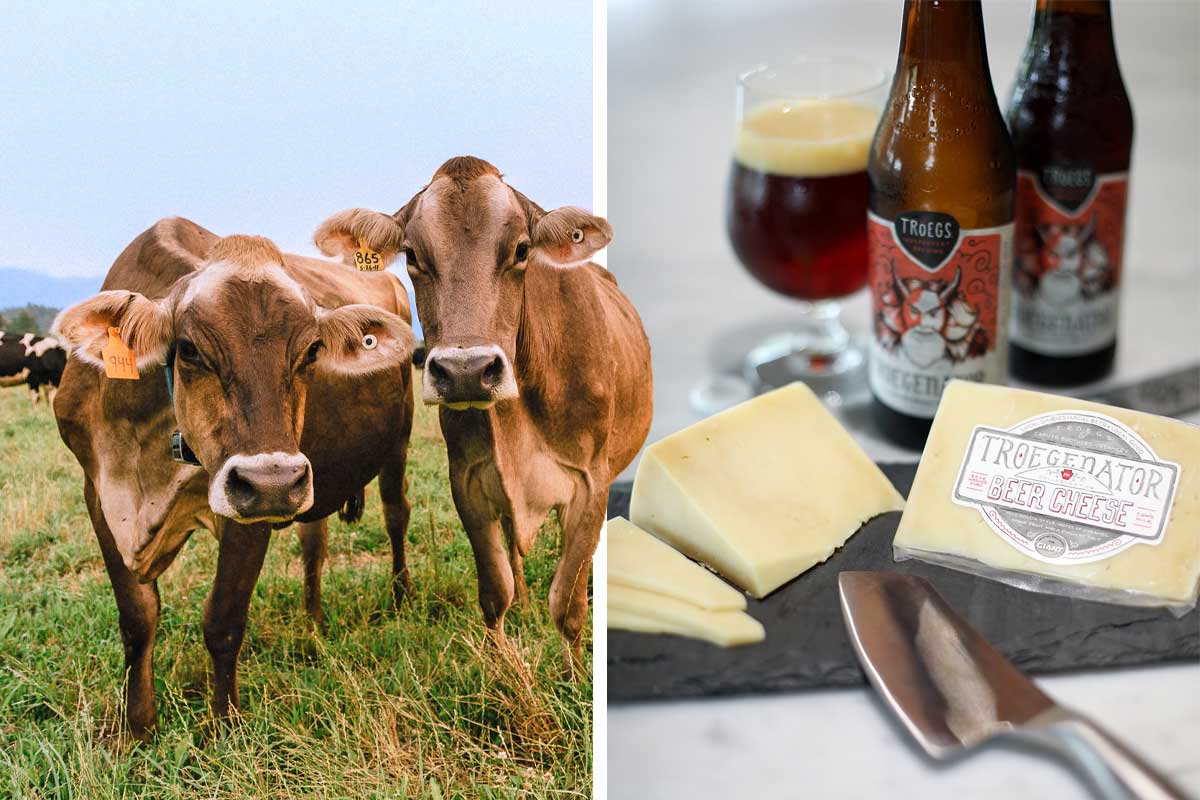
In Pennsylvania, the collaboration between Caputo Brothers Creamery and Tröegs Independent Brewing has pushed the technical boundaries of beer cheese. Rynn Caputo, co-founder of Caputo Brothers, notes that their partnership was driven by a desire to support Pennsylvania dairy farms situated geographically between the brewery and the creamery.
The technical challenge in creating their "Troegenator" cheese—based on Tröegs’ iconic Double Bock—revolved around the pH scale. Milk typically sits at a pH of 6.4 to 6.8. If the acidity of the beer drops the pH of the curd mixture too low (below 4.0), the resulting cheese becomes rubbery. If it remains too high (above 5.0), the curds fail to bind.
Caputo’s innovation extended to "dry hopping" the milk itself. By steeping Citra hops in the milk before the cheesemaking process begins, they transfer the volatile aromatic compounds of the hops into the fat globules of the dairy. For their "Mad Elf" cheese, a Belgian-style holiday ale with 11% ABV is used not only in the curd but also rubbed into the rind alongside cocoa, cinnamon, and espresso. This multi-stage infusion represents the pinnacle of modern beer cheese craft, moving far beyond the simple "leftover beer" model of the 1940s.
Diversity in Style: From Washed Rinds to Urban Creameries
While cheddar remains the dominant base for beer cheese, other styles are emerging. Indianapolis-based Tulip Tree Creamery focuses on washed-rind cheeses. In this Dutch-inspired method, the exterior of the cheese is periodically washed with a solution of bacteria cultures, salt, and local beer, such as Sun King or 3 Floyds. This encourages the growth of Brevibacterium linens, which creates a pungent aroma and a creamy interior.
Laura Davenport of Tulip Tree explains that they specifically select beers like the JinxProof Pilsner for these washes. High-IBU (International Bitterness Units) beers can sometimes create an unpleasant metallic bitterness when concentrated on a cheese rind, so lower-bitterness, malt-forward, or crisp pilsners are often preferred for the washing process.
In Cincinnati, Urban Stead Cheese represents a different trend: the rise of the urban creamery. By processing 9,000 pounds of milk a week in a downtown setting, they bridge the gap between rural production and urban consumption. Their "Kentucky-style" spread uses Braxton Brewing’s Storm Golden Cream Ale to create a fresh cheese with the texture of ricotta meets cream cheese. Because it is a fresh cheese, it provides immediate cash flow for the business, balancing the long-term capital requirements of their 20-month-aged "Street Ched."
Analysis of Broader Implications
The evolution of beer cheese is emblematic of several broader trends in the American food industry:
- Sustainability and Upcycling: The roots of beer cheese lie in the efficient use of "leftovers." Modern producers continue this by using "off-spec" beer or surplus dairy, though the quality of these inputs has risen to meet artisanal standards.
- Cross-Industry Marketing: These collaborations allow breweries to tap into the specialty food market and creameries to reach the massive craft beer demographic. Social media data from Tröegs suggests that beer cheese releases often outperform standard beer releases in terms of digital engagement.
- Scientific Maturation: The move from processed spreads to pH-controlled, vat-infused wheels marks the maturation of American cheesemaking. It demonstrates a level of technical proficiency that rivals traditional European methods while maintaining a uniquely American spirit of experimentation.
- Regional Identity: By utilizing local micro-brews and heritage dairy herds, these products act as edible ambassadors for specific regions, from the hop-heavy Pacific Northwest to the German-influenced Midwest.
As the category continues to grow, the distinction between "cheese with beer added" and "beer cheese" will likely sharpen. The former remains a popular party staple, but the latter has earned its place on the professional cheese board, valued for its complexity, its technical difficulty, and its ability to tell a story of local collaboration. For the modern consumer, beer is no longer just a beverage to wash away the salt of the cheese; it is a fundamental component of the cheese’s identity, preserved in the curd and aged to perfection.