 admin
admin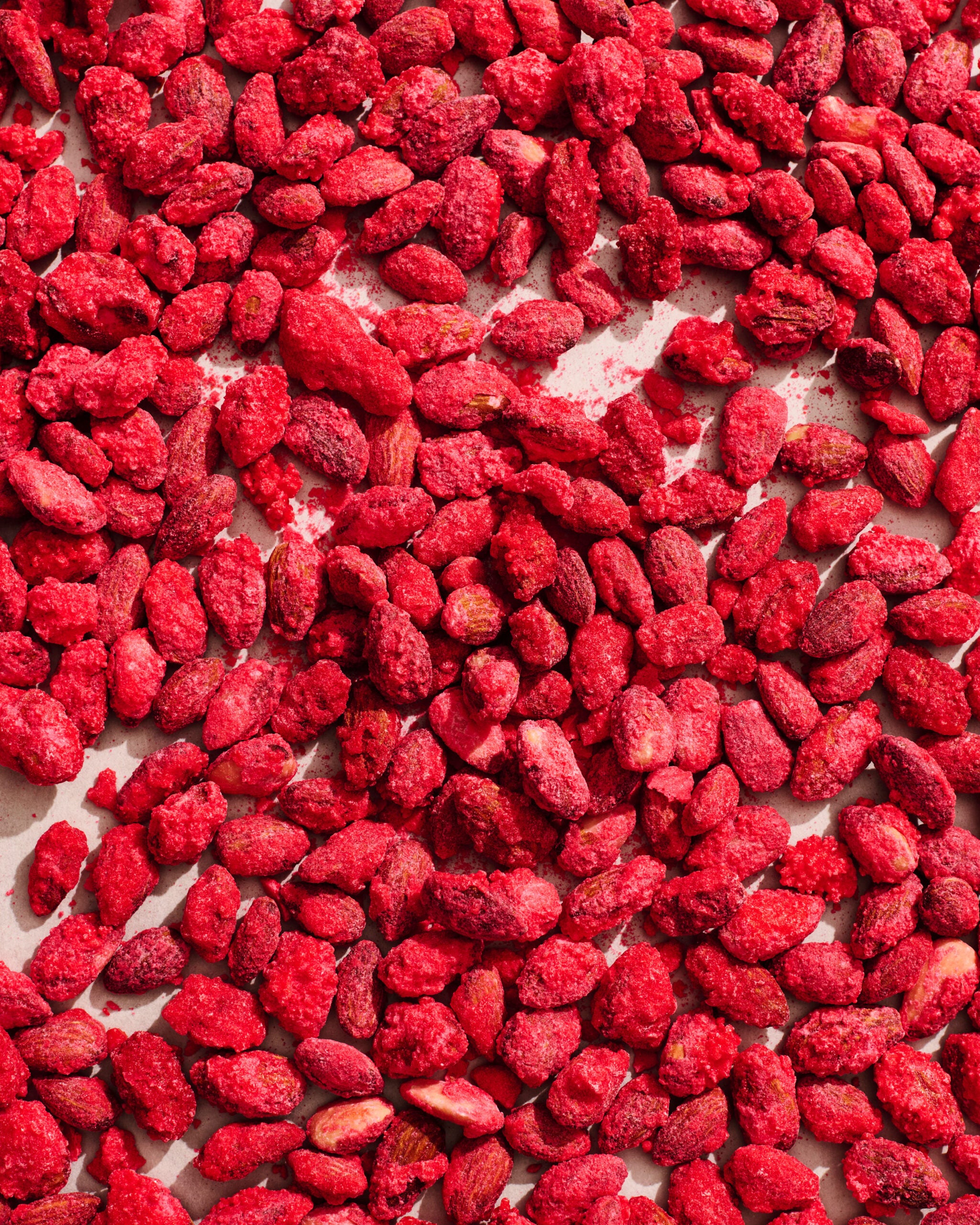
Lyon, a city renowned for its vibrant tapestry of Renaissance architecture, where pastel facades and terra-cotta roofs paint a picturesque urban landscape, also boasts a culinary identity as colorful as its scenery. Among its most cherished edible emblems are the pralines roses, sugar-coated almonds that gleam with a striking crimson hue. These visually arresting confections, a staple in bakery windows and market stalls, are more than just a sweet treat; they are a testament to Lyon’s rich gastronomic history and a vibrant thread woven into its cultural fabric.
The origins of pralines can be traced back to 17th-century France, a time when caramelized nuts emerged as a popular delicacy. The confection is widely attributed to the kitchen of the Duke of Praslin, where a simple yet elegant treat of almonds coated in cooked sugar was served to the aristocracy. This foundational concept of candied nuts subsequently traveled, spreading across France and even influencing culinary traditions in places like New Orleans, where pralines evolved into a distinct, softer, and creamier confection.
However, it was in the Auvergne-Rhône-Alpes region of eastern France that the praline underwent a significant transformation, eventually leading to the iconic pralines roses. By the 19th century, astute confectioners in this area began to infuse their sugar syrup with cochineal, a natural red dye derived from crushed insects. This innovation was a masterstroke, imbuing the humble candied nut with a brilliant, eye-catching color. In an era of bustling market stalls and crowded patisseries, the vibrant pink of the pralines roses made them instantly distinguishable, a beacon of sweetness amidst a sea of confections. This aesthetic appeal, coupled with their delightful crunch and sweet flavor, quickly cemented their popularity.
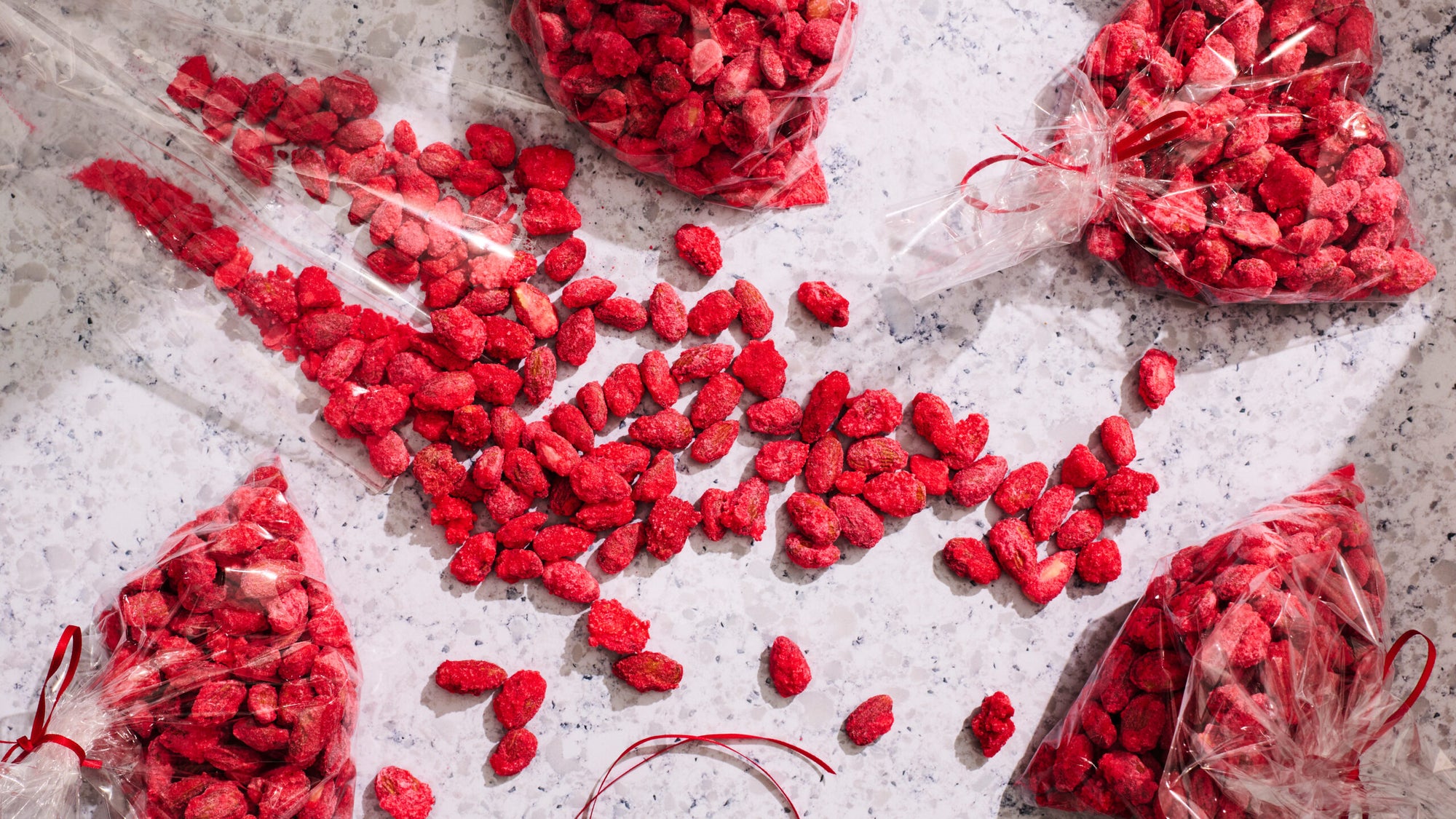
While the exact birthplace of the praline rose is a matter of historical debate, Lyon has undeniably become its most ardent champion and cultural home. The city’s esteemed bakeries, celebrated pastry shops, and historic candy houses have all embraced and popularized this unique sweet. Notable figures in the Lyonnaise culinary scene have played a pivotal role in its enduring appeal. Chocolatier François Pralus, renowned for his exquisite chocolate creations, helped to elevate the praline rose with his signature brioche, La Praluline, a soft, buttery bun generously studded with these vibrant pink nuts. Similarly, the venerable candymaker Voisin, another pillar of Lyon’s sweet tradition, meticulously crafts its own pralines roses, each offering a subtly distinct interpretation of the classic confection. This dedication by local artisans ensures that the praline rose remains not just a product, but a living part of Lyon’s heritage.
The profound connection between pralines roses and Lyon is deeply personal for many of its residents. Chef Daniel Boulud, a celebrated native of Lyon, fondly recalls his childhood experiences with this beloved treat. "Every Sunday my family would go to the bakery to buy brioche aux pralines, which we would enjoy for breakfast or dessert," he shares. "It was a weekly ritual." This sentiment highlights the pralines roses’ integration into the everyday lives and cherished traditions of Lyonnais families.
The versatility of pralines roses extends far beyond their standalone appeal. They are a crucial ingredient, seamlessly transitioning from decorative elements in candy jars to integral components in Lyonnaise pastries. Bakers expertly chop them to be folded into bread dough, infusing a delightful crunch and subtle sweetness into brioches and other baked goods. They are also melted into a rich, flavorful filling for the city’s signature Tarte aux Pralines Roses, a dessert that showcases the praline’s ability to transform into a luscious, creamy texture. Even in these applications, the signature pink hue of the pralines perseveres, tinting creams and custards and bestowing upon finished pastries an unmistakable, signature blush.
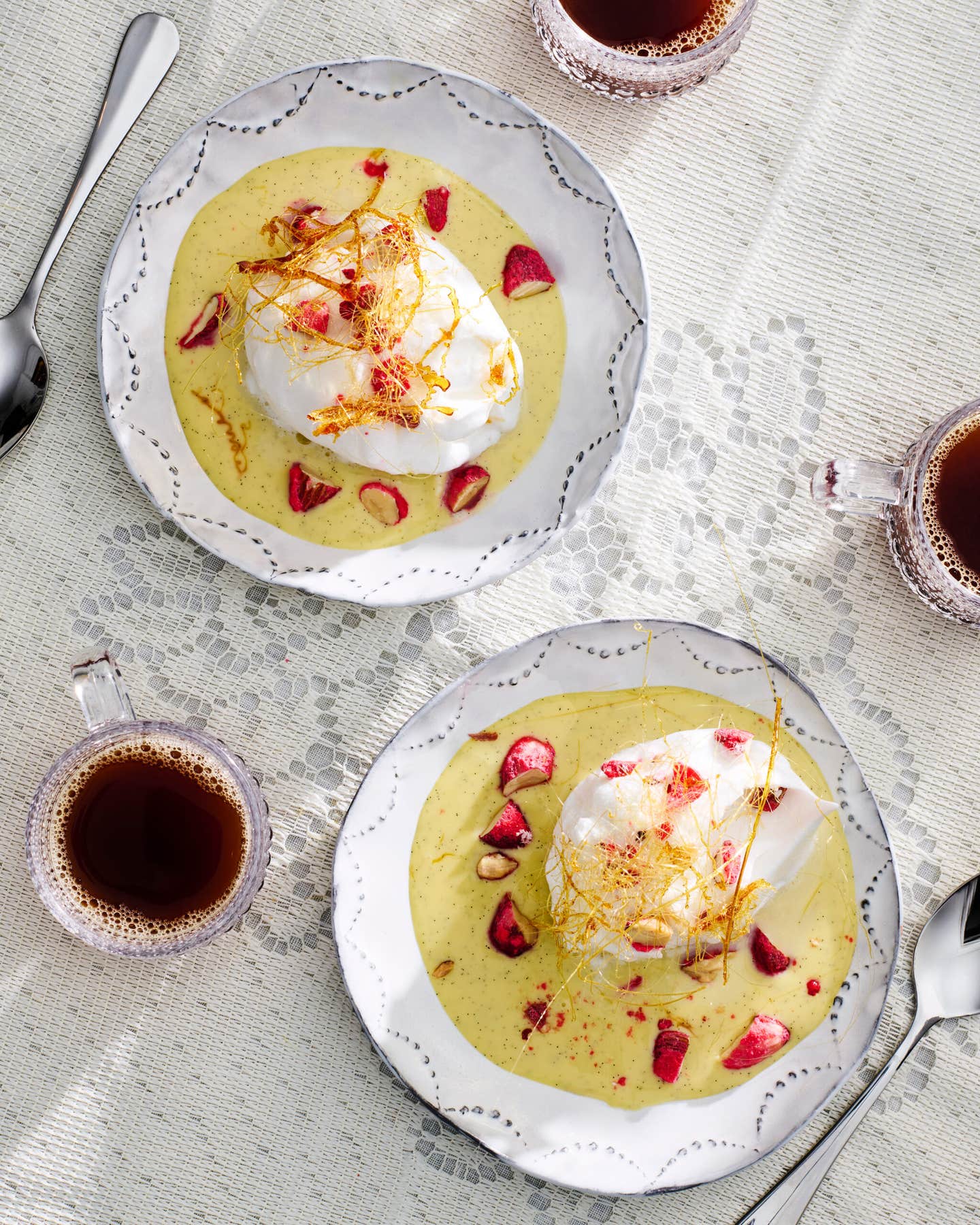
Chef Boulud further elaborates on their evolving role in modern Lyonnaise cuisine: "Today, pralines are also used in ice creams, cakes, and many other desserts." He fondly remembers a childhood favorite, L’île flottante, where the melted sugar from the pralines created "a wonderful candy-like flavor that’s very distinctive." This adaptability underscores the praline rose’s ability to remain relevant and innovative within Lyon’s dynamic culinary landscape.
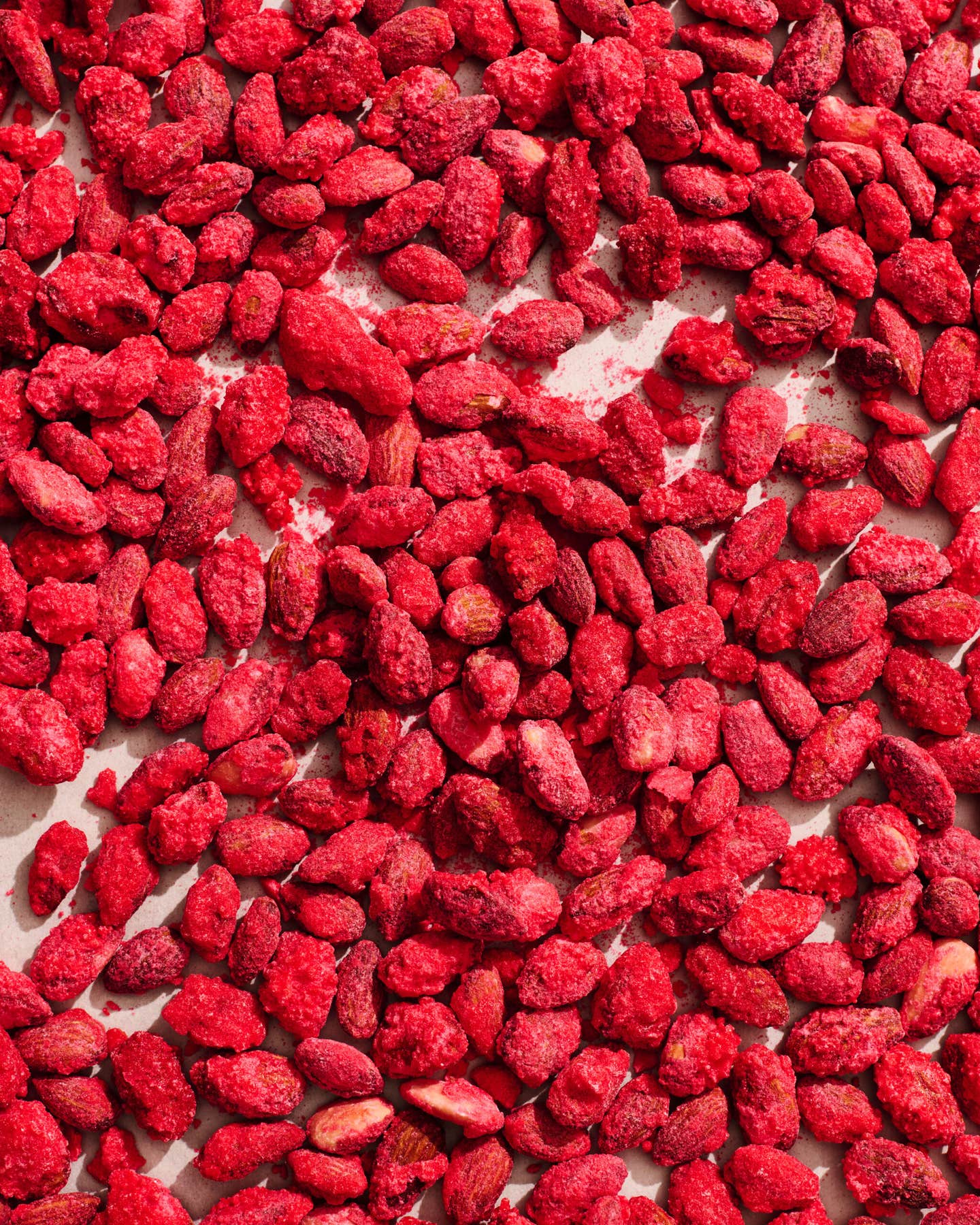
The subtle variations in pralines roses from one artisan to another are part of their charm. The shade of pink might deepen to a rich crimson or soften to a delicate blush, and the almonds themselves can be found finely chopped or left whole, each offering a slightly different textural experience. Yet, what remains constant is their indelible mark on Lyon’s visual and culinary identity. They are more than just a confection; they serve as an edible emblem, a tangible link connecting contemporary patisseries to a centuries-old tradition of candymaking, a symbol of regional pride, and an enduring representation of the comforting rituals associated with the bakery window.
Historical Context and Evolution of Candied Nuts
The journey of candied nuts, from their simple origins to the sophisticated pralines roses of Lyon, spans centuries and continents. The practice of coating nuts in sugar or honey is ancient, with evidence suggesting its presence in various cultures as a method of preservation and sweetening. However, the specific evolution into what we recognize as pralines is closely tied to European culinary development.
- 17th Century: The genesis of the praline as a refined confection is often pinpointed to 17th-century France, specifically the court of Louis XIV. The popular narrative credits Marshal du Plessis-Praslin (though some historians debate this attribution) with the creation of almonds coated in caramelized sugar. These early pralines were likely darker and less intensely colored than their modern Lyonnaise counterparts, reflecting the prevailing sugar-refining techniques of the era.
- 18th and 19th Centuries: As sugar production became more accessible and techniques advanced, candied nuts gained wider popularity. The spread of French culinary influence throughout Europe and to its colonies facilitated the adaptation of pralines in various forms. It was during the 19th century, particularly in eastern France, that the significant visual innovation occurred with the introduction of cochineal dye. This marked a deliberate move to enhance the aesthetic appeal of the confection, transforming it into a visually striking product.
- Late 19th and 20th Centuries: The industrial revolution and advancements in food processing also impacted praline production. While traditional artisanal methods persisted, larger-scale production became more feasible. In Lyon, the establishment of renowned patisseries and chocolatiers solidified the praline rose’s association with the city, transforming it into a regional specialty. The inclusion of pralines roses in iconic Lyonnais baked goods like brioche and tarts further cemented their cultural significance.
- 21st Century: Today, pralines roses continue to be a beloved part of Lyonnais culture, celebrated in traditional recipes and reinterpreted in contemporary culinary creations. Their enduring appeal lies in their unique combination of crunch, sweetness, and vibrant visual presence, making them a constant reminder of Lyon’s rich gastronomic heritage.
The Science and Art of Praline Roses
The creation of pralines roses is a delicate balance of culinary science and artistic execution. The process involves transforming simple almonds and sugar into a vibrant, textured confection.
- Almond Selection: High-quality almonds are crucial. They are typically blanched and then roasted to enhance their nutty flavor and provide a satisfying crunch. The roasting temperature and duration are carefully controlled to achieve the desired texture without burning.
- Caramelization: Sugar is heated, often with a small amount of water, until it reaches a specific caramelization stage. This stage is critical; too little heat results in a soft coating, while too much can lead to a burnt, bitter flavor. The temperature typically ranges from 160-180°C (320-356°F), depending on the desired consistency.
- Coloring: Cochineal extract, a natural red pigment derived from the carminic acid of certain scale insects, is added to the sugar syrup. The amount of cochineal used determines the intensity of the pink hue. This dye is prized for its stability and vibrant color.
- Coating and Agitation: The roasted almonds are then introduced into the hot, colored sugar syrup. Vigorous stirring or tumbling is essential to ensure an even coating of the caramel. This agitation also helps to break up the sugar and create the characteristic crystalline texture of the praline.
- Cooling and Separation: The coated almonds are spread out on a surface to cool and harden. Once cooled, they are often separated to prevent them from clumping together into a solid mass. This can be done by hand or through mechanical means.
The success of pralines roses lies not only in the precise execution of these steps but also in the artisan’s ability to achieve a perfect balance of sweetness, crunch, and visually appealing color, reflecting a deep understanding of both chemistry and craftsmanship.
Broader Impact and Culinary Significance
The pralines roses of Lyon exemplify how a single, specialized ingredient can become deeply intertwined with a city’s identity and culinary reputation. Their impact extends beyond mere consumption:
- Tourism and Gastronomy: The unique appeal of pralines roses contributes to Lyon’s status as a premier culinary destination. Tourists are often drawn to the city by its renowned cuisine, and the distinctive pink confections serve as a memorable souvenir and a talking point, enhancing the overall gastronomic experience.
- Preservation of Tradition: The continued production and appreciation of pralines roses by Lyonnais artisans play a vital role in preserving traditional confectionery techniques. In an era of mass-produced sweets, the dedication to artisanal methods ensures that these historical recipes and flavors are passed down through generations.
- Inspiration for Innovation: While deeply rooted in tradition, the pralines roses also inspire modern culinary innovation. Chefs and bakers continue to find new and exciting ways to incorporate their unique flavor and texture into a wide array of desserts, from contemporary pastries to avant-garde culinary creations. This adaptability ensures their continued relevance and popularity.
- Economic Contribution: The production and sale of pralines roses and products featuring them represent a significant economic activity within Lyon. Local businesses, from small artisanal shops to larger confectionery manufacturers, contribute to the regional economy through their sales and employment opportunities.
The story of Lyon’s pralines roses is a testament to how a simple ingredient, elevated by tradition, artistry, and regional pride, can become an enduring symbol of culinary excellence and cultural heritage. Their vibrant hue and delightful taste continue to captivate palates and paint a colorful picture of Lyon’s sweet and storied past.