 admin
admin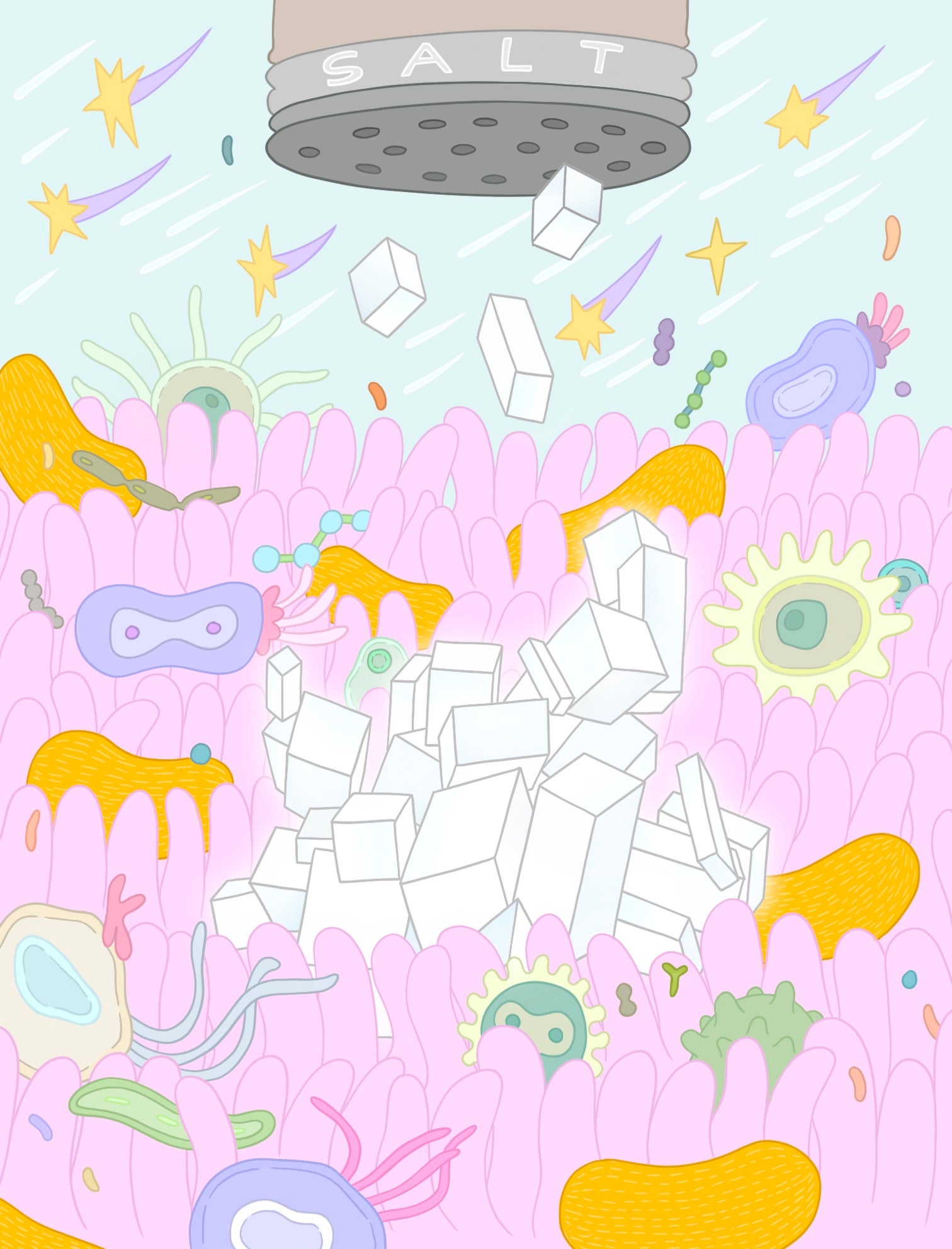
The pervasive presence of salt in our diets, from ancient preservation techniques to modern culinary enhancements, is undeniable. Yet, its dual nature—essential for bodily functions while posing significant health risks when consumed in excess—presents a complex challenge for individuals and public health authorities alike. This investigation delves into the intricate relationship between sodium and human health, exploring its biological necessity, the modern epidemic of overconsumption, and the evolving strategies for responsible intake without sacrificing culinary enjoyment.
The Biological Imperative of Sodium
Salt, a crystalline compound composed of sodium and chloride, is far more than a mere flavor enhancer. It is a fundamental electrolyte, critical for the very survival and functioning of the human body. As Mark Kurlansky notes in his seminal work, Salt: A World History, it is "the only rock we eat." Sodium and chloride ions are indispensable for a myriad of physiological processes. They facilitate nerve impulse transmission, enabling communication between the brain and the rest of the body, and are crucial for muscle contraction, allowing for movement. Furthermore, sodium plays a pivotal role in maintaining blood volume, which is the primary vehicle for transporting oxygen, nutrients, hormones, and immune cells throughout the system.
Lauren Wallis-Dyer, a UK-based functional nutritionist specializing in digestive and metabolic health, highlights salt’s immediate impact on our physiology. "Physiologically, salt plays a central role from the very first moments of eating," she explains. "Its presence helps signal that a meal has arrived, priming digestive responses before food even reaches the stomach." Once food enters the stomach, sodium and chloride are vital components in the production of hydrochloric acid, essential for breaking down proteins and neutralizing harmful pathogens. Beyond digestion, sodium aids in the absorption of glucose and amino acids in the gut, facilitating their transport to cells where they are needed for energy and repair. It also supports bile flow and pancreatic enzyme release, crucial for the emulsification of fats and the absorption of fat-soluble vitamins.
The Modern Epidemic of Sodium Overconsumption
Despite its biological necessity, the modern Western diet has propelled sodium consumption to dangerous levels, far exceeding recommended daily allowances. The Dietary Guidelines for Americans recommend a maximum daily sodium intake of 2,300 milligrams, equivalent to approximately one teaspoon. The American Heart Association advocates for an even stricter limit of 1,500 milligrams per day, less than three-quarters of a teaspoon. However, the average American consumes a staggering 3,400 milligrams of sodium daily, nearly 50% more than the upper recommended limit.
This widespread overconsumption is intrinsically linked to a growing burden of chronic diseases. The Centers for Disease Control and Prevention (CDC) identifies excess sodium as a significant contributor to hypertension, a leading risk factor for heart disease and stroke, which remain the top killers of Americans. Numerous scientific studies have established a clear correlation between high-salt diets and gut dysbiosis, an imbalance in the gut microbiome. This imbalance can trigger inflammation, contribute to "leaky gut" syndrome, and exacerbate conditions like high blood pressure and cardiovascular disease.
Conversely, research indicates that reducing sodium intake can yield substantial health benefits. Studies reveal that a lower sodium diet can enhance the production of short-chain fatty acids by the gut microbiome. These beneficial compounds are known to reduce inflammation, regulate the immune system, and lower blood pressure. A significant study published by Harvard Health suggests that a one-third reduction in dietary sodium could potentially save 40 million lives worldwide over the next quarter-century, underscoring the profound public health implications of this dietary factor.
The Shifting Landscape of Salt in Our Diet
Historically, salt was an integral part of food preservation, fermentation, and seasoning, consumed within the context of whole, minimally processed foods. Wallis-Dyer notes that for most of human history, salt was "inseparable from the work of cooking: preserving, fermenting, seasoning, and making food both digestible and sustaining." These traditional methods often involved slow-cooked broths, cured proteins, and fermented vegetables, where salt was consumed alongside fiber, protein, and other essential minerals. This embedded consumption allowed the body to process sodium within a complex nutritional and sensory framework, facilitating a more balanced metabolic response.
The advent of industrialization and the rise of processed and convenience foods have fundamentally altered this relationship. A pivotal 2017 study revealed that a striking 71% of dietary sodium originates from commercially prepared foods, including ultra-processed items and restaurant meals. Ultra-processed foods, characterized by the inclusion of ingredients not typically found in home kitchens, such as artificial additives and preservatives, now account for over half of the calories consumed by Americans. These products constitute a formidable 73% of the American food supply.
Ashli Greenwald, an advanced practice dietitian at Johns Hopkins Bayview Medical Center, attributes the rising incidence of diseases historically associated with older age to the prevalence of the "Western diet," which she describes as "super processed and super high in sodium." She explains that in processed foods, "they are adding a lot of extra sodium as a preservative. That is what becomes the problem." This pervasive use of sodium as a preservative, coupled with its role as a flavor enhancer in processed foods, contributes significantly to the excessive intake observed in the population.
Navigating the Supermarket Aisles for Lower Sodium Choices
To mitigate the risks associated with high sodium intake, a conscious effort to reduce reliance on processed foods is essential. Greenwald advises prioritizing home cooking whenever possible. For individuals seeking convenience, opting for frozen fruits and vegetables over their canned counterparts can be a sensible strategy, as frozen produce generally contains less added sodium.
However, vigilance is required, as even seemingly simple ingredients can be deceptively high in sodium. Private chef Danielle Turner, who founded "Salt Sanity: Your Guide to Living and Loving Your Low-Sodium Life" following her husband’s heart failure, recounts her own revelation: "My first trip to the grocery store after his diagnosis, I almost wanted to cry. I realized the convenience foods we relied on—ketchup, mustard, tomato sauce—were full of salt."
Turner recommends focusing on the perimeter of the grocery store, where fresh produce and less processed items are typically located. A general guideline is to favor foods without elaborate labels. Nevertheless, meticulous label reading remains crucial for those aiming for a low-sodium diet. Fortunately, many commonly consumed products now offer lower-sodium or reduced-sodium alternatives.
It is important to note that "reduced sodium" does not always equate to significantly lower levels. For instance, while regular soy sauce contains approximately 1,000 milligrams of sodium per tablespoon, its reduced-sodium counterpart can still contain 600 to 700 milligrams. Turner suggests exploring alternatives like coconut aminos, which offer less than half the sodium of soy sauce and can provide a comparable savory flavor profile. The "no salt added" label is often the most reliable indicator of lower sodium content. Furthermore, emerging technologies, such as smartphone applications designed to track sodium content, are proving to be valuable tools for consumers in making informed purchasing decisions.
Rethinking Salt in the Kitchen: Flavor Beyond Sodium
The perception of salt as an essential, albeit potentially problematic, culinary ingredient is being challenged by innovative approaches to flavor development in professional kitchens. Chef Roshara Sanders, an assistant professor at the Culinary Institute of America (CIA) and chef ambassador for Red Rooster Harlem, emphasizes that salt is not inherently an enemy. "When used thoughtfully and respectfully, salt is fundamental to both flavor development and good cooking," she states, acknowledging its ability to draw out moisture, intensify aromas, and enhance the nuances of other seasonings.
However, the demands of professional cooking, particularly in high-volume restaurant settings, can lead to the overuse of salt. Michael Anthony, executive chef at Gramercy Tavern in Manhattan, explains that during the rush of service, "Cooks lose track of what it feels like to eat an entire dish from start to finish." This can result in chefs underestimating the cumulative impact of salt across multiple courses.
Dr. Connie Guttersen, a registered dietitian and author of The Sonoma Diet, highlights the importance of training culinary professionals to moderate their salt usage. She notes that even in establishments like steakhouses, where a steak is salted during cooking, it is often further seasoned with finishing salt, leading to unnecessary sodium load. For diners seeking to reduce their intake, Guttersen suggests politely requesting "light on the salt" or "no finishing salt" when ordering.
The growing global culinary landscape in restaurants, encompassing diverse cuisines from Mediterranean to Asian and Latin American, offers a broader palette of flavors that do not solely rely on salt for impact. Chefs are increasingly exploring alternative seasoning methods. Chef Telly Justice of HAGS in New York City posits that when food seems underseasoned, it often lacks balance. She advocates for incorporating acidity for brightness, umami for satiety, healthy fats for luxuriousness and mouthfeel, and natural salinity from ingredients like seaweed.
Executive chef Ham El-Waylly of Strange Delight in Brooklyn employs miso and bouillon powder to introduce savory notes that round out a dish, while Kevin Garrison, executive chef at Sushi Koju in Brooklyn, utilizes the heat of chile peppers to stimulate taste buds and heighten flavor perception without added salt. Wasabi, he notes, can also enhance flavor by releasing terpenes, aroma compounds, from fats.
Heena Patel, chef and co-owner of Besharam in San Francisco, focuses on maximizing aromas through techniques like "vaghar," or tempering, which involves blooming spices, garlic, and chilies in hot oil. This process builds depth of flavor before salt is even introduced, allowing for a reduced need for other seasonings.
Wallis-Dyer offers a nuanced perspective, stating, "Salt was never meant to function as an abstract metric." She argues that for individuals whose diets are heavily reliant on packaged or restaurant foods, advice to reduce salt often translates to improving overall food quality, which is a beneficial shift. However, for those who primarily cook at home using minimally processed ingredients, "seasoning food normally with a natural, mineral-rich salt is not excessive. It is part of making meals satisfying, digestible, and nourishing."
Ultimately, the responsible use of salt lies in judicious application and constant tasting. As Michael Anthony advises, "You add a little bit as you go and taste the food that you’re making. That’s the responsibility of a good chef and a good home cook." For individuals like the author’s aunt, a specially formulated sodium-free seasoning blend provides the necessary flavor without compromising her health. For others, a mindful approach to seasoning, employing a diverse array of natural flavors and understanding the body’s intricate relationship with sodium, allows for both culinary pleasure and long-term well-being.