 admin
admin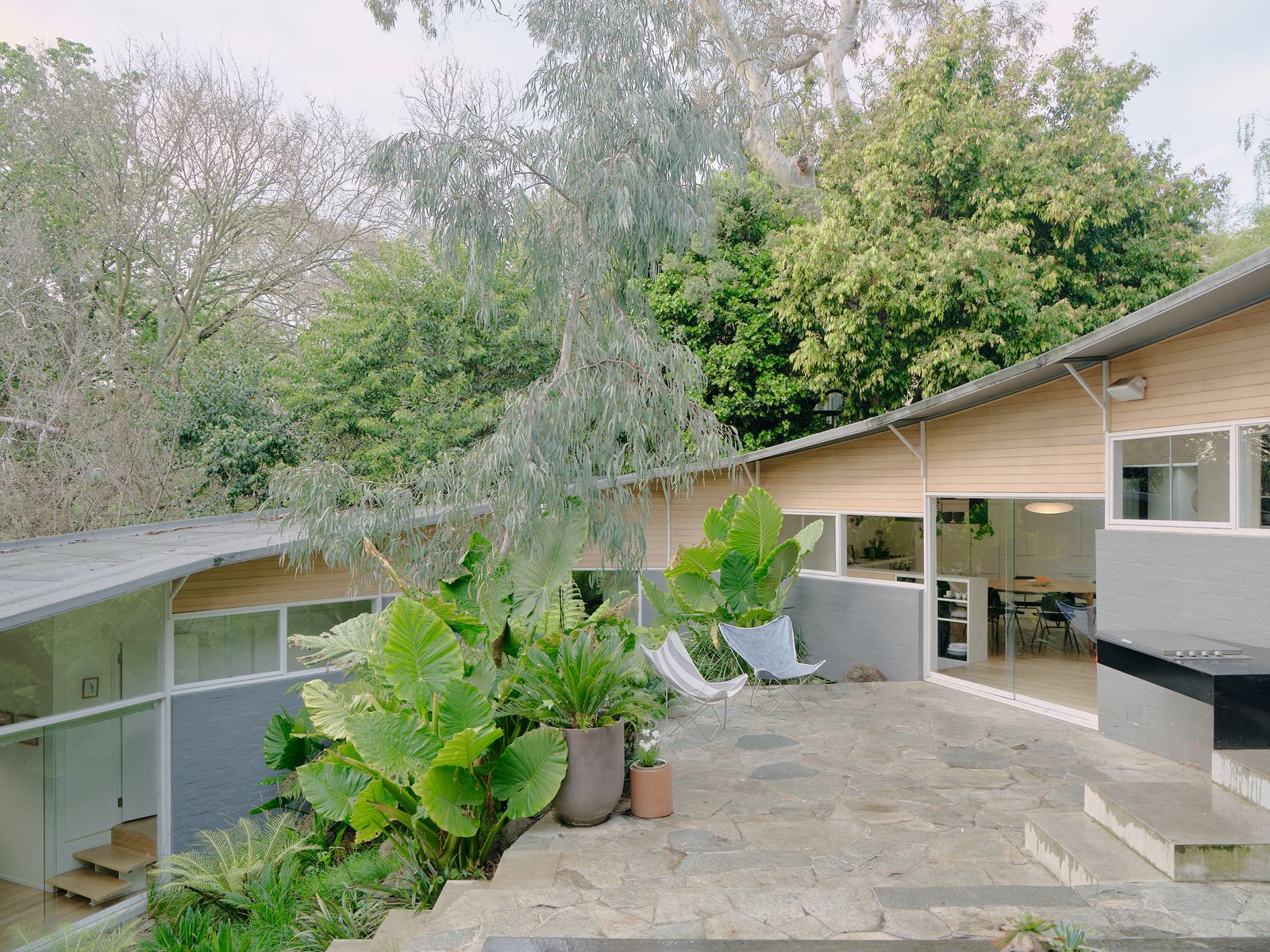
Nestled into a steeply sloping site in the verdant suburb of Ivanhoe East, Australia, stands an architectural marvel known as both The Coil House and The Snelleman House. This modernist residence, originally conceived and brought to life in 1954 by the visionary architect Peter McIntyre for Hans Snelleman, has recently undergone a significant, yet remarkably sensitive, expansion and restoration. The project, initiated in 2018 and helmed by architect Karen Abernethy, demonstrates a profound respect for the home’s historic integrity while skillfully adapting it to meet the evolving needs of a contemporary family of five. This endeavor not only extends the functional life of a celebrated piece of Australian architectural history but also provides a compelling case study in harmonious heritage adaptation.
The Genesis of an Icon: Peter McIntyre and Mid-Century Modernism in Australia
Peter McIntyre, a pivotal figure in Australian modernist architecture, established his own practice in 1950, just four years before the completion of the Snelleman House. His early career was marked by a bold, experimental spirit, pushing the boundaries of conventional residential design in post-World War II Australia. The mid-century modernist movement in Australia, influenced by international trends but distinctively adapted to the local climate and landscape, championed functionality, open planning, and a strong connection between indoor and outdoor spaces. McIntyre was at the forefront of this movement, often utilizing innovative construction techniques and materials to create homes that were both aesthetically striking and highly responsive to their environment.
The 1950s in Melbourne were a period of rapid growth and cultural change, where a burgeoning middle class sought homes that reflected a modern, optimistic outlook. Architects like McIntyre offered a refreshing alternative to traditional housing, emphasizing clean lines, natural light, and a seamless integration with the often-challenging Australian terrain. The Coil House emerged from this fertile architectural landscape, immediately drawing critical acclaim and media attention for its audacious form and intelligent site response. Its recognition cemented McIntyre’s reputation as a leading voice in Australian design and established the residence as a benchmark for modernist innovation.
A Masterpiece of Site Integration: The Original Coil House Design
The defining characteristic of the Coil House, and the origin of its evocative name, is its ingenious response to the challenging, steeply sloping topography of the Ivanhoe East site. McIntyre conceived a structure that literally "coiled" down the slope, meticulously weaving itself around two existing gum trees. This organic integration was not merely a stylistic choice but a fundamental aspect of the house’s functionality and aesthetic. The structure adopted a distinctive "reverse J-shape," a single room width (plus a hallway), which ensured that every primary space benefited from abundant natural light and expansive, continuous views of the surrounding landscape.
The house was meticulously designed on multiple split levels, each floor plate carefully following the natural fall of the land. This terraced approach minimized excavation, respected the natural contours, and created a dynamic interior spatial experience. Instead of imposing a rigid form upon the landscape, McIntyre allowed the topography to dictate the house’s flow, creating a dwelling that felt intrinsically connected to its setting. This thoughtful consideration of site, combined with the modernist principles of functionality and open circulation, made the Coil House a standout example of its era, demonstrating a sophisticated understanding of passive design and environmental responsiveness long before these concepts became mainstream. Its narrow plan maximized cross-ventilation and daylight penetration, offering a comfortable and efficient living environment despite the challenging gradient.
Adapting to Change: Early Modifications in the 1970s
As with many homes of its vintage, the Coil House underwent modifications to accommodate evolving lifestyle trends and family needs over the decades. In the 1970s, approximately two decades after its initial construction, the house saw its first significant alterations. An eave was added to the lower, internal side of the roof, likely a response to changing climatic comfort requirements or an aesthetic update popular at the time. More functionally, the original garage was converted into an additional bedroom. This particular modification highlights a common challenge in adapting mid-century homes: balancing the need for more habitable space with the preservation of original design intent. While these changes served a practical purpose for the then-occupants, they also subtly began to alter the house’s original configuration, underscoring the ongoing dialogue between historical architecture and contemporary living. These earlier changes set a precedent for adaptation, but also presented a complex layer for future interventions to navigate.
The 2018 Vision: Preserving Heritage, Embracing Modern Living
By 2018, the Coil House had welcomed a new generation of custodians – a family of five whose modern lifestyle and spatial requirements had outgrown the existing footprint. Recognizing the profound architectural significance of their home, the owners approached architect Karen Abernethy with a clear mandate: to extend the dwelling to meet their family’s needs, but crucially, to do so without compromising the integrity or unique character of McIntyre’s original design. This presented Abernethy with a delicate challenge: how to introduce substantial new space while maintaining a respectful dialogue with a celebrated modernist masterpiece.
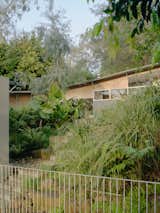
Abernethy’s design philosophy centered on a principle of minimal intervention within the original "coil" structure. It was "imperative that the inside of the coil remain unchanged," she noted, specifically to "ensure continuous views." This commitment to preserving McIntyre’s core spatial and visual achievements guided every decision. The strategy recognized that the house’s genius lay in its seamless connection to the site and its uninterrupted internal flow, and any extension must therefore respect and enhance this foundational quality rather than disrupt it. The owners’ appreciation for the house’s heritage was a driving force, understanding that their stewardship involved not just ownership, but conservation.
A Dialog of Forms: The New Pavilions
To achieve the necessary expansion while adhering to the strict preservation ethos, Karen Abernethy devised a sophisticated strategy involving the introduction of two contemporary "pavilions." These new structures were not appended directly to the original coil in a way that would obscure its form or compromise its internal views. Instead, they were thoughtfully "carved into the front setback, at the rear of the coil." This strategic placement ensured that the new additions occupied a less visually prominent position relative to the primary architectural statement, allowing the original house to retain its dominance and distinctive silhouette when viewed from key vantage points.
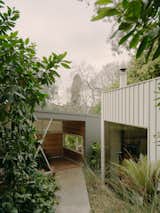
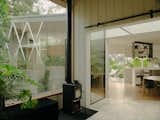
The architectural language of the new pavilions deliberately contrasts with the original, a decision made to "complement the existing conditions" rather than mimic them. This approach avoids a pastiche effect, clearly distinguishing between the historical fabric and the contemporary intervention. The pavilions are connected to the original house through "low, glazed linking structures." These transparent connectors serve multiple purposes: they create a clear visual separation between old and new, allowing both structures to be appreciated independently; they minimize the perceived bulk of the new additions; and they allow light to penetrate deeply into the junctions, maintaining a sense of openness.
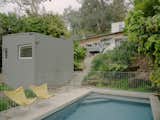
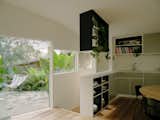
The new spaces housed within these pavilions directly addressed the family’s critical need for additional room. They now include a much-needed living room, a functional laundry area, a dedicated study, and a luxurious main bedroom complete with an en suite bathroom. These additions provide the contemporary amenities and private zones essential for a growing family, transforming the Coil House into a highly functional and comfortable home for the 21st century without sacrificing its mid-century soul. The careful articulation of these new volumes and their relationship to the landscape demonstrate a deep understanding of site planning and architectural subtlety.
Restoration and Refinement: Updates to the Original Structure
While the primary focus of the expansion was on the new pavilions, the project also encompassed a meticulous restoration of the original Coil House. This involved a careful assessment of the existing fabric, addressing wear and tear accumulated over more than six decades, and bringing key elements up to modern standards of performance and aesthetics, all while preserving their historical character. The objective was to enhance livability and efficiency without betraying McIntyre’s original vision.
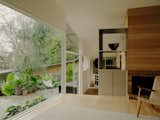
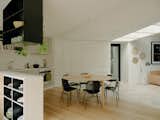
The most "substantial change to the original layout" within the coil itself was the transformation of the kitchen and dining area. This space was reimagined as an open-plan configuration and slightly enlarged. This modification was driven by the desire "to enable a larger central meals area for the family," reflecting contemporary patterns of family life where the kitchen often serves as the heart of the home, a communal space for cooking, dining, and social interaction. This alteration, though significant, was executed with an understanding that modern family dynamics necessitate more flexible and interconnected living spaces, particularly in high-traffic areas like the kitchen. The enlargement was carefully integrated, ensuring that the spirit of the original open, flowing plan was maintained, merely enhanced for current use. Other restoration efforts likely included updating services, improving insulation, and refreshing finishes, all undertaken with a keen eye on maintaining the house’s authentic modernist aesthetic.
Collaborative Craftsmanship: Project Team and Expertise
The successful realization of such a complex and sensitive architectural project is rarely the work of a single individual; it requires a highly skilled and collaborative team. For the Coil House expansion, Karen Abernethy assembled a roster of specialized professionals whose expertise was critical to navigating the challenges inherent in renovating a heritage property on a difficult site.
Solid Structure Engineering played an indispensable role, particularly given the house’s steeply sloping foundation and the integration of new structures. Their expertise ensured the structural integrity of both the original coil and the new pavilions, designing solutions that were robust yet sympathetic to the existing architecture. Building on a challenging gradient presents unique engineering demands, from foundations to retaining walls, and their contribution was fundamental to the project’s feasibility and safety.
Hamish Freeman, responsible for the landscape design, faced the task of integrating the new pavilions seamlessly into the natural environment, respecting the existing gum trees around which the original house coiled. His work would have focused on creating harmonious outdoor spaces, pathways, and planting schemes that complement both the modernist aesthetic of the original house and the contemporary lines of the new additions, enhancing the overall connection to the site.
Timberon provided the cabinetry, ensuring that the interior joinery throughout the house, particularly in the newly configured kitchen and the new pavilions, was crafted to the highest standards. Their bespoke solutions would have been designed to align with the modernist aesthetic, emphasizing clean lines, functionality, and the use of quality materials that resonate with the home’s character.
Finally, Tom Ross (through his work at tomross.xyz and @tomross.xyz on Instagram) was the project photographer. His role was crucial in documenting the transformation, capturing the interplay of old and new, the unique architectural forms, and the enhanced livability of the expanded home. High-quality architectural photography is essential for conveying the nuances of such a project to a wider audience, highlighting both the preservation efforts and the innovative contemporary design. The collaboration of these diverse specialists ensured that every aspect of the project, from the foundational elements to the final aesthetic touches, was executed with precision and a shared commitment to the project’s vision.
Implications for Heritage and Contemporary Design
The Coil House project stands as a significant case study in the ongoing dialogue between architectural heritage and the demands of modern living. It demonstrates that iconic mid-century modernist homes, often designed for specific family structures and lifestyles of their time, can be successfully adapted to contemporary needs without sacrificing their historical significance or aesthetic integrity. This project offers valuable lessons for architects, homeowners, and heritage bodies grappling with the challenges of preserving 20th-century architecture.
One of the key implications is the validation of an approach that distinguishes between the original and the new, rather than attempting to replicate historical styles. By creating contemporary pavilions that "contrast in approach and aesthetic" but "complement" the original, Karen Abernethy has shown how new interventions can respectfully stand alongside existing masterpieces, creating a richer, layered architectural narrative. This strategy avoids the pitfalls of historical mimicry, which can dilute the authenticity of both old and new.
Furthermore, the project underscores the importance of a deep understanding of the original architect’s intent and the core principles of their design. McIntyre’s emphasis on site integration and continuous views was the guiding light for the renovation, ensuring that the "coil" remained untouched internally. This thoughtful preservation of the original spatial experience is paramount for maintaining the house’s character and historical value.

In a broader sense, the Coil House’s successful expansion highlights the enduring appeal and adaptability of modernist architecture. These homes, often characterized by their functional layouts and connection to nature, can offer a robust framework for contemporary living. With sensitive design and a collaborative team, they can continue to serve families for generations, acting as living testaments to architectural innovation and the evolution of domestic life. The investment in such a renovation also contributes to the cultural landscape, preserving significant examples of Australia’s architectural patrimony for future appreciation and study.
The Coil House, originally a groundbreaking modernist statement, has now been skillfully reinterpreted and expanded. Through careful planning, a respectful design philosophy, and the expertise of a dedicated project team, Karen Abernethy has ensured that Peter McIntyre’s enduring legacy continues to thrive, offering a vibrant, functional home that honors its past while confidently embracing its future. It is a testament to the power of thoughtful architectural intervention, proving that remarkable spaces can indeed evolve, adapt, and continue to inspire.