 admin
admin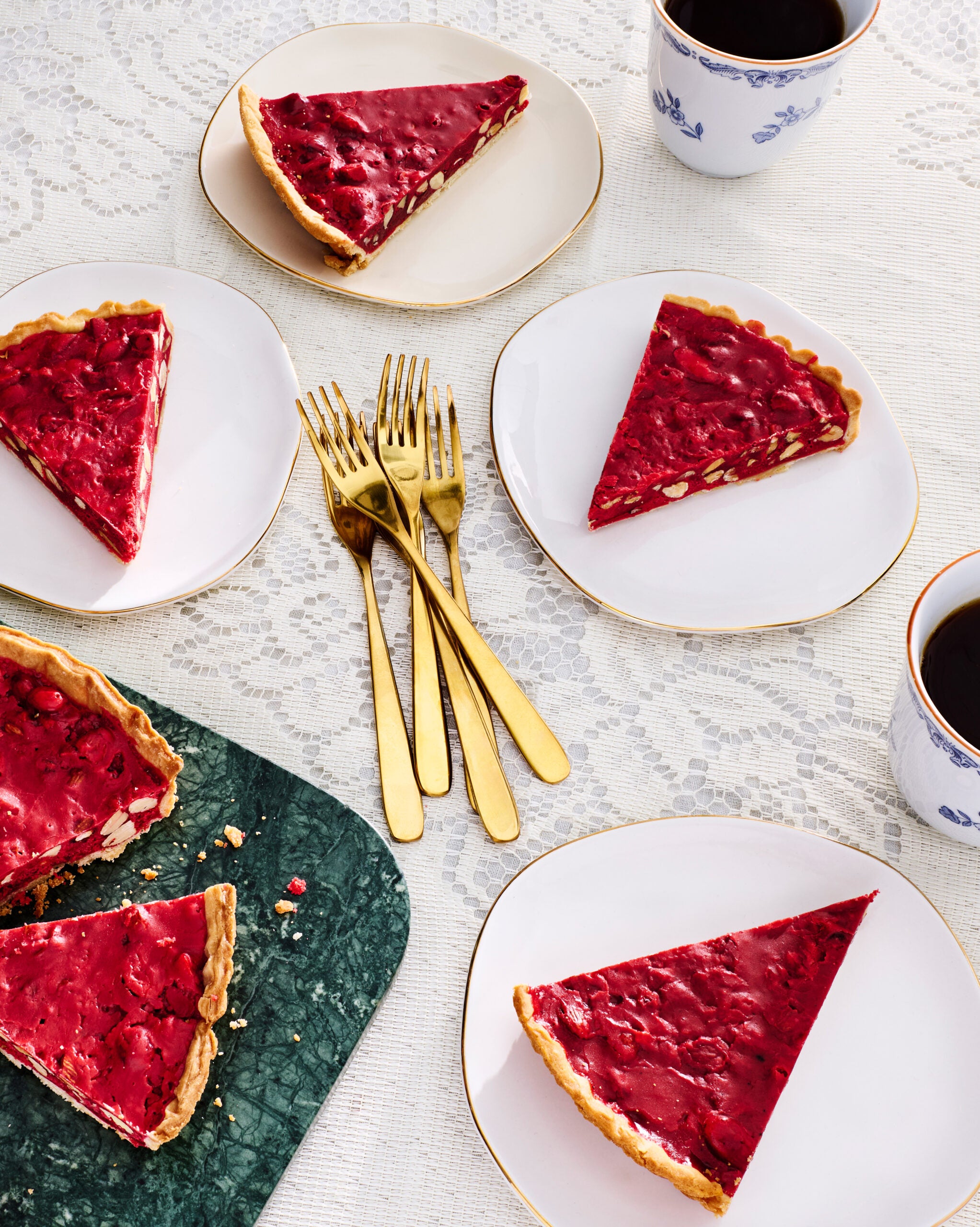
In a significant development for culinary enthusiasts and home bakers alike, a detailed instructional guide for crafting an exquisite praline tart has been released, offering a comprehensive breakdown of the process from initial dough preparation to the final, delectable setting of the filling. This meticulously detailed recipe, presented in a step-by-step format, provides aspiring bakers with the knowledge and techniques necessary to achieve professional-quality results in their own kitchens. The release of this guide signifies a growing interest in artisanal baking and the desire among consumers to recreate sophisticated desserts at home.
The Foundation: Mastering the Tart Dough
The journey to a perfect praline tart begins with the foundation: a meticulously crafted dough. The initial steps outlined in the guide emphasize the importance of precise ingredient ratios and technique. A large bowl becomes the stage for combining all-purpose flour, confectioners’ sugar, and fine salt. This dry base is then enriched with butter, which is to be incorporated using the fingertips. This manual method, often referred to as "rubbing in," is crucial for achieving the desired texture. The butter, when worked into the flour mixture until pea-sized pieces form, creates pockets that will later contribute to a flaky and tender crust. The addition of an egg binds the ingredients, and the directive to stir only until the dough "just comes together" is a key indicator of avoiding overworking, a common pitfall that can lead to a tough crust. The dough is then shaped into a disk, a practical measure to facilitate even chilling, wrapped in plastic, and subjected to a minimum refrigeration period of one hour. This chilling process is vital for several reasons: it allows the gluten to relax, preventing shrinkage during baking, and it solidifies the fat, which is essential for flakiness.
Preparing for Perfection: The Chilling and Rolling Process
Following the initial chilling, the dough is retrieved and allowed to soften slightly for approximately five minutes. This brief respite is critical, as overly chilled dough can be difficult to roll and prone to cracking. On a lightly floured work surface, the dough is then rolled into a 13-inch round, aiming for a thickness of about 1/8 inch. Precision in rolling is paramount to ensure even baking and a uniform presentation. The rolled dough is then carefully transferred to a 9-inch tart pan, ideally one with a removable bottom for easy demolding. The instructions stress the importance of gently pressing the dough into the corners of the pan, explicitly warning against stretching, which can lead to uneven thickness and potential tearing. Excess dough is then trimmed using a sharp knife or scissors, creating a clean edge. The prepared tart shell is then returned to the refrigerator for a crucial 30-minute chill. This second chilling period firms the dough further, helping it maintain its shape during the initial blind baking phase.
The Art of Blind Baking: Ensuring a Crisp Crust
As the tart shell chills, the oven is preheated to 350°F (175°C), with a rack positioned in the center. This precise temperature is critical for achieving the desired golden hue and crisp texture without overbaking. The chilled dough is then removed from the refrigerator and systematically pricked all over with a fork. This perforating action, known as docking, allows steam to escape during baking, preventing the crust from puffing up unattractively. The shell is then lined with parchment paper and filled with pie weights or dried beans. This technique, called blind baking, ensures that the bottom crust cooks thoroughly and remains crisp, even before the filling is added. The tart shell bakes for 20 minutes with the weights and parchment in place. Subsequently, the weights and parchment are removed, and the crust continues to bake for an additional 5 to 8 minutes, or until it achieves a light golden color. This stage is crucial for developing the characteristic crispness of a well-baked tart crust. Once baked, the crust is set aside to cool completely, a necessary step to prevent the delicate filling from cooking prematurely.
Crafting the Praline Infusion: The Heart of the Tart
While the tart shell cools, attention shifts to the creation of the praline filling, the star ingredient that lends the tart its name and distinctive flavor. The process begins in a medium pot over medium-high heat, where pralines, heavy cream, and butter are combined. The key here is continuous stirring, a vital practice to ensure even melting and prevent scorching. The mixture is cooked until the praline coating is completely dissolved and the temperature reaches 220°F (104°C) on a candy thermometer. This specific temperature, known as the soft-ball stage, is critical for achieving the correct consistency for the filling. The inclusion of kosher salt at this stage, and vanilla extract if desired, adds layers of flavor complexity, balancing the sweetness of the praline. The instructions then provide a critical safety and quality tip: the hot filling is carefully ladled into the tart shell until it is just below the edge. This deliberate underfilling is a preventative measure against overflow or splashing when the tart is returned to the oven for its final bake, contributing to a cleaner presentation and a safer baking experience.
The Final Transformation: Baking and Setting the Praline
The final baking stage is relatively brief but essential for achieving the perfect texture of the praline filling. The tart is baked for an additional 5 to 10 minutes, or until the filling is bubbly and has slightly reduced. This indicates that the filling has begun to set. Once removed from the oven, the tart pan is transferred to a wire rack to cool slightly. The subsequent refrigeration period is substantial, requiring at least 4 hours, and ideally up to 8 hours, for the tart to cool completely and the filling to set firmly. This extended chilling time is crucial for allowing the flavors to meld and the texture to achieve its characteristic decadent, yet yielding, consistency.
Serving and Enjoyment: The Culmination of Culinary Effort
The final step in this culinary endeavor is the simple yet satisfying act of serving. The praline tart is sliced into wedges, allowing the rich, caramelized filling and crisp crust to be appreciated in every bite. This detailed guide, from the meticulous preparation of the dough to the precise temperature control of the filling, represents a significant contribution to the world of home baking. It empowers individuals to replicate a sophisticated dessert that might otherwise be perceived as challenging, fostering a sense of accomplishment and culinary exploration. The emphasis on technique, ingredient quality, and precise execution underscores the principles of good baking, transforming simple ingredients into an elegant and delicious treat.
Broader Implications and Context
The release of such detailed culinary instructions often reflects broader societal trends. In recent years, there has been a notable resurgence of interest in home cooking and baking, fueled by social media platforms, a desire for healthier and more controlled food options, and a general appreciation for artisanal craftsmanship. The COVID-19 pandemic, in particular, saw a significant surge in home baking activities as individuals sought engaging and rewarding ways to spend their time indoors. This praline tart recipe, with its multi-stage process and emphasis on precision, caters to this growing segment of the population that is eager to delve deeper into culinary techniques.
Furthermore, the availability of such guides democratizes access to recipes that were once primarily found in professional kitchens or specialized cookbooks. Online platforms and culinary websites are increasingly becoming hubs for sharing detailed instructions, often accompanied by visual aids, making complex recipes more approachable. The specific mention of tools like a candy thermometer and a tart pan with a removable bottom suggests a target audience that is invested in acquiring the right equipment for quality results.
The implications of such detailed guides extend beyond individual kitchens. They contribute to the preservation and dissemination of culinary knowledge, ensuring that traditional techniques and recipes are passed down and adapted for modern audiences. For the food industry, this trend can translate into increased demand for high-quality ingredients, specialized baking equipment, and even baking classes and workshops. As consumers become more adept and adventurous in their home baking, they often seek out premium ingredients and innovative recipes, driving demand for specialty food producers and retailers.
The praline tart, with its rich history rooted in confectionery, represents a classic dessert that can be elevated through careful execution. The guide’s emphasis on specific temperatures and chilling times highlights the scientific underpinnings of baking, transforming it from a purely intuitive process into a more controlled and predictable one. This approach appeals to a growing number of home cooks who appreciate the precision and the reward of achieving consistently excellent results. As this trend continues, we can expect to see more such comprehensive guides emerge, further enriching the home culinary landscape and empowering individuals to explore the art of baking with confidence and creativity. The success of this praline tart recipe, when replicated in kitchens worldwide, will undoubtedly serve as a testament to the power of clear instruction and the enduring appeal of a perfectly crafted dessert.