 admin
admin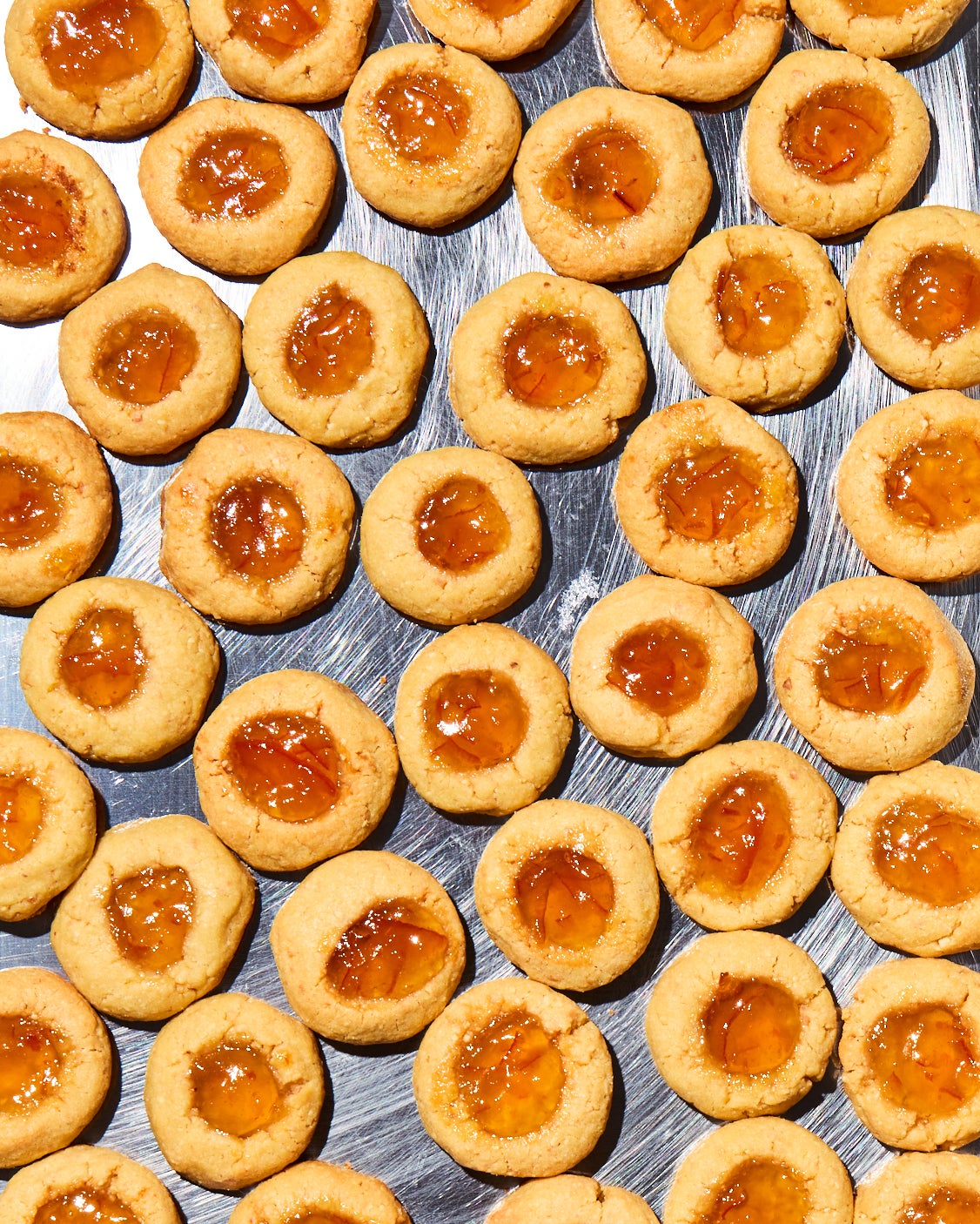
The seemingly simple act of baking a cookie can be a profound journey into culinary artistry, a testament to the power of precise technique and quality ingredients. This is nowhere more evident than in the creation of the almond-marmalade thumbprint cookie, a delicate confection that requires a thoughtful approach from ingredient selection to final cooling. The process, broken down into four key stages, emphasizes the importance of patience, temperature control, and a keen eye for visual cues to achieve a perfectly balanced and exquisitely flavored treat.
The Foundation: Crafting the Dough’s Delicate Balance
The journey begins in a medium bowl, where the foundational elements of the cookie dough are brought together. Flour, the structural backbone, is meticulously combined with finely ground almonds and a pinch of salt. This dry mixture is not merely an aggregation of ingredients but a carefully calibrated blend. The flour provides the necessary gluten structure for the cookie to hold its shape, while the almonds contribute a subtle nutty depth and a pleasing textural contrast. The salt, often overlooked, plays a crucial role in enhancing the overall flavor profile, balancing the sweetness and bringing out the nuances of both the almonds and any accompanying fillings.
This dry assembly is then introduced to a stand mixer, the workhorse of modern baking, fitted with a paddle attachment. Here, the butter and sugar are subjected to a vigorous beating on medium-high speed. This aeration process is critical, transforming the dense butter and granulated sugar into a light and fluffy emulsion. This stage, typically lasting about two minutes, is more than just mixing; it’s about incorporating air, which will contribute to the cookie’s tender crumb and slightly crisp exterior. The visual cue here is paramount: the mixture should transform from a pale yellow to a noticeably lighter, almost white hue, indicating sufficient air has been incorporated.
Following this, the egg yolks are introduced. These are the emulsifiers and enrichers of the dough, adding moisture, richness, and a desirable chewiness. They are beaten in until just combined, signaling the next crucial addition: vanilla and almond extracts. The harmonious pairing of vanilla and almond extracts is a classic combination, providing a warm, aromatic foundation that complements the nutty notes of the ground almonds. Again, the mixer is used judiciously, with scraping down the sides of the bowl as needed to ensure all ingredients are fully incorporated without overmixing. Overworking the dough at this stage can develop too much gluten, leading to tough cookies.
The final stage of dough preparation involves the gradual introduction of the dry, almond-flour mixture. The mixer is set to low speed, a deliberate choice to prevent the development of excessive gluten. The flour mixture is added incrementally, allowing it to be just incorporated. The instruction to mix "until no white streaks remain" is a critical visual cue. It signifies that the flour has been hydrated and distributed throughout the dough, but importantly, it also suggests stopping at the precise moment of incorporation. Overmixing here would be detrimental, potentially leading to a tough or crumbly cookie.
Once the dough is formed, it is gathered into a cohesive ball. This is a moment of unification, where all the carefully combined elements become one. The dough is then wrapped securely in plastic and chilled. This refrigeration period, lasting at least 30 minutes and potentially extending up to seven days, is not merely a waiting game. It is a vital step for several reasons. Chilling solidifies the butter, making the dough easier to handle and preventing the cookies from spreading excessively during baking. It also allows the flavors to meld and deepen, contributing to a more complex taste. The extended refrigeration window offers bakers flexibility, allowing them to prepare the dough in advance for spontaneous baking sessions or planned events.
Precision in Form: Shaping the Cookie Canvas
With the dough perfectly chilled and ready, the next phase focuses on shaping the individual cookies and preparing them for their sweet destiny. The oven, the heart of the baking process, is preheated to 350°F (175°C), with racks positioned in the upper and lower thirds. This dual rack placement, coupled with the instruction to switch racks and rotate the baking sheets halfway through, is a deliberate strategy to ensure even baking. It accounts for the natural temperature variations within an oven, promoting uniform browning and cooking across all cookies.
The chilled dough is then rolled into uniform 1-tablespoon balls. Consistency in size is paramount for even baking. Each ball is placed on parchment-lined baking sheets, with at least one inch of space between them. This spacing is crucial to prevent the cookies from merging as they bake and to allow for adequate air circulation.
The defining characteristic of this cookie, the thumbprint, is then created. Using either a thumb or the back of a round measuring spoon, a distinct indentation is made in the center of each ball. This creates a well, a miniature vessel ready to receive its flavorful filling. The instruction to "smooth any cracked edges" with fingers is a subtle but important detail. It ensures a clean, aesthetically pleasing final product and helps to contain the filling.
The filling, in this case, is a teaspoon of marmalade, carefully spooned into each indentation. The choice of marmalade is significant. Its bright, citrusy notes provide a delightful counterpoint to the rich, nutty dough. The quantity is also precise; too much filling can lead to an overly sweet or messy cookie, while too little might leave the indentation feeling hollow. The balance between the cookie’s texture and the marmalade’s vibrant flavor is key to the cookie’s overall success.
The Alchemy of Heat: Baking to Golden Perfection
The baking process is where the raw ingredients are transformed into the finished cookie. The preheated oven, set at 350°F (175°C), becomes the crucible for this transformation. The cookies are placed on the prepared baking sheets and subjected to the heat. The duration, 12-15 minutes, is a guideline, with the visual cue of "light golden brown" being the ultimate indicator of doneness.
The instruction to switch racks and rotate the baking sheets halfway through is a critical component of achieving even baking. Ovens, even high-quality ones, can have hot spots. By repositioning the sheets and rotating them, bakers can mitigate these variations, ensuring that cookies on both the top and bottom racks, and from front to back, cook uniformly. This simple maneuver prevents some cookies from becoming over-baked and others undercooked.
The visual cue of "light golden brown" is a nuanced indicator. It signifies that the sugars in the cookie have caramelized sufficiently to impart color and flavor, but not so much that they have burned. The edges of the cookie should appear set, and the center should look slightly soft, as it will continue to firm up as it cools.
The Crucial Cool-Down: Preserving Texture and Flavor
The cooling process is as integral to the final outcome as the baking itself. Immediately after removing the baking sheets from the oven, the cookies are set aside to cool slightly on the sheets. This brief period allows the cookies to firm up enough to be handled without falling apart. They are still delicate at this stage, their structure not yet fully set.
Following this initial cooling, the cookies are transferred to a wire rack to cool completely. This is a crucial step that allows for air circulation around all sides of the cookie. Cooling on a solid surface can trap moisture, leading to a soggy bottom. The wire rack facilitates even cooling, preventing condensation and ensuring the cookie maintains its desired crispness and texture.
The instruction that the cookies will keep in an airtight container for up to 5 days speaks to their inherent stability when properly cooled. This extended shelf life makes them an excellent option for make-ahead baking for parties, holidays, or simply for enjoying over the week. The airtight container is essential to prevent the cookies from becoming stale or absorbing unwanted moisture from the air.
Context and Significance: A Timeless Treat
The almond-marmalade thumbprint cookie, while seemingly simple, represents a confluence of baking traditions. Thumbprint cookies, in various forms, have been a staple in many cultures for generations. Their appeal lies in their adaptability and their inherent charm. The addition of almonds speaks to a long history of incorporating nuts into baked goods for flavor and texture, a practice dating back centuries across Europe and the Middle East. Marmalade, with its distinct citrus tang, often found in British and European baking, adds a bright, sophisticated layer.
The precise methodology outlined in the instructions reflects a modern understanding of baking science. The emphasis on temperature control (butter temperature for creaming, oven temperature), ingredient ratios, and precise mixing techniques are hallmarks of contemporary culinary instruction aimed at achieving consistent, high-quality results. This level of detail is often absent in more rustic or heirloom recipes, highlighting the evolution of baking from an intuitive art to a more quantifiable science.
Supporting Data and Trends in Baking
The popularity of almond-based baked goods has seen a steady rise, driven by consumer interest in both flavor and perceived health benefits. Almonds are a good source of vitamin E, magnesium, and healthy fats. According to market research reports, the global almond market continues to expand, with significant growth in the food and beverage sector, including baked goods. This trend suggests a growing consumer appreciation for ingredients like those found in this thumbprint cookie.
Furthermore, the resurgence of home baking, particularly in recent years, has seen a renewed interest in classic recipes and techniques. Home bakers are increasingly seeking out detailed instructions that promise successful outcomes, making articles and recipes that break down complex processes into manageable steps highly valuable. The emphasis on chilling the dough, for instance, is a technique that can be applied to many other types of cookies and pastries, offering a transferable skill for home bakers.
Implications for Culinary Education and Home Baking
The detailed instructions for these almond-marmalade thumbprint cookies serve as an excellent pedagogical tool. They implicitly teach fundamental baking principles: the role of fat and sugar creaming in texture, the importance of not overmixing gluten-containing doughs, and the necessity of precise temperature control in baking. For aspiring bakers, mastering this recipe can build confidence and provide a solid foundation for tackling more complex creations.
For the home baker, the recipe offers a pathway to creating a sophisticated yet accessible treat. The ability to prepare the dough in advance adds a layer of convenience, making it ideal for busy individuals or those who enjoy entertaining. The final product, a delicate cookie with a delightful balance of nutty, sweet, and tart flavors, is likely to impress guests and family alike, elevating the everyday experience of enjoying a homemade cookie. The longevity of the cookies, when stored correctly, also makes them a practical choice for stocking a home pantry with a delightful homemade snack. This recipe, therefore, is more than just a set of instructions; it’s an invitation to engage with the art and science of baking, yielding a delicious and rewarding outcome.