 admin
admin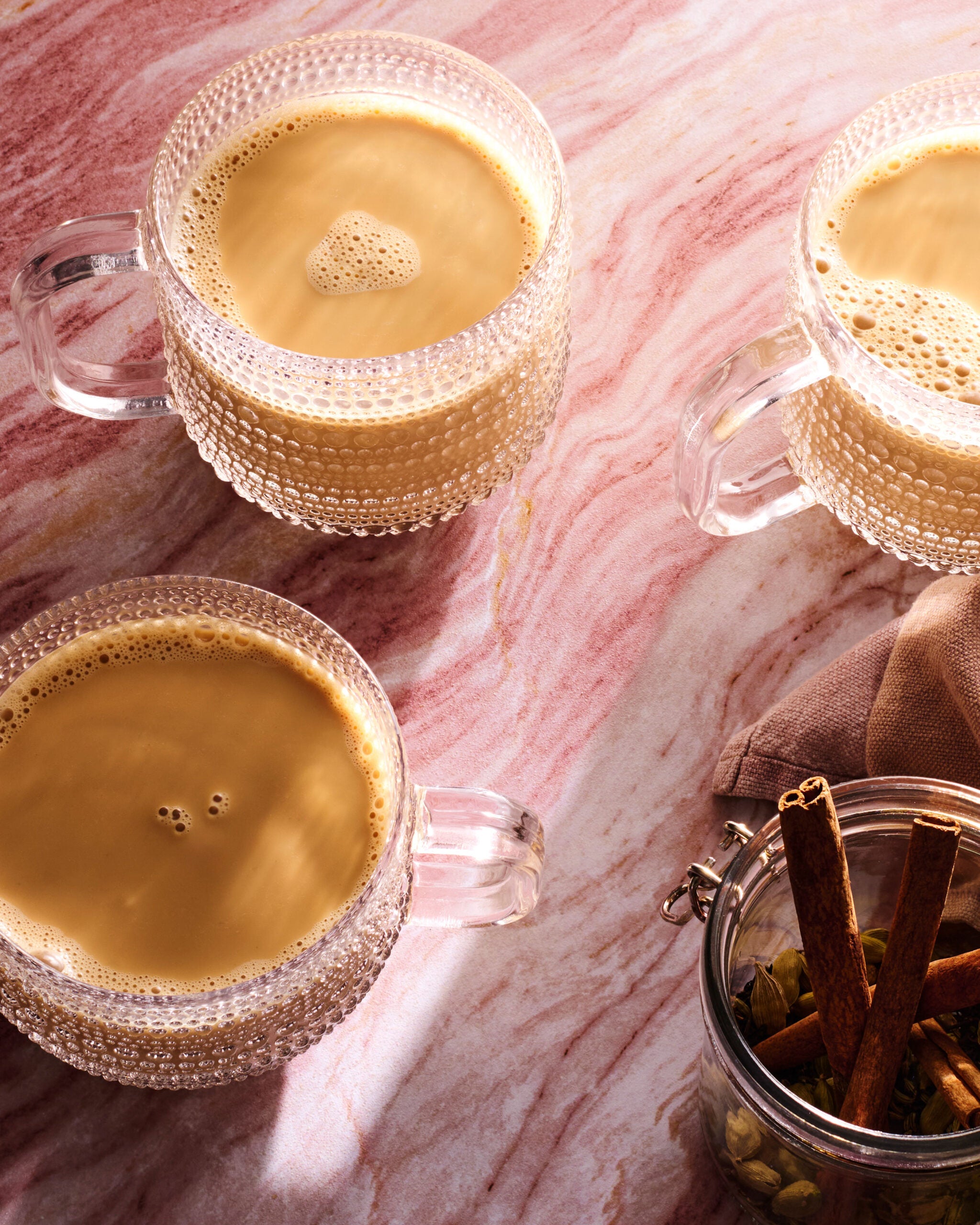
The aroma of spices, a comforting embrace, and a daily ritual deeply woven into the fabric of life – this is the essence of chai, particularly for Maryam Ghaznavi, the visionary chef-owner of Charleston’s Malika Canteen. As the proprietor of South Carolina’s inaugural Pakistani restaurant, Ghaznavi brings a rich culinary heritage to the Lowcountry, and at the heart of this heritage lies her family’s cherished masala chai. This iconic beverage, a staple in her upbringing in Lahore, Pakistan, is more than just a drink; it’s a cultural cornerstone, a symbol of hospitality, and a testament to the nuanced art of home cooking. Ghaznavi recently shared the secrets behind her exceptional masala chai, offering a glimpse into a tradition that transcends simple preparation.
A Culinary Legacy Rooted in Tradition
Maryam Ghaznavi’s connection to chai is profound, extending beyond personal preference to a familial and cultural imperative. "I grew up in a family and a culture that lives off of chai," she states, underscoring its ubiquitous presence. "My mom and sisters wake up [with] chai and drink it before sleeping." This deeply ingrained habit speaks to the beverage’s role not only as a morning stimulant or evening relaxant but as an integral part of the daily rhythm and social fabric. The act of preparing and sharing chai is often a communal affair, fostering connection and conversation. For Ghaznavi, this upbringing in Lahore, a city renowned for its vibrant culinary scene and warm hospitality, provided the foundational understanding of flavor profiles and the intuitive approach to cooking that defines her approach.
The Anatomy of Malika Canteen’s Masala Chai
Ghaznavi’s masala chai is a meticulously crafted symphony of flavors, where each ingredient plays a crucial role. The base is a robust black tea, chosen for its ability to stand up to the potent spice blend. The aromatic heart of the chai is a carefully selected combination of spices: cardamom, renowned for its sweet, pungent notes; cinnamon, offering warmth and a hint of sweetness; fennel, contributing a subtle anise-like flavor; ginger, providing a zesty, invigorating kick; and mint, adding a refreshing counterpoint. However, the defining element that elevates Ghaznavi’s chai to a new level of richness and texture is the use of evaporated milk.
"It’s denser than fresh milk, and the viscosity yields a creamier chai," Ghaznavi explains. Evaporated milk, through its concentrated form, offers a creamier mouthfeel and a richer flavor profile compared to standard whole milk. This choice is not arbitrary; it’s a deliberate technique to achieve a specific textural quality that is both luxurious and comforting. The process of incorporating this milk is as important as the ingredient itself. Ghaznavi emphasizes the critical step of "cooking down the milk, then aerating it." This involves a technique of vigorous stirring and pouring, often described as "going as high as you can with your ladle and dropping the liquid back into the pot to create bubbles." This aeration process not only contributes to the creamy texture but also imparts a light, airy quality to the finished chai, a characteristic that is surprisingly delightful and enhances its overall drinking experience.
The Art of "Andaza": Intuition in the Kitchen
A hallmark of traditional home cooking across many cultures, including Pakistani cuisine, is the concept of "andaza," an Urdu term that translates to "estimation" or "intuitive measurement." This approach eschews precise recipes in favor of a deep understanding of ingredients and the subtle cues of the cooking process. Ghaznavi embodies this philosophy, stating, "I usually eyeballs the ingredients – I don’t think I’ve ever measured it. It’s the ‘way of the hands.’" This reliance on instinct and experience allows for a dynamic and responsive cooking style, where adjustments are made on the fly based on the aroma, color, and texture of the developing dish. It speaks to a culinary wisdom passed down through generations, where sensory perception is as vital as any written instruction.
Despite her intuitive approach, Ghaznavi recognizes the value of sharing precise measurements, especially in a public forum like the Charleston Wine + Food Festival. Her willingness to translate her "andaza" into a quantifiable recipe underscores her dedication to sharing the authentic flavors of Pakistani cuisine with a wider audience. This act of sharing democratizes her culinary expertise, allowing home cooks to replicate the essence of her celebrated chai.
Charleston Wine + Food Festival: A Platform for Culinary Exchange
The Charleston Wine + Food Festival, a premier event celebrating culinary arts and Southern culture, provides an ideal stage for Ghaznavi to showcase her heritage. Held annually in Charleston, South Carolina, the festival draws renowned chefs, food enthusiasts, and industry professionals from across the globe. It serves as a vibrant marketplace of ideas, techniques, and flavors, fostering a rich environment for cultural exchange. For Malika Canteen, participating in such a prestigious event offers a significant opportunity to introduce Pakistani cuisine to a diverse audience, many of whom may be encountering it for the first time. Ghaznavi’s sharing of her masala chai recipe at the festival is not just about a beverage; it’s about an introduction to the warmth, complexity, and hospitality inherent in Pakistani culinary traditions. The festival’s commitment to highlighting diverse culinary voices makes it a crucial platform for chefs like Ghaznavi to share their stories and traditions.
Recipe for Authentic Masala Chai
For those eager to recreate the magic of Malika Canteen’s masala chai, Ghaznavi has graciously shared the precise ingredients and steps:
Ingredients:
- 3 cups water
- 2 tablespoons black tea leaves (or 4 tea bags)
- 1 teaspoon fennel seeds
- 1 teaspoon green cardamom pods, lightly crushed
- 1 teaspoon dried mint leaves
- 1/2 teaspoon ground cinnamon
- 1/2 teaspoon grated fresh ginger
- 1 cup evaporated milk
- Sugar to taste
Instructions:
- Infuse the Spices and Tea: In a medium pot, combine 3 cups of water with the black tea, fennel seeds, crushed cardamom pods, dried mint leaves, ground cinnamon, and grated ginger. Place the pot over medium-high heat and bring the water to just below a boil.
- Simmer and Develop Flavor: Once the water reaches the desired temperature, reduce the heat to medium and allow the mixture to simmer for 2 minutes. This allows the spices to release their essential oils and infuse the water.
- Boil and Incorporate Milk: Increase the heat back to high and bring the mixture to a rolling boil. Carefully stir in the evaporated milk and sugar. Bring the chai back to a boil.
- Achieve the Perfect Consistency: Maintain a strong boil, carefully adjusting the heat as needed to prevent overflowing. Continue to cook for 2 to 3 minutes, or until the chai darkens in color. This concentration process is key to developing its rich flavor.
- Aerate for Creaminess: Switch the heat to medium-high. Using a ladle, repeatedly scoop spoonfuls of the chai and pour them back into the pot from a height of approximately 1 foot. Continue this aeration process for 1 to 2 minutes, until the mixture becomes noticeably creamy and frothy. This technique is crucial for achieving the signature light, airy texture.
- Strain and Serve: Remove the pot from the heat. Strain the masala chai into individual cups. Serve immediately, either hot or iced, for a truly authentic experience.
Broader Implications and Cultural Significance
Maryam Ghaznavi’s contribution through Malika Canteen and her recipe sharing extends beyond mere culinary instruction. It represents a vital act of cultural preservation and dissemination. In an increasingly globalized world, the preservation of authentic culinary traditions is paramount. Restaurants like Malika Canteen serve as cultural ambassadors, offering a tangible connection to heritage for diasporic communities and an educational experience for newcomers. The success of Malika Canteen, as the first Pakistani restaurant in South Carolina, is a testament to the growing appreciation for diverse global cuisines and the entrepreneurial spirit of chefs like Ghaznavi.
The act of sharing the "andaza" behind her chai is particularly significant. It demystifies a practice often perceived as inaccessible and invites a broader audience to engage with Pakistani home cooking on a more personal level. This openness fosters understanding and appreciation, breaking down cultural barriers through the universal language of food. As Ghaznavi continues to build her culinary presence, her dedication to authenticity and her generous spirit promise to enrich Charleston’s vibrant food landscape and introduce more people to the soulful world of Pakistani flavors. The implications are clear: such initiatives not only elevate individual chefs and their establishments but also contribute to a more diverse, inclusive, and flavorful culinary tapestry for entire communities.