 admin
admin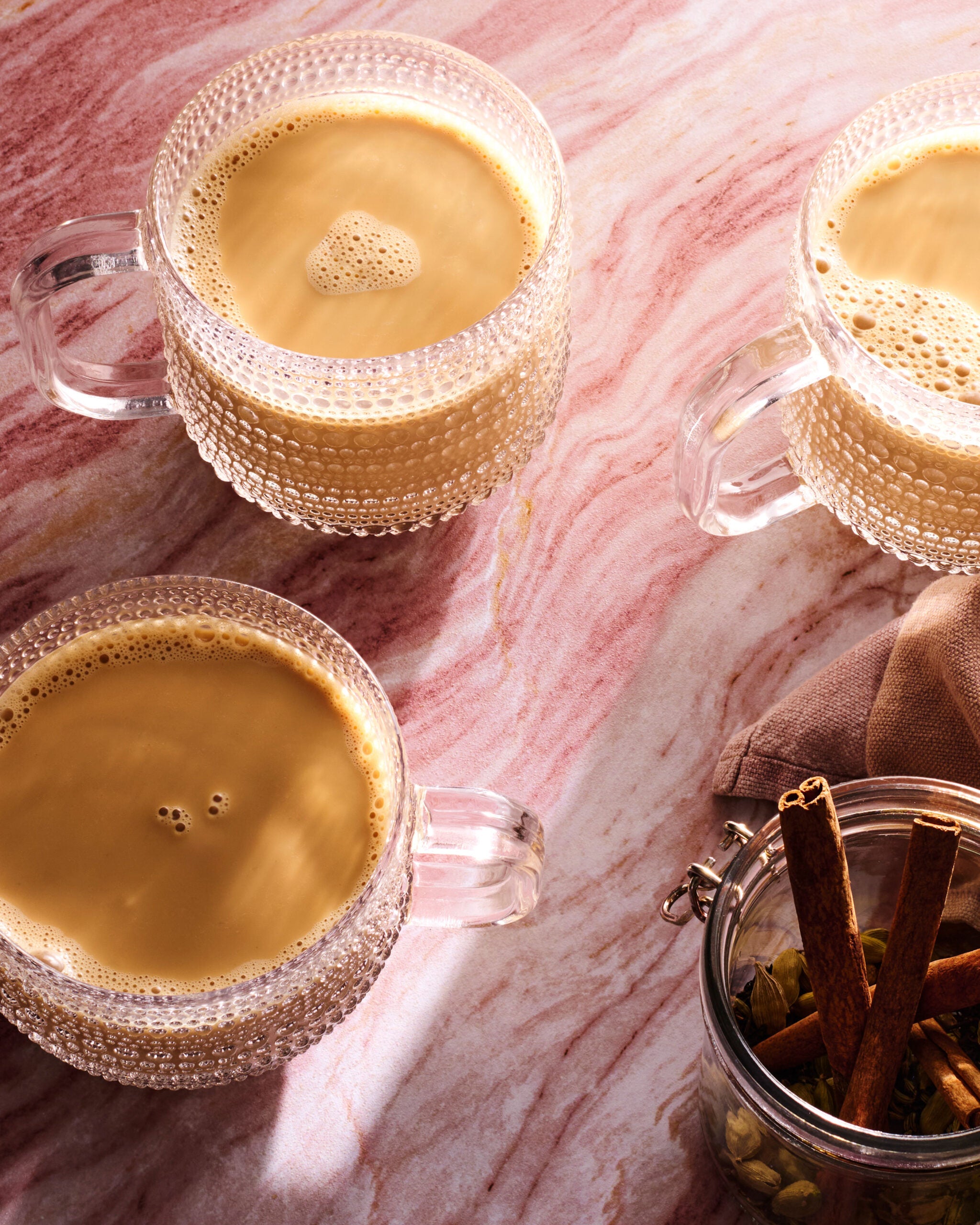
Charleston, SC – The aromatic allure of spices, the comforting warmth of a perfectly brewed beverage, and the rich cultural heritage woven into every sip – these are the hallmarks of masala chai, a beloved drink deeply ingrained in the fabric of Pakistani life. For Maryam Ghaznavi, chef-owner of Malika Canteen, Charleston’s pioneering Pakistani restaurant, chai is more than just a drink; it’s a legacy, a daily ritual, and a profound expression of hospitality. At a recent demonstration at the Charleston Wine + Food Festival, Ghaznavi, a native of Lahore, Pakistan, generously shared the meticulously honed techniques behind her signature masala chai, offering a glimpse into a culinary tradition passed down through generations and now gracing the South Carolina culinary landscape.
Ghaznavi’s personal connection to chai is palpable, stemming from a childhood steeped in its presence. "I grew up in a family and a culture that lives off of chai," she shared. "My mom and sisters wake up [with] chai and drink it before sleeping." This deep-seated familiarity informs her approach, which prioritizes both authentic flavor and a unique textural experience. Her masala chai is a carefully orchestrated symphony of black tea, fragrant cardamom, warm cinnamon, delicate fennel, invigorating ginger, refreshing mint, and, as she emphasizes, the crucial element of evaporated milk.
The choice of evaporated milk is not arbitrary. Ghaznavi explains its transformative effect: "It’s denser than fresh milk, and the viscosity yields a creamier chai." This density contributes to a richer mouthfeel, a key differentiator in her preparation. However, the true magic, she revealed, lies in the subsequent cooking and aeration process. "It’s important to cook down the milk, then aerate it," she instructed. "Go as high as you can with your ladle and drop the liquid back into the pot to create bubbles." This technique, often referred to as "hand-whisking" or "aerating," is fundamental to achieving the desired light, airy, and frothy consistency that characterizes her exceptional chai. The result is a beverage that is equally delightful served hot, its spices blooming in the warmth, or chilled, offering a refreshing counterpoint on a warmer day.
A Culinary Heritage Shared at Charleston Wine + Food Festival
The Charleston Wine + Food Festival, an annual celebration of culinary talent and regional flavors, provided an opportune platform for Ghaznavi to share her expertise. This esteemed event, which typically draws thousands of attendees and features a diverse array of chefs, restaurateurs, and culinary artisans, serves as a vital incubator for gastronomic innovation and cultural exchange within Charleston and beyond. The festival’s commitment to showcasing diverse culinary traditions makes it an ideal venue for introducing and celebrating the nuances of Pakistani cuisine, with Ghaznavi’s masala chai being a prime example.
While Ghaznavi typically relies on an intuitive approach, a practice she refers to as the "way of the hands," or andaza in Urdu, a testament to the deeply ingrained knowledge that transcends precise measurements, she made an exception for the festival attendees. For the first time, she detailed the exact quantities for her beloved recipe, enabling home cooks to replicate the experience. This act of sharing underscores the spirit of generosity and community that often accompanies traditional culinary practices.
The Art of Andaza: Intuition Meets Precision
The concept of andaza is central to many traditional cuisines, where recipes are often learned and executed through sensory experience rather than strict adherence to written instructions. It involves a nuanced understanding of ingredients, cooking times, and desired outcomes, honed through years of practice and observation. Ghaznavi’s ability to consistently produce exceptional chai without precise measurements speaks to her deep mastery of this culinary art form. However, the act of translating this intuitive knowledge into a quantifiable recipe for the Charleston Wine + Food Festival marks a significant moment, bridging the gap between traditional practice and accessible culinary education.
Deconstructing the Masala Chai Recipe: A Step-by-Step Guide
For those eager to recreate Ghaznavi’s signature masala chai, the process, while seemingly straightforward, requires attention to detail and a keen understanding of the cooking stages. The recipe, as shared at the festival, involves the following key steps:
Ingredients:
- 3 cups of water
- 1 tablespoon of black tea leaves (such as Assam or Darjeeling)
- 1 teaspoon of ground cardamom
- ½ teaspoon of ground cinnamon
- ½ teaspoon of fennel seeds
- ½ teaspoon of grated fresh ginger
- ¼ teaspoon of dried mint leaves
- 1 cup of evaporated milk
- Sugar to taste
Instructions:
- Infusing the Spices: In a medium pot, heat 3 cups of water over medium-high heat. Bring the water to just below a boil. Add the black tea leaves, fennel seeds, ground cardamom, dried mint leaves, ground cinnamon, and grated fresh ginger. Bring the mixture to a rolling boil.
- Simmering the Base: Reduce the heat to medium and allow the mixture to simmer for 2 minutes, allowing the spices to release their aromas and flavors into the water.
- Building the Chai: Turn the heat back up to high and bring the liquid to a boil once more. This step is crucial for fully extracting the tea’s color and flavor.
- Introducing the Milk and Sweetener: Stir in the evaporated milk and sugar. Bring the mixture back to a boil, being watchful to prevent overflow.
- Developing the Color and Flavor: Maintain a strong boil, adjusting the heat as necessary, for an additional 2 to 3 minutes. During this time, the chai will visibly darken as the milk cooks down and the flavors meld. This cooking of the milk is what contributes to the denser, creamier texture.
- The Art of Aeration: Once the chai has reached the desired color and richness, turn the heat to medium-high. Employing a ladle, carefully scoop spoonfuls of the chai and pour them back into the pot from a height of approximately one foot. This vigorous pouring and splashing action introduces air into the liquid, creating the characteristic frothy and creamy texture. Continue this aeration process for 1 to 2 minutes until the mixture is noticeably creamy and frothy.
- Serving: Remove the pot from the heat. Strain the chai into individual cups to remove the tea leaves and spices. Serve immediately, either hot or chilled.
The Significance of Evaporated Milk and Aeration
The detailed explanation of evaporated milk’s role and the aeration technique highlights the nuanced understanding Ghaznavi possesses of her craft. Evaporated milk, with its reduced water content, provides a richer, more concentrated milk flavor and a thicker consistency compared to fresh milk. This density is crucial for achieving the desired creaminess without diluting the spiced tea base.
The aeration process, often described as “whisking” or “frothing,” is not merely aesthetic; it fundamentally alters the texture and mouthfeel of the chai. By introducing air bubbles, the chai becomes lighter and more effervescent, creating a more pleasant and complex drinking experience. This technique is deeply rooted in traditional chai preparation across various South Asian cultures, but Ghaznavi’s specific method, as described, emphasizes achieving a particular balance of creaminess and lightness.
Broader Implications: Cultural Exchange and Culinary Innovation
Maryam Ghaznavi’s presence at the Charleston Wine + Food Festival, and her willingness to share the intricacies of her masala chai recipe, carries significant implications for cultural exchange and culinary innovation. As the first Pakistani restaurant owner in South Carolina, Ghaznavi is a trailblazer, introducing a rich and diverse cuisine to a new audience. Her success and the positive reception of her food contribute to a broader understanding and appreciation of global culinary traditions.
The act of sharing such a personal and culturally significant recipe also fosters a sense of connection and inclusivity. It allows individuals from different backgrounds to engage with and experience Pakistani culture through the universal language of food. For aspiring chefs and home cooks, Ghaznavi’s demonstration serves as an inspiration, encouraging them to explore new flavors, techniques, and culinary narratives.
The Charleston Wine + Food Festival, by providing a platform for chefs like Ghaznavi, reinforces its role as a vital hub for culinary discovery. Events of this nature not only showcase individual talent but also contribute to the evolving tapestry of the American food landscape, celebrating diversity and promoting cross-cultural understanding through the shared joy of exceptional food and drink. Ghaznavi’s masala chai, with its blend of tradition, technique, and a touch of personal andaza, stands as a testament to the enduring power of culinary heritage and its ability to connect us all.