 admin
admin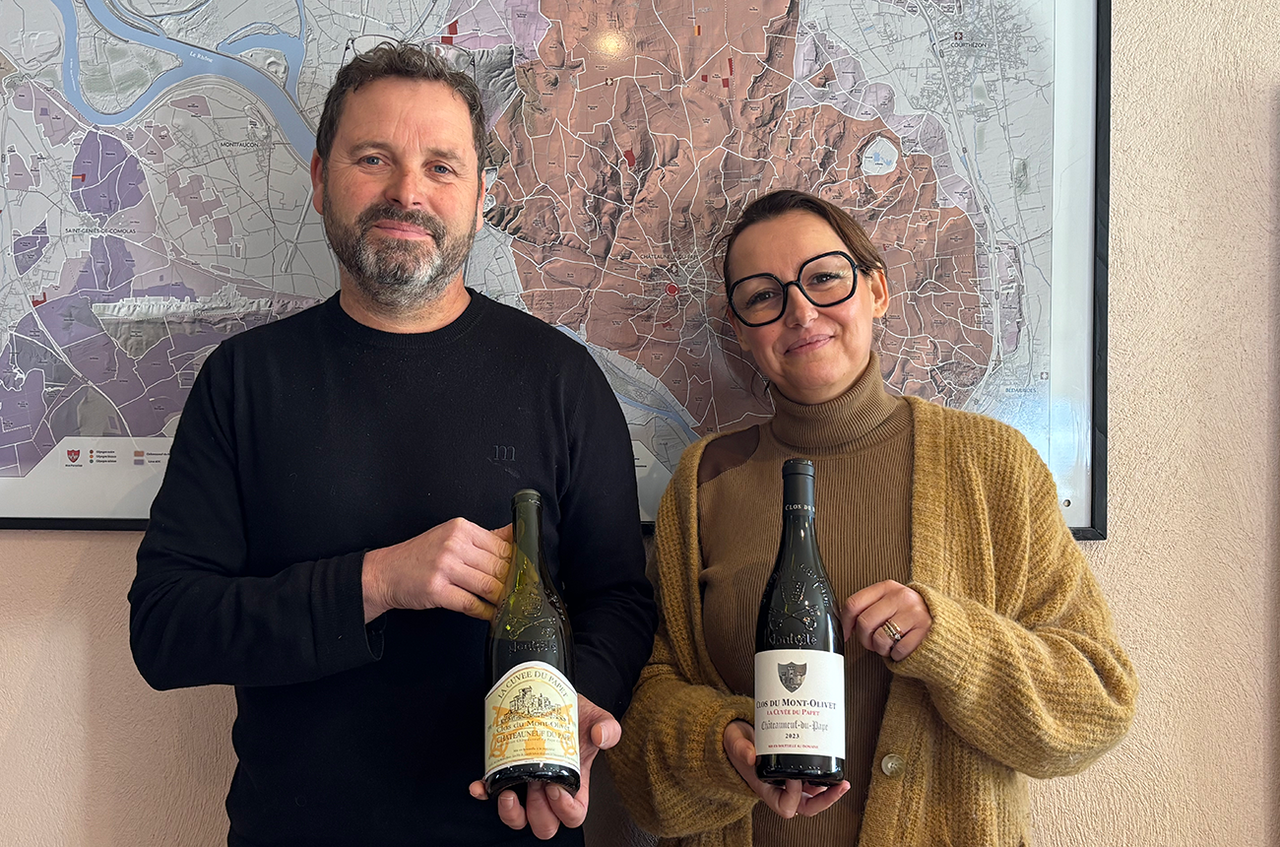
The year 1989 stands as a seminal moment in the annals of Châteauneuf-du-Pape, marking a profound transition that fundamentally reshaped the appellation’s identity. It was a fault line, dividing established tradition from an emerging modern philosophy, a period that witnessed the formal birth and widespread adoption of the "Cuvée Spéciale" – elevated bottlings meticulously crafted to encapsulate the pinnacle of this extraordinary Rhône terroir. This strategic innovation, conceived to capture the very best, has since become a cornerstone of the region’s premium wine production.
Historical Context: Châteauneuf-du-Pape Before 1989
For generations prior to this transformative year, the winemaking paradigm in Châteauneuf-du-Pape was characterized by a different approach. Estates typically produced a single flagship red wine, and perhaps a solitary white, by harmoniously blending grapes from all their diverse vineyard parcels. This traditional method, often referred to as a "field blend" or "estate blend," emphasized the holistic expression of the domaine’s entire landholding rather than highlighting individual plots or specific selections. The focus was on consistency and a representative house style, a reflection of the appellation’s deep-rooted agricultural heritage and a less segmented market demand. Winemakers aimed to create a balanced wine that showcased the breadth of their vineyard diversity, leveraging the various permitted grape varieties (up to thirteen for red and white wines) to achieve complexity and equilibrium. This approach, while yielding many magnificent wines, inherently limited the capacity for estates to showcase exceptional parcels or particularly concentrated fruit from specific blocks.
The Genesis of the Cuvée Spéciale Movement
While the 1989 vintage is widely recognized as the watershed year, the concept of a premium, selected bottling was not entirely unprecedented. A handful of visionary estates had, years earlier, experimented with limited production Cuvées Spéciales. Domaine Roger Sabon and Château la Nerthe are notable pioneers in this regard, having crafted exceptional wines from specific selections or older vines well before the collective movement of 1989. These early forays demonstrated the potential for Châteauneuf-du-Pape to produce wines of even greater depth, complexity, and longevity, laying the groundwork for what was to become a widespread trend.
However, it was in 1989 that this nascent idea truly coalesced into a significant industry shift. A critical mass of prominent estates simultaneously decided to create an additional, premium bottling, distinctly separate from their traditional cuvées. This collective action rapidly propelled the Cuvée Spéciale from an isolated exception to an emerging industry standard. Among the most influential estates leading this charge were Château de Beaucastel with its now-legendary Hommage à Jacques Perrin, Domaine les Cailloux with its Cuvée Centenaire, Domaine de Marcoux’s Vieilles Vignes, and Clos du Mont-Olivet with its esteemed Cuvée du Papet. These bottlings were conceived to represent the absolute zenith of each estate’s production, often utilizing fruit from their oldest vines, most esteemed parcels, or undergoing more rigorous selection and extended aging. The timing was propitious, coinciding with a growing global demand for fine wines that offered distinctiveness, rarity, and a clear expression of premium quality.
Clos du Mont-Olivet: A Family Legacy and Distinctive Terroir
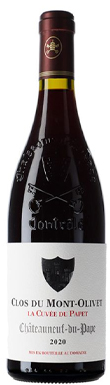
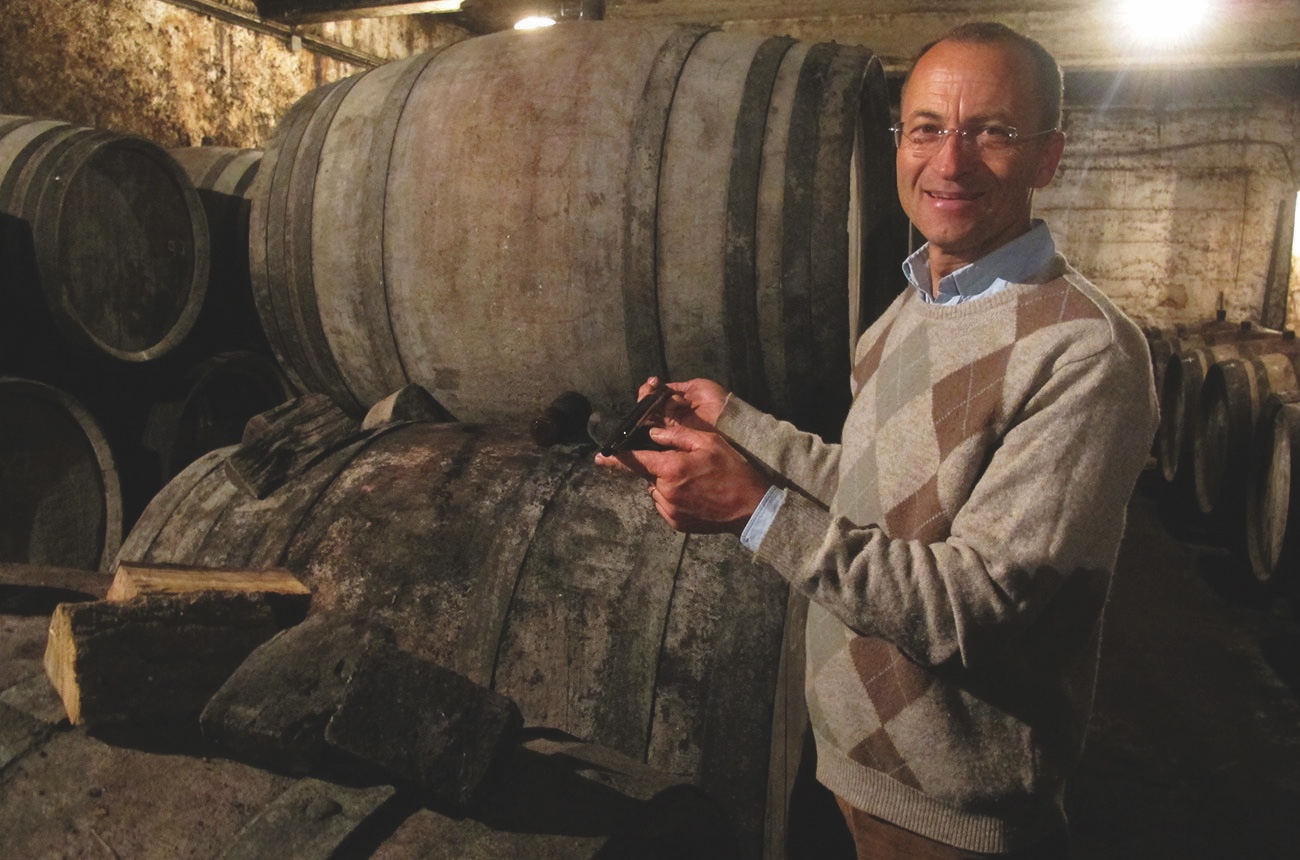
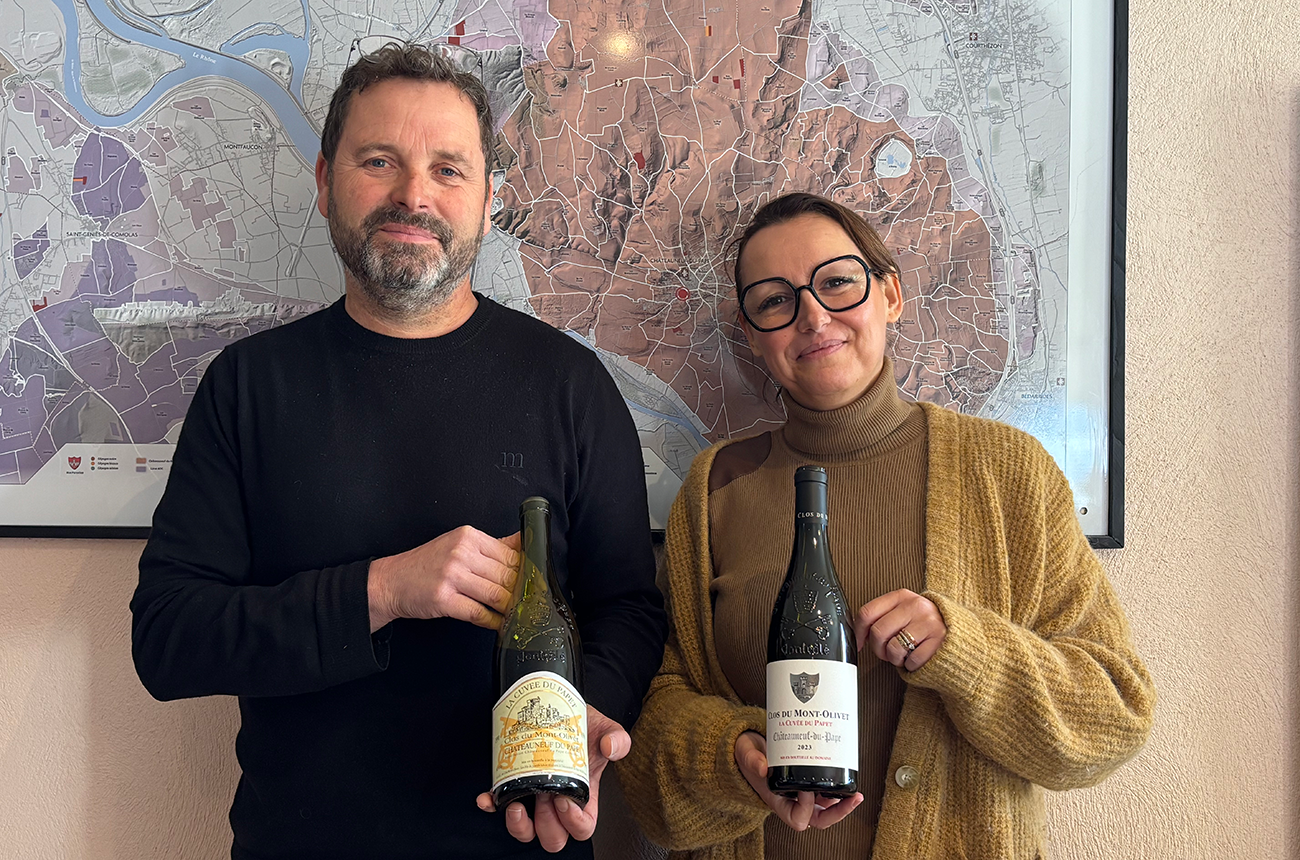
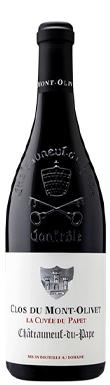
At the heart of this transformative period stands Clos du Mont-Olivet, an estate deeply embedded in the history and evolution of Châteauneuf-du-Pape. The estate, co-owned by the fourth generation of the Sabon family – Thierry, Céline, and David Sabon – traces its origins back to 1932 when it was founded by their great-grandfather, Séraphin Sabon. Despite the appellation’s often flamboyant personalities, Thierry Sabon maintains a relatively self-effacing demeanor, a testament to his focus on the craft of winemaking. His winemaking talents, however, are anything but understated, particularly evident in the consistent excellence of La Cuvée du Papet.
The name "Clos du Mont-Olivet" itself carries a fascinating historical quirk. While "Clos" typically denotes a walled vineyard, a physical enclosure that often signifies a monopole or a particularly special plot, Mont-Olivet possesses no such physical wall. The estate was granted the continued use of the term due to its long-standing presence in their name, a testament to tradition rather than a literal description. The "Mont-Olivet" refers to the lieu-dit Montalivet, which hosts a significant portion of their vineyards. This historical nuance underscores the blend of tradition and pragmatic evolution that defines the estate.
The Enigma of the "Clos Without a Clos": Vineyards and Varieties
Clos du Mont-Olivet’s vineyards are a mosaic across the diverse landscape of Châteauneuf-du-Pape. They hold parcels in no fewer than 15 different lieux-dits, totaling 21 hectares within the appellation. This geographical spread is crucial, allowing them access to a variety of microclimates and soil types, each contributing unique characteristics to their wines. The predominant soil type across their holdings is sandy clay, a composition Thierry Sabon highly values. "It’s good for making wines with finesse," he explains, highlighting the soil’s capacity to impart elegance and aromatic complexity rather than sheer power. He further notes that "sand is more and more sought after," acknowledging a contemporary appreciation for the more delicate characteristics sand-rich soils can foster, particularly in the face of a warming climate.
The estate adheres to the appellation’s allowance of up to thirteen grape varieties, though Grenache profoundly dominates their plantings, forming the backbone of their red wines. It is followed by significant proportions of Syrah, Mourvèdre, and Cinsault, which contribute structure, spice, and aromatic depth. Beyond these principal grapes, Mont-Olivet also cultivates smaller quantities of less common varieties such as Counoise, Vaccarèse, Muscardin, Piquepoul Noir, and Terret Noir. This commitment to maintaining a diverse genetic pool not only preserves the historical complexity of Châteauneuf-du-Pape blends but also offers resilience and adaptability. In a forward-thinking move, they even maintain a small experimental vineyard just outside the appellation boundaries, cultivating old varieties once permitted in Châteauneuf-du-Pape but no longer, such as Grand Noir, alongside ancient Corsican grapes. This innovative approach reflects a keen awareness of climate change, suggesting that these heritage varieties, with their unique resistances and ripening patterns, might one day see a resurgence as winemakers seek solutions for a changing viticultural landscape.
"La Cuvée du Papet": A Tribute and a Vision
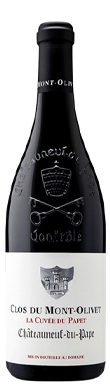
The name "La Cuvée du Papet" itself is imbued with cultural and familial significance. While English speakers might instinctively link "Papet" to "pope" ("le pape" in French), its origin is far more personal and rooted in Provençal dialect, where "papet" translates to "grandfather." Céline Sabon clarifies, "The name Papet emerged through a family consensus, a simple and heartfelt way to pay tribute to the courageous work of their grandfather Séraphin, whom everyone deeply admired." This homage underscores the deep familial bonds and respect for the foundational labor that built the estate.
The name also draws inspiration from the iconic films Jean de Florette and Manon des Sources, specifically referencing the character named Papet. Céline explains this connection, stating that the films "captured with great accuracy the rural world and the deep-rooted values of peasant life at that time." This dual tribute — to a revered ancestor and to the authentic spirit of Provençal rural life — firmly anchors La Cuvée du Papet in a specific historical and cultural context, serving as a powerful reminder of the era in which it was conceived, long before Châteauneuf-du-Pape experienced its significant modern renaissance in the 1990s. The attention garnered by these new, premium bottlings, including La Cuvée du Papet, was instrumental in driving that resurgence.
Winemaking Philosophy: Crafting Finesse and Power
The vision for La Cuvée du Papet originated with Pierre Sabon, Céline’s father, who recognized the potential for a wine of elevated expression. Unlike wines tied to a single, specific plot, La Cuvée du Papet is the result of an annual meticulous selection of the most promising fruit from across Mont-Olivet’s diverse vineyards. The lieux-dits Montalivet, Bois Dauphin, and La Crau are consistently identified by Thierry as forming "the backbone of the cuvée," testament to their consistent ability to produce grapes of exceptional quality.
The blend for La Cuvée du Papet typically comprises approximately 80% Grenache, complemented by Syrah and Mourvèdre, and sometimes other permitted varieties depending on the vintage. A distinctive aspect of Mont-Olivet’s winemaking for this cuvée is the practice of co-fermentation, where different grape varieties are fermented together, allowing for a more integrated and complex expression from the outset. Thierry Sabon is also a proponent of whole-bunch fermentation, incorporating around 50% of the grapes with their stems. He elaborates on the benefits: "It brings these particular aromas, little delicate fruits," which arise from the intracellular fermentation within the uncrushed berries. Furthermore, he notes, "the stems bring a tannic side and a menthol element, freshness on the palate and length." This technique, when executed skillfully, adds layers of complexity, aromatic nuance, and structural elegance.
However, whole-bunch fermentation is a demanding art, often described as a double-edged sword. If grapes are picked too early, unripe stems can impart harsh, green, and drying tannins to the wine, detracting from its balance and enjoyment. Conversely, waiting for the stems to achieve optimal ripeness carries its own risks: grape sugars can become excessively high, leading to unbalanced alcohol levels, or the fruit character can evolve towards an undesirable "jammy" profile. Mont-Olivet’s mastery of this technique is evident in the consistent quality of La Cuvée du Papet. While the wine has historically been a potent style, displaying a warming alcohol presence in more recent vintages, this is considered a justifiable trade-off for the exceptional tannic finesse and mentholated complexity that the cuvée develops with age. Crucially, despite its power, the fruit character of La Cuvée du Papet is remarkably never jammy, achieving a harmonious balance between intensity and refinement.
The Broader Impact and Evolution of Châteauneuf-du-Pape
The emergence of the Cuvée Spéciale category, catalyzed by the 1989 vintage, irrevocably altered the trajectory of Châteauneuf-du-Pape. The appellation’s "modern renaissance" in the 1990s was significantly propelled by these new, aspirational bottlings. They captured the attention of international critics, collectors, and consumers, elevating the region’s profile on the global stage and demonstrating its capacity to produce wines that could rival the finest expressions from other esteemed wine regions. This period marked a strategic repositioning of Châteauneuf-du-Pape, moving it from a region primarily known for robust, rustic wines to one celebrated for its potential for elegance, complexity, and age-worthiness.
However, the rapid proliferation of Cuvées Spéciales was not without its critics or its pitfalls. As many estates quickly jumped on the bandwagon, some produced wines that were "overblown, heavy, or oaky," often sacrificing typicity and balance in pursuit of perceived market trends for power and ripeness. Many of these commercially driven bottlings, sadly, did not stand the test of time, proving the adage that not all premium wines are created equal. This period of experimentation, while sometimes yielding less successful examples, ultimately helped define what truly constituted an exceptional Cuvée Spéciale. The genuine successes, like La Cuvée du Papet, were those that maintained an unwavering commitment to terroir expression, balance, and longevity, rather than chasing fleeting stylistic fads.
A Legacy Vindicated: The Enduring Appeal of Cuvée du Papet
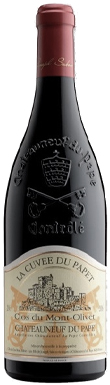
Amidst this dynamic landscape, the early vintages of La Cuvée du Papet, particularly the inaugural 1989, stand as undeniable exemplars of brilliance. These wines, even decades later, continue to resonate with a profound sense of terroir and masterful winemaking. The 1989 Cuvée du Papet, in particular, was lauded by critics, with one prominent wine journalist declaring it among their "wines of the year" in 2019, thirty years after its release. Such accolades serve to vindicate Pierre Sabon’s pioneering vision and underscore the enduring quality of the "revolutionary class of ’89." These wines proved that Châteauneuf-du-Pape, when handled with precision and respect for its inherent characteristics, could produce wines of exceptional grace and formidable aging potential.
Decades of Excellence: A Vertical Retrospective of Cuvée du Papet
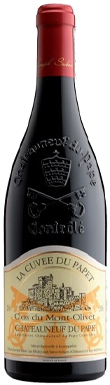
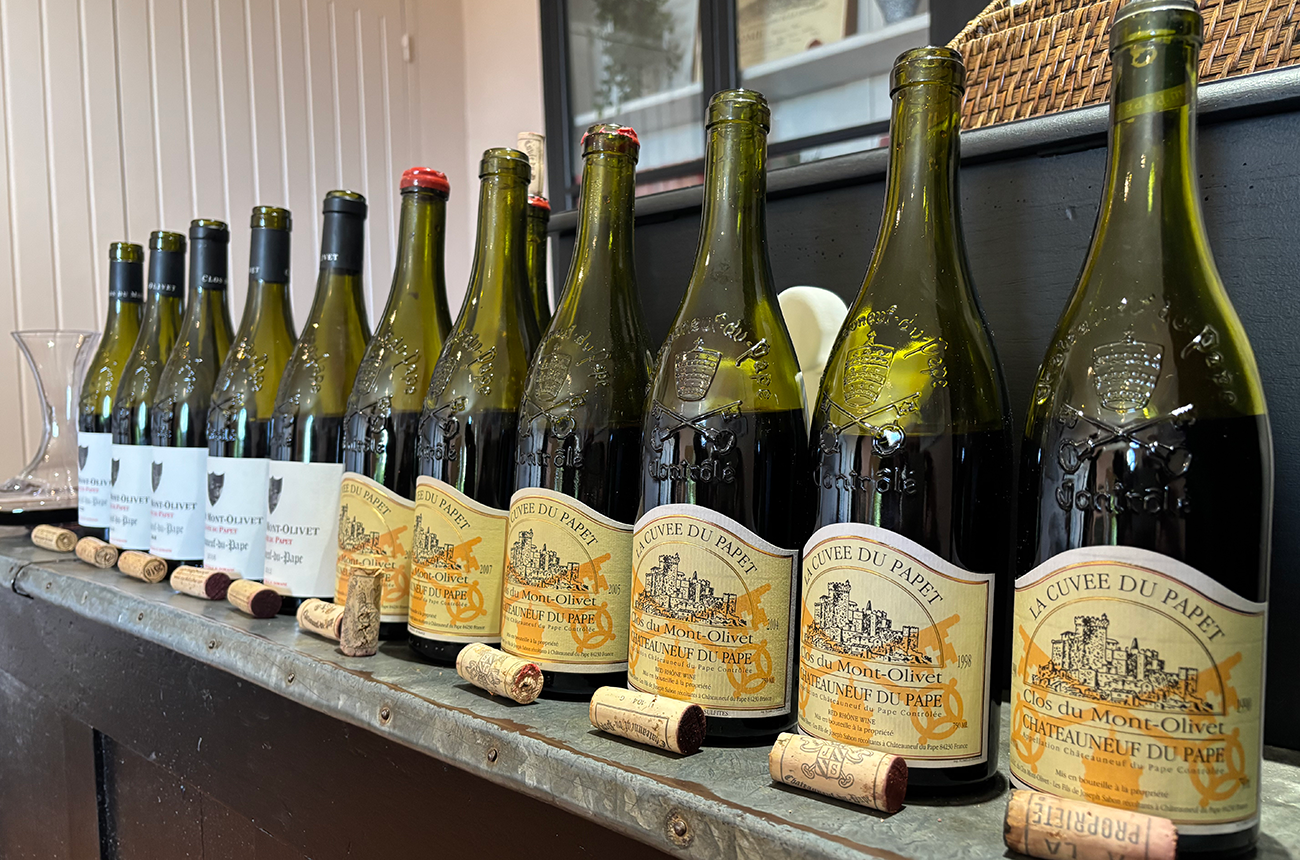
A vertical tasting of La Cuvée du Papet offers a compelling journey through its evolutionary arc, revealing how the wine develops and expresses its terroir across different vintages. From its youthful vigor to its profound maturity, the wine consistently showcases a distinctive character.
- Young Vintages (e.g., 2023, 2020, 2019): In its youth, La Cuvée du Papet often presents with vibrant fruit notes—fresh blackberry and blackcurrant—intertwined with subtle herbal nuances, sweet spices, and sometimes a hint of vanilla or thyme. The structure is typically firm, with very fine, punchy tannins and a concentrated, tense, and sometimes saline palate. While powerful, the best young vintages manage to avoid excessive alcohol, promising a long life ahead. The 2023, for instance, exhibits gentle fragrance and a rounded, generous mouthfeel, while the 2020 is noted for its huge grip and presence.
- Mid-Life Evolution (e.g., 2018, 2016, 2012, 2010): As the wine matures, typically between five and fifteen years, it begins to shed some of its primary fruit intensity, gaining complexity and a more integrated character. Aromas of potpourri, floral notes, rosemary, and even some balsamic or roast veal notes can emerge. The tannins soften further, becoming more yielding and attractive. The wine develops a lovely freshness and generosity, often entering its "second phase of maturity." The 2016, for example, starts to show earthy dimensions and immense power, while the 2012 becomes open, complex, and shows remarkable finesse. The 2010 reveals a grand and serious fullness on the palate, still dark in color.
- Mature Vintages (e.g., 2007, 2005, 2004, 1998, 1990, 1989): With extended bottle age, sometimes reaching two or three decades or more, La Cuvée du Papet truly comes into its own, offering a tapestry of savory, earthy, and tertiary aromas. Notes of old leather, eucalyptus, wood smoke, smoked duck, and even hints of benevolent decay can appear. The palate becomes remarkably fine, dry, and serious, showcasing depth without any excess. The fruit, though secondary, remains enjoyable, often manifesting as complex red fruit characters like strawberry intertwined with the evolving savory notes. The 1998, for instance, boasts an amazing, lifted, complex, and precise nose, remaining delicious on the palate. The 1990 still exhibits gorgeous floral potpourri aromas, while the 1989, the foundational vintage, is a testament to perfect balance and profound aging capability. These mature wines underscore the incredible longevity and intellectual appeal of La Cuvée du Papet.
Conclusion: A Lasting Influence
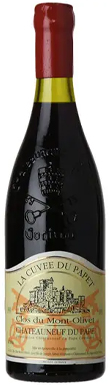
The 1989 vintage in Châteauneuf-du-Pape represents more than just a specific year’s harvest; it symbolizes a strategic inflection point that redefined the appellation’s ambition and market positioning. The collective decision by leading estates, spearheaded by the visionaries like Pierre Sabon at Clos du Mont-Olivet, to introduce Cuvées Spéciales elevated the region’s stature and ignited a renaissance that continues to shape its identity today. While the journey saw both triumphs and missteps, the foundational success of wines like La Cuvée du Papet unequivocally demonstrated the potential for Châteauneuf-du-Pape to produce wines of unparalleled quality, complexity, and longevity, securing its place among the world’s most revered wine regions. The legacy of the "class of ’89" is thus not merely historical; it is a living testament to innovation, tradition, and the enduring pursuit of excellence in winemaking.