 admin
admin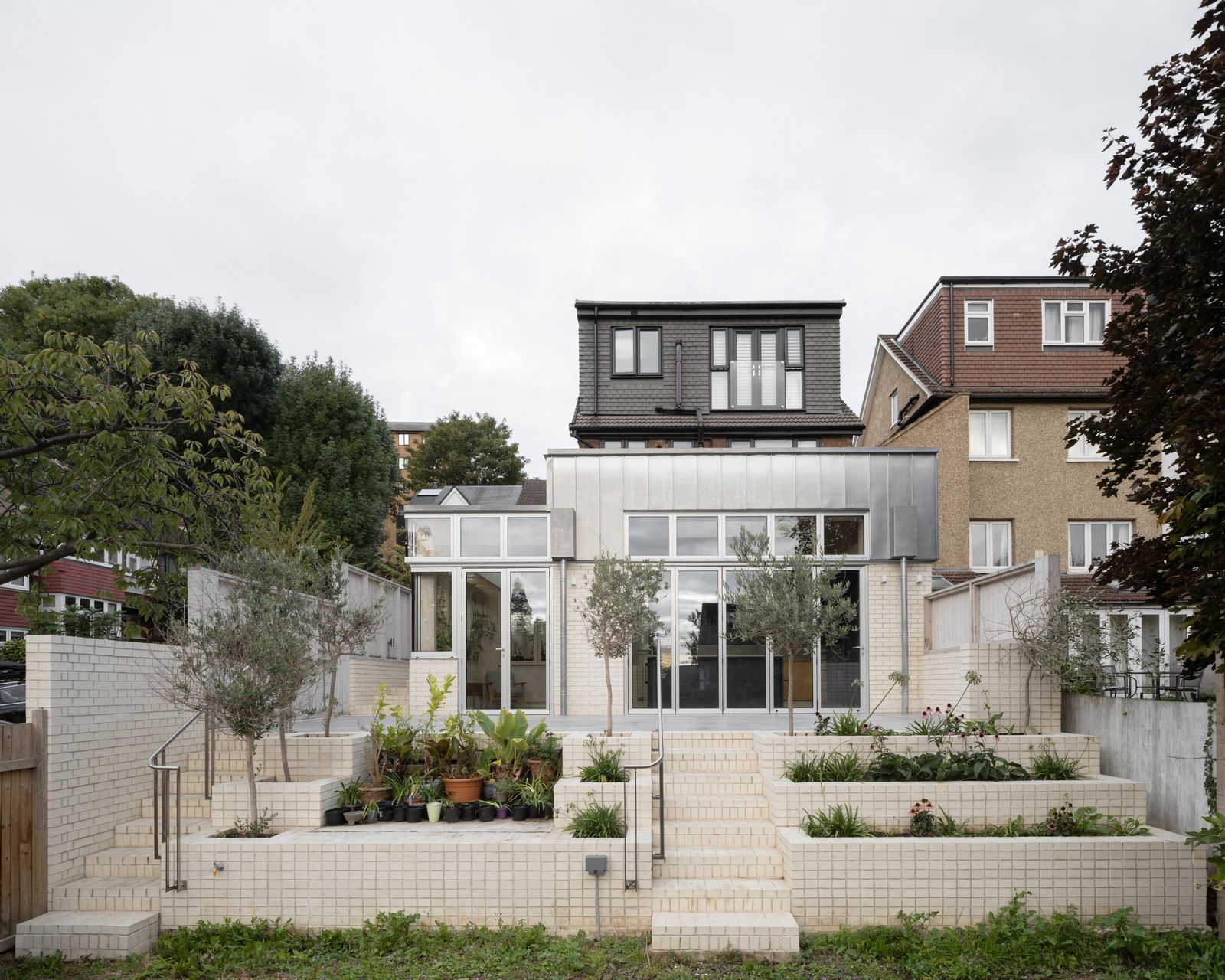
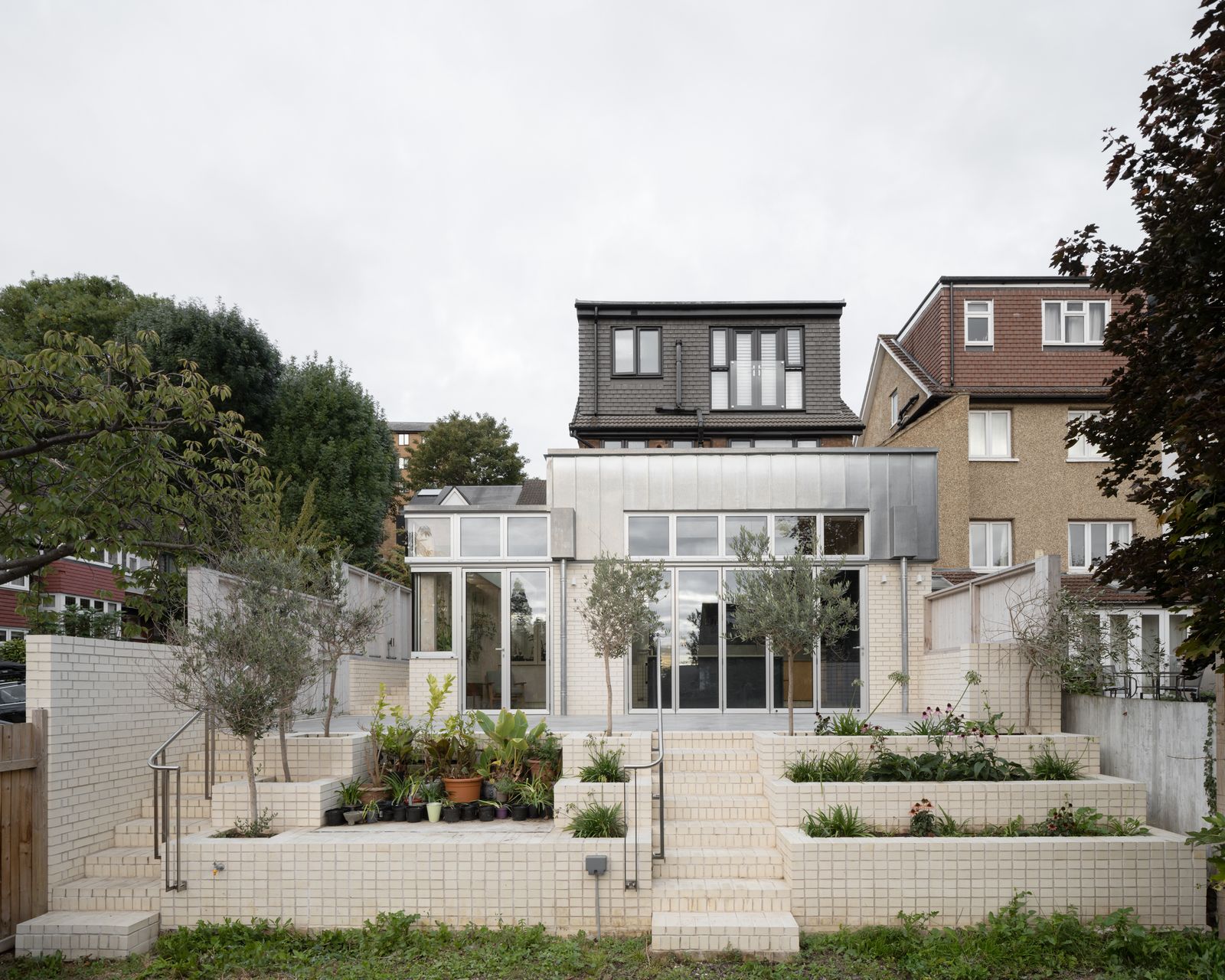
In the undulating landscape of Crystal Palace, South London, a remarkable architectural intervention known as the Tabberner Cook House has recently been completed, redefining the boundaries between domesticity and nature. This extensive, split-level ground floor extension, conceived by James Alder Architects, addresses the unique challenges of a steeply sloped, street-facing corner plot, transforming a conventional home into a dynamic, verdant living space with expansive views across the southern expanse of London. The project, brought to life through the structural expertise of Three Six Design and captured by photographer Johan Dehlin, stands as a testament to innovative design and meticulous craftsmanship, completed in early 2026 after a multi-year development.
The Architectural Vision and Site Context
The impetus behind the Tabberner Cook House extension was an ambitious domestic program, aiming to significantly expand the existing property’s living areas while deeply integrating horticultural practices into the daily lives of its occupants. London, a city perpetually grappling with space constraints and a high demand for bespoke living solutions, has seen a growing trend in substantial home extensions. These projects often seek to maximize available footprint, enhance natural light, and create adaptable spaces that cater to contemporary lifestyles. The Tabberner Cook House exemplifies this trend, pushing the envelope further by embracing the site’s challenging topography as a primary design driver rather than an impediment.
Crystal Palace, known for its panoramic views and distinctive Victorian architecture, presents a diverse urban fabric where traditional homes often sit on challenging gradients. The existing property’s prominent corner position and its dramatic slope offered James Alder Architects a unique canvas. The design team recognized that the inherent level changes of the site could inform a stepped massing strategy, both internally and externally, creating a rich spatial experience that flows seamlessly between different functional zones and the surrounding garden. This approach diverges from typical flat-site extensions, requiring a sophisticated understanding of both architectural form and structural engineering.
Design Innovation and Spatial Programming
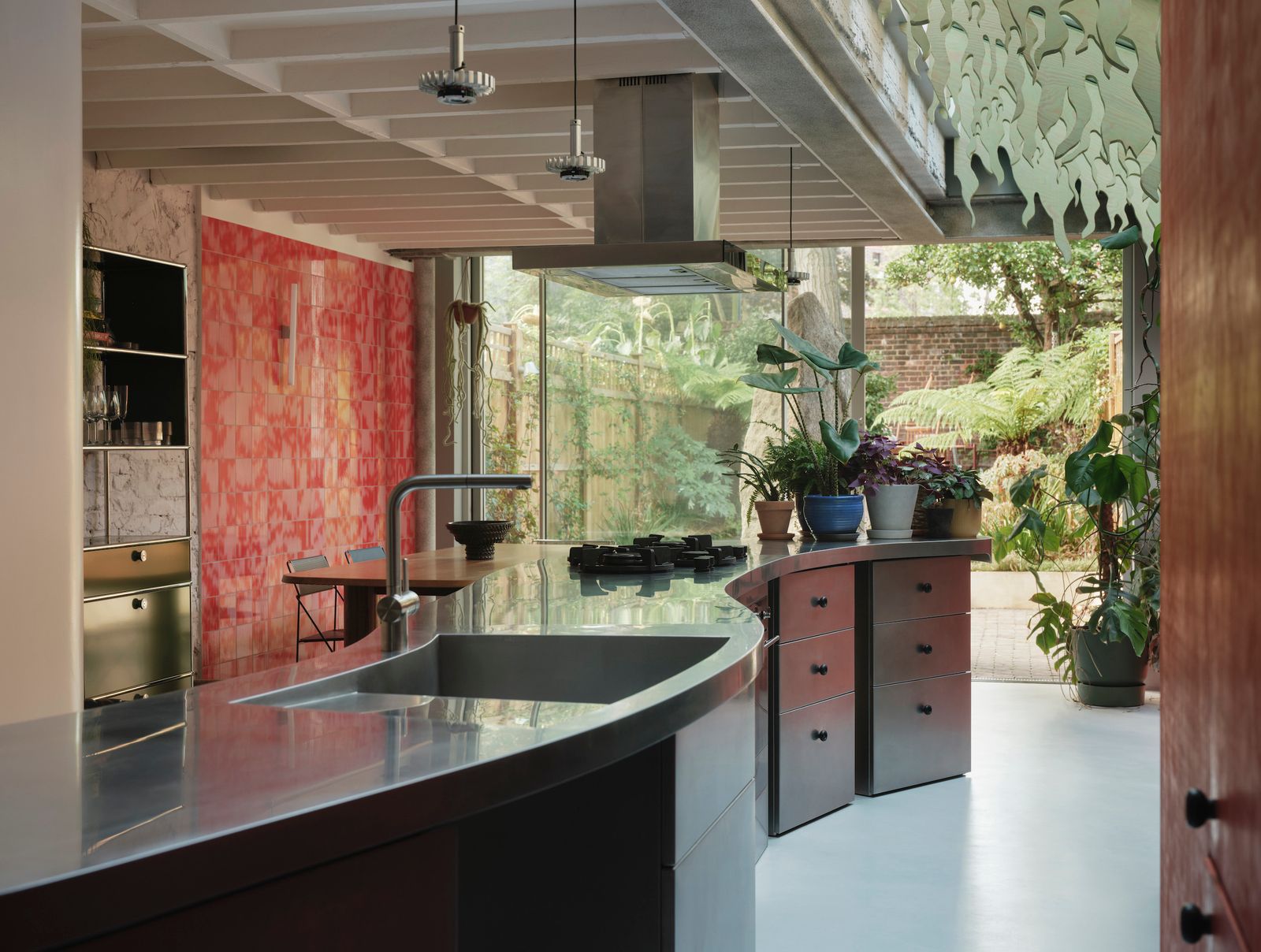
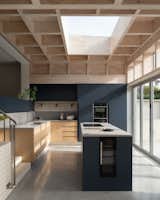
The core of the Tabberner Cook House project lies in its carefully orchestrated split-level ground floor extension, designed to accommodate a comprehensive array of living and auxiliary spaces. The primary living areas include a new kitchen, a spacious dining area, and a distinct sunken lounge. This sunken arrangement not only adds architectural interest but also implicitly defines zones within the open-plan layout, enhancing comfort and intimacy without resorting to physical barriers.
Beyond these central hubs, the extension ingeniously incorporates a series of flexible auxiliary spaces. These include a dedicated internal greenhouse and potting shed—a central feature underscoring the project’s horticultural focus—a compact bike workshop, a practical utility space and pantry, and a new bathroom. Each of these spaces extends outward and downward, meticulously connecting with the terraced garden and the wider landscaping. This programmatic ambition required a highly resolved design that could integrate diverse functions within a coherent architectural language, leveraging the site’s natural fall to create distinct yet interconnected levels.
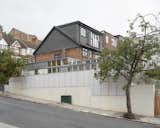
Architect James Alder commented on the project’s core philosophy: "Our aim was to transcend the typical extension by creating a living environment that genuinely merges the indoors with the outdoors, particularly through the lens of horticulture. The stepped massing was a direct response to the site’s dramatic topography, allowing us to sculpt spaces that feel both expansive and intimately connected to the garden at every level. It’s about giving the inhabitants a dynamic relationship with their home and the natural world around them."
Structural Elegance and Materiality
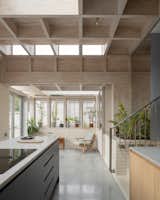
A defining characteristic of the Tabberner Cook House is its celebration of exposed structural elements and refined material palette. The project features an engineered, exposed structural timber frame, composed of glulam (glued laminated timber) beams, which forms a deep waffle slab. This impressive timber structure rests atop a robust white brickwork plinth. The use of glulam is a deliberate choice, not only for its inherent strength and aesthetic appeal but also for its sustainable credentials. Glulam offers a high strength-to-weight ratio, is dimensionally stable, and allows for large spans, which contributes to the open, column-free spaces within the extension. All timber members were precisely precut off-site, facilitating efficient assembly and ensuring that the frame and its fixings could be left fully exposed internally, contributing to the interior’s honest and layered construction aesthetic.
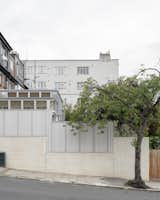
The external facades are a thoughtful composition of materials. A natural zinc cladding wraps the higher sections of the extension, terminating at the parapets with extended, bespoke drip details, and features enlarged hoppers and downpipes. Zinc was selected for its durability, low maintenance, and characteristic ability to develop a subtle, varied patina over time, which will further integrate the building into its natural surroundings as it ages. The lower sections of the boundary wall are formed from an English bond of stepped white brick, contrasting with whitened timber above. This combination of materials provides both privacy and a visually engaging street-facing elevation that sensitively navigates the steep level changes.
Structural engineer from Three Six Design elaborated on the engineering challenges: "The steep site and the ambitious split-level design presented significant structural complexities. Our focus was on developing a robust yet elegant timber frame that not only supported the extensive new floorplate but also contributed significantly to the architectural expression. The glulam waffle slab, combined with the solid brick plinth, provided the necessary stability and allowed for the large, open internal volumes the architect envisioned, all while adhering to the highest standards of safety and structural integrity."
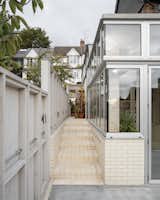
Navigating the Topography: A Masterclass in Site Integration
The challenging topography of the corner plot was not merely accommodated but actively embraced as a fundamental design element. The heavily sloped condition allowed for a dynamic interplay of multiple stepped levels, both inside the extension and across the external landscaping. This approach provided the architectural team with opportunities to create distinct zones and experiences as one moves through the property.
Numerous planters strategically define many of these level changes, blurring the lines between the built structure and the natural environment. This integration of horticulture extends beyond the internal greenhouse, with the terraced garden forming an integral part of the overall project scope. The external design culminates in a large, street-facing, stepped boundary wall. This wall, meticulously crafted from an English bond of stepped white brick and topped with whitened timber, serves a dual purpose: it elegantly manages the significant level differences of the corner site’s street-facing boundary while simultaneously providing a crucial layer of privacy for the internal living spaces. The strict setting-out of the brickwork steps and the deep chamfered window bays further underscore the project’s commitment to precision and detail.
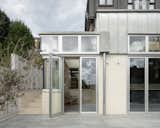
A Symbiosis with Nature: The Horticultural Heart
At the very core of the Tabberner Cook House is its profound relationship with both the existing garden and the cultivation of dedicated internal spaces for horticulture. The project seeks to seamlessly merge and extend the practice of gardening from its traditional outdoor confines into more typically domestic environments.
The internal potting room, a central feature, maintains a direct and purposeful connection with the sunken living spaces. This thoughtful placement allows it to play a functional role in controlling the passage of heat and air around the ground floor through a pair of bespoke oak-framed windows. These windows are designed to be set in various configurations, enabling the occupants to regulate the internal climate and airflow as needed. Behind these windows, a series of adaptable shelving areas and timber surfaces can be reconfigured to meet the changing needs of the residents, whether for potting plants, displaying specimens, or simply as an aesthetic backdrop.
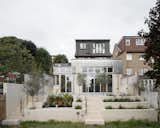
Furthermore, a significant portion of the southwest-facing façade is designed to be fully openable. This adaptability allows for variations in use, offering the inhabitants the choice to transform the entire ground floor extension, depending on its desired function, into a broad greenhouse. This provides an unprecedented level of flexibility, allowing the residents to decide how much of their interior space is dedicated to horticulture, fostering a truly biophilic living experience. This design choice is particularly relevant in urban environments, where access to green space can be limited, and the desire to connect with nature is increasingly prevalent.
Project Timeline and Collaborative Efforts
The Tabberner Cook House project, from its initial conceptualization to its final completion, represents a significant undertaking in urban residential architecture. The process likely began with initial client briefings and feasibility studies in late 2022 or early 2023. This would have been followed by an intensive design phase throughout 2023, where James Alder Architects developed the intricate split-level scheme and material palette. Securing planning permission for such a substantial extension on a prominent, sloped site in a conservation area like Crystal Palace would have been a critical, and often lengthy, step, likely spanning several months in 2023.
Once regulatory approvals were obtained, detailed technical design and tender processes would have commenced in late 2023, leading to the start of construction in early to mid-2024. The complexity of the exposed glulam structure, the stepped brickwork, and the bespoke zinc cladding would have necessitated a highly skilled construction team, working in close collaboration with Three Six Design for structural oversight. The construction phase, given the scale and bespoke nature of the project, would realistically have extended over 18 to 24 months, bringing the project to its completion in early 2026, just prior to its feature in architectural publications. This timeline underscores the coordinated effort required from the architects, structural engineers, builders, and specialist trades to achieve such a refined outcome.
Broader Implications for Urban Living
The Tabberner Cook House offers valuable insights into the future of urban residential design. In densely populated cities like London, where traditional notions of detached homes with sprawling gardens are increasingly elusive, projects like this demonstrate how innovative architecture can enhance quality of life. By maximizing internal volume through intelligent split-level design and seamlessly integrating green spaces, architects can create homes that feel both spacious and deeply connected to nature, even on challenging urban plots.
The emphasis on horticulture speaks to a broader societal trend towards sustainability, self-sufficiency, and well-being. Biophilic design, which seeks to connect building occupants more closely to nature, has been shown to reduce stress, improve cognitive function, and enhance creativity. The Tabberner Cook House embodies these principles, offering its residents a living environment that is not only aesthetically pleasing but also conducive to a healthier, more engaged lifestyle. From an economic perspective, such well-designed and executed extensions significantly add value to properties in highly sought-after areas, appealing to a growing market of homeowners seeking unique, high-performance living spaces.
Conclusion
The Tabberner Cook House in Crystal Palace stands as a compelling example of contemporary residential architecture that responds creatively to site-specific challenges and evolving lifestyle demands. Through its innovative split-level design, the seamless integration of horticulture, and a commitment to exposed, refined materials, James Alder Architects, with the crucial support of Three Six Design, has delivered a home that is both a functional marvel and an aesthetic triumph. This project not only provides its occupants with an exceptional living environment but also contributes to a growing discourse on how urban homes can be reimagined as dynamic, adaptable, and profoundly connected to the natural world. As cities continue to densify, the principles demonstrated by the Tabberner Cook House will undoubtedly inspire future architectural solutions that prioritize both human well-being and environmental harmony.