 admin
admin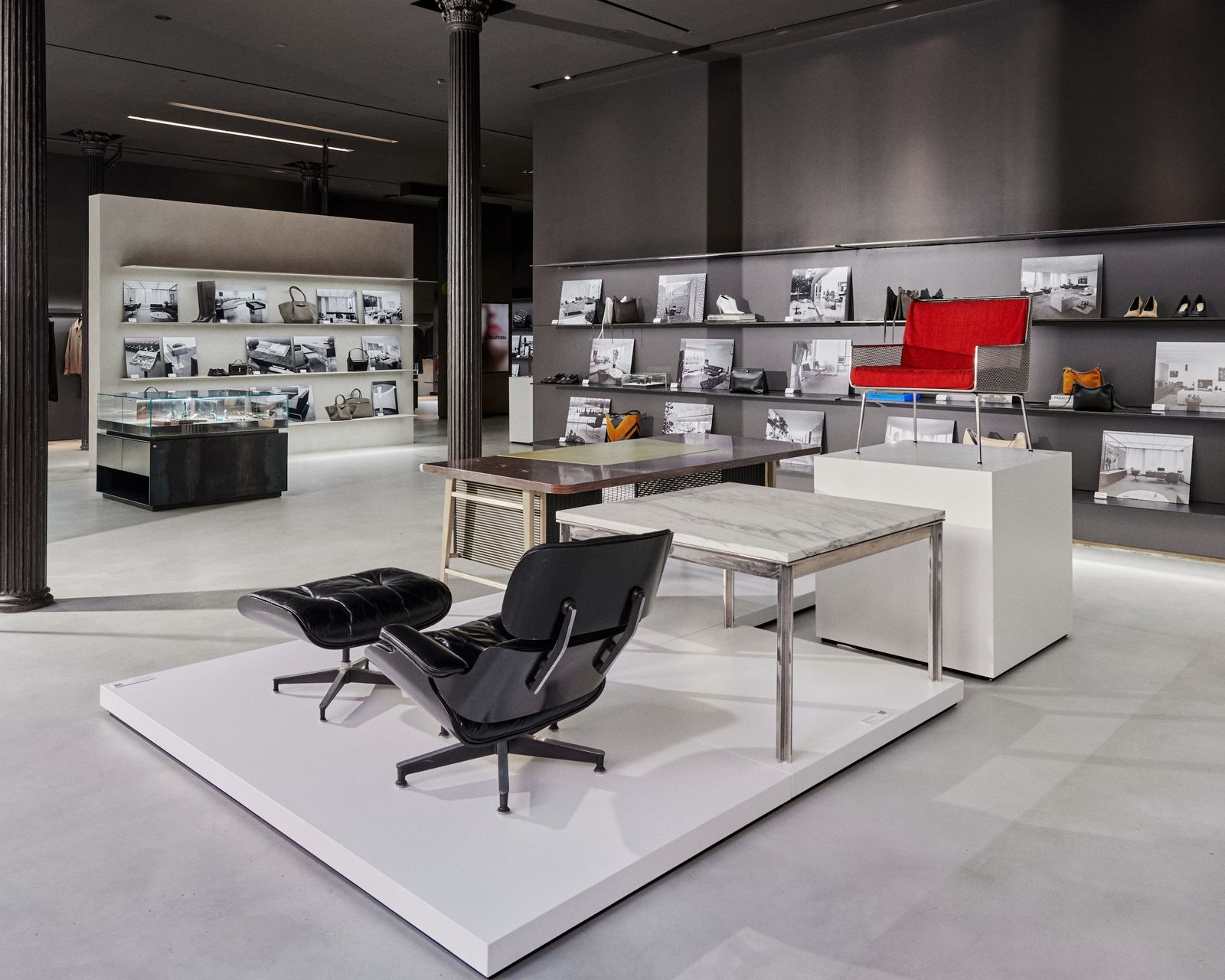
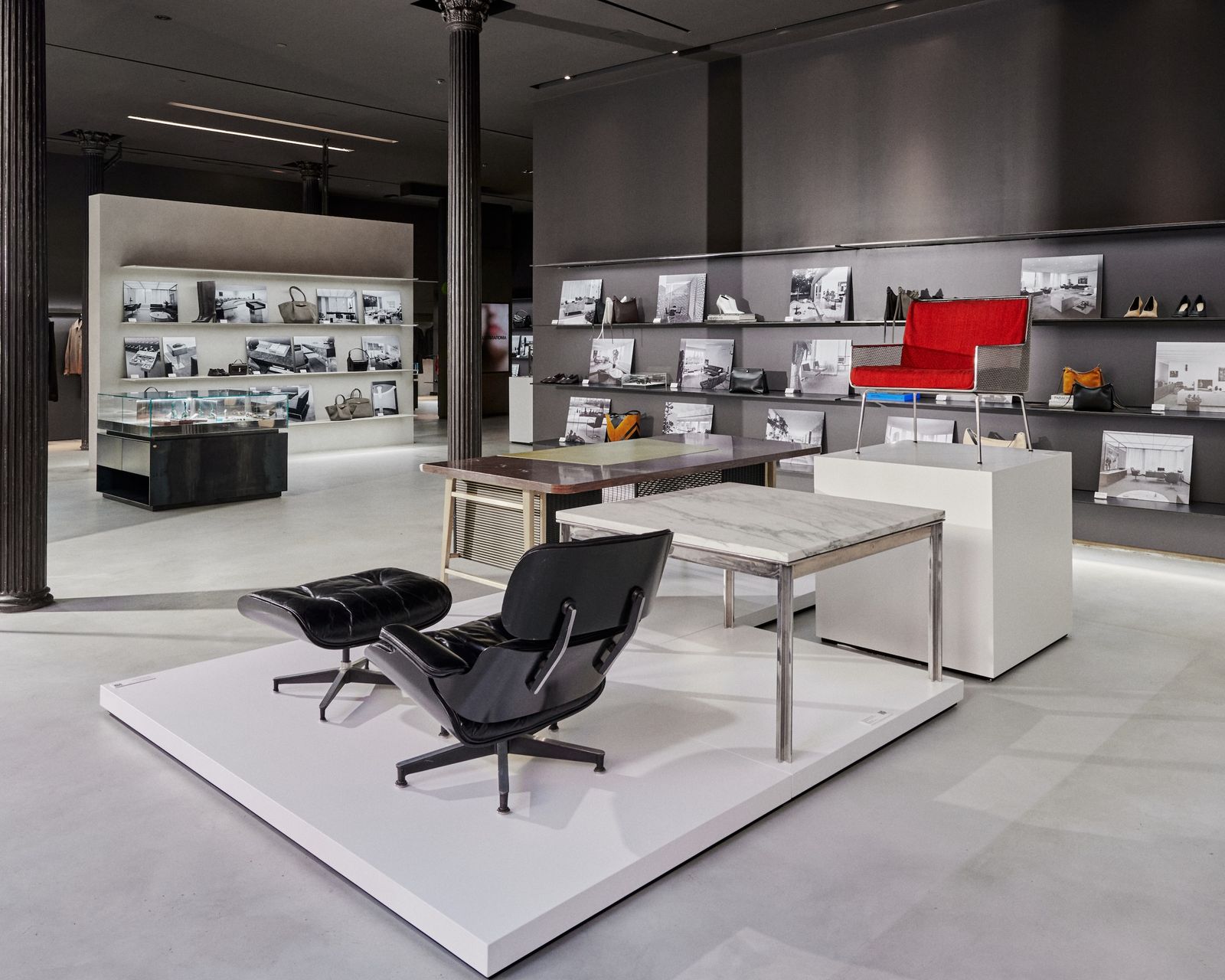
In an unexpected revelation that promises to reframe the narrative of midcentury American design, a groundbreaking exhibition organized by Rarify, the esteemed vintage furniture platform, has brought to light the extensive and largely unrecognized furniture oeuvre of the architectural giant Skidmore, Owings & Merrill (SOM). This meticulously curated show, titled Skidmore, Owings & Merrill: Hidden Furniture Masterpieces, challenges conventional understandings of the period, demonstrating how the firm, celebrated globally for iconic skyscrapers like the Willis Tower and Burj Khalifa, played an equally significant, albeit discreet, role in shaping the interiors of the 20th century. The exhibition, running through April 30 in NoHo at the New York location of high-end Italian clothing store LuisaViaRoma, presents approximately 60 pieces spanning from 1950 to 1991, complemented by a rich array of archival photographs and documents.
The Genesis of a Groundbreaking Discovery
The genesis of this surprising exhibition stems from the passionate, almost obsessive, dedication of David Rosenwasser, co-founder and curator at Rarify. While the broader public and even many design enthusiasts primarily associate midcentury furniture with titans like Herman Miller and Knoll, Rosenwasser’s extensive collecting efforts for Rarify revealed a persistent, yet uncredited, presence in the period’s interior landscape. Through the acquisition of a vast collection of items, he discerned a consistent, high-quality design language that was distinct from the commonly cataloged manufacturers. This led him to the realization that SOM, far from being solely an architectural practice, was a prolific producer of furniture, specifically designed and mass-produced for the corporate interiors of their monumental buildings.
Rarify, a platform dedicated to authentic vintage pieces and design education, positions itself as more than a marketplace. Its mission extends to uncovering and legitimizing overlooked aspects of design history. This exhibition exemplifies that ethos, moving beyond a simplistic commercial model to serve as a vital educational and archival endeavor. The founders’ deep-seated passion for design history, stretching back decades, provided the fertile ground for such a significant undertaking.
SOM’s Unsung Role in Corporate Interiors
From the mid-20th century onwards, as American corporations expanded and modern office spaces became synonymous with progress and efficiency, architectural firms often took a holistic approach to design, encompassing not just the building’s shell but also its internal environment. SOM, renowned for its pioneering modernist structures, embraced this philosophy fully. The firm understood that the success of their architectural visions extended to the functional and aesthetic coherence of the interiors. Rather than relying solely on external manufacturers, SOM frequently commissioned and produced its own furniture, ensuring a seamless integration of design principles from the façade to the desk chair.
This strategic approach allowed SOM to maintain stringent quality control and implement custom solutions tailored to the specific needs and scale of their projects. For instance, the furniture designed for a corporate headquarters like the National Life Center in Nashville, immortalized in stunning photographs by architectural photographer Ezra Stoller (commissioned by SOM itself), was crafted to be both aesthetically pleasing and robustly functional for daily office life. The pieces, often appearing "commonplace" in their functionality, subtly incorporated sophisticated details like precise glass thicknesses or elegant burl-fronts – qualities now typically reserved for bespoke or high-end residential furniture. This commitment to detail in mass-produced items for "mundane" spaces like offices underscores a forgotten era when industrial design prioritized inherent quality and understated elegance over overt branding or embellishment.
A Meticulous Collection and Exhibition Details
The exhibition at LuisaViaRoma in NoHo, open daily until April 30, represents what Rarify confidently identifies as "the most extensive assemblage of SOM furniture in the world." Comprising approximately 60 furniture pieces, the collection is a testament to Rosenwasser’s "obsessive" dedication. Beyond the physical objects, the exhibit is richly contextualized by an array of archival materials: original photographs, blueprints, magazine features, and books. These documents serve to align and flesh out the original intentions and design philosophies of SOM’s creators and the designers they commissioned, such as Nicos Zographos and Charles Pfister, who contributed their expertise "largely for love of the game," as Rosenwasser noted.
The choice of LuisaViaRoma as a venue offers a fascinating juxtaposition. While the sleek, modern designer clothing on display might seem incongruous with midcentury office furniture, it highlights the universal appeal of good design and the unexpected places where historical treasures can be unveiled. The setting, in a high-traffic retail space, also democratizes access to what might otherwise be perceived as an exclusive academic pursuit.
The Challenge of Authentication in a "Hidden" History
One of the most compelling aspects of this undertaking is the sheer difficulty involved in identifying and authenticating these pieces. Unlike furniture from widely recognized manufacturers, SOM’s designs were rarely labeled with the firm’s branding. This deliberate lack of overt identification was part of the firm’s integrated design philosophy; the furniture was meant to serve the architecture, not to stand out as individual branded items. This anonymity, however, has made historical tracing a formidable challenge.
Rosenwasser elaborated on the "diligent work" required to piece together this hidden history. His team leveraged a combination of modern-day tools like Facebook Marketplace, extensive networks of private collectors, and, crucially, SOM’s own archival photos and documents. These archival images, depicting furniture in situ within SOM-designed buildings, became invaluable forensic tools for authenticating the unlabeled pieces found in the market. The inherent similarity of SOM’s designs to other contemporary pieces, and the subsequent widespread copying of midcentury aesthetics, further complicated the authentication process, making the success of this collection all the more remarkable. The process underscores the often-invisible labor involved in historical design research and the significant gaps that can exist even in well-documented periods.
Reshaping the Midcentury Modern Canon
The conventional narrative of midcentury modern design often focuses on individual designers and their eponymous brands. This exhibition, however, forces a re-evaluation of that narrative, introducing a powerful corporate entity as a major, yet unsung, design force. It highlights a period when large architectural practices possessed the vision and resources to exert comprehensive control over the built environment, down to the smallest detail of a conference table or a visitor’s chair.
The quality evident in SOM’s furniture—the use of premium materials like thick glass, rich wood veneers, and intricate burl-fronts—speaks to a corporate culture that valued durability, understated luxury, and a coherent aesthetic. These were not merely utilitarian objects; they were integral components of a total design concept, reflecting the gravitas and forward-thinking ethos of the corporations they served. By revealing this aspect of SOM’s legacy, Rarify has not only added a new chapter to midcentury design history but also invited a broader discussion about the complex interplay between architecture, industrial design, and corporate identity during a transformative era.
Broader Implications for Design History and the Market
The unveiling of SOM’s furniture collection carries significant implications for several sectors:
- Academic and Curatorial Interest: Design historians and curators will undoubtedly re-examine the scope of midcentury production, potentially leading to new research into other architectural firms that might have similarly engaged in furniture design. This could prompt a re-cataloging of certain "unattributed" pieces in existing collections.
- Vintage Furniture Market: The authentication and visibility of SOM furniture will likely create a new category within the vintage market. While currently undervalued due to their anonymous nature, these pieces, once recognized for their provenance and quality, are expected to garner increased collector interest and value. Rarify’s decision to offer some pieces for sale directly from the exhibition underscores this potential market shift.
- Architectural Legacy: For SOM itself, this exhibition enriches its already formidable legacy, presenting a more complete picture of its influence on the built environment. It illustrates the firm’s profound commitment to integrated design solutions, extending beyond structural innovation to the intimate human experience within its spaces.
- Public Perception of Design: By showcasing high-quality, yet historically "commonplace," office furniture, the exhibition subtly challenges contemporary notions of disposable design and fleeting trends. It reminds viewers of a time when even commercial environments were furnished with pieces built to last and designed with an enduring aesthetic.
Enhancing the Visitor Experience
While the exhibition’s content is undoubtedly rich, the narrative suggests that a guided experience significantly enhances appreciation. Rosenwasser’s personal tours are invaluable, providing context and anecdotes that bring the pieces to life. A practical suggestion, as hinted in the original commentary, would be the implementation of comprehensive audio guides. Such guides could offer detailed insights into the historical context, the design principles, and the challenging authentication process for each piece, allowing every visitor to delve deeper into the narrative at their own pace. This would maximize the educational impact and ensure that the intricate story behind SOM’s furniture is fully conveyed to a wider audience, moving beyond visual appreciation to a deeper understanding of its historical significance.
Conclusion: A Rediscovered Chapter
The Skidmore, Owings & Merrill: Hidden Furniture Masterpieces exhibition is more than just a display of vintage furniture; it is a meticulously researched historical intervention. It unveils a significant, yet previously obscured, chapter in American design history, attributing a vast body of sophisticated and high-quality furniture to one of the 20th century’s most influential architectural firms. Through the tireless efforts of Rarify and David Rosenwasser, the exhibition provides a compelling testament to the often-unseen layers of design practice and challenges us to look beyond conventional classifications. It reminds us that true masterpieces can often hide in plain sight, waiting for a passionate eye to rediscover and celebrate their enduring legacy. As the exhibition concludes its run on April 30, its impact will undoubtedly resonate for years to come, sparking new research, inspiring collectors, and forever altering our understanding of midcentury modernism.