 admin
admin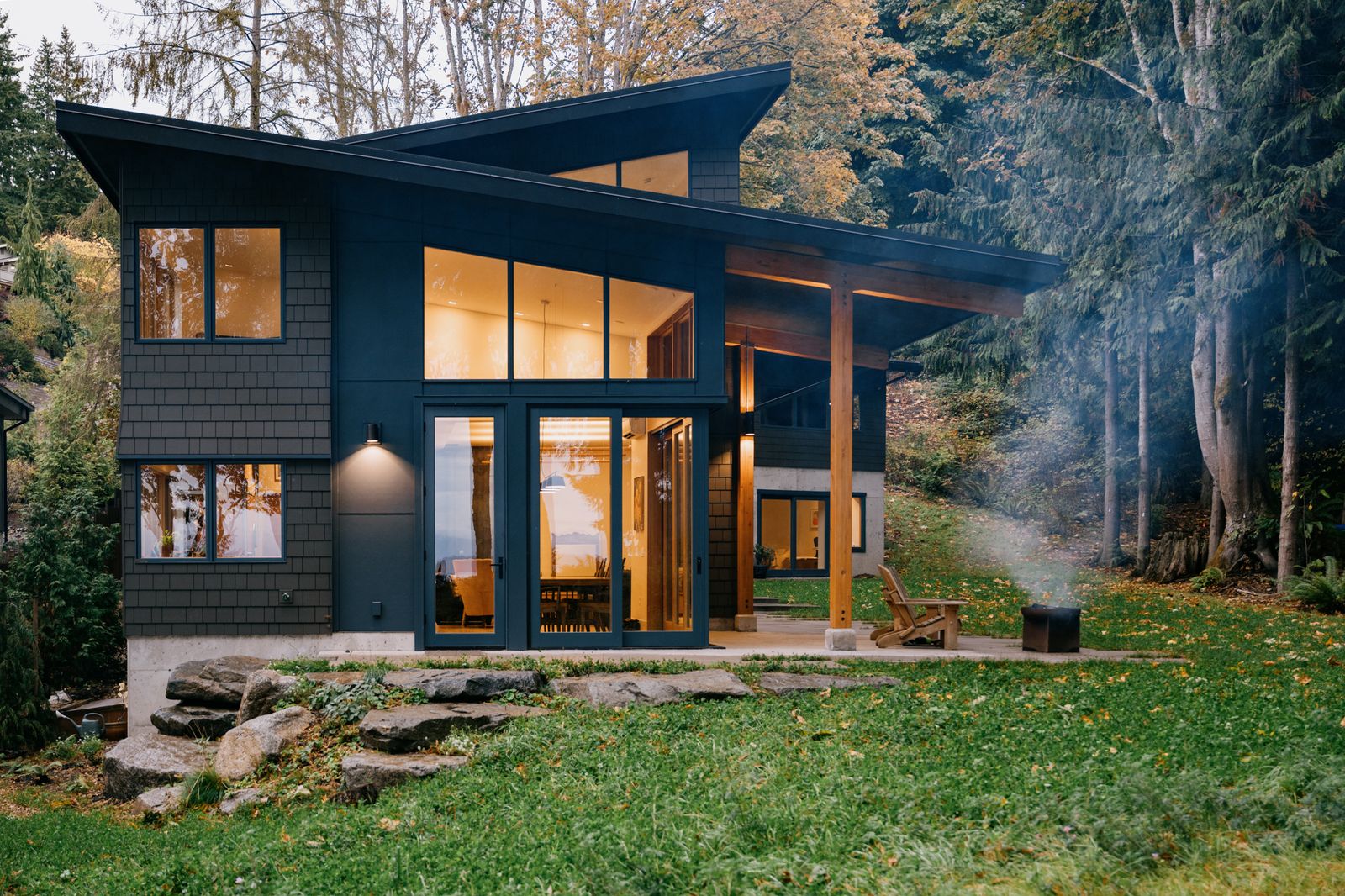
In 2020, as the world grappled with unprecedented change, Callie and Nathan Angle, a couple rooted in western Washington, found themselves at a pivotal crossroads. The birth of their first child in that transformative year catalyzed a reevaluation of their living situation. Having spent several years immersed in the vibrant, albeit densely populated, urban landscape of Seattle, the Angles felt an increasingly urgent pull towards a different kind of life—one with more "breathing room." Their experience, documented in February 2026, became a compelling microcosm of a broader demographic shift reshaping the Pacific Northwest, as families sought both space and the opportunity to forge deeply personal homes outside the city’s confines.
The Seattle Conundrum: A Family’s Search for Space
The Angles’ decision to seek a new home beyond Seattle’s city limits was not unique, but rather emblematic of a trend that gained significant momentum in the early 2020s. For years leading up to 2020, Seattle had been a magnet for talent, driving a boom in its tech sector and an associated surge in real estate values. According to data from the Northwest Multiple Listing Service (NWMLS), the median home price in Seattle proper had soared, reaching approximately $750,000 by mid-2020, with competitive bidding wars becoming the norm for even modest properties. Inventory remained consistently low, particularly for single-family homes with yards—the very type of property often desired by growing families.
"We weren’t finding anything on the market that we liked in Seattle, and we knew we wanted something we could make our own," Callie Angle recalled, articulating a sentiment shared by many prospective homeowners in the hyper-competitive market. The available housing stock often consisted of older, smaller homes requiring extensive updates, or newly constructed townhouses that offered limited private outdoor space. For a young family with a newborn, the prospect of navigating a bidding war for a property that still didn’t meet their evolving needs for space, privacy, and personalization became increasingly unappealing. The cost-to-value proposition within the city limits began to tilt precariously, pushing families to consider alternatives.
The Great Migration: Seeking Respite in Western Washington
The onset of the COVID-19 pandemic in early 2020 acted as an accelerant to this existing trend, fundamentally altering perceptions of work, life, and home. With remote work becoming a widespread reality for many professionals, the necessity of living within a commutable distance to downtown Seattle diminished for a significant segment of the workforce. This newfound flexibility empowered families like the Angles to cast a wider net, looking towards the diverse communities scattered across western Washington.
Migration data from the Washington State Office of Financial Management illustrates this pronounced shift. Between 2020 and 2022, King County, which encompasses Seattle, experienced a net outflow of residents to surrounding counties. Snohomish, Pierce, Kitsap, and Thurston counties, in particular, saw substantial increases in their populations, often driven by families and younger professionals relocating from Seattle. For instance, Snohomish County, directly north of Seattle, recorded an average annual population growth rate of approximately 1.5% during this period, significantly higher than King County’s more modest gains.
These surrounding regions offered a compelling blend of attributes: often more affordable housing, larger lot sizes, access to outdoor recreational opportunities, and a perceived slower pace of life. For Callie and Nathan, who had grown up in different parts of western Washington, this return to their roots offered not just practical advantages but also a sense of connection to community and natural landscapes they cherished. The appeal was multifaceted: the promise of a yard for their child, the proximity to extended family, and the opportunity to invest in a property where their money would yield more square footage and potential for customization.
A Timeline of Transition: From Urban Search to Custom Creation
The Angles’ journey from their Seattle apartment to their eventual home in western Washington unfolded over several years, mirroring the broader market shifts and personal decisions of many families.
- 2020: The Catalyst and Initial Search: Following the birth of their child, Callie and Nathan began their serious home search. Their initial efforts in Seattle proved frustrating due to limited inventory and prohibitive costs for properties that still didn’t align with their vision. The pandemic’s emergence further solidified their desire for more personal space and a stronger connection to the outdoors, away from urban density.
- 2021: Expanding Horizons and Shifting Priorities: Recognizing the futility of their Seattle search, the couple broadened their geographical scope to various communities within western Washington. This phase involved extensive research into different neighborhoods, school districts, and market conditions outside King County. They began to prioritize the potential for customization over a move-in ready property, understanding that a "fixer-upper" or a new build might be the only way to truly achieve their desired aesthetic and functionality within their budget.
- 2022-2023: Property Acquisition and Vision Development: After considerable effort in a still-competitive market, even outside Seattle, the Angles successfully acquired a property in a western Washington community. This acquisition was likely a strategic choice, focusing on potential rather than immediate perfection. During this period, they would have engaged with architects and designers, translating their vision of a family-centric, personalized home into concrete plans. The desire to "make it their own" transitioned from a vague aspiration to a detailed design brief, incorporating elements like open-concept living, dedicated play areas, and a seamless indoor-outdoor connection.
- 2023-2025: The Customization Phase: This period would have seen the bulk of the design, permitting, and construction or extensive renovation work. Projects of this nature, particularly those aiming for significant customization, often involve substantial time and investment. The Angles would have been deeply involved in material selections, layout adjustments, and overseeing the transformation of their acquired property into their dream home. This phase is precisely what Dwell magazine, the publication featuring their story in 2026, often highlights: the creative process of designing and realizing unique living spaces.
- February 2026: A Vision Realized: By the time Lauren Gallow’s article was published, it is reasonable to infer that the Angles’ project was either completed or nearing completion, allowing them to fully inhabit and enjoy the "breathing room" and personalized environment they had sought for so long. Their story, therefore, represents a successful navigation of the complex housing market and a fulfillment of their aspiration for a bespoke family home.
Expert Perspectives on Regional Shifts
The Angles’ experience resonates deeply with insights from various experts observing the evolving demographic and housing landscape of the Pacific Northwest.
Sarah Chen, a Senior Real Estate Analyst for the Puget Sound region, commented on the enduring impact of the post-2020 period: "The Angles’ story is a textbook example of the family exodus from Seattle. While the initial surge was driven by pandemic-era remote work, the underlying factors—affordability, space, and a desire for community—remain potent. We continue to see strong demand in secondary markets, which are now facing their own price pressures due to this sustained influx." Chen further noted that the demand for properties suitable for renovation or custom builds has also increased, as buyers realize that finding a perfect, move-in ready home is a luxury increasingly out of reach.
Dr. Marcus Thorne, an Urban Planning Professor at the University of Washington, offered a broader perspective on the implications for Seattle itself. "Seattle faces a long-term challenge in retaining its middle-income families. The high cost of living, coupled with a housing stock that struggles to accommodate growing families, pushes many towards the periphery. This ‘brain drain’ of young families can have subtle but significant impacts on the city’s demographic profile, school enrollment, and the diversity of its local economy. Cities need to think regionally about housing solutions and family-friendly infrastructure, not just within their municipal boundaries."
Architect and designer Eleanor Vance, whose firm specializes in custom residential projects, spoke to the desire for personalization. "Clients like Callie and Nathan aren’t just looking for a house; they’re looking for a home that embodies their values, their lifestyle, and their future aspirations. The drive to ‘make it their own’ often stems from a fundamental dissatisfaction with generic market offerings. They want tailored spaces that support family life, remote work, and their hobbies. This trend has kept architects and custom builders very busy across western Washington, as more families choose to invest in creating rather than just buying."
Economic and Social Implications
The cumulative effect of individual decisions like the Angles’ has far-reaching economic and social implications for both Seattle and the communities absorbing these new residents.
For Seattle, the ongoing departure of young families could lead to a less demographically diverse population, potentially impacting school enrollment figures and the vibrancy of family-oriented local businesses. While the city continues to attract young, single professionals, the long-term health of any urban center relies on a balanced demographic. Furthermore, the loss of potential taxpayers could eventually strain municipal services if not offset by other growth.
Conversely, communities in western Washington, while benefiting from an influx of skilled professionals and new economic activity, face their own set of challenges. Rapid population growth can strain existing infrastructure, including roads, schools, and utilities. Housing affordability, once a major draw, is also becoming a concern in these areas as demand continues to outstrip supply, leading to rising property values and increased competition. Local governments are tasked with managing this growth sustainably, ensuring that the character of their communities is preserved while accommodating new residents. There’s also the social integration aspect, as new residents from Seattle bring different perspectives and needs, potentially altering the social fabric of long-established towns.
The phenomenon also underscores the increasing value placed on personalized, functional living spaces. The Angles’ commitment to creating a home they could "make their own" speaks to a broader cultural shift where the home is seen not just as a shelter but as a sanctuary, an office, a classroom, and a reflection of identity. This emphasis on thoughtful design and customization is likely to continue shaping the housing market, driving demand for architects, designers, and skilled trades.
The Future of Family Living in the Pacific Northwest
The story of Callie and Nathan Angle is more than just a personal anecdote; it is a clear indicator of evolving priorities for families in the Pacific Northwest. As the region continues to grapple with population growth, housing affordability, and the lasting impacts of remote work, the trend of seeking "breathing room" and customized living environments beyond traditional urban cores is likely to persist. This necessitates a regional approach to urban planning, housing policy, and infrastructure development, ensuring that both cities and their surrounding communities can adapt to the changing needs of their residents. The quest for a home that truly fits, a sentiment so eloquently expressed by the Angles, will continue to drive significant demographic and architectural transformations across western Washington for years to come.