 admin
admin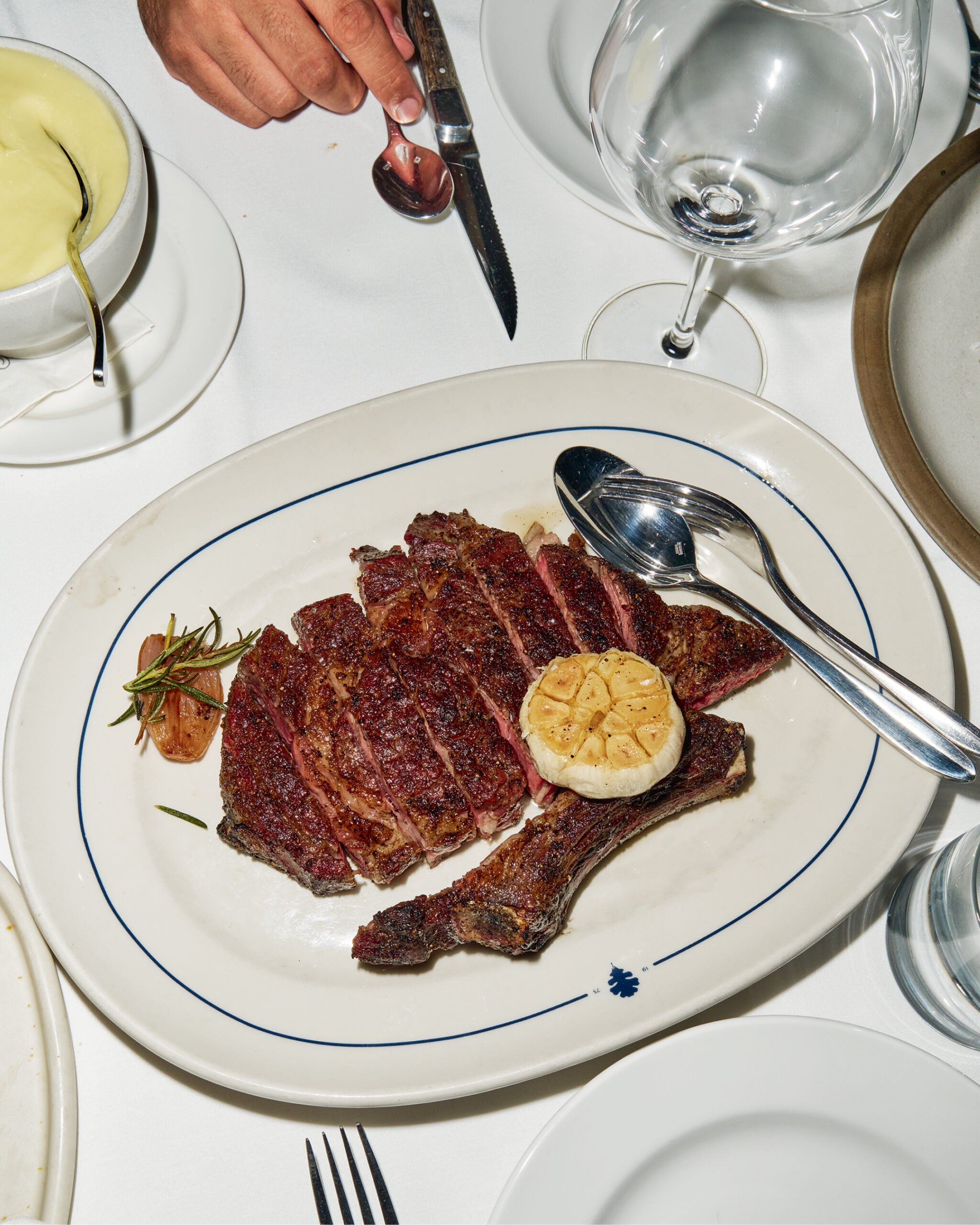
Basting with butter, rosemary, and shallots deepens the flavor of this juicy, restaurant-worthy steak.
The allure of a perfectly cooked rib eye steak, especially one reminiscent of the exceptional quality found at Austin’s renowned Jeffrey’s, is a culinary experience that evokes a profound sense of satisfaction. This particular dish, characterized by its generous marbling and an explosion of flavor, is not merely a meal but a statement of culinary excellence. The quoted sentiment, "That’s what I want," encapsulates the primal desire for a steak that delivers on both richness and taste, a sentiment echoed by many who appreciate the finer aspects of beef preparation.
At its core, the preparation of a rib eye steak, particularly when aiming for a restaurant-quality result at home, hinges on achieving a medium-rare doneness complemented by a satisfying char. The technique of basting, a process that involves spooning melted butter infused with aromatic elements like herbs, garlic, and shallots over the cooking steak, elevates the dish from good to extraordinary. This method not only imparts a luxurious sheen but also allows the savory essences to permeate the meat, creating layers of complexity that are both subtle and profound. The vivid description of scooping the softened, roasted garlic and spreading it over the seared crust paints a picture of intense flavor anticipation, almost to the point of sensory overload for the author.
A fundamental principle in seasoning steak, as highlighted by Eric Wareheim, is the judicious use of kosher salt. A general guideline suggests approximately one teaspoon of kosher salt per pound of meat. This ratio serves as a baseline, acknowledging that personal preference and the specific cut of steak may warrant adjustments. The philosophy of personal culinary freedom is emphasized, asserting that the steak, and by extension the dining experience, belongs to the individual, allowing for a more adventurous or conservative approach to seasoning. This adaptable approach ensures that the final dish is tailored to the diner’s palate, reinforcing the idea that cooking should be an enjoyable and personal journey.
This culinary guidance is adapted from Eric Wareheim’s comprehensive work, "Steak House," published in 2025 by Ten Speed Press, an imprint of the Crown Publishing Group, a division of Penguin Random House LLC. The book aims to demystify the art of steak preparation, bringing the sophistication of steakhouse dining into the home kitchen.
The Art of the Rib Eye: A Culinary Deep Dive
The rib eye, a cut celebrated for its rich marbling and inherent tenderness, is a testament to the superior quality of beef. Its distinctive pattern of intramuscular fat, often referred to as marbling, is crucial to its succulence and flavor. When subjected to heat, this fat renders, basting the meat from within and contributing to a moist, flavorful outcome. The inherent quality of the rib eye means that it requires a relatively straightforward cooking approach, focusing on maximizing its natural attributes rather than masking them with overly complex preparations.
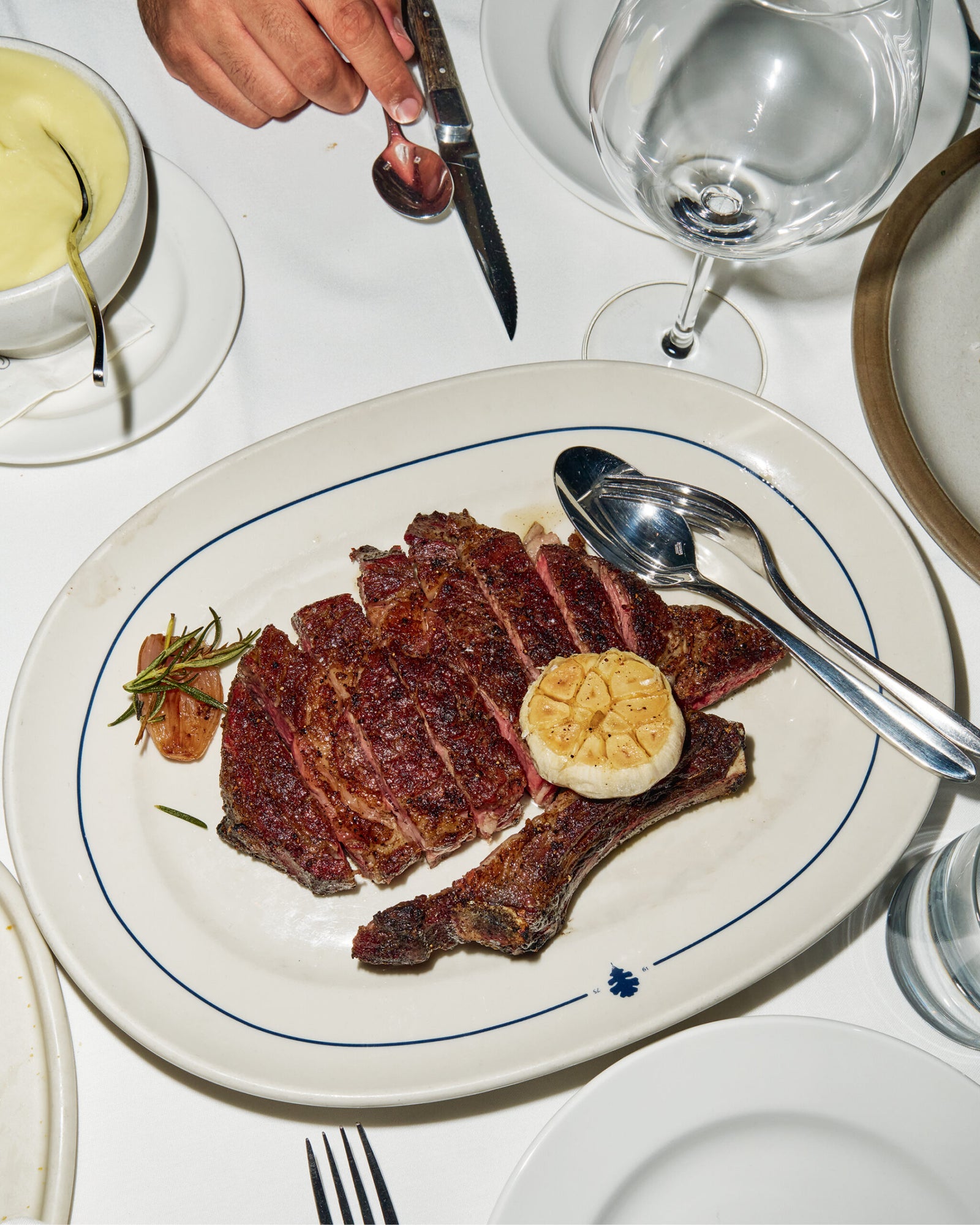
Achieving a perfect medium-rare is often considered the zenith of rib eye cookery. This internal temperature, typically between 130°F and 135°F (54°C to 57°C), ensures that the steak remains tender and juicy, with a slightly pink center that signifies optimal doneness. The exterior char, a result of high-heat searing, provides a crucial textural contrast and a delightful smoky flavor. The Maillard reaction, a complex chemical process that occurs between amino acids and reducing sugars at high temperatures, is responsible for the browning and the development of hundreds of aromatic compounds that contribute to the steak’s savory character.
The technique of basting, as described, introduces a sophisticated layer to the cooking process. By melting butter with aromatics like rosemary and shallots, and repeatedly spooning this infused liquid over the steak, the cook not only adds moisture but also infuses the meat with complementary flavors. Rosemary, with its piney, slightly peppery notes, pairs exceptionally well with the richness of beef. Shallots, offering a milder, sweeter flavor than onions, contribute a subtle depth without overpowering the primary taste of the steak.
Roasted garlic, a key component in this recipe, undergoes a transformation in flavor when cooked. The intense, pungent raw garlic mellows into a sweet, creamy, and spreadable paste. Roasting the garlic alongside the steak or separately allows its sugars to caramelize, deepening its flavor and enhancing its textural appeal. When spread over the seared crust, the roasted garlic melds with the steak’s juices and the herb-infused butter, creating a harmonious and decadent topping.
The Science of Seasoning: Salt as a Flavor Enhancer
The role of salt in cooking steak is multifaceted. Beyond simply enhancing the perception of saltiness, it plays a critical role in tenderizing the meat and drawing out its inherent flavors. Kosher salt, with its larger, coarser crystals, is often preferred for seasoning steak because it adheres well to the meat and is easier to control in terms of application. The recommended ratio of one teaspoon of kosher salt per pound of meat is a scientifically derived guideline based on optimal flavor enhancement without oversaturation.
The process of salting steak well in advance of cooking, known as dry-brining, allows the salt to penetrate the meat, breaking down muscle proteins and reabsorbing moisture. This leads to a more tender and flavorful steak, with a more evenly cooked interior. While the article suggests seasoning the steak and letting it come to room temperature for about 45 minutes, this duration also allows for some dry-brining to occur, contributing to the overall quality of the final dish.
The flexibility in seasoning, allowing for "a little saucy and add more," speaks to the subjective nature of taste. While adhering to recommended ratios is a good starting point, the ultimate goal is a dish that is pleasing to the individual diner. This encourages experimentation and a deeper engagement with the cooking process, transforming it from a set of instructions to a creative endeavor.
A Timeline of Flavor Development: From Prep to Plate
The preparation of this exceptional rib eye steak involves several key stages, each contributing to the final symphony of flavors and textures.
Pre-Cooking Preparation (Approx. 45 minutes prior to cooking):
- Steak Seasoning: The rib eye is generously seasoned with kosher salt and freshly ground black pepper. This initial seasoning allows the salt to begin its work, tenderizing the meat and drawing out its natural flavors.
- Room Temperature: The seasoned steak is left to rest at room temperature. This crucial step ensures that the steak cooks more evenly, preventing a situation where the exterior is overcooked while the interior remains too rare.
Roasting the Garlic (Initiated concurrently with steak resting):
- Preheating the Oven: The oven is preheated to 425°F (220°C). This high temperature is ideal for roasting garlic, allowing the cloves to become soft and sweet.
- Garlic Preparation: A head of garlic has its top sliced off to expose the cloves. It is then drizzled with a small amount of oil, seasoned with salt and pepper, and tightly wrapped in foil.
- Roasting: The foil-wrapped garlic is baked for approximately 30 minutes, or until the cloves are tender and slightly golden. This process caramelizes the garlic’s natural sugars, transforming its pungent bite into a mellow, creamy sweetness. The oven remains on after the garlic is removed, as it will be used for cooking the steak.
The Searing and Basting Process (Approximately 10-15 minutes of active cooking):
- Skillet Heating: A large cast-iron skillet is heated over medium-high heat with the remaining cooking oil. Cast iron is ideal for searing due to its excellent heat retention and distribution.
- Shallot Searing: As the oil shimmers, the cut sides of the shallots are placed around the edges of the skillet. They are allowed to char, developing a deep, sweet flavor.
- Fat Cap Rendering: The rib eye is held on its side using tongs, allowing the thick fat cap to render and crisp up. This step is vital for adding texture and flavor.
- Initial Sear: The steak is then laid flat in the skillet, searing the bottom until a deep golden-brown crust forms. This typically takes 2 to 3 minutes.
- Aromatic Infusion: The charred shallots are flipped, seasoned, and then butter and a sprig of rosemary are added to the skillet. This creates the base for the basting liquid.
- Second Sear and Basting: The steak is flipped, and as it continues to cook, the melted butter infused with shallots and rosemary is repeatedly spooned over its surface. This basting process not only adds flavor but also helps to create an even, beautiful crust.
- Garlic Integration: The reserved roasted garlic head is placed cut-side down into the skillet alongside the steak.
- Final Cooking and Temperature Check: The steak is cooked until an instant-read thermometer registers the desired internal temperature for medium-rare (130°F – 135°F or 54°C – 57°C), which usually takes about 5 more minutes.
Resting and Serving (Approximately 5 minutes):
- Resting the Steak: The steak is transferred to a cutting board and allowed to rest for 5 minutes. This crucial resting period allows the juices to redistribute throughout the meat, ensuring a tender and succulent bite.
- Plating: The shallots and roasted garlic are transferred to a serving plate.
- Slicing and Presentation: The rested steak is sliced against the grain into half-inch-thick pieces and arranged on the serving plate. Any accumulated juices from the cutting board and skillet are poured over the sliced steak.
- Final Touches: The dish is finished with a sprinkle of flaky sea salt and garnished with the remaining rosemary sprig, adding a final flourish of aroma and texture.
Supporting Data and Culinary Context
The popularity of the rib eye steak is supported by its consistent ranking among the most sought-after cuts of beef. In the United States, for instance, steak consumption remains robust, with premium cuts like the rib eye consistently driving demand. According to market research data from various agricultural and food industry reports, beef, and specifically high-quality cuts, represent a significant portion of the meat market share. The average consumer often associates rib eye with celebratory meals and restaurant dining, making its successful preparation at home a rewarding culinary achievement.
The restaurant Jeffrey’s in Austin, cited in the article, has a long-standing reputation for its exceptional steak program. Such establishments often invest heavily in sourcing prime beef and employ master butchers and chefs who understand the nuances of preparing these premium cuts. The ability to replicate a fraction of that experience at home is a testament to both the quality of the ingredients and the effectiveness of the cooking techniques.
The economic implications of high-quality steak production and consumption are substantial. The beef industry supports a vast network of farmers, ranchers, processors, and retailers. The premium placed on cuts like the rib eye reflects the investment in animal husbandry, feed, and processing required to produce such a desirable product. Furthermore, the culinary tourism associated with destinations known for their steak offerings, like Austin, contributes significantly to local economies.
Broader Impact and Implications
The act of preparing and enjoying a dish like this rib eye with roasted garlic extends beyond mere sustenance. It represents an engagement with culinary tradition, a celebration of quality ingredients, and an opportunity for connection through shared meals. In an era where convenience often dictates food choices, the deliberate process of cooking a steak from scratch, employing techniques like basting and roasting, offers a counterpoint to the fast-paced nature of modern life.
The sharing of such recipes, as exemplified by the adaptation from Eric Wareheim’s book, contributes to the democratization of high-quality cuisine. It empowers home cooks to recreate dishes that were once perceived as exclusive to professional kitchens. This fosters a greater appreciation for the craft of cooking and the quality of ingredients, potentially influencing consumer demand towards more sustainable and ethically sourced food products.
The emphasis on personal preference in seasoning and cooking also reflects a broader trend towards customization and personalization in consumer experiences. In a world saturated with information and choices, the ability to tailor a dish to one’s exact liking is a powerful form of self-expression and satisfaction.
Ultimately, the rib eye with roasted garlic is more than just a recipe; it is an invitation to savor the finer things, to engage with the art of cooking, and to create memorable culinary experiences within the comfort of one’s own home. The combination of a superior cut of meat, expertly prepared, and enhanced by the simple yet profound flavors of roasted garlic, rosemary, and butter, creates a dish that is both comforting and celebratory.