 admin
admin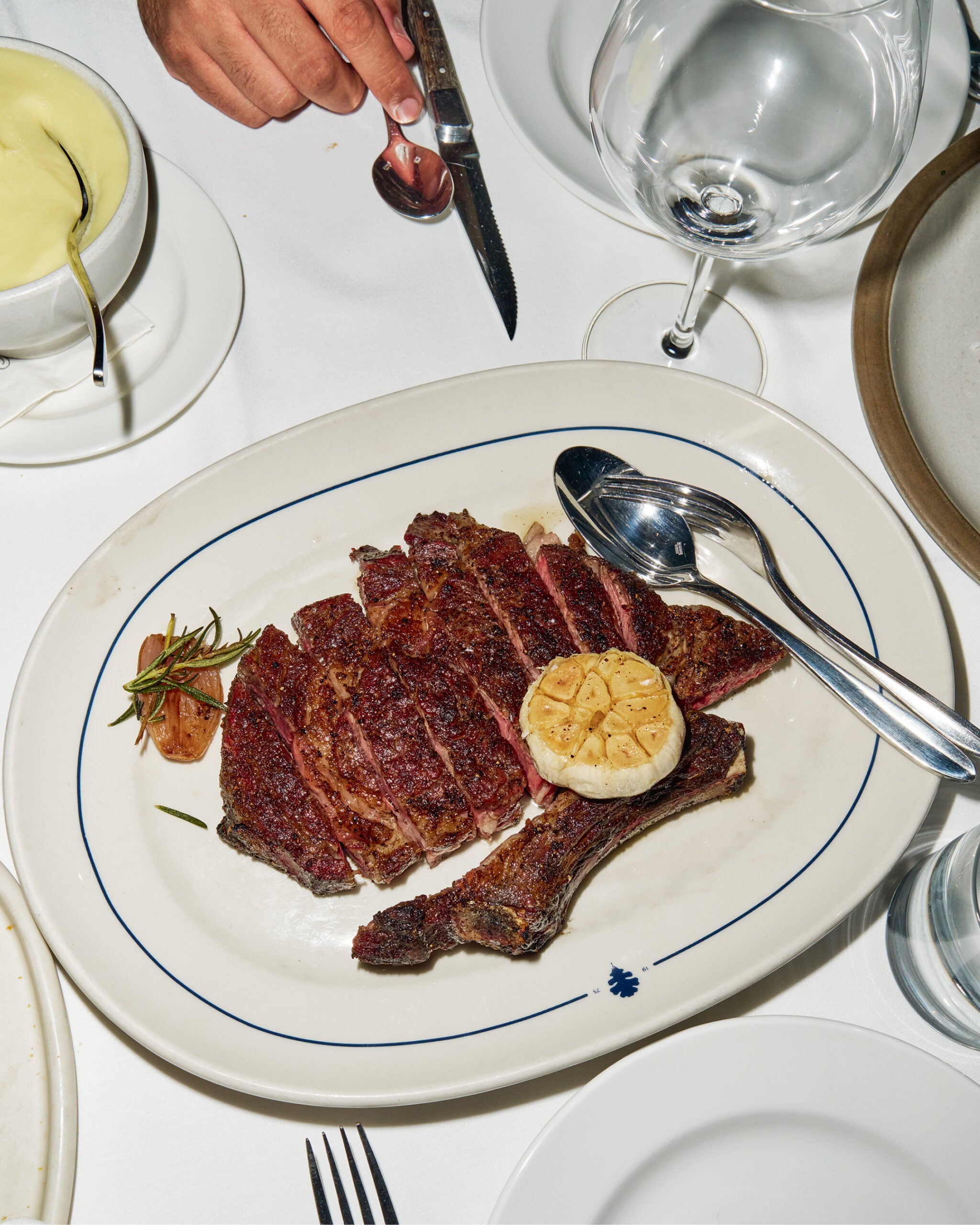
Basting with butter, rosemary, and shallots deepens the flavor of this juicy, restaurant-worthy steak. This culinary technique, often reserved for professional kitchens, transforms a premium cut of beef into an unforgettable dining experience. The inspiration for this method stems from memorable meals, such as the rib eye served at Jeffrey’s in Austin, Texas, a restaurant renowned for its commitment to high-quality ingredients and expert preparation. The author recalls the profound impact of a perfectly cooked rib eye, emphasizing its ideal fat-to-meat ratio and exceptional flavor, a sentiment that resonates deeply with discerning steak enthusiasts.
The art of preparing a rib eye steak at home hinges on achieving a medium-rare interior complemented by a robust, satisfying char on the exterior. This recipe elevates the classic steak by incorporating a basting process that infuses the meat with an aromatic medley of herbs, butter, garlic, and shallots. The transformative power of this technique lies in its ability to create layers of flavor and an unparalleled richness that mirrors the quality found in high-end steakhouses. The descriptive language used to convey the experience – "soft, sensuous garlic," and the visceral reaction of "getting all worked up" and "sweating" – underscores the intense sensory pleasure derived from this dish.
A foundational principle for seasoning steak, as highlighted in this account, is the judicious use of kosher salt. The recommendation of approximately one teaspoon of kosher salt per pound of meat provides a solid starting point for achieving optimal flavor. However, the author also embraces a degree of culinary freedom, suggesting that personal preference can dictate an even more generous application of salt, reinforcing the idea that cooking should be an enjoyable and customizable endeavor. This approach empowers home cooks to experiment and tailor the dish to their individual tastes, making it a truly personal culinary creation.
The inspiration for this refined approach to steak preparation is drawn from the acclaimed cookbook, "Steak House" by Eric Wareheim. Published in 2025 by Ten Speed Press, an imprint of the Crown Publishing Group, a division of Penguin Random House LLC, the book delves into the intricacies of creating steakhouse-quality dishes at home. This particular recipe, "Rib Eye With Roasted Garlic," exemplifies the book’s philosophy of elevating everyday cooking through thoughtful techniques and high-quality ingredients.
The Genesis of a Culinary Masterpiece: A Steakhouse Reverie
The journey to perfecting this rib eye recipe began with a singular, unforgettable dining experience. At Jeffrey’s, a bastion of culinary excellence in Austin, Texas, the arrival of a meticulously prepared rib eye steak on the table ignited a profound appreciation for the art of steak cookery. The author’s visceral reaction – "That’s what I want" – speaks volumes about the steak’s exceptional quality. This was not merely a meal; it was an epiphany, a realization of what a truly great steak should be. The emphasis on the "right ratio of fat (that is, lots of it)" and "so much flavor" points to the inherent characteristics of a well-marbled rib eye, a cut prized for its tenderness and rich, beefy taste. The cut’s distinction lies in its generous marbling, the intramuscular fat that melts during cooking, imparting succulence and depth of flavor that many other cuts cannot match.
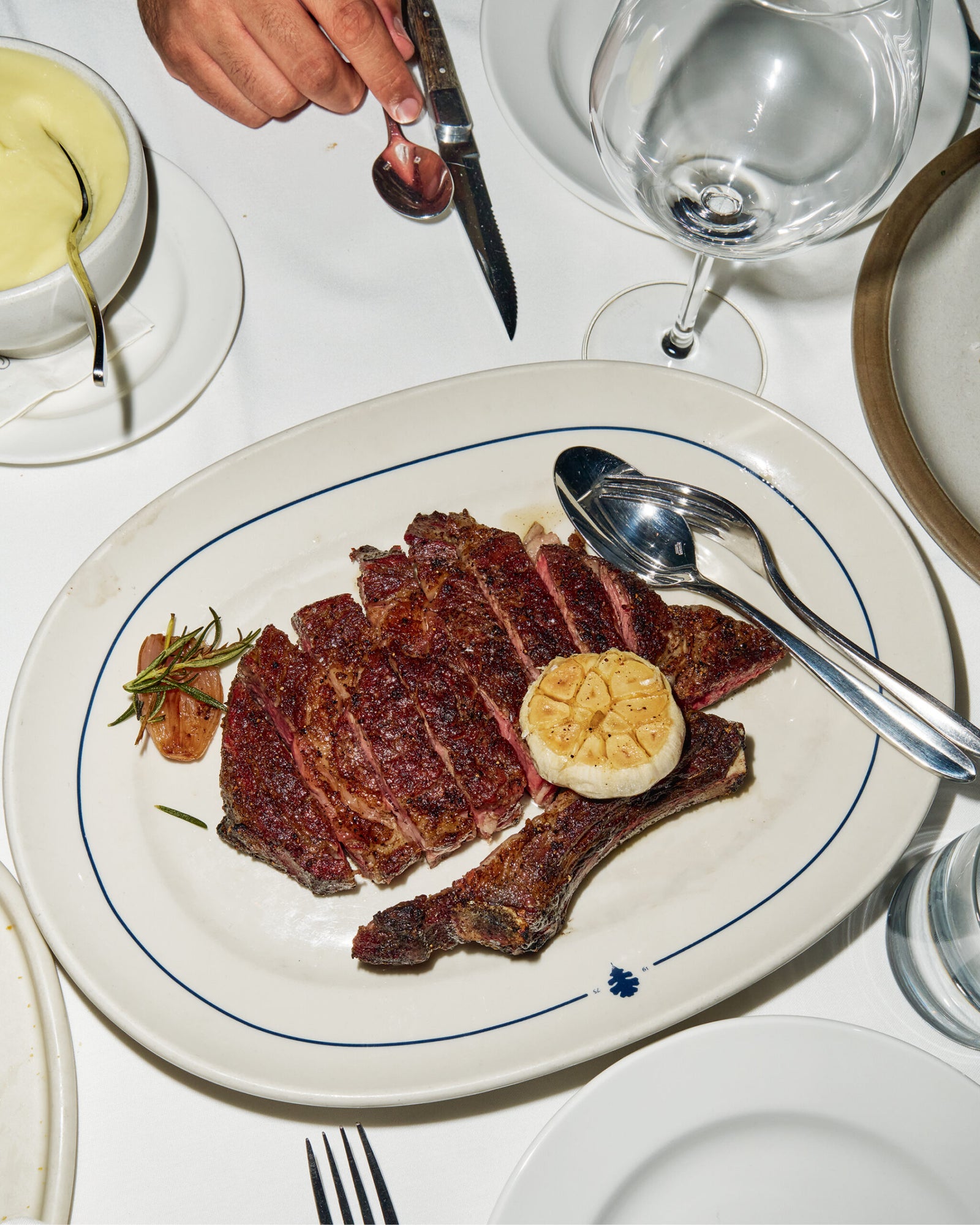
The memory of that steak served as a potent muse, inspiring the creation of a recipe designed to replicate that high-caliber experience in a home kitchen. The core philosophy is simple yet profound: a rib eye should be cooked to a perfect medium-rare, boasting a desirable char. This foundational element is then enhanced through a process of basting, a technique that involves spooning melted butter, infused with aromatics, over the steak as it cooks. This not only adds moisture but also imparts a complex flavor profile, transforming a good steak into an extraordinary one. The description of the process – "Start with a bit of steak by its lonesome. Then scoop up some of that soft, sensuous garlic and spread it over the char" – paints a vivid picture of the culinary artistry involved. The tactile and sensory engagement with the food, described with such evocative language, highlights the author’s passion and the deeply satisfying nature of this cooking method.
Mastering the Medium-Rare: The Art of the Sear and Baste
The successful execution of this rib eye recipe hinges on several key techniques, beginning with the proper preparation of the steak itself.
Seasoning: The Foundation of Flavor
A fundamental tenet of preparing any high-quality cut of meat is proper seasoning. For this rib eye, the recommendation is to season generously with kosher salt and freshly ground black pepper. Kosher salt, with its larger, flaky crystals, adheres well to the surface of the meat and dissolves more slowly, allowing for a more nuanced salt penetration. The guideline of approximately one teaspoon of kosher salt per pound of meat is a robust starting point, ensuring that the inherent flavors of the beef are amplified without being overwhelmed. As the author notes, "While we would never do less, sometimes we like to get a little saucy and add more. It’s your steak, your life." This sentiment underscores the importance of personal preference in cooking. Steak preparation is not an exact science in every aspect; rather, it is an art form that allows for individual expression and adaptation. Allowing the seasoned steak to come to room temperature for about 45 minutes before cooking is a crucial step. This resting period ensures that the steak cooks more evenly, preventing the exterior from overcooking before the interior reaches the desired temperature.
Roasting the Garlic: An Aromatic Revelation
While the steak prepares to reach room temperature, the process of developing the roasted garlic begins. This aromatic component is integral to the basting process and adds a layer of sweetness and depth to the finished dish. Preheat the oven to 425°F (220°C). A whole head of garlic is prepared by slicing off the top to expose the cloves. A mere ½ teaspoon of olive oil is drizzled over the cut surface, followed by a pinch of kosher salt and black pepper. The garlic is then securely wrapped in foil, creating a steamy environment that gently cooks the cloves until they are soft, spreadable, and subtly golden. This slow roasting process mellows the pungent bite of raw garlic, transforming it into a sweet, mellow, and almost creamy condiment that pairs exquisitely with the richness of the rib eye. The roasted garlic is then set aside, with the oven remaining on to facilitate the subsequent searing of the steak.
The Searing Ritual: Achieving the Perfect Crust
The cooking process commences in a large cast-iron skillet, a material renowned for its superior heat retention and distribution, crucial for achieving an even sear. The remaining olive oil is heated over medium-high heat until it shimmers, indicating it’s hot enough to create a beautiful crust. The shallots, cut-side down, are placed around the edges of the skillet. Their placement is strategic, allowing them to caramelize and soften while the steak takes center stage.
The steak is then seared on its side, specifically the fat cap, for 1 to 2 minutes. This critical step renders the fat, making it deliciously crisp and contributing to the overall flavor and texture of the dish. Following this, the steak is laid flat in the skillet, searing until a deep golden-brown crust forms on the bottom, a process that typically takes 2 to 3 minutes. This initial sear is paramount to developing the Maillard reaction, the chemical process responsible for the browning and complex flavor development on the surface of the meat.
The Basting Ballet: Infusing with Aromatic Butter
As the steak sears, the shallots are flipped after approximately 3 minutes, revealing a beautifully charred surface. They are then seasoned with a pinch of kosher salt. The unsalted butter and a sprig of fresh rosemary are added to the skillet. As the butter melts, it begins to foam, creating a fragrant base for basting.
The steak is then flipped to sear the second side for another 2 to 3 minutes. During this stage, the melted, herb-infused butter is continuously spooned over the top of the steak. This basting action not only adds moisture and richness but also helps to cook the steak more evenly and infuse it with the aromatic essence of the rosemary and shallots. The reserved roasted garlic head is then placed cut-side down in the skillet, allowing it to warm through and meld its flavors with the butter and steak juices.
The final cooking stage involves monitoring the steak’s internal temperature with an instant-read thermometer. For a perfect medium-rare, the target is between 130°F and 135°F (54°C to 57°C). This typically takes about 5 minutes in the oven. The combination of direct heat from the skillet and the radiant heat from the oven ensures a beautifully cooked steak with a desirable pink center.
The Resting Period and Presentation: The Grand Finale
Once the steak reaches the desired temperature, it is transferred to a cutting board to rest for at least 5 minutes. This resting period is non-negotiable; it allows the juices within the steak to redistribute, resulting in a more tender and flavorful final product. Without adequate resting, the juices will escape onto the cutting board, leaving the steak dry.
While the steak rests, the shallots and roasted garlic are arranged on a serving plate. The rested steak is then sliced against the grain into ½-inch thick slices. This technique ensures that the muscle fibers are shortened, making the steak more tender and easier to chew. The sliced steak is then arranged on the serving plate alongside the shallots and garlic. Any accumulated juices from the skillet and cutting board are generously poured over the steak, adding another layer of flavor. The dish is finished with a sprinkle of flaky sea salt, such as Maldon, which provides a delightful textural contrast, and garnished with the remaining sprig of rosemary.
The Broader Implications of Elevated Home Cooking
This recipe for Rib Eye With Roasted Garlic is more than just a set of instructions; it represents a broader culinary trend and a philosophy that empowers home cooks to achieve restaurant-quality results. In an era where culinary experiences are increasingly sought after, the ability to replicate sophisticated dishes in one’s own kitchen holds significant appeal. The success of books like Eric Wareheim’s "Steak House" underscores a growing interest in mastering classic techniques and understanding the nuances of ingredient preparation.
The emphasis on quality ingredients, such as a well-marbled rib eye, and the application of proven culinary methods, like searing and basting, are not merely about producing a delicious meal. They are about the satisfaction derived from the process, the educational aspect of learning new skills, and the ability to share these elevated dining experiences with friends and family. The data from culinary publications and online recipe platforms consistently shows a strong demand for recipes that promise impressive results with clear, actionable steps. This particular recipe taps into that demand by offering a method that is both accessible and yields a highly rewarding outcome.
The implications extend beyond the individual cook. As more people embrace these sophisticated home-cooking techniques, there is a potential ripple effect on the culinary landscape. It can foster a greater appreciation for the craft of cooking, encourage more thoughtful food consumption, and even influence restaurant dining choices. When home cooks become adept at preparing high-quality dishes, their expectations for restaurant fare may also evolve, driving innovation and excellence within the professional culinary world.
Furthermore, the inclusion of detailed instructions, temperature guidelines, and explanations of culinary principles, as seen in this recipe, contributes to a more informed and engaged home cook. This educational component is crucial for building confidence and fostering a lifelong passion for cooking. The structured format, from ingredient preparation to final plating, provides a roadmap for success, making even complex-sounding dishes achievable. The "rule to live by" regarding salt, for instance, offers a tangible takeaway that can be applied to countless other culinary endeavors. This recipe, therefore, serves as a gateway to a more adventurous and fulfilling culinary journey, proving that the pursuit of exceptional flavor is well within reach for any aspiring home chef.