 admin
admin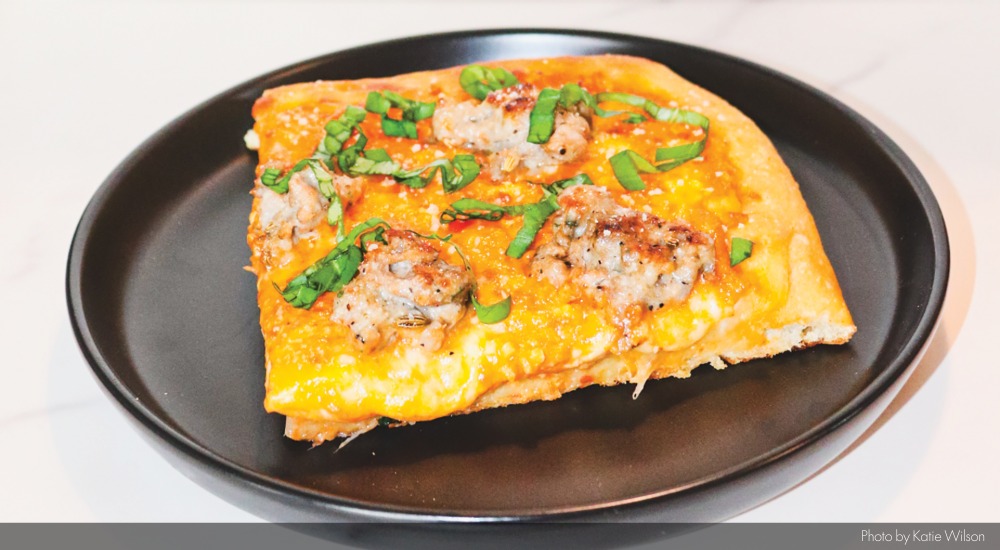
In the vibrant culinary landscape of American pizza, a distinct style has been steadily gaining prominence, captivating palates with its inverted layering and robust flavors: the upside-down square pie. Spearheading this regional revival and innovation are proprietors like Peter Grippo of Brooklyn Square Pizza and Phil Solorzano of Solorzano’s Pizzerias, both dedicated to bringing the authentic taste of their New York and New Jersey upbringing to new audiences, often with a sophisticated twist – the vodka sauce. Their efforts represent a significant trend in the food industry: the successful export of beloved local traditions to broader markets, while maintaining rigorous standards of quality and craftsmanship.
The Genesis of a Square Sensation: Brooklyn Square Pizza’s Legacy
Peter Grippo, a Brooklyn native, founded Brooklyn Square Pizza with a clear vision: to replicate the "Avenue U pizza of his youth" in New Jersey. With four flourishing locations, his establishment has become synonymous with the "upside-down square pies," a testament to his commitment to preserving a specific regional culinary heritage. Grippo’s passion for his craft is palpable in his description of the signature pie, which he affectionately calls "like a pillow." He emphasizes its unique textural profile – "It’s crunchy, it’s fluffy, it’s fresh. It’s really good," a combination achieved through a meticulous, unhurried process that eschews par-baking. This dedication to fresh, made-to-order preparation sets Brooklyn Square Pizza apart in an increasingly competitive market.
While round pizzas are available, it is the square pan pizzas that truly define Brooklyn Square Pizza, accounting for its namesake and most popular offerings. Grippo, keen on precision and respecting culinary lineage, clarifies his terminology, stating, "I’m not Sicilian… so I don’t call any of my pizza Sicilian." This distinction underscores the nuanced world of regional pizza styles, where names often carry specific historical and geographical weight. The "Upside Down Square Pizza" is, by far, his most-ordered menu item, reflecting a strong consumer preference for this distinctive style.
Crafting the Perfect "Pillow": A Masterclass in Dough Development
The foundation of any great pizza lies in its dough, and Grippo’s process is a labor of love, demanding both time and precision. The journey begins with unbromated, unbleached flour, chosen for its superior quality and natural characteristics, aligning with a growing consumer demand for cleaner, less processed ingredients. This flour is mixed and then subjected to a crucial 24-hour cold fermentation period. This extended refrigeration allows the yeast to work slowly, developing complex flavors and a unique structural integrity that contributes to the dough’s signature "pillow-like" texture. Following fermentation, the dough is allowed to warm up, making it pliable and workable for stretching into square pans. Once stretched, it undergoes further proofing before being refrigerated until it’s ready for baking.
"It’s a long process to make the dough. That’s why you let the yeast do its action, let it rise so it gets soft and you can work it," Grippo explained to Pizza Today. This patient approach is integral to achieving the desired outcome. When an order comes in, the prepared dough is simply taken from the fridge, cheesed, sauced, and cooked to order. This commitment to fresh baking, rather than par-baking, ensures that each customer experiences the full spectrum of textures and flavors Grippo meticulously cultivates. This method, while requiring more preparation time and storage space, is a hallmark of artisanal pizza making, prioritizing quality over speed.
The Art of the Upside-Down: Layering for Flavor and Texture
The "upside-down" pizza style, often associated with Grandma-style pies, is characterized by its inverted layering: cheese first, then sauce. At Brooklyn Square Pizza, this technique is executed with a focus on fresh, high-quality ingredients. Loaves of fresh mozzarella are sliced in-house daily, a step that ensures optimal freshness and melt quality, distinguishing it from pre-shredded varieties that often contain anti-caking agents. These generous slices of fresh mozzarella are carefully laid directly onto the raw dough. A layer of house-made tomato sauce follows, generously coating the cheese. Finally, the pizza is crowned with a sprinkle of imported Pecorino Romano, adding a sharp, salty finish that complements the richness of the mozzarella and the sweetness of the tomato.
Grippo elucidates the culinary logic behind this layering: "The cheese melts onto the bread and the sauce on top. It doesn’t burn the cheese; the cheese has time to cook underneath the sauce without crisping." This method allows the mozzarella to melt into a creamy, luscious layer, creating a protective barrier for the crust while preventing the cheese from over-browning or becoming tough. The sauce, exposed to the direct heat, caramelizes slightly, intensifying its flavor. This thoughtful approach to layering is not merely a stylistic choice but a calculated technique to achieve a superior textural and flavor experience.
A Vodka Cocktail: Elevating the Sauce Game
While the classic Upside Down Square reigns supreme, Brooklyn Square Pizza’s "Vodka Upside Down Square" holds a formidable second place in popularity, showcasing a willingness to innovate within traditional frameworks. This variant follows the same meticulous preparation as its classic counterpart, but with a significant upgrade to the sauce. The house-made vodka sauce is a rich concoction of high-quality Italian tomatoes, heavy cream, sautéed onions, a touch of butter, and Tito’s vodka. Grippo ensures consistency and freshness by having each of his locations prepare a fresh batch of vodka sauce daily.
The creation of a perfect vodka sauce for pizza is not without its challenges, particularly concerning the interaction of ingredients under high heat. Grippo cautions that those new to making vodka sauce "have to know how long to bake it so it doesn’t curdle" – a common pitfall when acidic tomato sauce and cream are exposed to intense oven temperatures. Furthermore, achieving the correct balance of sauce on top of the cheese layer is crucial; too much, and the pie becomes a "sloppy mess." Grippo’s mastery of this delicate balance, refined over decades, is evident in the sauce’s smooth texture and harmonious flavor profile. "It’s just an old-school recipe we’ve been doing for years," he shares, highlighting the enduring appeal of time-tested culinary wisdom. The use of a premium vodka like Tito’s, while subtle in flavor after cooking, contributes to the sauce’s silky texture and helps to emulsify the ingredients, creating a more refined product.
New Jersey Pizza in Florida: Solorzano’s Southern Expansion
The allure of the upside-down vodka pizza extends beyond the New York-New Jersey corridor, as evidenced by the entrepreneurial spirit of Phil Solorzano. A third-generation pizzamaker and New Jersey native, Solorzano shares Grippo’s mission: to transport the authentic pizza experience of his youth to a new demographic. His chosen market? Florida. Solorzano is the owner and licensor of Solorzano’s Pizzerias, with a headquarters at Solorzanos Pizzeria and Poolside Bistro in Orlando, a strategic location for reaching a diverse, often transient, population seeking a taste of home or an authentic culinary experience.
Solorzano’s menu is broad, encompassing various styles while still emphasizing his roots. "I make the regular, old-school Jersey-New York pizzas – the thin crust – but then I also do Sicilian pizzas, the square Sicilians," he explains. He further elaborates, "I’ve got the round Sicilians, which is the thicker dough, and I do that with the upside-down vodka." This demonstrates a comprehensive understanding of regional pizza styles and a willingness to cater to diverse preferences, while still championing the upside-down vodka pie, which he proudly names "Phil’s Famous Upside Down Vodka Sauce Pizza."

Solorzano’s approach to the upside-down vodka pizza also embraces customization, a key trend in contemporary dining. While many enjoy the pie as-is, he frequently recommends adding toppings like fried chicken or pepperoni, catering to a broader range of tastes and potentially attracting new customers to the style. This flexibility allows Solorzano’s Pizzerias to appeal to both purists and those seeking a more adventurous pizza experience.
The Craft of Crust and Sauce: Solorzano’s Method
Like Grippo, Solorzano places immense importance on his dough, allowing it to ferment for approximately 36 hours – an even longer period than Brooklyn Square Pizza’s. This extended fermentation contributes to a deeper flavor profile and a more airy, digestible crust. Depending on the season and demand, some of his shops even make dough twice daily, ensuring maximum freshness and responsiveness to customer volume. The popularity of upside-down pizzas at Solorzano’s is undeniable, accounting for a significant 20%-25% of total pizza sales, underscoring the strong market for this niche product in Florida.
Solorzano also shares insights into the unique baking dynamics of upside-down pizzas. "The way that the sauce is on the top… the crust cooks differently," he notes. The sauce, exposed to the oven’s heat, can sometimes appear to "cook off," leading him to often apply fresh mozzarella atop most of his upside-down pizzas, in addition to the traditional under-sauce layer. This adaptation likely addresses the visual appeal and ensures a consistently cheesy bite. Post-bake, he adds fresh basil, a classic Italian finishing touch that provides aromatic freshness and a vibrant pop of color. His "Lambo Pizza" is a particularly creative take, an upside-down pie named after the Italian flag, featuring rotating stripes of pesto, vodka sauce, and marinara, showcasing both culinary artistry and cultural homage.
A New Concept: Revitalizing Spaces and Tastes
Solorzano’s business strategy extends beyond just pizza; it encompasses a broader vision of urban and commercial revitalization. Many of his pizzerias operate out of shopping mall locations that were formerly occupied by Sbarro, a chain that, while once ubiquitous, has seen a decline in recent years. "I go into these dying malls and put my food in there. And the next thing you know, people are coming to the mall and buying full pizzas," Solorzano explains. This innovative approach leverages existing infrastructure and foot traffic, transforming underutilized spaces into vibrant culinary destinations.
The concept, which officially launched in early 2025, has already seen rapid expansion, with eight locations up and running. This swift growth indicates a successful strategy for both product and placement. Furthermore, Solorzano notes a significant ramp-up in his third-party delivery business as people become more familiar with the concept. This adaptation to modern consumer habits, combined with a focus on high-quality, distinctive food, positions Solorzano’s Pizzerias for continued success.
Just as Solorzano is introducing a new audience to upside-down pizzas in Florida, Grippo believes Brooklyn Square Pizza was among the pioneers in New Jersey to offer this distinctive style. Both proprietors share a common thread: a deep understanding of their product and its appeal. Grippo perfectly encapsulates the experience of biting into one of his creations: "When you’re biting into it, you get a full flavor of everything – dough, sauce and cheese." This holistic sensory experience is what distinguishes their pizzas and contributes to their growing popularity.
Broader Implications: The Rise of Artisanal Regional Pizza
The success stories of Brooklyn Square Pizza and Solorzano’s Pizzerias are indicative of several broader trends within the American food industry. Firstly, there is a clear and growing consumer appreciation for artisanal quality and authentic regional specialties. In an era of mass-produced food, the meticulous dough preparation, in-house fresh mozzarella slicing, and daily-made sauces offered by Grippo and Solorzano resonate deeply with customers seeking genuine culinary experiences. The focus on unbromated flour and fresh ingredients speaks to a larger movement towards cleaner eating and transparency in food sourcing.
Secondly, the geographical expansion of these specialized pizza styles highlights the increasing interconnectedness of American culinary tastes. What was once a niche Brooklyn or New Jersey style is now finding enthusiastic audiences in Florida, demonstrating that quality and authenticity transcend regional boundaries. This trend is supported by demographic shifts, as people relocate and seek out familiar comfort foods, or as new populations discover and embrace diverse culinary traditions. The "upside-down" pizza, with its distinct layering and rich history (often linked to Italian-American home cooking and the "Grandma pie" tradition), offers a narrative and flavor profile that appeals to a broad demographic looking for something beyond the conventional.
Finally, the business strategies employed by both owners offer valuable insights into adapting to modern market dynamics. Grippo’s consistent multi-location growth in New Jersey demonstrates the power of a strong brand and a perfected core product. Solorzano’s innovative approach to revitalizing mall spaces and his early adoption of third-party delivery services showcase adaptability and foresight in leveraging existing infrastructure and evolving consumer behaviors. These models suggest that success in the contemporary food service industry requires not only a superior product but also strategic thinking about location, market reach, and customer convenience.
The enduring appeal of the upside-down square pizza, whether classic or infused with rich vodka sauce, is a testament to the power of tradition, innovation, and unwavering commitment to quality. As these regional favorites continue to "glow up" and expand their reach, they redefine the landscape of American pizza, proving that some of the best culinary experiences are found where heritage meets a passion for perfection.
KATE LAVIN is Senior Editor at Pizza Today.