 admin
admin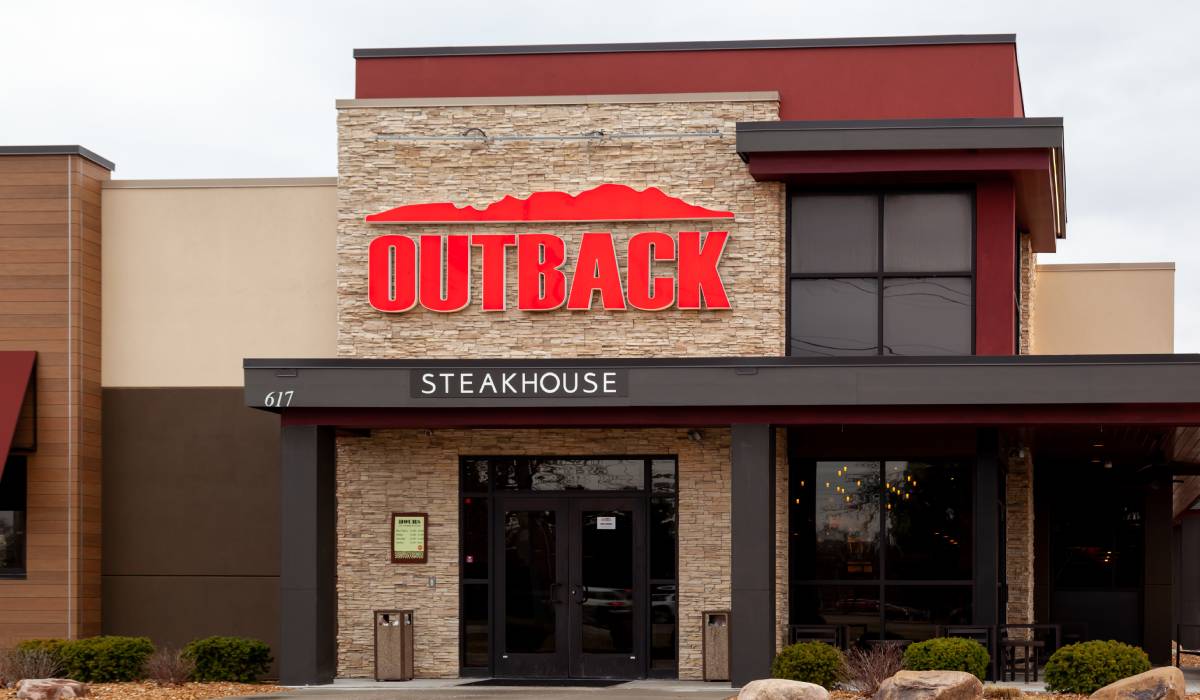
Bloomin’ Brands, the parent company of Outback Steakhouse, has unveiled a comprehensive strategic pivot designed to revitalize its flagship brand through a massive infusion of capital and a rigorous refocusing on core operational excellence. The multi-year "comeback plan," spearheaded by CEO Mike Spanos, involves a $50 million investment in 2026 alone, aimed at reclaiming the brand’s historical identity as a leader in the casual dining steakhouse segment. This financial commitment follows a pivotal fourth quarter in which Outback recorded its first positive traffic growth in three years, signaling that the initial phases of its turnaround strategy are beginning to resonate with a price-sensitive consumer base.
Strategic Investment and Capital Allocation for 2026
The $50 million investment earmarked for 2026 is distributed across four primary pillars of the business, reflecting a holistic approach to brand revitalization. The largest portion, $25 million, is dedicated specifically to "steak excellence" and a comprehensive redesign of the menu. This initiative focuses on product quality, sourcing, and the culinary presentation of the brand’s core protein offerings.
An additional $7 million will be utilized to implement a new service model across the national footprint. This model represents a fundamental shift in how the restaurant operates on a floor level, transitioning from a system where servers manage six tables to a more focused four-table-per-server ratio. The company also plans to invest $8 million into its managing partners—the individuals responsible for the daily operations of each location—through enhanced compensation packages and incentive programs. Finally, $10 million has been allocated to a revamped marketing strategy that shifts the brand’s media mix toward modern digital channels.
To balance these aggressive expenditures, Bloomin’ Brands has identified approximately $30 million in non-guest-facing cost-saving initiatives to be implemented throughout 2026. These efficiencies are expected to scale significantly, with the company projecting a cumulative $80 million in cost savings between 2026 and 2028. The savings will be achieved through a variety of backend optimizations, including the renegotiation of supplier contracts, the elimination of redundant vendor spending, and the leveraging of technology to streamline labor scheduling and back-of-house operations.
Operational Evolution: Returning to Steak Leadership
The cornerstone of the Outback turnaround is a return to its "roots," specifically focusing on the quality and preparation of its steak. In November 2025, the chain introduced an updated steak lineup featuring premium cuts such as bone-in ribeye and a new half-pound burger. According to internal data, these menu improvements have already led to measurable increases in guest satisfaction and "intent to reorder" scores.
To ensure consistency across its 666 domestic locations, Outback has instituted a rigorous "Steak Excellence Certification" program. Under this mandate, multi-unit leaders must complete intensive training before coaching individual restaurant teams. During peak dining hours, operators are now required to be present on the floor to hold staff accountable for steak accuracy and quality. This operational discipline is supported by the use of Ziosk tabletop tablets, which allow the company to gather real-time feedback from guests regarding their dining experience.
The results of these efforts were evident in the fourth quarter data. Brand trust rose by seven points, while food and service scores each saw a five-point increase. Atmosphere and value scores also trended upward, rising by three points each. CEO Mike Spanos emphasized during the company’s recent earnings call that "close is never good enough," noting that the certification process is now a permanent fixture of the corporate culture.
The New Service Model and Human Capital Strategy
Beyond the kitchen, Outback is fundamentally altering its approach to hospitality. The transition to a four-table-per-server model in the second quarter of 2026 is designed to foster deeper interactions between staff and guests. In pilot tests, this change led to significant improvements in server attentiveness and the likelihood of guests recommending the restaurant to others.
Management believes that reducing the workload per server will not only improve the guest experience but also bolster employee retention. This focus on human capital extends to the restaurant’s leadership. The company is currently developing new compensation packages for managing partners that are more closely tied to the individual restaurant’s profit and loss (P&L) statements.
By offering competitive base salaries combined with performance-based incentives, Outback aims to recruit and retain the highest caliber of restaurant managers in the industry. The executive team posits that stable, high-quality leadership at the unit level is the primary driver of operational execution, which ultimately translates into sustained sales growth and improved profit margins.
Infrastructure and Physical Brand Refresh
The turnaround plan also includes a significant commitment to the physical infrastructure of the Outback estate. The brand has set an ambitious goal to refresh the interior and exterior of nearly all of its 666 U.S. stores by the end of 2028. These renovations are estimated to cost between $350,000 and $400,000 per location.
A critical component of this physical overhaul is the expansion of char grill capacity. By the end of 2026, every Outback restaurant will be equipped with enhanced grilling technology to support the new steak lineup. This infrastructure investment is viewed as a "no-regret" move by leadership, providing the necessary tools for the kitchen staff to deliver on the brand’s promise of steak excellence.
Marketing Shift: Digital Dominance and Value Propositions
Outback is also re-engineering its approach to consumer engagement. In 2025, the brand’s media mix was heavily weighted toward traditional television, which accounted for 67 percent of its marketing spend. In 2026, that ratio will be flipped, with 60 percent of the budget allocated to digital platforms and 40 percent to traditional media.
This digital-first strategy is intended to reach a younger, more tech-savvy demographic while allowing for more precise targeting of rewards members. The brand’s recent success with the "Aussie 3-Course" meal illustrates the effectiveness of tiered value propositions. With price points at $14.99, $17.99, and $20.99, the promotion has successfully driven traffic while encouraging guests to spend more; 60 percent of customers using the promotion have opted for the higher two price tiers.
Portfolio Performance and Market Context
While Outback remains the primary focus of the turnaround, other brands within the Bloomin’ Brands portfolio have shown varying degrees of resilience. Carrabba’s Italian Grill outperformed the group in the fourth quarter with a 1.6 percent increase in same-store sales, driven by catering and experiential wine dinners. Bonefish Grill also saw a turnaround, posting its first positive traffic growth since early 2022, largely due to successful "day-of-the-week" promotions like "Martini Mondays."
Fleming’s Prime Steakhouse & Wine Bar saw a modest 0.1 percent increase in sales, though it faced a 2.4 percent decline in traffic. Across the entire company, domestic same-store sales for the first quarter of 2026 are projected to be flat to up 1 percent, accounting for the impact of severe winter weather earlier in the year.
Analysis of Implications and Industry Outlook
The aggressive moves by Bloomin’ Brands reflect a broader trend in the casual dining industry, where legacy brands are struggling to maintain relevance in an era of rising labor costs and shifting consumer preferences. By doubling down on quality rather than engaging in a "race to the bottom" on price, Outback is attempting to differentiate itself from competitors like Chili’s or Applebee’s, which have historically leaned more heavily on deep discounting.
The success of this strategy hinges on the company’s ability to execute consistently across a massive footprint. The shift in the service model and the investment in managing partners suggest that leadership recognizes that food quality alone is insufficient in the modern market; the "hospitality experience" must match the product on the plate.
As Outback moves into the second half of 2026, the industry will be watching closely to see if the positive traffic trends seen in late 2025 can be sustained. If the $50 million investment yields the expected returns in guest satisfaction and brand loyalty, it could provide a blueprint for other legacy casual dining chains looking to navigate the complexities of the post-pandemic economic landscape. For now, the "Aussie-born" steakhouse is betting that a return to its roots—supported by modern technology and a leaner operational structure—will be the key to a long-term comeback.