 admin
admin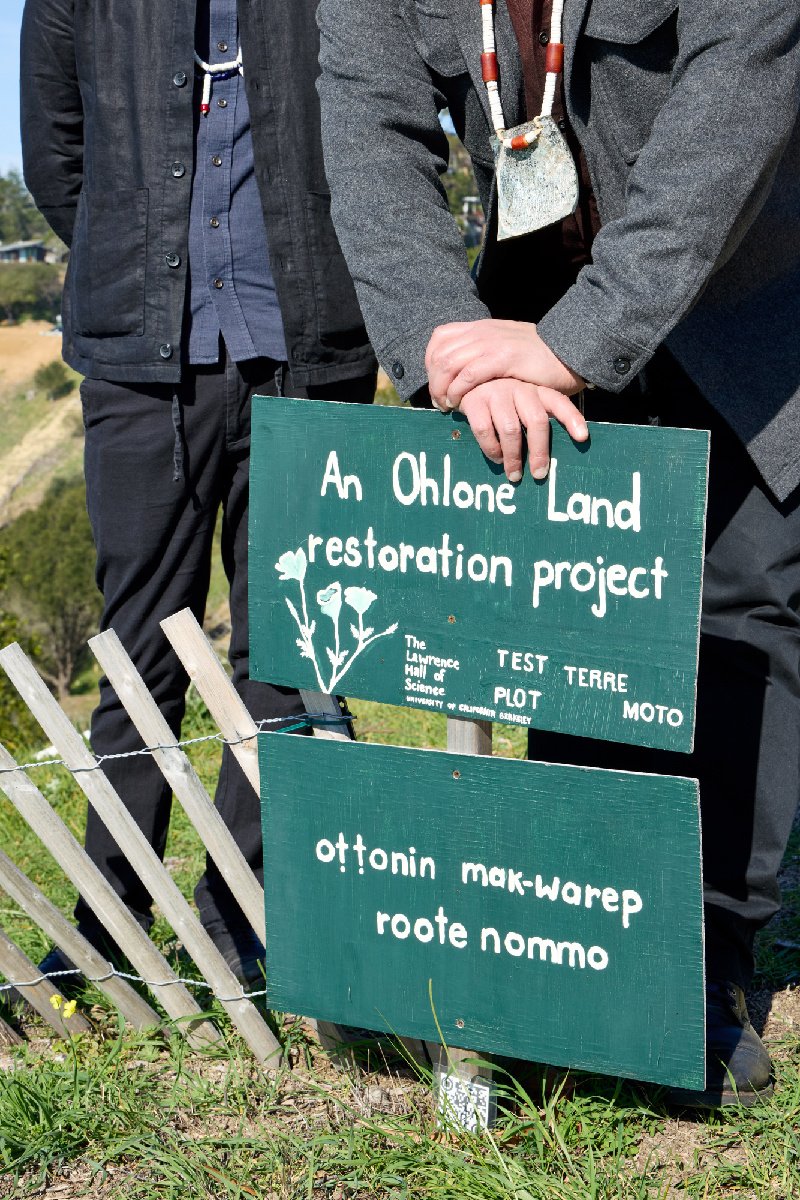
In a profound act of cultural reclamation and institutional reconciliation, Ohlone leaders Vincent Medina and Louis Trevino have launched ‘ammatka Cafe at the University of California, Berkeley’s Lawrence Hall of Science. This initiative, part of the broader ‘ottoy project—meaning “to repair” in the Chochenyo language—stands as a powerful testament to the enduring presence and vibrant culture of the Ohlone people, a community once erroneously declared extinct by the very institution now partnering in their revitalization efforts. The cafe, offering both traditional and contemporary Ohlone cuisine, serves as a dynamic educational hub, inviting diners to experience the rich biodiversity of the East Bay landscape through a culinary lens and to understand the deep historical context of the land they inhabit.
A Legacy of Resilience: The Ohlone People and Their Homeland
Vincent Medina, an Ohlone descendant from halkin in the San Francisco East Bay, and his partner Louis Trevino, also Ohlone from the East Bay, are at the forefront of this movement. Their family’s roots in the region stretch back millennia, predating the arrival of European colonizers. The East Bay, encompassing a diverse range of ecosystems from the San Francisco Bay shore to redwood forests, interior valleys, and Mount Diablo, was a landscape meticulously shaped and sustained by Ohlone people for thousands of years. This ancient stewardship involved sophisticated ecological practices, such as small, controlled burns to manage overgrowth, enrich soil, and promote continuous plant regeneration, ensuring an abundant and biodiverse environment.
Prior to colonization, the East Bay was a thriving ecological mosaic. The bay shore teemed with Olympia oysters, California mussels, abalone, Washington clams, and vast sea otter colonies. White sand dunes and pickleweed marshes gave way to willow thickets, vital for the renowned Ohlone basketry. Further inland, redwood forests provided chanterelles, porcini, and candy cap mushrooms, while oak woodlands yielded acorn, a foundational staple food. This intricate knowledge of the land’s bounty and its sustainable management was passed down through generations, forming an unbroken chain of cultural and ecological wisdom that endured despite immense pressures.

Waves of Colonization and the Erroneous Declaration of Extinction
The Ohlone people faced successive waves of devastating colonization. The Spanish mission period, marked by forced relocation, cultural suppression, and disease, saw many Ohlone survive at institutions like Mission San Jose and Mission Dolores. This was followed by the Mexican rancho period, further disrupting traditional lifeways. The most brutal era arrived with the California Gold Rush and subsequent American statehood. In 1851, California’s first governor openly advocated for a "war of extermination" against Indigenous peoples, leading to state-sanctioned genocide. Many Ohlone families, including Medina’s, sought refuge in interior valleys like Sunol, about 35 miles southeast of Berkeley, where they successfully secured land rights as the Verona Band of Alameda County. Traditional culture, including language and foodways, continued to flourish there from the 1860s until the late 1920s.
However, the foundation of UC Berkeley in 1868 as a land-grant institution, directly benefited from the Morrill Act, which leveraged the forced cession of Indigenous lands across the United States. The university’s involvement in Ohlone dispossession deepened significantly in 1925 when Albert Kroeber, the first head of anthropology at UC Berkeley, declared the Verona Band “extinct for all practical purposes.” This declaration, rooted in colonial academic practices that often sought to erase Indigenous presence, directly led to the loss of federal recognition and land rights for the Ohlone people two years later. Such policies had profound and lasting socio-economic consequences, denying the Ohlone access to federal funding, resources, and recognition vital for community development and self-determination. The Ohlone, like many unrecognized tribes, faced systemic barriers to accessing healthcare, education, and economic opportunities that federally recognized tribes could pursue.
Despite these systematic attempts at erasure, Ohlone families demonstrated extraordinary resilience. Medina recounts how his great-grandparents’ generation, unable to live on their land in Sunol, remained in the East Bay, working in orchards and domestic service, all while diligently preserving their cultural heritage. Their unwavering commitment ensured that the "oldest traditions of the East Bay" remained alive, a story of "incredible strength and permanence" rather than one of loss or defeat.
The ‘ottoy Initiative: Repairing Historical Harm

The ‘ottoy initiative at UC Berkeley represents a significant step toward acknowledging and repairing the historical injustices committed by the university. Meaning "to repair" in Chochenyo, ‘ottoy is a multi-faceted project designed to affirm the rightful presence of the Ohlone people. It includes museum exhibits at the Lawrence Hall of Science, other initiatives on UC Berkeley’s main campus, and partnerships concerning university-associated land tracts. The central mission is to build knowledge and respect for the living Ohlone culture, while explicitly recognizing the harm perpetrated by the university’s past actions.
The ‘ammatka Cafe, or “the dining room” in Chochenyo, is a cornerstone of this initiative. Located high in the hills at the Lawrence Hall of Science, the cafe offers diners panoramic views of the East Bay, providing a natural backdrop for storytelling about the region’s rich biodiversity and its Ohlone history. All signage within the cafe and throughout the museum is trilingual, in English, Spanish, and Chochenyo, reinforcing the linguistic and cultural revitalization efforts. This partnership with the Lawrence Hall of Science symbolizes a crucial shift from historical erasure to active recognition and collaboration, a century after the university’s declaration of extinction.
mak-’amham: Reclaiming Culinary Traditions
The journey to establish ‘ammatka Cafe began in 2017 with the launch of mak-’amham, Chochenyo for “our food.” This series of programs was initially designed for Ohlone people, offering cooking classes, gathering trips, dinners, food deliveries for elders, and language instruction. The core philosophy was to reconnect with “old-time knowledge and old-time taste preferences.” Medina and Trevino dedicated extensive time to conversing with elders, learning about the foods of their youth, many of which had become inaccessible due to urban development, land privatization, and restrictive park regulations.
Under the guidance of elders like Auntie Dottie, now 95, whose mother was born in 1890, the team rediscovered and revived traditional recipes. Auntie Dottie vividly recalled acorn, "the bread of life," being a staple at every family gathering, alongside delicate wild greens layered with nuts, fruits, and berries. These greens included watercress and rooreh, a plant previously mislabeled as “miner’s lettuce.” Medina spearheaded a successful campaign to rename rooreh to its Native name, a change officially adopted by the Jepson Herbarium, rectifying a historical injustice that had linked a delicious Indigenous food to the exploitative Gold Rush era. This act of renaming underscores the power of language in cultural reclamation and the importance of accurate historical representation.

The elders’ knowledge, spanning generations, provided a foundation of culinary wisdom. Louis Trevino notes how Auntie Dottie, growing up during the Great Depression, never experienced a sense of lack because her mother knew how to gather and prepare an abundance of plants, mushrooms, and fruits. Their home became a communal hub, a place where others could find a meal. Moreover, records from the 1920s on the Sunol Rancheria meticulously documented traditional language, stories, and recipes, including acorn bread baked in sycamore leaves and muyyen—seed cakes made from toasted and ground chia, California amaranth, tarweed, and lupin seeds. These cakes, celebrated for their unique flavors (some anise-like, others reminiscent of burnt popcorn), provided a highly nutritious blend of fats, protein, and fiber, embodying the sophisticated nutritional understanding of Ohlone forebears.
The success of mak-’amham led to the establishment of Cafe Ohlone, the first restaurant venture, which served almost entirely pre-contact foods until its closure in 2020 due to the pandemic. The occasional seasonal restaurant, ‘ottoytak, also at UC Berkeley, continues to operate, alongside the new ‘ammatka Cafe.
‘ammatka Cafe’s Menu: A Blend of Tradition and Modernity
While Cafe Ohlone focused on a pre-contact menu, ‘ammatka Cafe embraces a “very 2026” approach, blending traditional ingredients with contemporary tastes. This fusion reflects the dynamic nature of a living culture. As Medina explains, even tater tots—a modern favorite—are served with an herbed aioli featuring native tarragon, native onion, and sage, demonstrating how traditional flavors can elevate familiar dishes and introduce diners to Indigenous ingredients.
The menu showcases the East Bay’s bounty:

- Ohlone Salad: Features watercress from the Indigenous Garden, native onions, blackberries, gooseberries, dried California strawberries, edible flowers, pickleweed from the marshes, and purslane.
- Smoked-Duck Sandwich: Incorporates house-made rose-hip jam and Mt. Tam triple-cream cheese, referencing traditional duck hunting on the bay shore.
- Ohlone Brownies: Developed by Louis Trevino for mak-’amham, these brownies incorporate acorn, chia, and hazelnut flours. Initially intended to gradually replace chocolate, their immense popularity among elders ensured chocolate remained, highlighting the coexistence of traditional and contemporary elements.
The culinary team, while learning to standardize recipes from elders who cook by feel (like Louis’s grandmother Mary Lou Yamas, who measures salt by palm circles), ensures consistency without sacrificing authenticity. Many ingredients are procured from the Indigenous Garden co-led with the Native American Student Development center at UC Berkeley, which grows native onion, berries, and watercress. Other ingredients are sourced from local markets and farms, fostering a localized and sustainable food system. This approach allows the Ohlone to tell their story on their own terms, demonstrating that culture is not static but evolves while maintaining its core identity.
mak-warép: Restoring Land and Future Abundance
Beyond culinary endeavors, Medina and Trevino also lead mak-warép (“our land”) Ohlone Land Conservancy, dedicated to restoring East Bay lands using traditional knowledge and land stewardship practices. This includes significant projects such as:
- Russell Research Station Gardens: Three 1-acre gardens (basketry, medicinal, and culinary) are being planted at the Russell Research Station in Lafayette to provide readily available Ohlone foods for elders and the wider community.
- East Bay Regional Parks Collaboration: Working towards full gathering permits and access throughout the park district, reversing decades of criminalization of traditional gathering practices.
- Oyster Restoration: Alignment with Hog Island Oysters and the Wild Oyster Project to restore native West Coast Olympia oysters within their lifetimes, reconnecting with the bay’s historical abundance.
- Cultural Fire Burns: A landmark achievement was the first cultural burn in two generations last October, planned in collaboration with Cal Fire. These controlled burns, a vital component of traditional ecological knowledge, promote biodiversity, reduce wildfire risk, and enhance soil health. The Chochenyo language, notably, has no word for famine, but a word for abundance—yowwini—a direct reflection of the efficacy of these ancestral land management systems.
The ultimate vision for mak-warép is policy change to enable land reacquisition, which would allow the full implementation of traditional land stewardship practices—from cultural burns and traditional irrigation to coppicing methods and the cultivation of diverse native plants suited to specific microclimates. This vision extends to an ideal food future where Ohlone people are respected as a central force in the East Bay culinary landscape.
Implications for Indigenous Sovereignty and Environmental Health

The work of Vincent Medina and Louis Trevino carries profound implications, extending far beyond the plate. It is a powerful assertion of Indigenous sovereignty, demonstrating self-determination in the face of historical oppression. By centering Ohlone cuisine and land practices, they are not only preserving a culture but actively rebuilding community infrastructure and economic pathways on their own terms. This model offers a blueprint for other Indigenous communities seeking to reclaim their heritage and establish food sovereignty.
Environmentally, the reintroduction of traditional ecological knowledge, particularly cultural burns and plant cultivation, offers critical solutions to contemporary challenges such as wildfire management, biodiversity loss, and climate change adaptation. The Ohlone’s historical practices are proven methods for creating resilient ecosystems, and their revitalization provides invaluable lessons for broader ecological restoration efforts. The partnership with UC Berkeley, while acknowledging past harm, also highlights a path forward for academic institutions to engage in meaningful reconciliation and support Indigenous self-determination.
Medina and Trevino envision a future where Ohlone cuisine is intrinsically linked with the East Bay, allowing people to "taste the landscape" through its foods—chanterelles from redwood forests, pickleweed from the bay shore, acorn from oak woodlands. This integration does not seek to negate other culinary traditions in the cosmopolitan East Bay but to center that which is Indigenous, establishing the Ohlone’s inherent presence and continuous connection to their homeland. When people recognize and savor Ohlone foods, they implicitly accept the Ohlone as an undeniable, living part of this place, fostering respect and appreciation for all. The ongoing dialogue and collaboration exemplify a journey of healing, resilience, and the vibrant resurgence of a culture determined to thrive for generations to come.