 admin
admin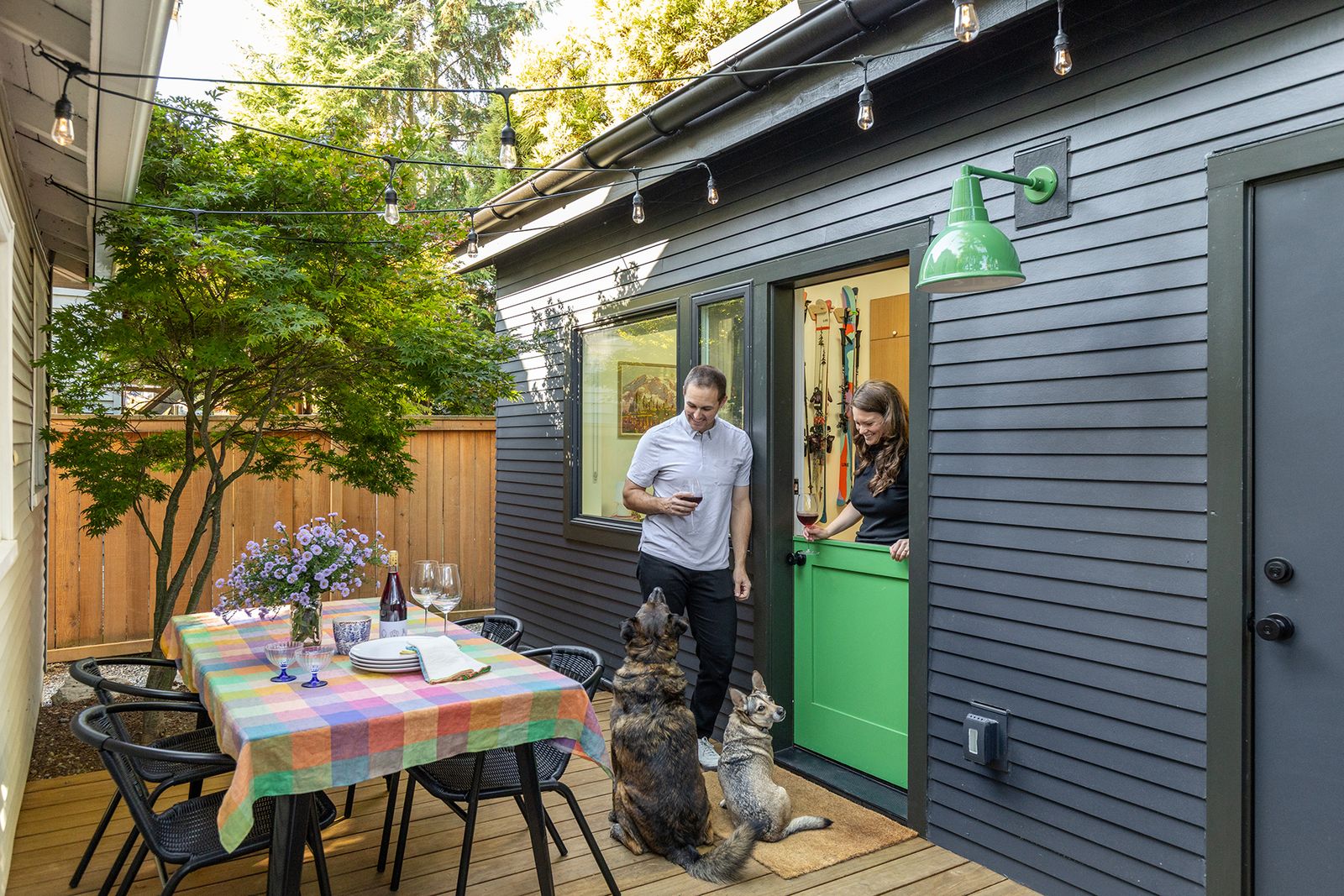
The Office of Ordinary Architecture (O.O.A.) has achieved a notable feat in compact living design, successfully integrating a dedicated office space, a guest room, a full bathroom, and ski storage into a remarkably efficient 180-square-foot studio. This innovative approach to maximizing minimal space reflects a growing global trend towards high-efficiency dwellings, driven by escalating urban density and changing lifestyle demands. This architectural ingenuity finds a compelling parallel in the strategic real estate acquisition made by Ciera Shaver and John Millick in West Seattle during the unique market conditions of 2020, showcasing how adaptability and foresight can navigate complex urban environments.
The Micro-Living Revolution: O.O.A.’s Vision for Compact Design
The design by Office of Ordinary Architecture stands as a testament to the potential of intelligent space planning and multi-functional furniture systems. In an era where housing affordability and urban sprawl are pressing concerns, firms like O.O.A. are at the forefront of demonstrating how quality of life need not be sacrificed for a smaller footprint. The integration of an office, guest room, bathroom, and ski storage within 180 square feet typically involves a combination of custom-built, transforming furniture; hidden storage solutions; and a meticulously planned layout that allows spaces to serve multiple purposes throughout the day. For instance, a bed might fold into the wall to reveal a desk, or a modular sofa could convert into a guest sleeping area. Verticality is often leveraged, with built-in shelving and lofted elements, while the bathroom is typically a compact, wet-room style design. The inclusion of ski storage further emphasizes a design philosophy catering to specific, active lifestyles, ensuring that even specialized equipment can be accommodated without cluttering the primary living area. This type of design addresses not only the immediate need for housing but also promotes a minimalist lifestyle, reducing consumption and potentially lowering environmental impact. According to recent data from the U.S. Census Bureau, the average size of new single-family homes has steadily decreased over the past decade, while the demand for smaller, more efficient urban units continues to rise, especially in densely populated metropolitan areas like Seattle, where the median price per square foot remains significantly higher than the national average. O.O.A.’s design is a direct response to these market forces, offering a blueprint for sustainable and functional urban dwellings.
West Seattle’s Unprecedented Market Shift in 2020
The decision by Ciera Shaver and John Millick to purchase a 1908 farmhouse on a bluff in West Seattle during the summer of 2020 unfolded amidst an extraordinary confluence of events that dramatically reshaped local real estate dynamics. The year 2020 was characterized globally by the onset of the COVID-19 pandemic, which triggered widespread lockdowns and a rapid transition to remote work for millions. In Seattle, a tech-heavy city, this shift was particularly pronounced, with major employers quickly moving their workforces to home-based operations. Simultaneously, West Seattle faced a unique local challenge: the unexpected closure of its primary arterial, the West Seattle Bridge.
The West Seattle Bridge Closure: A Localized Economic Shock
The West Seattle Bridge, a critical link connecting the peninsula to downtown Seattle, was closed to traffic on March 23, 2020, after severe cracks were discovered in its concrete structure. This closure, initially deemed indefinite, created an immediate and profound impact on the mobility of West Seattle residents. Commute times to downtown Seattle, which typically ranged from 15 to 30 minutes, ballooned to over an hour, and in some cases, significantly longer, as traffic was rerouted onto already congested alternative routes. Local businesses in West Seattle expressed immediate concerns about reduced foot traffic and accessibility for customers and employees. Property owners and real estate analysts initially braced for a potential downturn in West Seattle home values, fearing that the sudden isolation would make the area less desirable for those who relied on a direct commute. Indeed, early projections and sentiment indicated a likely softening of the market in the immediate aftermath of the closure.
The Rise of Remote Work and its Real Estate Implications
However, the rapid adoption of remote work fundamentally altered these projections. For individuals like Shaver and Millick, who were both working from home during the summer of 2020, the debilitating impact of the bridge closure on daily commutes was entirely neutralized. Their professional lives were unaffected by the increased travel times, removing a major barrier that would have otherwise deterred many potential buyers from considering West Seattle properties. This detachment from the traditional commute paradigm allowed them to evaluate real estate purely on the merits of the property, its community, and its long-term potential, rather than its immediate accessibility to the urban core.
A Strategic Advantage: Thinned Competition
The simultaneous occurrence of these two major events—the bridge closure and the widespread shift to remote work—created a rare market anomaly. While remote work mitigated the personal inconvenience for Shaver and Millick, the bridge closure still acted as a significant deterrent for a large segment of the traditional buyer pool. Many prospective homeowners, accustomed to daily commutes, either put their West Seattle home searches on hold or shifted their focus to other neighborhoods that offered easier access to employment centers. This resulted in a thinning of competition in the West Seattle real estate market, particularly for properties like the 1908 farmhouse. In a typically competitive market like Seattle, where bidding wars are common, reduced competition can translate into more favorable purchasing conditions, potentially allowing buyers to negotiate better terms or acquire properties that might otherwise have been unattainable. The "silver lining" for Shaver and Millick was precisely this—an opportunity to secure a desirable property in a sought-after neighborhood without facing the intense bidding often seen in Seattle’s booming housing market.
The Allure of a 1908 Farmhouse in West Seattle
The choice of a 1908 farmhouse by Shaver and Millick underscores another significant trend: the enduring appeal of historic homes and the charm of established neighborhoods. Older homes, especially farmhouses from the early 20th century, often boast unique architectural character, sturdy construction, and larger lot sizes compared to contemporary builds. They offer a sense of history and individuality that resonates with buyers seeking more than just modern amenities. These properties frequently come with mature landscaping, a deeper connection to the community’s past, and the potential for renovation to blend historic charm with modern functionality.
West Seattle, with its distinct community identity, scenic bluffs overlooking Puget Sound, and vibrant local business districts, has long been a desirable area. It offers a unique blend of urban accessibility (when the bridge is open) and a relaxed, almost suburban, feel. The appeal of a bluff location further suggests breathtaking views and a sense of tranquility, highly coveted attributes in a bustling metropolitan area. For buyers like Shaver and Millick, a 1908 farmhouse likely represented not just a dwelling, but a project—an opportunity to restore and personalize a piece of local history, embedding themselves within a well-established community. The investment in such a property during a period of market uncertainty speaks to a confidence in West Seattle’s long-term value and an appreciation for its intrinsic qualities beyond immediate logistical challenges.
Broader Implications and Future Outlook
The events surrounding the Office of Ordinary Architecture’s innovative design and the West Seattle real estate transaction provide valuable insights into the evolving landscape of urban living and property markets.
The Future of Housing and Urban Planning
The O.O.A.’s 180-square-foot studio is a harbinger of future housing solutions. As global populations continue to concentrate in urban centers, and as land and construction costs escalate, micro-housing and highly efficient, multi-functional designs will become increasingly prevalent. Urban planners and developers are increasingly exploring these models to address housing shortages and promote sustainable development. This trend is not merely about cramming more people into less space but about designing smarter, more livable, and adaptable units that cater to diverse needs and lifestyles, from remote workers to avid outdoor enthusiasts. Architectural innovation, therefore, becomes a critical tool in shaping resilient and equitable cities.
Resilience and Adaptability in Real Estate
The West Seattle scenario highlights the profound impact of infrastructure on local economies and real estate markets. While the bridge closure presented a significant challenge, the community’s resilience, coupled with the unforeseen influence of remote work, showcased how market dynamics can shift in unexpected ways. The West Seattle Bridge was eventually reopened in September 2022, after extensive repair work, restoring vital connectivity and demonstrating the city’s commitment to critical infrastructure. The initial market fears largely subsided, and West Seattle’s property values rebounded strongly, reflecting its underlying desirability. This incident serves as a case study for urban planners and policymakers on the need for robust infrastructure, contingency planning, and an understanding of how broader societal shifts (like remote work) can interact with local disruptions.
The Savvy Buyer in a Dynamic Market
The story of Shaver and Millick exemplifies the advantage of a discerning buyer who can identify opportunities amidst uncertainty. Their ability to leverage personal circumstances (remote work) against a widespread market deterrent (bridge closure) allowed them to make a strategic purchase. This adaptability and foresight are increasingly valuable traits in today’s dynamic real estate landscape, where traditional market indicators can be rapidly altered by technological advancements, global events, or local infrastructure challenges. Real estate professionals and economists frequently analyze such unique periods to understand how consumer behavior adapts and how localized factors can temporarily diverge from broader market trends.
In conclusion, the innovations by Office of Ordinary Architecture in maximizing minimal space, coupled with the strategic real estate acquisition in West Seattle, underscore a critical pivot in how individuals and communities approach living and property ownership in the 21st century. These instances reflect a broader narrative of adaptation, resilience, and intelligent design, shaping the future of urban environments and demonstrating that even in complex circumstances, opportunities for strategic growth and enhanced living experiences can be found. As of February 2026, these trends continue to influence urban development and real estate investment strategies across metropolitan areas.