 admin
admin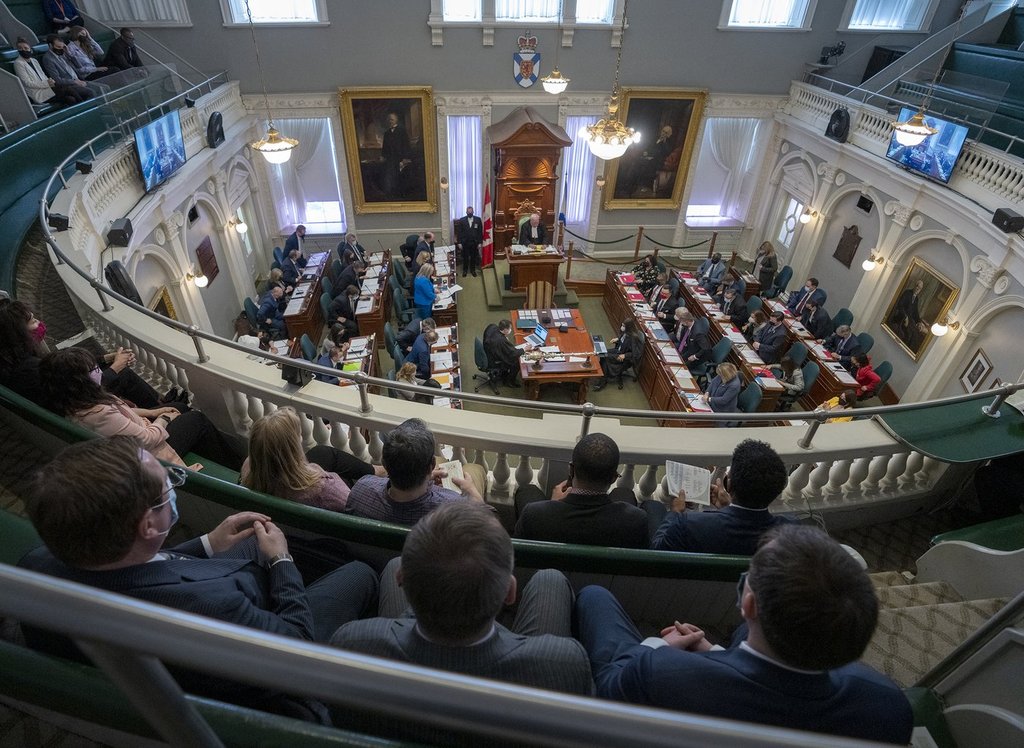
Nova Scotia’s Progressive Conservative government has unveiled a new provincial budget for the fiscal year 2026-2027 that includes extensive cuts totaling over $130 million in government grants, a move described by a prominent Nova Scotian book publisher as "soul-crushing" for an arts and culture sector already grappling with severe market instability. The cuts, detailed in the budget tabled this week in Halifax, target more than 280 programs across various departments, impacting areas from cultural initiatives and scholarship programs to Mi’kmaw and African Nova Scotian community development, and even vital mental health services established in the wake of the 2020 mass shooting.
The Publishers’ Plight: A Cultural Cornerstone Under Threat
At the forefront of the outcry is the elimination of the $700,000 Publishers Assistance Program, a critical lifeline that has historically helped local presses cover essential operational costs such as printing, design, author royalties, and marketing. Terrilee Bulger, co-owner of Halifax-based Nimbus Publishing, a cornerstone of Atlantic Canadian literature, articulated the profound despair within the industry. "These cuts are soul-crushing," Bulger stated emphatically, highlighting that the provincial government’s decision comes at a time when her company, and many others in the Canadian publishing landscape, have already experienced an estimated 80 percent decline in American sales. This drastic reduction, she explained, is primarily due to widespread library budget cuts in the United States and general market uncertainty that has made cross-border distribution increasingly precarious.
The Publishers Assistance Program, in operation for over two decades, has been instrumental in fostering Nova Scotia’s unique literary voice, supporting hundreds of authors, illustrators, and local storytellers. It enabled smaller, independent presses to compete with larger national and international entities, ensuring that Nova Scotian narratives—from historical accounts and Indigenous stories to contemporary fiction and children’s books—reached both local and global audiences. Its termination, according to Bulger, will inevitably lead to a significant reduction in the number of Nova Scotian books printed and published, threatening the economic viability of publishers and the livelihoods of authors and associated creative professionals.
The Broader Fiscal Landscape: A $1.2 Billion Deficit and Tough Choices
The Progressive Conservative government, led by Premier Timothy Houston, has defended the budget as a necessary measure to address a projected $1.2 billion deficit. This substantial shortfall, government officials contend, is a confluence of factors including lingering effects of pandemic-related spending, escalating healthcare costs, inflationary pressures impacting public services, and slower-than-anticipated economic growth. The Premier, in a press conference following the budget’s release, reiterated his administration’s commitment to fiscal prudence and long-term sustainability. "We were elected on a promise of fiscal responsibility, and difficult decisions must be made to ensure the financial health of our province for future generations," Premier Houston stated, acknowledging the pain these cuts would inflict but stressing their inevitability.

The $130 million in grant reductions represents a concerted effort to trim expenditures across the board. Beyond the publishing sector, the budget slashes funding for numerous scholarship programs that have supported students pursuing higher education, particularly those from marginalized communities or in specialized fields crucial to the provincial economy. Arts funding, previously distributed through various provincial cultural agencies and direct grants to organizations, also saw substantial reductions, leading to fears of closures for small galleries, theatre companies, and music venues that rely heavily on public support.
Impact on Vulnerable Communities and Critical Services
Perhaps most controversially, the budget also targets programs designed to support Mi’kmaw and African Nova Scotian communities. While specific details of these cuts remain to be fully itemized, initial reports indicate reductions in initiatives aimed at cultural preservation, language revitalization, community economic development, and educational equity. These programs, often the result of decades of advocacy and reconciliation efforts, are seen by many community leaders as essential investments in addressing historical injustices and fostering inclusive growth.
Chief Annie Johnson of the Sipekne’katik First Nation expressed profound disappointment. "These cuts are a step backward for reconciliation," she remarked. "For generations, our communities have fought for recognition and support. To see vital programs that uplift our people diminished feels like a betrayal of trust and a disregard for our unique cultural contributions." Similar sentiments echoed from leaders within the African Nova Scotian community, who highlighted the disproportionate impact of such cuts on historically underserved populations striving for equitable opportunities.
Further compounding the social impact are cuts to mental health programs tied directly to the tragic 2020 mass shooting that devastated communities across the province. These initiatives were established to provide long-term psychological support and trauma counselling for victims, first responders, and affected communities, recognizing the lasting scars of such an event. Advocates for mental health have condemned these reductions as short-sighted, arguing that underfunding such critical services will only exacerbate existing mental health crises and hinder long-term recovery efforts. Dr. Sarah Chen, a clinical psychologist involved in some of these programs, cautioned that "withdrawing support now, when many are still processing profound grief and trauma, is a dangerous gamble that could lead to devastating consequences for individuals and the community’s collective healing."
Chronology of Fiscal Challenges and Policy Responses
The current budgetary crisis did not emerge overnight. Nova Scotia, like many Canadian provinces, faced unprecedented fiscal pressures during the COVID-19 pandemic from 2020 to 2022, necessitating massive emergency spending on healthcare, social support, and economic relief packages. While the immediate health crisis subsided, the economic aftershocks persisted, including supply chain disruptions, elevated inflation rates, and a national labor shortage.

- March 2020 – March 2022: Peak pandemic spending, leading to significant provincial debt accumulation.
- Late 2022 – 2024: Post-pandemic economic recovery characterized by high inflation and rising interest rates, increasing the cost of servicing existing debt. The provincial government initiates reviews of public spending programs.
- Early 2025: Provincial economic forecasts reveal a worsening fiscal outlook, projecting a substantial deficit for the upcoming fiscal year. Pre-budget consultations begin, with hints of impending austerity measures.
- February 26, 2026: The Progressive Conservative government tables its budget for 2026-2027, outlining $1.2 billion deficit and $130 million in grant cuts. Immediate backlash from affected sectors and opposition parties.
The Progressive Conservative government, which came to power in 2021 on a platform emphasizing healthcare improvements and fiscal responsibility, has consistently signaled its intention to rein in spending. However, the depth and breadth of these cuts have surprised many, particularly those in sectors not typically viewed as major drivers of provincial expenditure but rather as vital components of social well-being and cultural identity.
Official Responses and Political Fallout
Opposition parties have swiftly condemned the budget, accusing the government of balancing its books on the backs of the most vulnerable and vital sectors. Liberal finance critic Eleanor Vance stated, "This budget demonstrates a profound misunderstanding of what truly builds a vibrant province. Cutting cultural programs, mental health support, and opportunities for our diverse communities is not fiscal responsibility; it’s short-sighted austerity that will have long-lasting, detrimental effects on the fabric of Nova Scotia."
NDP leader Sarah Singh echoed these sentiments, emphasizing the impact on Mi’kmaw and African Nova Scotian communities. "These are not just numbers on a spreadsheet; these are real people, real families, and real cultural heritage at risk. Reconciliation and equity should be investments, not line items to be cut when the going gets tough."
The government, however, maintains that it had no other viable options to tackle the deficit without compromising essential services like healthcare, which continues to be a top priority for Nova Scotians. Minister of Finance, Michael Thompson, explained that "every department was asked to identify efficiencies and prioritize core services. While we understand the disappointment, these decisions were made after careful consideration of the province’s financial realities and what is best for the overall long-term prosperity of Nova Scotia." He hinted at the possibility of exploring alternative funding models, including increased private sector partnerships or federal grants, for some affected programs, though no concrete plans were provided.
Broader Implications and the Future of Nova Scotian Culture
The ripple effects of these budget cuts are expected to be far-reaching. For the publishing industry, the loss of the Publishers Assistance Program could mean a significant contraction, leading to job losses among editors, designers, publicists, and administrative staff. It could also force many authors to seek opportunities outside the province or abandon their craft altogether, diminishing Nova Scotia’s contribution to Canadian literature. The decline in locally produced books could also impact tourism, as cultural products often serve as ambassadors for the province’s unique identity.

Beyond publishing, the overall reduction in arts and culture funding risks stifling creative expression and innovation. Small cultural organizations often operate on razor-thin margins, and even modest cuts can force closures, leading to a loss of community spaces, artistic venues, and educational programs that enrich the lives of Nova Scotians. The potential for a "brain drain" of artists and cultural workers to provinces with more robust support systems is a significant concern.
The cuts to Mi’kmaw and African Nova Scotian programs also carry profound social and political implications. At a time when Canada is grappling with the ongoing process of reconciliation and addressing systemic racism, reducing support for initiatives designed to uplift these communities could undermine trust and impede progress towards a more equitable society. Similarly, the reduction in mental health services, especially those linked to the trauma of the 2020 mass shooting, could have severe consequences for public health and community resilience, potentially leading to increased demand on already strained emergency services.
Economists and policy analysts offer mixed perspectives. While some acknowledge the necessity of fiscal restraint in the face of a large deficit, others question the strategic wisdom of cutting programs that, while not immediately revenue-generating, contribute significantly to social capital, community well-being, and the long-term attractiveness of the province as a place to live, work, and visit. Dr. Emily Carter, an economist specializing in regional development at Dalhousie University, noted, "While balancing the budget is crucial, cuts to cultural and social infrastructure can have an outsized negative impact on a province’s brand and quality of life, potentially deterring skilled workers and young families from choosing Nova Scotia."
As the budget moves through the legislative process, the debate is expected to intensify. Affected groups and opposition parties are mobilizing to urge the government to reconsider some of the more impactful cuts, particularly those touching on cultural heritage, reconciliation, and mental health. The coming months will reveal the true extent of these austerity measures and their enduring legacy on Nova Scotia’s vibrant, yet increasingly vulnerable, social and cultural landscape.