
 admin
admin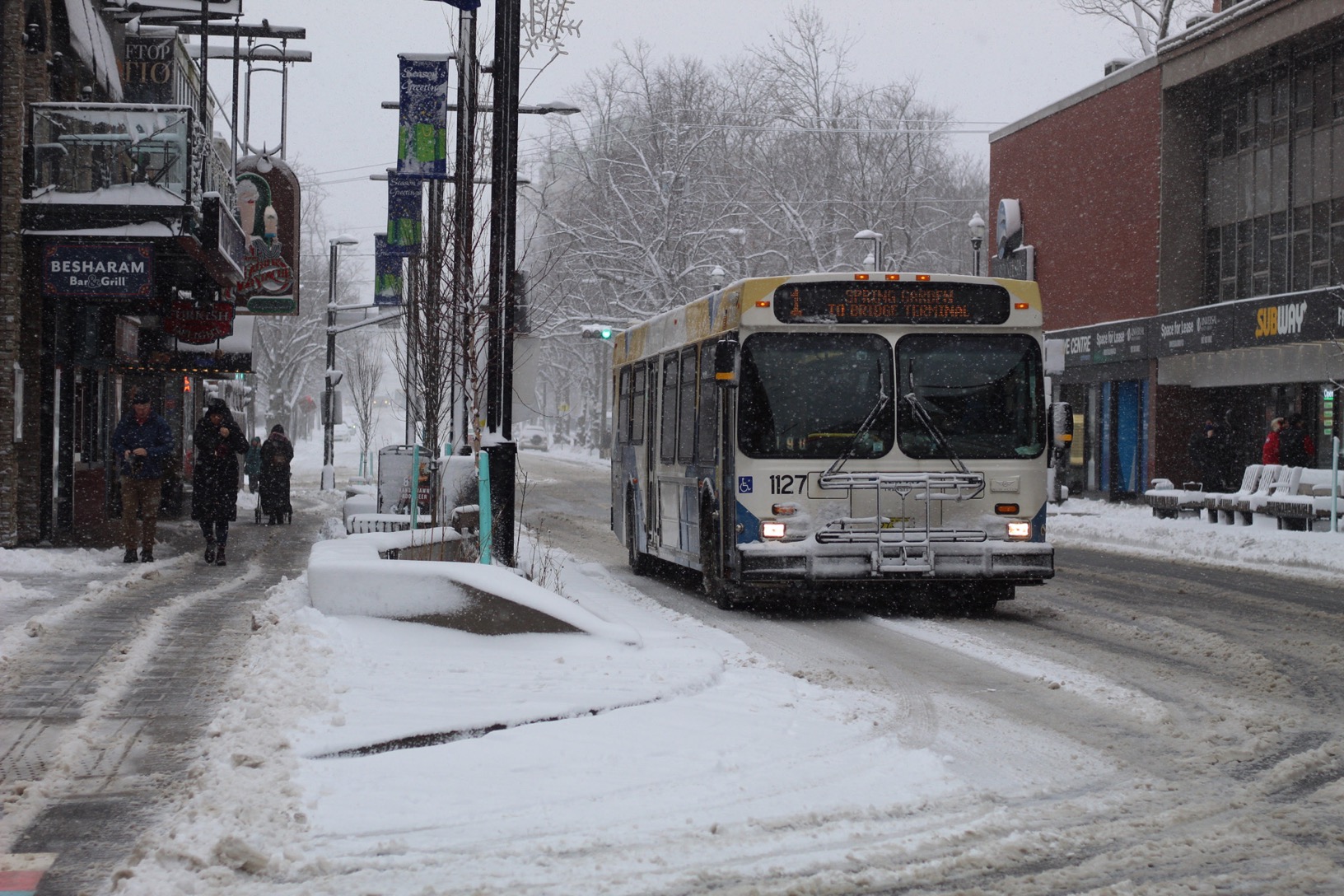
Halifax Regional Municipality (HRM) is grappling with a significant fiscal challenge following the Nova Scotia provincial government’s decision to eliminate its funding contribution to the popular student transit pass program. This move, announced as part of the province’s 2026-27 budget, directly impacts an estimated 30,000 junior high and high school students across the region, potentially stripping them of free access to Halifax Transit services. The provincial government, facing a projected $1.2 billion deficit, has justified the cut as part of broader efforts to achieve fiscal balance through substantial reductions in grants to various organizations, totalling $130.4 million. The sudden withdrawal of provincial support now places a $1.2 million financial burden squarely on the municipality, prompting urgent questions about the program’s future and the profound implications for youth mobility, family finances, and the city’s long-term transit goals.
The Genesis and Success of a Vital Program
The free student transit pass program was inaugurated in 2021, born out of a collaborative partnership between the Province of Nova Scotia and the Halifax Regional Municipality. Its primary objective was multi-faceted: to enhance youth independence, improve access to educational and extracurricular opportunities, and foster a culture of public transit ridership among the younger generation. By providing students in Grades 7 through 12 with a no-cost pass, the initiative aimed to alleviate transportation barriers, reduce reliance on private vehicles, and contribute to environmental sustainability. The program represented a proactive investment in both social equity and urban planning, recognizing that early access to public transit could shape lifelong habits and reduce future traffic congestion.
Since its inception, the program has been widely lauded as a success. It quickly became an integral part of daily life for tens of thousands of students, enabling them to travel to school, part-time jobs, sporting events, and social gatherings without incurring personal or family transportation costs. This accessibility proved particularly beneficial for students from lower-income households, for whom the cost of a monthly pass could be a significant barrier. Beyond the immediate practical benefits, municipal officials and advocates emphasized its role in building confidence and self-reliance among young people. Councillor Kathryn Morse, representing District 10, articulated this sentiment, stating, "It was really important for students to have this for their independence and confidence and that sort of thing, as well as reducing the vehicles on the road and building transit ridership — sort of a culture of transit ridership for the future." Data from Halifax Transit, though not fully disclosed in public statements, indicated a significant uptake in youth ridership, contributing to overall transit system utilization and validating the program’s design. Its abrupt defunding has thus been met with considerable disappointment and concern from stakeholders across the region.
Nova Scotia’s Fiscal Realities: The 2026-27 Budget
The provincial government’s decision to cease funding for the student transit pass program is presented within the broader context of Nova Scotia’s 2026-27 budget, which was tabled on a recent Monday. This budget revealed a substantial projected deficit of $1.2 billion, signaling a challenging fiscal period for the province. Premier Tim Houston underscored the necessity of "difficult decisions" to bring the province’s finances into a more sustainable position. The government’s strategy includes a significant reduction of $130.4 million in grants to various organizations, a measure intended to streamline expenditures and reallocate resources towards what it deems essential services.

The $1.2 million annual provincial contribution to the student transit pass program was identified as one of the targets for these reductions. While this figure represents a fraction of the province’s overall budget, its removal creates a critical funding gap for a service that has become fundamental for a large segment of Halifax’s youth population. The province’s fiscal challenges are not unique, with many Canadian jurisdictions facing economic headwinds such as persistent inflation, rising interest rates, and increasing demands for public services, particularly in healthcare and social support. However, the choice of which programs to cut inevitably sparks intense debate about governmental priorities and the real-world consequences for communities and their most vulnerable members. The effective date for these cuts aligns with the 2026-27 fiscal year, giving the municipality a window to plan but also creating immediate uncertainty.
Halifax’s Unforeseen Budgetary Predicament
The provincial announcement has thrust Halifax Regional Municipality into an unexpected and unenviable budgetary predicament. Mayor Andy Fillmore expressed immediate concern regarding the financial implications, noting, "We need to hear from Halifax Transit what the impact would be, but right now it’s looking like a $1.2-million add to our budget. I don’t see how we can afford that." This sentiment underscores the significant challenge facing the municipality, which has itself been engaged in a protracted and complex budget deliberation process, grappling with its own set of financial constraints and competing demands.
For Halifax, integrating an unanticipated $1.2 million expense into an already tight budget year presents a formidable hurdle. Municipal budgets are often meticulously planned months in advance, with little room for sudden, substantial additions without impacting existing services or requiring new revenue streams. The prospect of absorbing this cost raises several difficult questions for the municipal council:
- Funding Reallocation: From where would the $1.2 million be sourced? Would it necessitate cuts to other municipal services, such as recreation programs, library services, or infrastructure maintenance?
- Tax Implications: Could the additional expenditure lead to an increase in property taxes, placing a greater burden on Halifax residents?
- Strategic Planning: How would this impact Halifax Transit’s long-term planning, particularly its goals for ridership growth and sustainability?
Councillor Morse, while acknowledging the financial difficulty, also expressed a strong desire to preserve the program: "We may look at taking this over. It’s an additional $1.2 million that we weren’t counting on this year. So it will make a real dent. But it’s been such a success, we kind of hate to see it put off." This statement highlights the internal conflict within the municipality: the recognition of the program’s immense value and community benefit versus the stark reality of fiscal constraints and the search for viable solutions.
The Political Arena: Debate and Justification
The decision to cut funding for the student transit passes quickly became a focal point of political debate within the provincial legislature, particularly during question period on Wednesday following the budget tabling. Interim Liberal leader Iain Rankin voiced the anxieties of many Nova Scotians, linking the transit pass cut to broader concerns about the overall impact of the budget on vulnerable populations. "We’re already hearing from Nova Scotians who are anxious. Parents who rely on student bus passes to get their children to school, volunteers who run food security programs that just learned that its funding is gone," Rankin stated, broadening the critique beyond just transit to the overall effect of provincial grant reductions on community services. This suggests a perception that the cuts, while framed as administrative efficiencies, are in fact affecting direct community support.

Premier Tim Houston, however, remained steadfast in his defense of the budget and the rationale behind the reductions. He reiterated the government’s commitment to prioritizing essential front-line services. "We’re trying to focus the efficiencies, the cuts, the change, whatever you want to call them, on administration and management to protect front-line services, to protect health care, to protect education, to protect housing," the Premier asserted. This stance suggests a clear distinction in the government’s view between what it considers administrative costs and direct service delivery, even though critics argue that a program facilitating student access to education and community resources is a form of front-line service delivery, directly supporting educational attainment and social well-being.
The debate underscores the inherent tension in provincial budgeting, particularly during periods of fiscal constraint. Governments are tasked with balancing competing demands, often leading to difficult choices that impact specific segments of the population. The political discourse highlights differing philosophies on what constitutes an essential service and where the burden of fiscal responsibility should ultimately lie.
Far-Reaching Implications for Students, Families, and Urban Development
The potential cessation of the free student transit pass program carries significant ramifications for the 30,000 students and their families across HRM, as well as broader societal impacts:
Financial Strain on Families
For many families, particularly those with multiple children or lower incomes, the cost of monthly transit passes can be a substantial financial strain. A standard adult monthly pass from Halifax Transit currently costs around $82.50, and while student rates are lower, these costs accumulate quickly for families. Without the free pass, parents may face increased expenses, potentially forcing difficult budgetary choices or limiting children’s participation in extracurricular activities, part-time jobs, or volunteer work. This can disproportionately affect families already struggling with the rising cost of living.
Reduced Independence and Accessibility
The program empowered students with the freedom to navigate their city independently, fostering self-reliance and confidence. Losing this access could restrict their ability to attend extracurricular activities, part-time jobs, volunteer opportunities, and social engagements, potentially leading to increased isolation or reduced personal development. Access to employment opportunities for older students, vital for gaining experience and contributing to household income, could also be severely hampered.

Impact on Educational Equity
Students from disadvantaged backgrounds often rely heavily on public transit for consistent school attendance and access to educational resources outside the classroom, such as libraries or tutoring centers. The removal of free passes could create additional barriers to education, impacting attendance rates and academic performance, thereby potentially widening existing educational disparities within the region. Schools may also face increased logistical challenges for student participation in off-campus activities.
Environmental Repercussions
One of the program’s implicit goals was to encourage sustainable transportation habits and reduce the carbon footprint associated with daily commutes. A return to parental reliance on private vehicles for student transport could lead to increased traffic congestion, particularly during peak school hours, and higher carbon emissions, directly counteracting broader environmental objectives and the city’s climate action plans. This would represent a step backward in promoting eco-friendly modes of transport.
Long-Term Transit Ridership and Urban Planning
Introducing youth to public transit early on helps embed a "transit culture" that can translate into lifelong ridership. Discontinuing the program risks losing a generation of potential transit users who might otherwise become regular patrons. This could impact Halifax Transit’s future revenue streams, its ability to achieve sustainable growth, and the city’s long-term goals for reducing reliance on private automobiles as part of its urban planning strategy. It undermines efforts to build a public transit-oriented city.
The Path Forward: Municipal Options and Lingering Uncertainties
As the 2026-27 budget cycle approaches, Halifax Regional Municipality faces a critical decision point. The primary options appear to be:
- Absorbing the Full Cost: The municipality could choose to fully fund the $1.2 million provincial share, thus preserving the program in its current form. This would necessitate reallocating funds from other municipal priorities, potentially leading to cuts elsewhere or a modest increase in property taxes. This option, while favored by some councillors given the program’s demonstrated success and community benefits, is acknowledged as a "real dent" in the municipal budget.
- Modifying the Program: The municipality could attempt to modify the program, perhaps by introducing a subsidized pass system, limiting eligibility based on income, or charging a reduced fee. While this would soften the financial blow for the city, it would introduce a cost for students and families, potentially undermining the program’s original goals of universal access and equity. This approach would require careful consideration of administrative overhead and potential public backlash.
- Discontinuing the Program: The most drastic option would be to let the program lapse, effectively ending free transit for 30,000 students. This would alleviate the immediate financial pressure on the municipal budget but would likely trigger significant public backlash and have the negative consequences outlined above for students, families, and the environment. This option would also contradict the city’s stated goals for youth development and sustainable transportation.
The coming months will be crucial as Halifax Transit assesses the full operational and financial impact of the provincial cut and engages in intensive discussions with the municipal council. The decision will undoubtedly weigh the program’s demonstrated benefits against the stark realities of fiscal responsibility and the broader economic climate. The outcome will not only determine the future of student mobility in HRM but also serve as a barometer for inter-governmental cooperation and the prioritization of youth-centric services in an era of fiscal austerity. The success of the program since 2021 makes its potential termination a particularly poignant issue for the Halifax community, highlighting the ongoing tension between essential social programs and the necessity of balancing public finances. The eyes of 30,000 students and their families, along with broader community advocates, will be closely watching how the municipality navigates this challenging landscape.