 admin
admin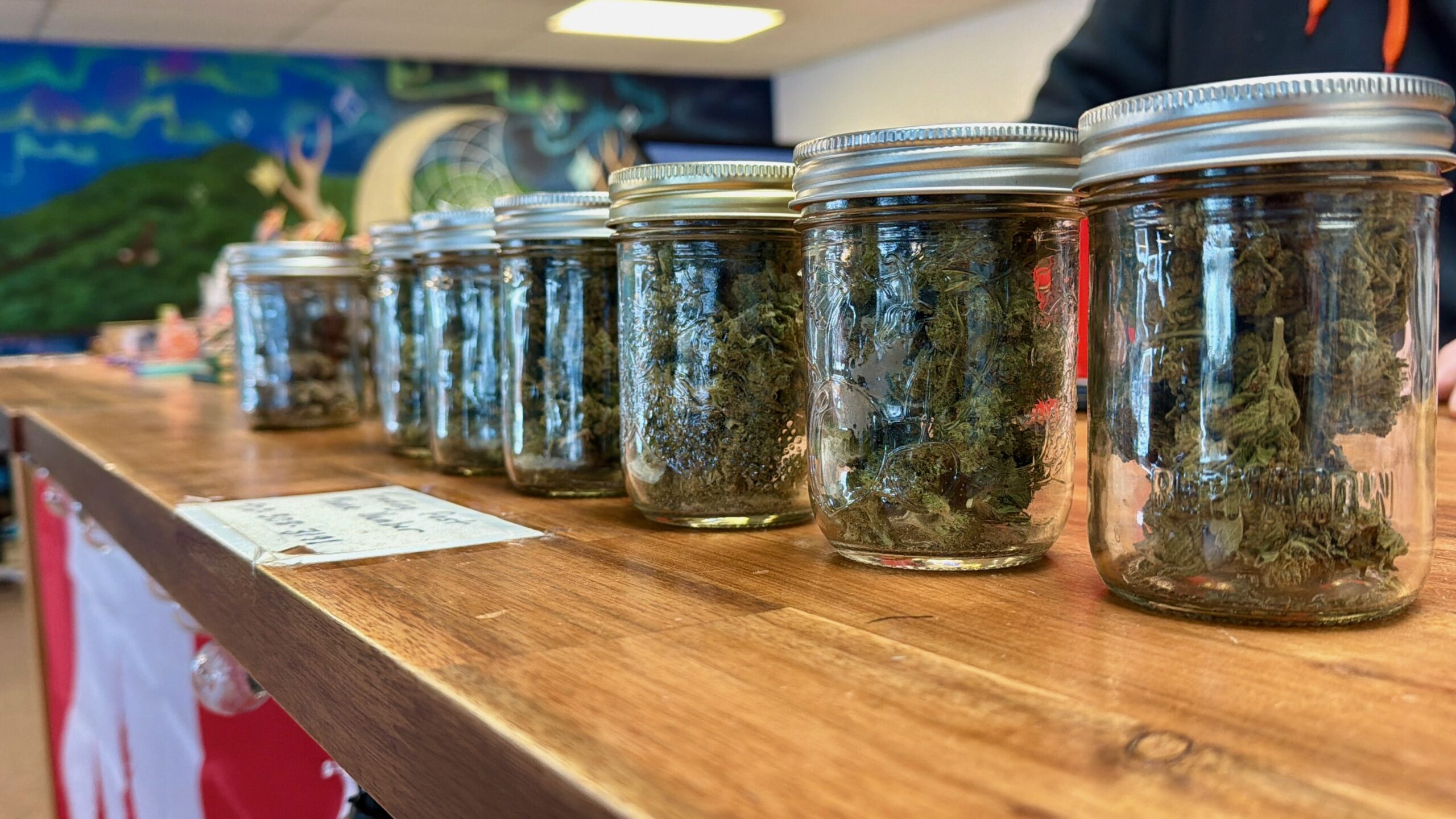
Nova Scotia’s landscape of cannabis regulation was once again at the forefront of public discourse this week, following a series of enforcement actions by the Royal Canadian Mounted Police (RCMP). On Tuesday, authorities confirmed the seizure of illegal cannabis products from five storefronts across the province. Four of these establishments were located within Mi’kmaq First Nations communities – Eskasoni, Potlotek, Paqtnkek, and We’koqma’q – while a fifth operation was targeted in Digby. These raids represent a significant escalation in the provincial government’s ongoing efforts to curb the sale of unregulated cannabis, a campaign that has increasingly brought it into direct conflict with Indigenous assertions of economic sovereignty and treaty rights.
The RCMP’s operations involved inspecting what they officially termed "illegal cannabis storefronts." During these inspections, officers issued summary offence tickets, a category of minor criminal offence, and confiscated various cannabis products. In a public statement, the RCMP reiterated their rationale for such actions, emphasizing public safety. "Products from illegal storefronts are unregulated and may pose health risks," the force stated in a release, adding, "The RCMP continues to enforce cannabis laws with a focus on public safety." This perspective underscores the provincial government’s consistent stance: that unregulated cannabis, regardless of its origin, presents a public health hazard and undermines the provincially sanctioned legal market.
The Context of Cannabis Legalization in Canada and Nova Scotia
To fully understand the current tensions, it is essential to revisit the broader framework of cannabis legalization in Canada. In October 2018, the federal government enacted the Cannabis Act, making Canada the first G7 nation to legalize recreational cannabis nationwide. The Act’s primary objectives were multifaceted: to protect public health and safety by restricting youth access and preventing impaired driving, to deter criminal activity by disrupting the illegal market, and to allow adults to access legal, regulated cannabis.
While the federal government established the overarching legal framework, it delegated significant authority to provinces and territories to determine how cannabis would be distributed and sold within their borders. This provincial autonomy led to a patchwork of regulatory models across the country. Some provinces, like Alberta, embraced a model allowing numerous private retailers, while others, such as Nova Scotia, opted for a stricter, government-controlled monopoly.

In Nova Scotia, the Cannabis Control Act designates the Nova Scotia Liquor Corporation (NSLC) as the exclusive legal retailer of recreational cannabis. Under this legislation, all sales of cannabis products must go through NSLC-licensed stores or their online portal. Any sale or distribution outside this provincial monopoly is deemed illegal. This tightly controlled model aims to ensure product quality, age verification, and responsible consumption, aligning with the province’s focus on public health and safety. However, it also creates a direct economic friction point with any independent operators, particularly those within Indigenous communities who assert a right to participate in the cannabis economy outside of provincial jurisdiction.
A Chronology of Escalating Tensions
The recent RCMP raids are not isolated incidents but rather the latest development in a deepening dispute between the Nova Scotia government and several Mi’kmaq First Nations. The timeline of this conflict highlights a clear trajectory towards intensified enforcement:
- October 2018: Federal Cannabis Act comes into force, legalizing recreational cannabis across Canada. Nova Scotia establishes the NSLC as its sole legal retailer.
- Late 2023 (December): The Nova Scotia government, under Premier Tim Houston, signaled a significant shift in its approach to illegal cannabis operations. Justice Minister Scott Armstrong issued a directive to police forces across the province, urging them to "intensify enforcement" efforts against all illegal cannabis operations, including those on First Nation territories. Concurrently, Minister Armstrong sent a letter to the 13 Mi’kmaq chiefs in Nova Scotia, seeking their "co-operation" in addressing the issue of unregulated dispensaries within their communities.
- Early 2024: Mi’kmaq chiefs publicly expressed disappointment and strong criticism regarding the provincial directive and letter. They argued that the government’s approach undermined established government-to-government relations and failed to acknowledge inherent Indigenous rights and jurisdiction. Many chiefs viewed the move as an attempt to assert provincial authority over Indigenous lands without proper consultation or recognition of treaty obligations.
- Last Week (prior to the raids): Justice Minister Scott Armstrong tabled a new bill in the provincial legislature aimed at "strengthening" the Cannabis Control Act. This proposed legislation includes provisions for increased fines for illegal cannabis operations and expands the enforcement authority of provincial officials. The timing of this legislative push, just before the recent raids, suggests a coordinated strategy by the province to bolster its legal framework for enforcement.
- This Week (Tuesday): The RCMP conducted the announced raids on five storefronts, four within Mi’kmaq communities and one in Digby, leading to seizures and summary offence tickets.
Indigenous Assertions of Rights and Self-Governance
The provincial crackdown has been met with significant resistance and condemnation from Indigenous leaders and community members, who frame the issue not merely as one of illegal sales, but as a fundamental matter of Aboriginal and treaty rights, self-determination, and economic independence.
The news of the seizures spread rapidly, reaching a protest that was simultaneously unfolding outside Province House in Halifax. Hundreds had gathered to voice grievances against various government policies, including cuts to cultural programs and resource extraction policies. The cannabis raids quickly became a potent symbol of broader concerns regarding the province’s respect for Indigenous rights.

Melanie Peter-Paul, a prominent land defender and member of the Sipekne’katik First Nation, addressed the crowd, directly linking the cannabis issue to alleged governmental disrespect. "[Premier Tim Houston’s] defamation of the Mi’kmaq regarding cannabis and the raids he’s doing right now speaks volumes. His lack of honouring and hindrance of treaties, that speaks volumes," Peter-Paul asserted. Her words highlight a deep-seated belief within Indigenous communities that the provincial government is deliberately undermining their inherent rights and the spirit of historical treaties.
Following the most recent seizures, Sipekne’katik First Nation Chief Michelle Glasgow announced the implementation of new checkpoints at the entrances and exits of her community. In a video posted on Facebook, Chief Glasgow stated, "We’re going to have checkpoints at our entrance and at our exits. You know, if you’re up here visiting family or you live here, come on up. If you’re not trying to do us any harm, you’re welcome in our community, but for those who want to do us harm, by force, in our community? You’re not welcome here." This declaration signifies a clear intent to assert community jurisdiction and control over who enters their territory, particularly in response to perceived external threats to their autonomy and economic activities.
Membertou First Nation Chief Terry Paul issued a strong statement, articulating a widely held Indigenous perspective: that Indigenous operators possess an inherent right to cultivate and sell cannabis on their unceded lands. He passionately urged the province to engage in collaborative efforts with First Nations to regulate the sector, arguing that the enforcement raids are not only unnecessary but also predicated on the province’s dissemination of "false information about Indigenous rights." Chief Paul’s call for collaboration emphasizes a desire for a mutually respectful path forward, rather than one defined by confrontation and unilateral provincial action.
The concept of "unceded lands" is central to this debate. In much of Nova Scotia, Mi’kmaq territory was never formally ceded to the Crown through treaties, meaning Indigenous title to the land was never extinguished. From this perspective, First Nations assert inherent jurisdiction and governance over economic activities on these lands, including the cannabis trade. They often invoke the spirit and intent of historical Peace and Friendship Treaties, which affirmed rights to pursue traditional livelihoods and engage in trade, even if these treaties predated modern commercial activities like cannabis.
Broader Implications and the Path Forward
The ongoing dispute in Nova Scotia has far-reaching implications, touching upon economic development, intergovernmental relations, and the broader project of reconciliation in Canada.

From an economic perspective, the cannabis industry represents a significant opportunity for economic self-sufficiency for First Nations. Many communities view cannabis cultivation and sales as a means to create jobs, generate revenue, and reduce reliance on federal funding. The provincial monopoly, while designed to regulate a new industry, is seen by some as stifling these Indigenous economic aspirations and denying First Nations their rightful share of a burgeoning market. A truly collaborative approach could explore models for Indigenous-owned and operated dispensaries that adhere to high standards of safety and quality, potentially creating a parallel regulated market that benefits both Indigenous communities and the provincial economy.
The raids and subsequent reactions also have a profound impact on government-to-government relations. The Mi’kmaq chiefs’ criticism that the provincial directive "undermines relations with Indigenous Peoples" is a serious concern. Meaningful reconciliation requires respect for Indigenous jurisdiction, consultation, and the negotiation of mutually beneficial agreements. Unilateral enforcement actions, particularly on unceded lands, can erode trust and set back years of efforts to build respectful partnerships. The province’s approach risks deepening divisions rather than fostering collaboration.
Legally, the situation could lead to further challenges regarding jurisdictional boundaries. While the federal Cannabis Act provides for provincial regulation, the extent to which this regulation can override inherent Aboriginal and treaty rights on First Nation territories remains a complex legal question. Cases related to tobacco sales and resource extraction have previously highlighted the tension between provincial laws and Indigenous rights, sometimes leading to lengthy court battles. The cannabis dispute could potentially follow a similar trajectory, creating legal uncertainty and further entrenching positions.
Ultimately, the conflict highlights a fundamental tension between the province’s goal of maintaining a singular, regulated cannabis market for public safety and revenue generation, and the Mi’kmaq First Nations’ assertions of self-determination and economic sovereignty on their unceded lands. The call from Membertou Chief Terry Paul for the province to "work with First Nations to regulate the sector" offers a potential pathway forward. Such collaboration would require the province to move beyond a purely enforcement-focused approach and engage in genuine dialogue, recognizing and accommodating Indigenous rights within the broader regulatory framework. Without such engagement, the cycle of enforcement, resistance, and legal contention is likely to continue, impeding reconciliation and leaving complex questions of jurisdiction and economic justice unresolved in Nova Scotia. The coming weeks and months will reveal whether the province and First Nations can bridge their differences to forge a mutually acceptable path for the cannabis industry.