 admin
admin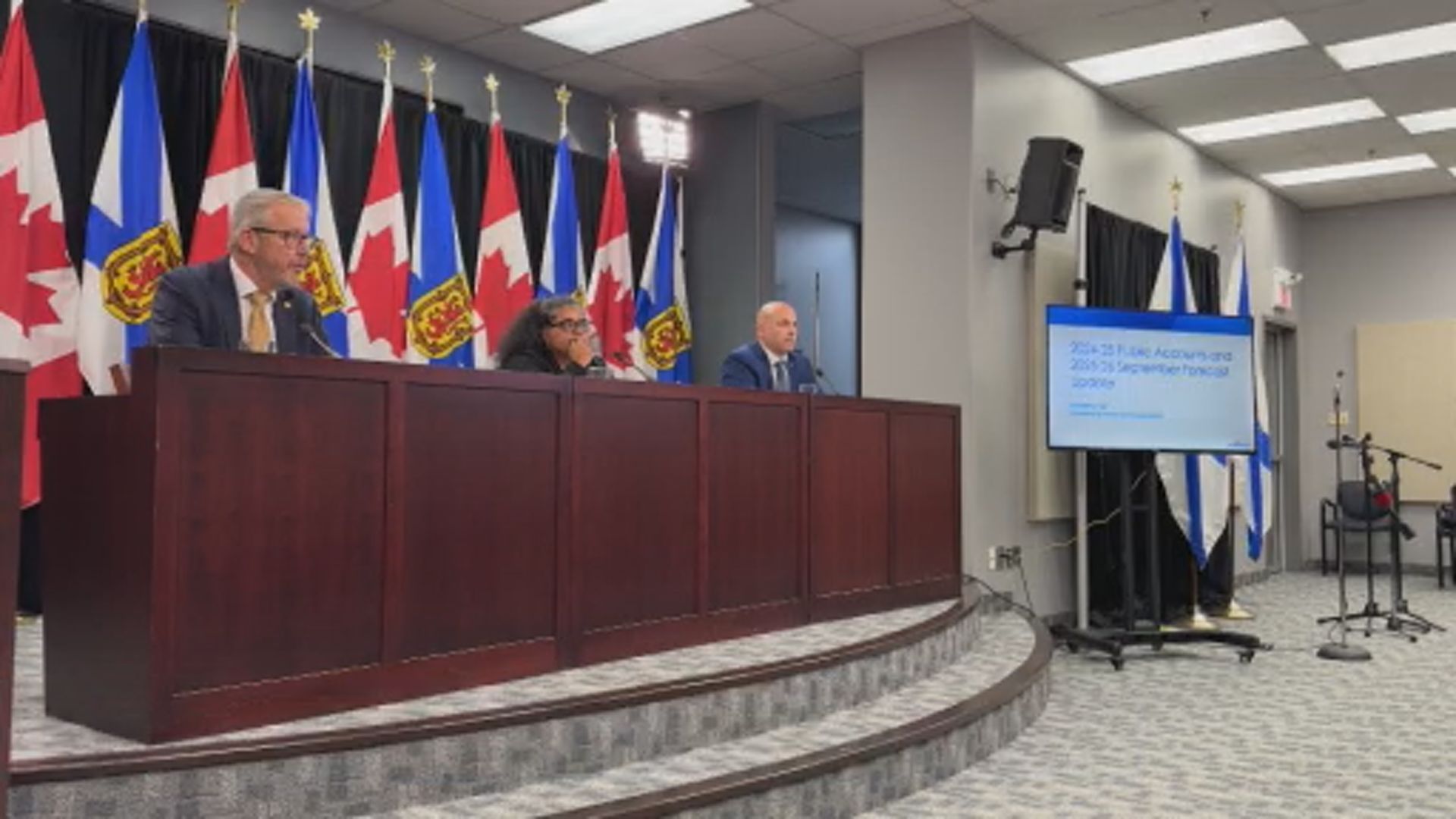
Halifax, Nova Scotia – Nova Scotia’s Progressive Conservative government is facing intense criticism over an escalating provincial deficit, now projected at an "historic" $1.4 billion, which has led to the province’s first credit rating downgrade since 1993. The official Opposition leader, Claudia Chender of the New Democratic Party, has directly attributed a significant portion of this fiscal deterioration to government spending that she alleges was not authorized through proper legislative channels, raising serious questions about transparency and accountability.
The fiscal picture for Nova Scotia has dramatically shifted under the current administration. Chender, speaking on Friday, highlighted that the Progressive Conservatives inherited a provincial surplus when they came to power. "Now, for the first time in 30 years, the PC government has driven us to an historic deficit which has resulted in the first credit rating downgrade since 1993," Chender stated, underscoring the severity of the financial downturn. This reversal of fortunes has become a central point of contention as the province prepares for its next budget cycle.
The Alarming Fiscal Turnaround and Credit Rating Impact
Earlier this month, the global credit rating agency S&P Global delivered a significant blow to Nova Scotia’s financial standing, lowering its long-term and senior unsecured debt ratings on the province from double-A-minus (AA-) to A-plus (A+). This downgrade signals increased risk for investors lending to the province, potentially leading to higher borrowing costs for future projects and services. S&P Global’s rationale for the downgrade explicitly cited the prediction of sustained deficits over the next two fiscal years, which would inevitably increase the province’s need to borrow money to cover its expenditures.
A credit rating is essentially an assessment of a borrower’s ability to meet its financial obligations. For a provincial government, a downgrade can have tangible impacts, including making it more expensive to finance infrastructure projects, healthcare initiatives, or other public services, as lenders demand a higher interest rate to compensate for perceived increased risk. This development is particularly concerning given the province’s stated priorities in areas requiring substantial capital investment, such as healthcare infrastructure and housing. The last time Nova Scotia experienced such a downgrade was three decades ago, highlighting the unprecedented nature of the current fiscal challenge.
Auditor General’s Scrutiny: Billions in Unbudgeted Spending
A core component of the Opposition’s critique stems from repeated findings by Nova Scotia’s Auditor General, which indicate a pattern of significant spending outside the regular budgetary process. Chender described this as "irresponsible," pointing out that the Progressive Conservative government has allegedly spent approximately a billion dollars annually that was not explicitly included in the province’s annual budgets.

The Auditor General’s reports provide a more granular view of these claims. Since the 2020-21 fiscal year, Premier Tim Houston’s government has reportedly spent an astonishing $6.7 billion outside the budget process. This includes a substantial $1.6 billion allocated for the upcoming 2024-25 fiscal year. Spending outside the budget process typically means funds are allocated through supplementary estimates, special warrants, or other mechanisms that bypass the full scrutiny and debate of the provincial legislature that accompanies the main budget bill. While such mechanisms exist for emergencies or unforeseen circumstances, the consistent and large-scale use of these avenues raises questions about fiscal planning, transparency, and legislative oversight.
Chender further elaborated on the implications of this approach: "We have seen a number of untendered contracts and a number of (financial) decisions made seemingly behind closed doors, with less and less transparency when it comes to how spending is done." Untendered contracts, awarded without a competitive bidding process, can lead to concerns about value for money, fairness, and potential for favouritism, further eroding public trust in government procurement practices.
Opposition’s Call for Accountability and Prioritization
The Opposition leader’s concerns extend beyond just the numbers; they touch upon the fundamental principles of democratic governance and fiscal accountability. Chender stressed the importance of transparency in how public funds are managed, especially when the province is facing such significant financial pressures. She argued that the lack of clear oversight on billions of dollars in spending undermines the legislature’s role in approving and monitoring government expenditures.
As the province anticipates the release of its new budget during the legislative sitting commencing February 23, Chender has laid out clear expectations. She insists that the government has an obligation to Nova Scotians to use this budget to address critical unmet needs, specifically citing access to health care and making housing and heating more affordable. "This budget has to deliver the results that Nova Scotians have been promised. Heat, health care and housing are not luxuries," Chender asserted, framing these as essential services that should be prioritized over discretionary spending.
While Chender stopped short of directly identifying specific programs or services the province should cut to save money, she suggested a critical review of government expenditures. "I think we can ask questions about what are the nice-to-haves and what are the need-to-haves," she stated. She then offered an example of what she considers non-essential spending: "This government is spending a lot of money on videos and glossy brochures to convince Nova Scotians of something that doesn’t actually impact their lives or improve our budget." This pointed criticism implies a perceived misallocation of resources towards promotional activities rather than core public services.
Government’s Defence: Global Headwinds and Essential Investments
In response to the mounting criticism, Finance Minister John Lohr acknowledged the province’s "large deficit" after a cabinet meeting on Thursday. He attributed the recent credit downgrading largely to external factors, specifically pointing to how "global economic pressure over the past year has impacted the provincial economy."

Lohr emphasized that Nova Scotia’s situation is not unique, suggesting that similar economic headwinds are likely affecting other Canadian provinces. "I think that this would probably apply to other Canadian provinces as well, that global economic downturn, global economic stress in the last year is having a negative impact," he explained. This perspective aims to contextualize Nova Scotia’s fiscal challenges within a broader, more complex global economic landscape characterized by high inflation, rising interest rates, and supply chain disruptions following the COVID-19 pandemic and geopolitical events.
Despite the deficit, Lohr defended the government’s spending, stating that the province has continued to invest "record amounts" in critical areas such as health care, housing, and affordability measures. He framed these investments as addressing long-standing issues. "We’re addressing what I would call deferred maintenance, which just wasn’t done in those areas," he said. This suggests the government views its spending not as excessive, but as necessary to rectify previous underinvestment in key public services, thereby improving the long-term well-being and infrastructure of the province.
The minister remained tight-lipped regarding the specific contents of the upcoming budget, maintaining the customary pre-budget secrecy. However, his comments indicate a strategy of balancing the acknowledgment of fiscal challenges with a defence of current spending as essential for rectifying historical deficiencies and responding to contemporary needs.
Historical Context of Nova Scotia’s Finances
Nova Scotia has a history of fluctuating fiscal health, often grappling with the challenges inherent to a smaller provincial economy. While the province has seen periods of surplus, it has also faced significant debt burdens and economic downturns. The last credit rating downgrade in 1993 occurred during a period of economic uncertainty and fiscal constraint across Canada. The current situation marks a return to a fiscal environment not seen in decades, raising concerns about the province’s long-term financial sustainability. Understanding this historical context helps to underscore the gravity of the current downgrade and the challenge it poses for policymakers.
The province’s reliance on federal transfers, its aging population, and its economic drivers, including natural resources, tourism, and a growing technology sector, all play a role in its fiscal stability. The current global economic climate, characterized by high inflation and interest rates, disproportionately impacts provinces with higher debt levels and significant capital expenditure plans.
The Upcoming Budget: A Crucial Juncture
The tabling of the new provincial budget on February 23 will be a pivotal moment for the Houston government. It will not only detail the province’s spending priorities for the coming year but also outline the government’s strategy for addressing the substantial deficit and regaining fiscal stability. All eyes will be on how the government plans to balance its commitment to "record investments" in critical sectors with the need to rein in spending and respond to the S&P Global downgrade.

The budget is expected to provide more clarity on how the province intends to manage its debt, whether through revenue generation, spending cuts, or a combination of both. It will also reveal the extent to which the government has heeded the Auditor General’s recommendations regarding transparency and adherence to budgetary processes. The Opposition, led by Chender, will undoubtedly scrutinize every line item, pushing for greater accountability and a focus on what they term "need-to-have" services.
Economic and Political Implications
The implications of Nova Scotia’s rising deficit and credit downgrade are far-reaching. Economically, higher borrowing costs will strain provincial finances, potentially diverting funds from public services to debt servicing. It could also signal caution to potential investors, affecting economic development and job creation. While Minister Lohr points to global pressures, the specific concerns raised by the Auditor General about unbudgeted spending add a layer of domestic accountability to the narrative, suggesting that internal fiscal management practices also contribute to the current predicament.
Politically, the deficit and downgrade are significant liabilities for the Progressive Conservative government, particularly as they approach the next provincial election. The Opposition will likely continue to use these issues to challenge the government’s economic competence and transparency. The government, in turn, will need to articulate a clear and convincing path to fiscal recovery, demonstrating how its investments are both necessary and sustainable, even in the face of global economic uncertainty.
The debate over Nova Scotia’s finances underscores a fundamental tension in governance: the balance between addressing immediate public needs through spending and maintaining long-term fiscal prudence. The upcoming budget will serve as a critical document, not only outlining financial plans but also reflecting the government’s strategic response to these complex economic and political challenges facing the province.