 admin
admin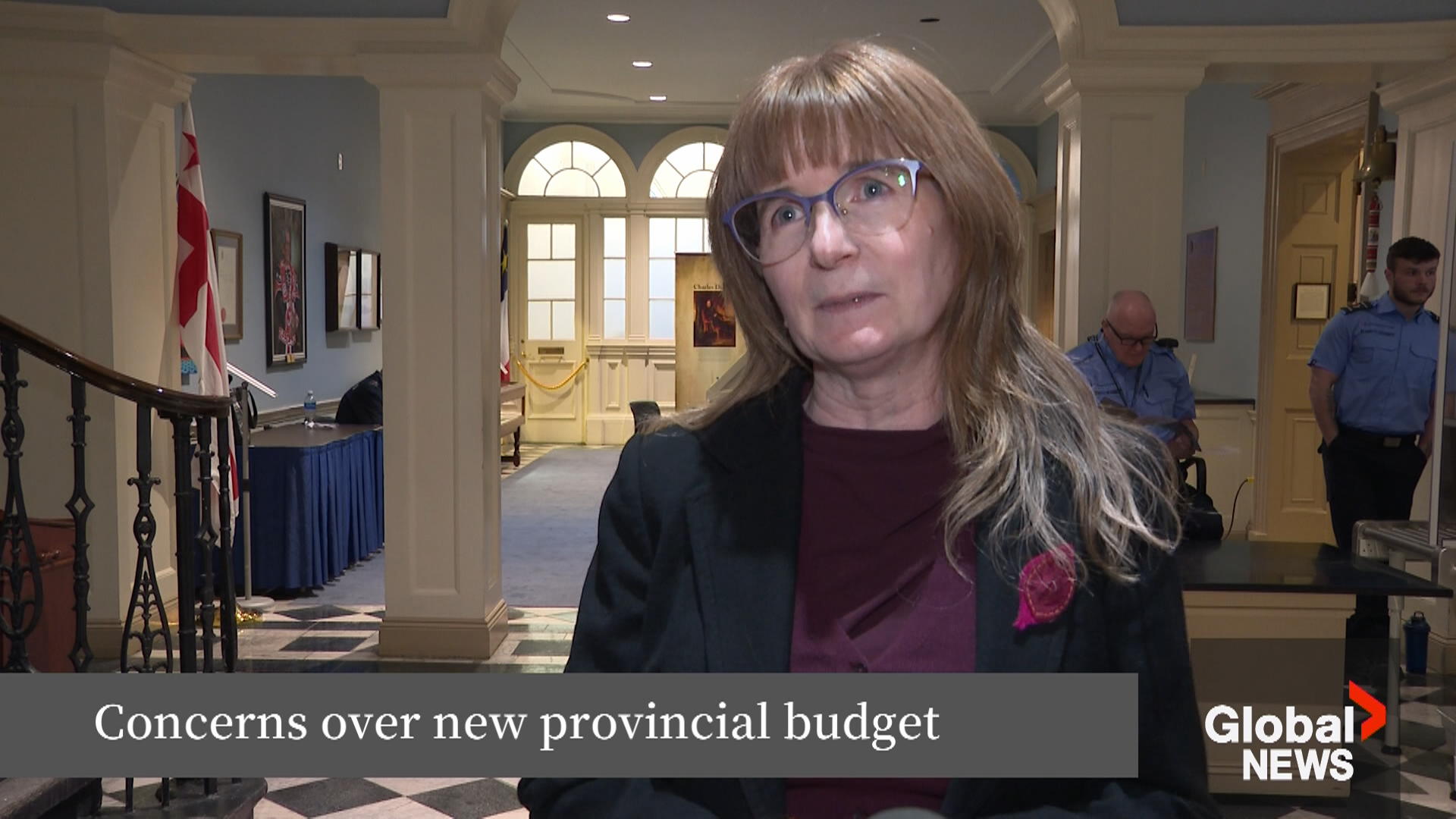
Halifax, Nova Scotia – A significant budgetary decision by the Nova Scotia Progressive Conservative government, led by Premier Tim Houston, has ignited sharp criticism from the province’s First Nations leadership, who contend that recent spending cuts disproportionately target Mi’kmaw-specific programs. The Assembly of Nova Scotia Mi’kmaw Chiefs, known in Mi’kmaq as Maw-lukutijik Saqmaq, issued a forceful statement on Friday, February 27, 2026, asserting that the provincial government has systematically dismantled initiatives designed to address the deep-seated and persistent systemic inequalities faced by Mi’kmaw communities. This development comes amidst a broader austerity measure by the Houston government to tackle a projected $1.2-billion deficit, yet the specific nature of the cuts has raised alarm about the province’s commitment to reconciliation and its relationship with Indigenous peoples.
The Assembly of Nova Scotia Mi’kmaw Chiefs, representing the majority of First Nations communities across the province, has called for an urgent government-to-government meeting with Premier Houston to discuss the ramifications of these budget decisions. Eskasoni First Nation Chief Leroy Denny, who co-chairs the influential assembly, articulated the profound disappointment felt within Indigenous communities. "The Nova Scotia government’s decisions will have drastic impacts on this province," Chief Denny stated in the press release. "Programs and organizations that, for years, the province and the Mi’kmaq have been partners on, this government decided to claw back or push away from. This is incredibly disappointing." Attempts to reach Chief Denny for further comment on Friday were unsuccessful.
The Scope of the Cuts: A Closer Look at Mi’kmaw Programs Affected
The provincial government’s budget document outlines a sweeping reduction or cancellation of over 280 grants across various departments. While these cuts span a wide array of sectors, including scholarship programs, arts funding, African Nova Scotian initiatives, disability supports, food security programs, caregiver benefits, and adult learning, the specific impact on Mi’kmaw-centric programs has drawn particular scrutiny. According to detailed information released by the Finance Department, the cuts include:
- Education: Complete cessation of all grant funding for Mi’kmaq services within the Education Department. This includes programs vital for Indigenous student support, curriculum development, and culturally relevant educational resources.
- Community Support: The entire grant for the Halifax Mi’kmaw Native Friendship Centre, a critical hub providing essential cultural, social, and economic services to urban Indigenous populations, has been eliminated.
- Cultural Preservation: The full budget allocated for the annual Treaty Day awards ceremony, a significant event recognizing the enduring treaty relationship between the Mi’kmaq and the Crown, has been cut. Furthermore, a portion of the budget for Mi’kmaw history month, an initiative aimed at educating the broader public about Indigenous heritage, has also been reduced.
- Youth and Recreation: The complete grant for the Mi’kmaw Summer Games, an annual sporting and cultural event that fosters community spirit and healthy lifestyles among Mi’kmaw youth, has been withdrawn.
- Economic Development: All provincial funding for an Aboriginal community development fund, which supports grassroots initiatives, and an Indigenous economic development research program, crucial for data-driven policy and self-sufficiency efforts, has been removed.
- Language Revitalization: A substantial sum of $260,000 has been cut from the $1.3-million Mi’kmaw language revitalization strategy. This reduction represents a significant blow to efforts aimed at preserving and promoting the endangered Mi’kmaq language, a cornerstone of cultural identity.
- Health and Wellness: All provincial funding has been pulled from Mi’kmaw Health and Wellness, a vital health authority dedicated to addressing the unique health disparities and needs of Mi’kmaw communities.
In total, the Assembly of Nova Scotia Mi’kmaw Chiefs has identified 21 Mi’kmaw-specific programs that they believe were "targeted and cut." This comprehensive list underscores the pervasive nature of the reductions across critical areas of Mi’kmaw life, from education and culture to health and economic independence.

A History of Unfulfilled Promises and Growing Tensions
The current dispute is not an isolated incident but rather the latest in a series of escalating tensions between the Houston government and First Nations communities in Nova Scotia. The Assembly of Nova Scotia Mi’kmaw Chiefs expressed profound disillusionment, stating, "It is becoming clear what Premier Houston’s position and priorities are, despite saying he wanted to work with the Mi’kmaq upon his election." This sentiment reflects a perceived backtrack from earlier commitments to foster stronger relationships and advance reconciliation.
Upon his election, Premier Houston had indeed pledged to prioritize Indigenous relations and work collaboratively with First Nations. However, several legislative and policy decisions have since strained this relationship, leading to accusations of a lack of consultation and respect for Indigenous rights.
-
Forest Access Roads Legislation (Last Year): A key point of contention arose last year when the government introduced legislation making it illegal to block forest access roads on Crown lands. The Assembly vociferously criticized this move, stating they were not consulted on the law, which they viewed as potentially infringing on their right to protest and protect traditional territories. The government defended the change, asserting it was requested by conservation officers and not intended to stifle legitimate protests over logging practices. However, this explanation did little to quell concerns, especially given recent protests led by Mi’kmaw land protectors, notably at Hunter’s Mountain in Cape Breton, against unsustainable resource extraction.
-
Cannabis Directive (December): In December, the Justice Department issued a directive to police agencies across the province, urging them to disrupt illegal cannabis operations and soliciting support from chiefs. This move was met with immediate and strong condemnation from several First Nations. Sipekne’katik First Nation Chief Michelle Glasgow responded decisively by banning the Premier, Justice Minister, and Minister of L’nu Affairs from band lands. Chief Glasgow accused the Houston government of "continu[ing] to radicalize colonial practices to suppress our community and fellow Mi’kmaw by forming laws that direct harm against us." The Assembly of Nova Scotia Mi’kmaw Chiefs further highlighted that they had attempted to engage with the provincial government prior to the 2018 federal legalization of cannabis to discuss its regulation within Mi’kmaq communities, but these requests were reportedly rejected. The Assembly voiced deep disappointment at Nova Scotia’s "apparent lack of understanding of treaty rights and their right to self-determination."
These incidents paint a picture of a relationship increasingly characterized by mistrust and perceived unilateral action on the part of the provincial government, further exacerbating the impact of the current budget cuts.

Government’s Stance and Opposition Reactions
In response to the mounting criticism, a spokesperson from the Finance Department issued a statement reiterating the government’s position. The spokesperson emphasized that the province faces difficult budget decisions due to the $1.2-billion deficit and must focus spending on core priorities such as health care, housing, and economic growth. The statement sought to dispel notions of targeted discrimination: "These decisions are being made across departments and programs – no one sector or group has been singled out." It also acknowledged the significant impact these changes might have: "In most cases, provincial funding is part of a broader organizational budget that also includes fundraising, partnerships and other sources of revenue. Even so, we know these changes may be significant for some Mi’kmaw organizations, and we understand the challenges this can create."
However, this explanation has failed to satisfy opposition parties. NDP Leader Claudia Chender voiced strong disapproval on Friday, telling reporters that the government’s relationship with Mi’kmaq communities is "terrible" and appears to be "getting worse by the day." She described the cuts, particularly those affecting Mi’kmaw programs, as "really a slap in the face," suggesting a profound disrespect for Indigenous rights and partnerships. While other opposition parties have yet to issue detailed statements, the broad nature of the budget cuts, affecting various vulnerable groups, is likely to draw wider condemnation as the full implications become clearer.
Broader Implications for Reconciliation and Self-Determination
The budget cuts carry significant implications that extend beyond financial constraints, touching upon the fundamental principles of reconciliation and Indigenous self-determination in Nova Scotia. The Mi’kmaq have a rich history and culture, underpinned by constitutionally protected treaty rights. Programs aimed at language revitalization, cultural preservation, and Indigenous economic development are not merely discretionary spending; they are often seen as vital components of upholding these rights and addressing the historical injustices that have led to significant socio-economic disparities.
The concept of "government-to-government" relations, as called for by the Assembly, is a cornerstone of modern reconciliation efforts in Canada. It implies a relationship built on mutual respect, recognition of Indigenous sovereignty, and meaningful consultation, moving beyond colonial frameworks where Indigenous communities are treated as recipients of provincial services rather than self-governing nations. The perceived unilateral nature of these budget cuts, particularly following prior instances of insufficient consultation, undermines this critical framework.

From an economic perspective, cutting funds for Indigenous economic development research and community development funds can stifle growth and self-sufficiency within Mi’kmaw communities. These programs are often designed to leverage Indigenous knowledge and resources, creating sustainable local economies that benefit both First Nations and the broader provincial economy. The reduction in health and education funding also risks exacerbating existing disparities in these critical sectors, potentially leading to long-term social and economic costs that far outweigh the immediate budgetary savings.
Culturally, the cuts to language revitalization and cultural events like Treaty Day and the Mi’kmaw Summer Games threaten the erosion of identity and heritage. Language, in particular, is a vital link to ancestral knowledge and traditions. Efforts to revitalize the Mi’kmaq language have been hard-won and are crucial for the intergenerational transfer of culture.
The actions of the Houston government are being closely watched, not only by First Nations in Nova Scotia but also by Indigenous communities and advocates across Canada. The outcomes of this dispute will undoubtedly influence the trajectory of reconciliation efforts in the province and serve as a barometer for how seriously governments are willing to uphold their commitments to Indigenous peoples, especially when faced with fiscal challenges. The call for a government-to-government meeting with Premier Houston represents a critical juncture, offering an opportunity to mend a strained relationship and reaffirm a commitment to collaborative, respectful governance.
This report by The Canadian Press was first published Feb. 27, 2026. With files from Lyndsay Armstrong in Halifax.