 admin
admin
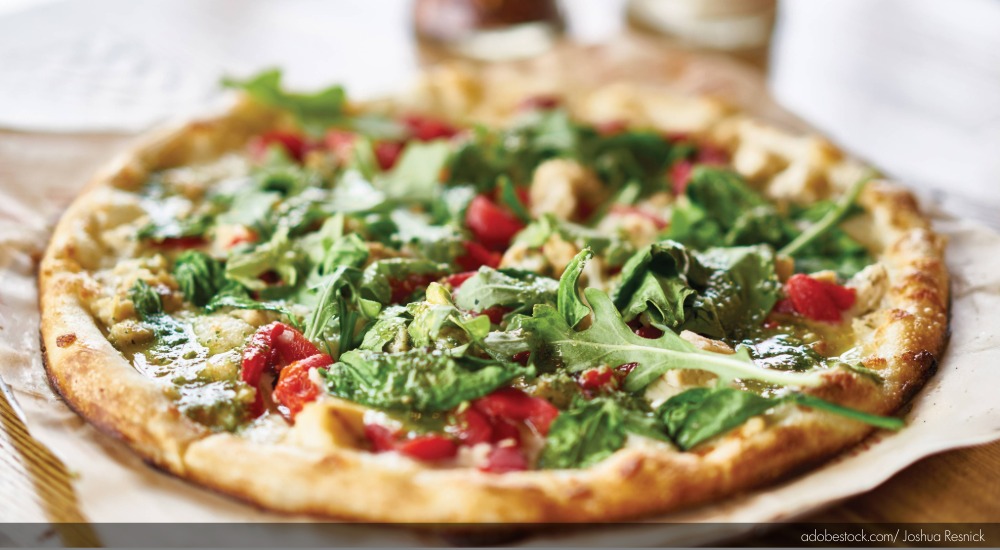
The American culinary landscape is undeniably dominated by pizza, a dish so ingrained in the national palate that it often transcends mere food to become a cultural cornerstone. This ubiquity, while speaking to universal appeal, has simultaneously created an intensely competitive market, particularly challenging for the independent pizzeria operator. With establishments seemingly on every corner, the crucial question for these entrepreneurs is no longer merely how to open a pizza shop, but how to distinguish it in a sea of similar offerings, ensuring not just survival, but sustained profitability amidst a crowded field of "Pizzaiolos."
The American Pizza Landscape: A Market Overview
The pizza industry in the United States is a colossal economic force. According to recent market analyses, the U.S. pizza market is valued at over $45 billion annually, encompassing tens of thousands of pizzerias ranging from multinational chains to beloved local independent establishments. This market has shown remarkable resilience, consistently growing year over year, even through economic downturns. Historically, pizza gained widespread popularity in the U.S. following World War II, with returning soldiers bringing a taste for Italian cuisine back home. Its evolution from a niche ethnic food to a mainstream staple was propelled by innovations in fast-casual dining, delivery services, and aggressive marketing by large chains. Today, pizza is consumed by an estimated 93% of Americans at least once a month, making it one of the most popular food items nationwide.
However, this popularity comes at a cost for smaller operators. The market is segmented, with national chains like Domino’s, Pizza Hut, and Papa John’s holding significant market share, leveraging their brand recognition, extensive advertising budgets, and sophisticated logistical networks. Independent pizzerias, while numerous, collectively face an uphill battle to capture and retain customer loyalty against these formidable competitors. Their success hinges on carving out a unique value proposition that transcends mere convenience or price.
The Price War: A Losing Battle for Independents
One of the most immediate and tempting strategies for a new or struggling independent pizzeria is to compete on price. This approach, however, often leads to a "race to the bottom" that is unsustainable for small businesses. Large national chains possess inherent advantages that allow them to offer aggressive price promotions that are simply unmatchable by independent operators. These advantages include:

- Massive Purchasing Power: National chains buy ingredients in enormous volumes, enabling them to negotiate significantly lower prices from suppliers for everything from flour and tomatoes to cheese and pepperoni.
- Sophisticated Supply Chains: They operate highly efficient and often vertically integrated supply chains, reducing logistics costs and ensuring consistent ingredient availability.
- Market Hedging: Large corporations can employ financial strategies to hedge against commodity price fluctuations, allowing them to maintain stable promotional pricing even when underlying ingredient costs are volatile. This insulates them from the ebb and flow of agricultural markets that disproportionately impact smaller buyers.
- Economies of Scale: Their vast network of stores allows them to amortize marketing costs, R&D expenses, and operational overheads across a much larger base, making each unit sale more profitable even at a lower price point.
- Loss Leader Strategies: Chains can strategically price certain items or promotions as "loss leaders," accepting lower margins (or even losses) on these specific offerings to drive traffic and increase overall sales of higher-margin items.
For the independent operator, attempting to match these "crazy price point promotions" is a perilous endeavor. Without the purchasing power, logistical efficiencies, or financial hedging capabilities of national chains, independents are directly exposed to the volatility of commodity markets. A sudden spike in the price of mozzarella or flour can decimate already thin profit margins if prices are kept artificially low to compete. Industry analysts consistently advise against this "slippery slope," emphasizing that the fundamental principle of business, especially for self-employed individuals, is to generate profit and ensure financial viability. Prioritizing profitability over an unwinnable price war is paramount for long-term sustainability.
The Rise of the Conscious Consumer: "Zilennials" and the Demand for Quality
The landscape of consumer expectations has undergone a significant transformation in recent years, largely driven by the emerging purchasing power and distinct values of "Zilennials"—a demographic blending the characteristics of Gen Z and younger Millennials. This cohort, broadly encompassing individuals born from the mid-1990s through the early 2010s, represents a critical segment for businesses looking to future-proof their operations. Their eating habits are markedly different from previous generations, marked by a heightened awareness of nutrition, ingredient sourcing, and ethical production.
The shift in consumer behavior gained significant momentum during the COVID-19 pandemic. With more time spent at home, many individuals, particularly younger adults, embraced home-based culinary exploration. This period fostered a deeper understanding of food preparation, ingredients, and their origins. Consequently, "Zilennial" consumers emerged from the pandemic with an elevated demand for transparency regarding their meals. Key expectations include:
- Nutritional Disclosure: Beyond basic calorie counts, there’s an interest in macronutrient breakdowns and the absence of undesirable additives.
- Ingredient Origin: Consumers want to know where their food comes from, favoring local, regional, or ethically sourced ingredients.
- Processing Transparency: Questions about genetic modification (GMOs), artificial preservatives, colors, and flavors are common.
- Ethical and Sustainable Practices: A preference for products that are hormone-free, antibiotic-free, humanely raised (for animal products), and produced with environmental sustainability in mind.
Numerous consumer surveys corroborate these trends. A 2022 study by the International Food Information Council (IFIC) found that 62% of consumers actively seek out information about where their food comes from, and a significant percentage are willing to pay more for products that align with their values concerning health, sustainability, and transparency. This demographic is not just looking for a meal; they are looking for an experience that aligns with their personal values and health goals. This shift represents a profound opportunity for independent operators to differentiate themselves not on price, but on the superior quality and integrity of their ingredients.
Differentiation Through Quality: A Path to Profitability
For independent pizzerias, the path to sustained profitability in this competitive environment lies squarely in embracing quality as a core differentiator. This involves a strategic refocusing of ingredients to meet the evolving demands of the "Zilennial" consumer. Instead of viewing quality as an added cost, it should be seen as an investment in brand equity, customer loyalty, and ultimately, higher profit margins.

The concept of "Center of the Plate" is often applied to entrees where the protein is the star. In the context of pizza, this philosophy can be extended to all primary ingredients: the crust, the sauce, and critically, the cheese. Each component offers an opportunity for enhancement and differentiation. By consciously choosing ingredients that are superior in taste, produced with integrity, and align with modern consumer values, pizzerias can craft a compelling narrative around their product.
Highlighting transparent sourcing is not just about ethics; it’s a powerful marketing tool. When customers understand that their pizza is made with flour from a local mill, tomatoes from a sustainable farm, or cheese from a farmer-owned cooperative, it elevates the perceived value of the product. This builds trust and fosters a deeper connection with the brand, moving beyond a transactional relationship to one based on shared values. Successful differentiation strategies in this vein include:
- Artisan Pizza Offerings: Unique doughs, gourmet toppings, and innovative flavor combinations that cannot be replicated by mass-market chains.
- Emphasis on Freshness: Daily-made dough, in-house sauces, and freshly chopped vegetables.
- Dietary Inclusivity: Offering gluten-free, vegan, or organic options that cater to specific dietary needs and preferences.
- Storytelling: Sharing the narrative behind key ingredients and the people who produce them.
Spotlight on Sourcing: The Burnett Dairy Model
Perhaps no ingredient embodies the "Center of the Plate" philosophy for pizza more than cheese. It is often the most significant ingredient expense and a primary determinant of flavor and texture. The quest for superior, transparently sourced cheese leads many independent operators to consider suppliers like Burnett Dairy, located in Grantsburg, Wisconsin. This establishment offers a compelling model for meeting the "Zilennial" demand for quality and transparency.
Burnett Dairy’s story is one of enduring legacy and commitment to traditional values. Established 130 years ago, it remains a farmer-owned cooperative dairy. This ownership structure is a significant differentiator, ensuring that the profits benefit the farmers who produce the milk, fostering sustainable practices and a deep connection to the land. Being "Wisconsin Proud" further signals a commitment to a state renowned globally for its dairy heritage and stringent quality standards.
Their Patria Line of Italian Cheeses, which includes premium mozzarella and provolone, directly addresses several key consumer demands:
- ALL Natural: This signifies minimal processing and the absence of artificial ingredients, appealing to consumers seeking clean labels.
- RBST Hormone-Free: This is a crucial selling point for health-conscious consumers who are concerned about the use of recombinant bovine somatotropin (rBST), a synthetic hormone sometimes given to dairy cows. The absence of rBST resonates with those prioritizing animal welfare and perceived health benefits.
- Farmer-Owned Cooperative: This provides a compelling narrative of ethical sourcing and community support, aligning with "Zilennial" values of social responsibility and supporting local economies.
For an independent pizzeria, incorporating a product like Burnett Dairy’s Patria cheese offers multiple benefits. Beyond the superior flavor and melt characteristics that enhance the pizza itself, it provides a powerful marketing story. Operators can proudly declare that their cheese is "all-natural, hormone-free, and sourced from a 130-year-old farmer-owned cooperative in Wisconsin." This narrative resonates deeply with consumers who are increasingly scrutinizing ingredient labels and seeking products that align with their values. It elevates the pizzeria’s brand identity, positioning it as a purveyor of quality and integrity, directly addressing the demand for "knowing the details of their meal." This strategic ingredient choice becomes a tangible manifestation of a commitment to quality, distinguishing the independent operator from competitors relying on generic, mass-produced alternatives.

Operationalizing Quality: Practical Steps for Independent Pizzerias
Implementing a quality-first strategy requires deliberate action and a commitment to transparency. Independent pizzerias can take several practical steps to operationalize this approach:
- Conduct a Comprehensive Ingredient Audit: Systematically review every ingredient currently used. Scrutinize labels, research suppliers, and understand the origin and processing methods of each component. This audit should extend beyond the "star" ingredients to every item, from the flour in the dough to the herbs in the sauce.
- Ask Critical Questions of Suppliers: Engage in proactive dialogue with existing and potential suppliers. Inquire about their sourcing practices, certifications (e.g., organic, non-GMO, humane), and commitment to transparency. Don’t be afraid to ask for detailed specifications or visit supplier facilities if feasible. If a supplier is unwilling or unable to provide clear answers, it may be a red flag.
- Prioritize Quality and Transparency Over Lowest Price: While cost control is essential, consciously shift the purchasing paradigm from simply seeking the cheapest option to prioritizing suppliers who offer superior quality, ethical practices, and transparent sourcing, even if it entails a slightly higher cost. This investment will pay dividends in customer loyalty and brand reputation.
- Build Relationships with Like-Minded Suppliers: Seek out suppliers who share a commitment to quality and sustainability, such as local farms, artisan producers, or cooperative dairies like Burnett Dairy. These relationships can lead to unique ingredient offerings and compelling stories for customers.
- Market the Quality Difference: Once superior ingredients are sourced, effectively communicate this to customers. This can be done through:
- Detailed Menu Descriptions: Highlight key attributes like "Wisconsin-made, rBST-free mozzarella" or "locally sourced organic basil."
- In-Store Signage: Posters or chalkboards detailing ingredient origins or supplier stories.
- Social Media Storytelling: Share videos or posts showcasing ingredient sourcing, supplier interviews, or the passion behind product selection.
- Website Content: Create a dedicated section explaining the pizzeria’s commitment to quality ingredients.
- Empower Staff Through Training: Ensure that all staff, from order-takers to servers and kitchen crew, are knowledgeable about the ingredients and their unique qualities. They should be able to articulate the value proposition and answer customer questions confidently. This turns every employee into a brand ambassador.
- Strategically Price Premium Products: While quality costs more, it also justifies a higher price point. Conduct market research to determine appropriate pricing that reflects the value of premium ingredients without alienating the target demographic. Customers willing to pay for quality understand that it comes at a fair price.
The Broader Economic and Societal Impact
The shift towards quality and transparency in independent pizzerias has implications that extend beyond individual business profitability. It plays a vital role in:
- Supporting Local Economies: By prioritizing local or regional suppliers, independent pizzerias contribute directly to the economic vitality of their communities, fostering a network of small businesses and producers.
- Promoting Sustainable Practices: Choosing suppliers committed to ethical and sustainable farming and production methods encourages a broader industry shift towards more responsible practices. This has a positive ripple effect on environmental stewardship and animal welfare.
- Consumer Education: By transparently showcasing ingredient origins and quality, pizzerias help educate consumers about the true value of food, fostering more informed purchasing decisions across the board.
- Long-Term Sustainability for the Independent Segment: In a market increasingly dominated by large chains, differentiation through quality offers independent operators a viable and sustainable path forward, ensuring that unique culinary experiences and local flavors continue to thrive.
In conclusion, the fiercely competitive American pizza market necessitates a strategic pivot for independent operators. While the temptation to compete on price against national chains is understandable, it is a financially precarious path. The discerning "Zilennial" consumer, armed with a demand for transparency, ethical sourcing, and superior quality, presents a compelling alternative. By meticulously examining ingredients, embracing suppliers like Burnett Dairy who champion natural, hormone-free, farmer-owned products, and effectively communicating this commitment to quality, independent pizzerias can forge a unique identity. This not only ensures profitability but also cultivates a loyal customer base that values substance over mere cost, securing a flavorful and sustainable future for the love of pizza.