 admin
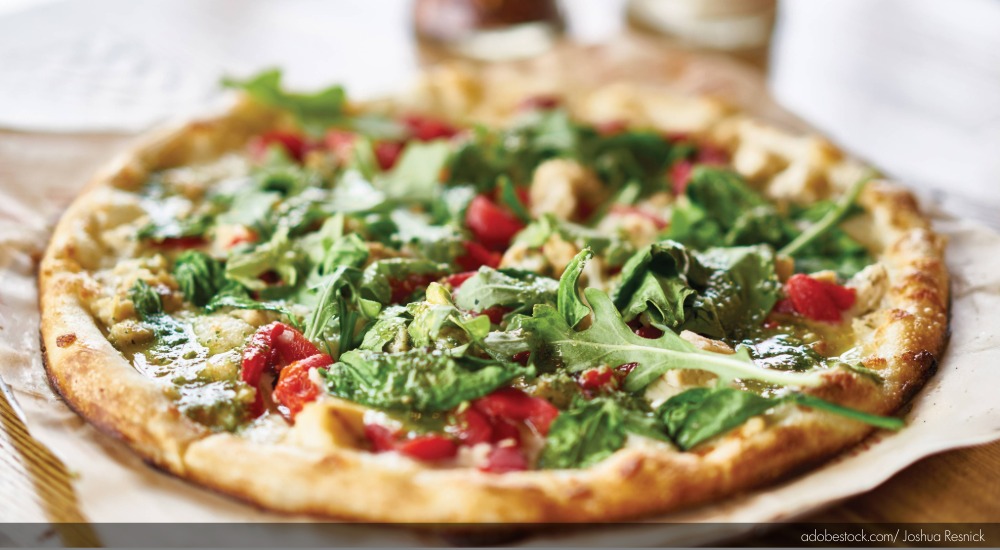
adminThe enduring love affair between Americans and pizza is undeniable, elevating what might be considered a simple dish to a cultural phenomenon. Often humorously referred to as its own food group, pizza holds a cherished place in the national palate, transcending socioeconomic lines and dietary preferences. This widespread affection, however, has led to a highly competitive landscape for entrepreneurs seeking to capitalize on this culinary staple. With a pizza establishment seemingly located on every geographical inch of the nation, the market is undeniably saturated, presenting a formidable challenge for independent "Pizzaiolos" striving for not just survival, but sustained profitability and distinction. For consumers, this proliferation translates into an abundance of choice; for business owners, it necessitates a strategic imperative: how to effectively differentiate oneself from the myriad of competitors and avoid the perilous "black hole of average ZA."
The fundamental question confronting independent pizza operators today revolves around core business strategies: Should the primary focus be on competitive pricing, attempting to undercut rivals, or should the emphasis pivot towards superior quality, aiming to justify a premium? The path chosen in this critical juncture often dictates the long-term viability and success of the enterprise.
The Price Dilemma: Competing with National Chains
The temptation to engage in price-based competition is strong, especially when confronted with the aggressive promotional tactics of large national pizza chains. These corporate giants frequently roll out deeply discounted offerings, such as large pizzas for under ten dollars or compelling buy-one-get-one-free deals. Understanding how these entities manage such promotions is crucial for independents. National chains benefit from immense purchasing power, leveraging their vast networks and high volumes to secure ingredients at significantly reduced costs. They often employ sophisticated market hedging strategies, allowing them to lock in commodity prices for extended periods, thereby insulating themselves from short-term market volatility and ensuring consistent promotional pricing. This robust infrastructure, coupled with substantial marketing budgets, enables them to drive volume and absorb potential losses on individual promotional items, offsetting them with overall sales and brand recognition.
For the independent operator, attempting to match these pricing strategies is a perilous endeavor, often described as a "slippery slope." Lacking the economies of scale and market hedging capabilities of their larger counterparts, independent pizzerias are directly exposed to the ebb and flow of volatile commodity markets. The price of key ingredients like mozzarella cheese, flour, tomatoes, and even labor and energy, can fluctuate dramatically based on global supply chains, weather patterns, geopolitical events, and economic shifts. For instance, the price of wholesale mozzarella, a primary cost driver for any pizza business, can vary by double-digit percentages within a single year. Similarly, disruptions in wheat harvests or increases in fuel costs directly impact flour and delivery expenses. When an independent business tries to match the promotional pricing of a national chain under these conditions, it risks eroding its profit margins to unsustainable levels. The first rule of business, particularly for self-employed individuals, is to generate profit and ensure financial viability. Sacrificing profitability merely to compete on price against entities with inherently different operational structures is a strategy almost guaranteed to lead to financial distress and eventual closure. Data from industry analysts consistently show that independent restaurants that attempt to compete solely on price against national chains rarely succeed in the long run, often compromising quality and service in a desperate attempt to cut costs, further alienating potential customers.

The Rise of the Quality Imperative: Meeting the Modern Consumer
In contrast to the treacherous path of price competition, a compelling alternative lies in prioritizing quality, a strategy increasingly validated by evolving consumer preferences. A significant demographic driving this shift comprises what is often termed the "Zilennial" consumer – a blend of Generation Z and younger Millennials. This cohort, broadly encompassing individuals born from the mid-1980s through the late 2000s, represents a substantial and growing segment of the market with distinct purchasing habits and values.
The COVID-19 pandemic further accelerated and intensified this focus on quality and transparency. With widespread lockdowns and a surge in home cooking, many consumers developed a heightened awareness of ingredients, nutritional content, and food origins. This period fostered a "home-based culinary delight" for many, prompting them to scrutinize labels, research food sources, and experiment with higher-quality ingredients in their own kitchens. Consequently, their expectations for restaurant-prepared meals have similarly elevated. Zilennial consumers are not merely seeking sustenance; they are actively demanding information about their food. Key questions now routinely posed include: "Where do these ingredients come from?" "Have they been modified in any way?" "Are they ethically sourced?" "What is the nutritional breakdown?"
This consumer demand has fueled the rise of tangible, smaller manufacturers focused on producing better quality and flavor-driven products. These producers often emphasize natural ingredients, sustainable practices, and transparent sourcing, appealing directly to the values of the Zilennial demographic. For independent pizza operators, attracting and retaining this increasingly influential consumer base, and thereby ensuring profitability, necessitates a strategic refocusing of their ingredient sourcing to align with these demands. This means moving beyond generic, mass-produced components and actively seeking out ingredients that boast superior quality, clear provenance, and alignment with modern ethical and health considerations. A 2023 survey by the National Restaurant Association indicated that 70% of Gen Z consumers consider the origin of food to be important, while 65% prioritize natural and minimally processed ingredients, underscoring the market imperative for this shift.
Strategic Differentiation Through Ingredient Sourcing and Storytelling
To truly differentiate, independent pizzerias must look inward at their core product and outward at their target audience’s values. This journey often begins with the "center of the plate" ingredient, which for pizza, is undoubtedly the cheese. While it might sound cliché, or "cheesy," to say "go big or go home" when discussing cheese, it holds a profound truth: cheese is typically the single largest expense in a pizza’s cost structure and arguably its most defining flavor component. The quality and type of cheese used can elevate a pizza from average to extraordinary.

Consider the potential for a product that is not only delicious but also aligns perfectly with the discerning criteria of the Zilennial consumer: a cheese that is all-natural, proudly Wisconsin-made, hormone-free, and manufactured by a farmer-owned cooperative dairy. Such a product offers a compelling narrative that resonates deeply with modern consumer values. It addresses concerns about industrial agriculture, animal welfare, and supporting local economies.
A prime example is Burnett Dairy, located in Grantsburg, Wisconsin. With a remarkable 130-year history, Burnett Dairy remains a farmer-owned cooperative, a testament to its enduring commitment to its agricultural roots and community. This longevity speaks volumes about its dedication to premium dairy products, particularly mozzarella and provolone. Their "Patria Line of Italian Cheeses" embodies the desired attributes: it is explicitly all-natural and RBST (recombinant bovine somatotropin) hormone-free. This isn’t just a claim; it’s a commitment to a product that is cleaner, more transparent, and produced with an emphasis on traditional dairy practices.
By choosing a cheese like Burnett Dairy’s Patria Line, an independent pizzeria does more than just enhance flavor; it acquires a powerful story. This narrative can be communicated to customers, highlighting the dairy’s 130 years of farmer-owned heritage, its Wisconsin pride, and its commitment to natural, hormone-free ingredients. This transparency builds trust and fosters a deeper connection with consumers who prioritize knowing "what’s in their food" and "where it comes from." A 2022 consumer report revealed that 68% of consumers are more likely to purchase from brands that are transparent about their ingredients and sourcing, indicating the tangible benefit of such storytelling.
Beyond cheese, a holistic approach to ingredient focus can further solidify differentiation. This includes:
- Flour: Moving beyond generic all-purpose flour to specific types like Italian "00" flour for authentic Neapolitan-style pizzas, whole wheat for a healthier appeal, or even incorporating sourdough starters for unique flavor and digestibility. The origin and milling process of the flour can become part of the pizza’s story.
- Tomatoes: The choice of tomatoes, whether they are imported San Marzano D.O.P. (Denominazione di Origine Protetta) from Italy, or locally sourced, vine-ripened varieties, significantly impacts sauce flavor. Highlighting the quality and origin of the tomatoes can elevate the entire pizza experience.
- Toppings: Sourcing local, seasonal vegetables not only ensures freshness and supports local agriculture but also allows for dynamic, changing menus. Using heritage meats from ethical farms or offering a diverse range of plant-based protein toppings caters to a wider, more conscious clientele. Unique flavor combinations and artisanal cured meats can further set a menu apart.
- Dough Craftsmanship: The dough itself is fundamental. Emphasizing long fermentation processes, using natural sourdough starters, or offering high-quality gluten-free alternatives demonstrates a commitment to craft and caters to diverse dietary needs. The method of preparation—hand-tossed, brick-oven baked, or pan-fried—can become a signature.
Building a Unique Brand Identity and Customer Loyalty
Differentiation extends beyond ingredients to encompass the entire customer experience and brand identity.

- The Experience Economy: In an age where consumers seek experiences, independent pizzerias can create a distinct dining atmosphere. This might involve a cozy, rustic interior for dine-in, an efficient and user-friendly online ordering system for takeout, or a reliable, branded delivery service. Personalized service, where staff know regulars by name or offer thoughtful recommendations, fosters a sense of community and loyalty.
- Transparency and Education: Clearly communicating ingredient sourcing, preparation methods, and quality standards through menu descriptions, in-store signage, and social media is vital. Educating customers about the benefits of premium ingredients—for example, explaining why San Marzano tomatoes are superior or the benefits of hormone-free cheese—justifies pricing and builds appreciation. Displaying certifications (e.g., organic, local farm partnerships, non-GMO) further reinforces credibility.
- Innovation and Niche Markets: Exploring and mastering specific pizza styles (e.g., authentic Neapolitan, square-cut Detroit style, crispy Roman pinsa, or deep-dish Chicago) can carve out a unique niche. Catering to specific dietary needs, such as a dedicated gluten-free menu, vegan options, or low-carb alternatives, expands the customer base. Introducing seasonal menus, chef specials featuring unique, limited-time toppings, or collaborating with local breweries for pairings can keep the offerings fresh and exciting.
Broader Economic and Industry Implications
The strategic choices made by independent pizzerias have broader implications for the food industry and local economies.
- Sustainability in the Food Industry: By prioritizing local and ethically sourced ingredients, independent operators play a crucial role in promoting sustainable agricultural practices. Supporting local farms reduces food miles, minimizes environmental impact, and strengthens local food systems. This commitment can also extend to reducing food waste through careful inventory management and composting programs.
- The Future of Independent Restaurants: The ability of independent pizzerias to adapt to changing consumer expectations and technological advancements is critical for their long-term survival. Embracing online ordering, loyalty programs, and social media marketing is no longer optional. The ongoing relevance of quality, authenticity, and a compelling brand narrative will distinguish successful independents in an increasingly commoditized market. This requires not only culinary skill but also robust business acumen, including financial management, marketing, and human resources. The National Restaurant Association’s 2024 outlook emphasizes technology integration and sustainable practices as key trends for independent operators.
Conclusion: The Path to Profitable Differentiation
In the fiercely competitive American pizza segment, the path to sustained profitability for independent operators hinges not on a futile race to the bottom on price, but on strategic differentiation rooted in quality, transparency, and value. The modern consumer, particularly the influential Zilennial demographic, is driving a profound shift in dining expectations, prioritizing ingredient provenance, nutritional integrity, and ethical sourcing.
By meticulously examining their ingredient supply chains, embracing premium, ethically produced components like Burnett Dairy’s Patria Line cheeses, and clearly articulating the unique story behind their offerings, independent pizzerias can forge a distinctive identity. This approach allows them to command a price point that reflects the true value of their product and their commitment to excellence, thereby ensuring healthy profit margins. It’s about selling an experience, a narrative, and a superior product, not just a commodity. The future of the independent pizza operator lies in embracing this evolving culinary landscape, responding to the discerning palate and ethical considerations of their customers, and consistently delivering the best possible pizza, both in taste and in story. For the enduring love of pizza, freeing oneself and customers from anything less than the best is not just a philosophy, but a critical business imperative that the bottom line truly deserves.