 admin
admin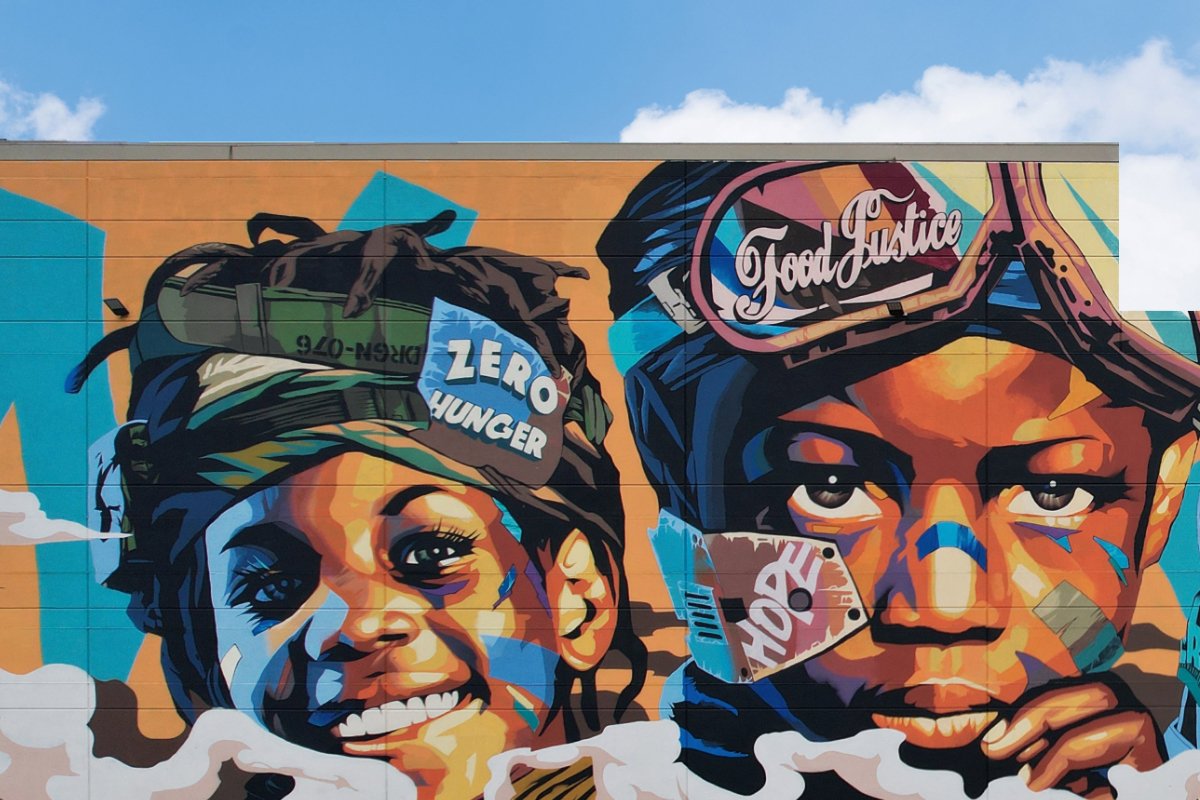
The landscape of food and public health advocacy in the United States is increasingly complex, marked by the intersection and divergence of various influential movements. Prominent among these are the long-established food justice movement and the more recently coalesced Make America Healthy Again (MAHA) initiative. Both movements articulate profound concerns about the nation’s prevailing food system and its detrimental impact on public health, yet they approach these challenges from fundamentally different ideological and methodological standpoints. This nuanced relationship presents both a formidable challenge and a unique opportunity for advocates seeking to build broader coalitions for systemic change. Understanding the commonalities that bind them, as well as the deep philosophical rifts that divide them, is crucial for charting a strategic path forward.
The Food Justice Movement: A Legacy of Systemic Change
The food justice movement, a robust and evolving force, traces its origins back to the social movements of the 1960s, drawing heavily from the civil rights, environmental justice, and anti-poverty struggles of that era. Its core philosophy posits that access to healthy, affordable, and culturally appropriate food is a human right, and that the current food system disproportionately harms marginalized communities, particularly people of color and low-income populations. This harm manifests through a lack of access to nutritious food (often termed "food deserts" or "food swamps"), exposure to environmental toxins from industrial agriculture, and exploitative labor practices within the food supply chain.
Organizations like the HEAL Food Alliance, Community Food Advocates, Food Chain Workers Alliance, and the National Black Food and Justice Alliance exemplify the movement’s broad and interconnected goals. These groups are dedicated to building collective power to reshape food policies and systems, advocating for changes in farming practices to drastically reduce pollution and carbon emissions, and ensuring that healthier food choices are genuinely available and accessible to all, especially communities historically denied such access. Their efforts are not merely about individual dietary improvements but about dismantling systemic inequities that perpetuate poor health outcomes.
Historically, the food justice movement has achieved tangible successes through both national advocacy and grassroots campaigns. For instance, sustained pressure has led to significant reforms in school meal programs, making healthier options available and often free for all children, recognizing the critical link between nutrition and educational attainment. Furthermore, these organizations have championed the rights of low-wage food workers, fighting for increased job benefits, fair wages, and safer working conditions, thereby addressing the human cost embedded within the food system. The emphasis here is on structural reform, recognizing that individual choices are often constrained by the broader socioeconomic and political environment. According to the USDA, in 2022, 12.8% of U.S. households were food insecure, with rates significantly higher among Black (22.4%) and Hispanic (20.8%) households, underscoring the racial and ethnic disparities that the food justice movement seeks to address.
The Rise of Make America Healthy Again (MAHA): A Focus on Individual Agency
In contrast to the systemic focus of food justice, the Make America Healthy Again (MAHA) movement, while sharing some common health goals, often emphasizes individual and parental responsibility as the primary drivers of diet and health outcomes. While not as explicitly defined in its public persona as the food justice movement, MAHA appears to be a broad, multi-faceted initiative with a strong focus on personal health, often promoting natural remedies, questioning established medical and scientific consensus, and advocating for consumer choice. Its association with figures like former President Donald Trump and Health and Human Services Secretary Robert F. Kennedy Jr., as well as a White House report linked to the movement, suggests a national health agenda that, while aiming for improved health, often champions individual liberty and market-based solutions.
MAHA’s approach to evidence, as observed, often deviates sharply from conventional scientific paradigms. Rather than relying on peer-reviewed research and established scientific bodies, MAHA adherents frequently lean on "mom influencers" and narratives of personal experience. They also tend to draw on evidence gathered by non-mainstream investigators, tapping into a growing public distrust of established scientific institutions and conventional medicine. This reliance on anecdotal evidence and alternative sources can be seen as a direct challenge to the scientific process that most independent researchers and food justice advocates consider foundational for policy formulation.
The movement’s financial backing further illustrates its eclectic nature. In 2024, the MAHA Alliance, its super-PAC, received significant contributions, notably $6 million from Elon Musk and his company SpaceX. The MAHA Center, led by Tony Lyons, a major financial supporter of RFK Jr.’s presidential campaign, also made headlines by funding a controversial $8 million Super Bowl advertisement featuring Mike Tyson, promoting an "Eat Real Food" message. This financial and celebrity endorsement highlights a powerful, if unconventional, public relations strategy that aims to reach a broad audience through popular culture and influential figures, often bypassing traditional media channels.
Shared Ground: A Foundation for Dialogue
Despite their fundamental differences, the food justice and MAHA movements share critical points of agreement that could serve as a foundation for future dialogue and potential collaboration. Both camps unequivocally believe that the current U.S. food system is failing its citizens, contributing significantly to a public health crisis characterized by poor health outcomes, especially when compared to other developed nations. This shared concern extends to the detrimental impact of prevailing dietary patterns.
There is also a consensus that the profit-seeking motives and aggressive market practices of major food and beverage producers, fast-food chains, and food marketers actively promote chronic diseases, obesity, premature death, and a litany of preventable illnesses. Both movements advocate for significant changes in how food companies market their products, particularly to children, and agree on the necessity of limiting harmful chemicals, artificial dyes, and other additives in food products. Furthermore, both recognize the potential for positive change through policy interventions, specifically endorsing improvements in the rules governing school food programs and federal food assistance initiatives, believing these can directly lead to better diets and improved public health across the population. These shared objectives represent a potent common ground for discussion and potential areas of joint advocacy.
Divergent Paths: Ideology, Evidence, and Solutions
The points of divergence, however, are profound and rooted in differing worldviews regarding societal responsibility and the nature of evidence. While food justice activists prioritize collective and public action, emphasizing the systemic imperative to reduce inequities in healthy food access, MAHA followers tend to place a greater emphasis on individual and parental responsibility for diet and health, even for those facing significant socioeconomic disadvantages. This ideological chasm is stark: one views systemic injustice as the primary barrier, while the other champions individual empowerment and accountability.
Moreover, the movements differ significantly on the role of markets. The social justice perspective identifies profit-driven markets as a core cause of the nation’s food and health problems, advocating for robust regulation and public sector interventions. In contrast, many MAHA leaders, if not all its rank-and-file supporters, tend to endorse market-based solutions, believing that consumer choice, innovation, and private sector initiatives can effectively address food and health challenges. This often translates into support for voluntary industry action over stricter governmental regulations, a stance that frequently puts them at odds with food justice advocates who call for more forceful policy measures.
Perhaps the most significant difference lies in their approach to scientific evidence. Food justice advocates and the broader scientific community largely rely on established, peer-reviewed science as the basis for policy recommendations. MAHA, conversely, often expresses distrust in established science and frequently rejects conventional scientific processes. Their reliance on personal narratives from "mom influencers" and evidence from non-mainstream investigators is indicative of a broader skepticism towards institutional authority and a preference for experiential knowledge. This fundamental disagreement on what constitutes valid evidence for policy change poses a considerable hurdle for collaboration.
MAHA’s Diverse Coalition: Opportunities and Challenges
The MAHA movement, as food writer Michael Pollan once described food movements of the day, can be characterized as a "big lumpy tent," sheltering a highly heterogeneous coalition of interests. This diverse group includes activist parents genuinely concerned about improving school food and reducing pesticide exposure, alongside wellness industry influencers and entrepreneurs like Calley and Casey Means, anti-vaxxers, and prominent political figures such as President Donald Trump and Robert F. Kennedy Jr. Its financial contributors further reflect this eclectic mix, ranging from major corporations to right-wing leaders.
The significant financial backing from figures like Elon Musk ($6 million to the MAHA Alliance super-PAC) and the substantial investment in high-profile marketing, such as the Mike Tyson Super Bowl ad ($8 million funded by the MAHA Center), underscore the movement’s capacity to influence public discourse. This heterogeneity presents both opportunities and challenges for potential alliances. The question arises: Can commonalities be leveraged given such deep ideological differences, especially in an era marked by increasing sectarianism and political polarization? It remains to be seen whether the private interests of wellness entrepreneurs and billionaires will ultimately align with or take precedence over the concerns of the "MAHA mom influencers" who represent a grassroots sentiment.
The Imperative for Engagement: Bridging the Divide
Despite these formidable challenges and inherent risks, there is a compelling argument for the food justice movement to pursue opportunities for new partnerships, even with a movement as ideologically divergent as MAHA. The historical trajectory of successful social movements demonstrates that power is built by winning over new constituencies and forging alliances around common goals. The potential for developing a shared action plan, even on limited objectives, is a strategic imperative worth exploring.
The risks are undeniable. Engaging with MAHA could expose the food justice movement to accusations of legitimizing anti-science narratives or diluting its core focus on systemic inequities. However, ignoring a movement with growing influence and significant public reach could also be a missed opportunity to redirect energy towards genuinely beneficial outcomes. The key lies in strategic engagement that is both respectful and critically discerning.
A Roadmap for Interaction: Six Strategic Actions
To navigate this complex terrain, food justice advocates are advised to consider a six-pronged approach designed to foster dialogue, identify common ground, and, where necessary, engage in respectful debate:
-
Talk to MAHA Activists: The first step involves actively creating forums and safe spaces for open discussion. These platforms should allow both food justice and MAHA proponents to articulate their commonalities and differences without resorting to insults or disrespect. The goal is not immediate agreement but mutual understanding. Such open discussion is a fundamental prerequisite for exploring any possibility of shared goals or cooperative ventures. This could take the form of joint workshops, community meetings, or online dialogues moderated to ensure constructive engagement.
-
Argue with Respect: Acknowledging the inherent risks of working with and seeking to persuade MAHA supporters is crucial. There will undoubtedly be instances where agreement is impossible, necessitating an "agree to disagree" stance. In other situations, forceful public debate may be required. However, in all interactions, it is paramount not to lose sight of potential common goals or to allow conflicting values to derail respectful engagement. By carefully listening to MAHA arguments and understanding the worldviews of its supporters, food justice proponents can gain insights that better inform their own strategies and potentially identify unexpected opportunities for joint action on specific, shared concerns. This involves active listening, seeking clarification, and framing disagreements in terms of policy outcomes rather than personal attacks.
-
Identify Specific, Limited Opportunities for Collaboration: Instead of seeking a grand alliance, food justice advocates should pinpoint discrete issues where both movements genuinely align. This could include advocating for clearer food labeling, pushing for the removal of specific harmful additives from school meals, or supporting local initiatives that promote fresh food access without delving into the broader ideological differences on systemic causes or scientific methodology. Such limited collaborations can build trust and demonstrate the practical benefits of working together.
-
Amplify Shared Messages While Critically Engaging Divergent Ones: When MAHA messages align with food justice goals—for example, advocating for "real food" or criticizing corporate food practices—food justice advocates can amplify these messages to broaden their reach. However, messages that promote misinformation, individual blame, or distrust of established science must be subjected to public debate and critical analysis, grounded in evidence and presented respectfully. This requires a nuanced communication strategy that acknowledges shared concerns without endorsing problematic narratives.
-
Educate and Inform on Systemic Issues: While respecting individual responsibility, food justice advocates should continue to educate MAHA supporters and the wider public about the systemic root causes of food insecurity and poor health outcomes. This means presenting data on the impact of poverty, racial discrimination, and corporate power on food access and dietary choices, illustrating how individual agency is often constrained by larger structural forces. The aim is to expand understanding, not to dismiss individual efforts.
-
Maintain Core Principles: Throughout any engagement, the food justice movement must steadfastly uphold its core principles of equity, justice, and systemic change. Any collaboration should be evaluated against these foundational values to ensure that partnerships do not inadvertently undermine the movement’s long-term objectives or compromise its ethical stance. This means being prepared to disengage if a partnership proves counterproductive or if MAHA’s actions fundamentally contradict food justice principles.
Broader Implications and the Future of Food Advocacy
The potential for forging a shared action plan, however complex, holds significant implications for the future of food and health advocacy. In an increasingly fragmented political landscape, the ability to build bridges across ideological divides could unlock new avenues for policy change and public awareness. If even limited alliances can be formed, they could amplify pressure on policymakers and corporations to address critical issues such as unhealthy food environments, unsustainable agricultural practices, and inequitable access to nutritious food.
However, the journey will be fraught with challenges, particularly concerning the validation of scientific evidence and the differing views on market regulation versus public intervention. The success of such engagement will depend heavily on the food justice movement’s ability to maintain its integrity, articulate its principles clearly, and engage in dialogue that is both strategic and respectful. Ultimately, the quest for a healthier, more equitable food system may require advocates to step outside their comfort zones, daring to seek common ground even with those who approach the problem from a profoundly different perspective. The "big lumpy tent" of food movements may be unwieldy, but within its diverse folds might lie the collective power needed to drive meaningful and lasting change.