 admin
admin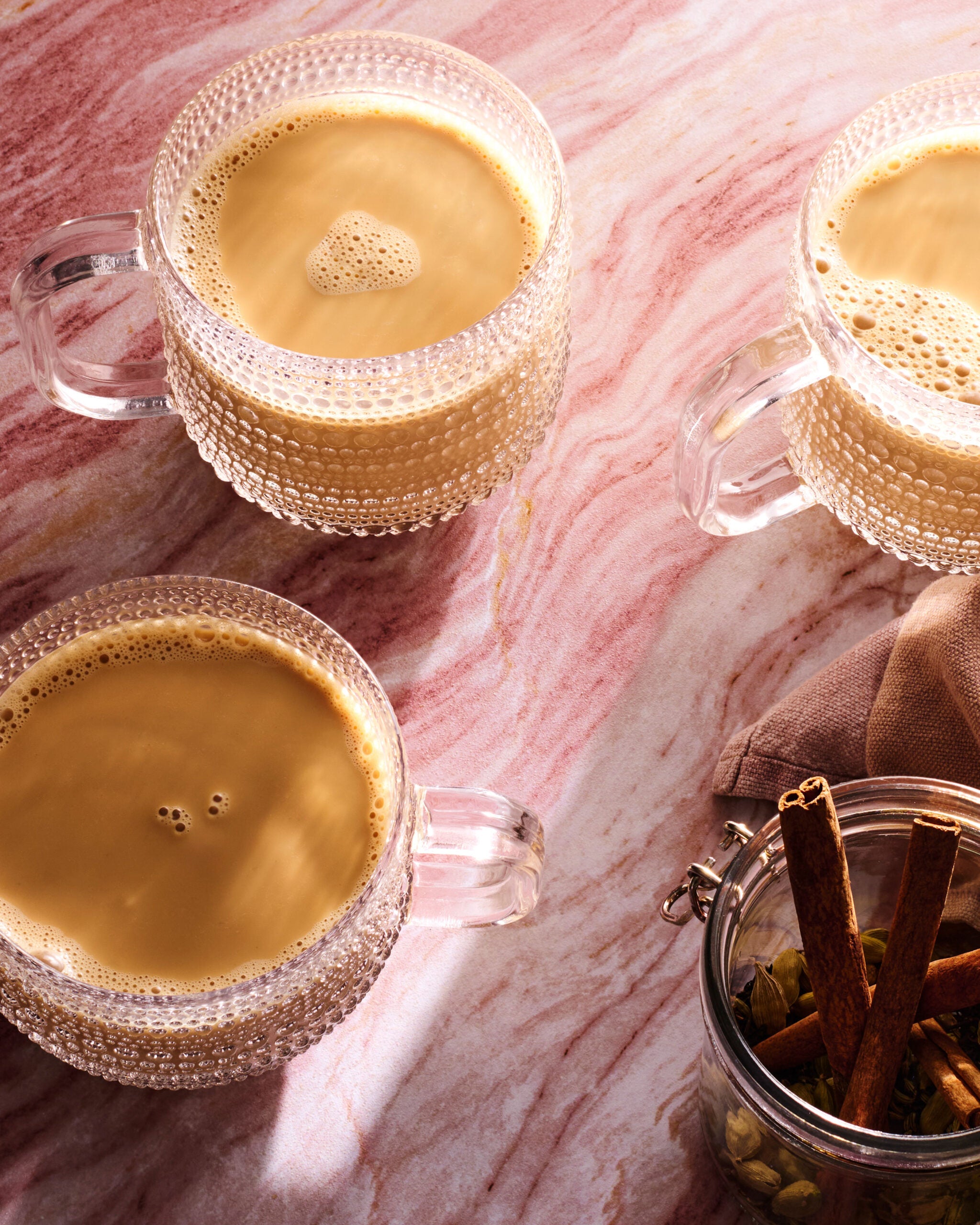
The aroma of tradition and the warmth of hospitality filled the air at the recent Charleston Wine + Food Festival, where Maryam Ghaznavi, the visionary chef-owner of Malika Canteen, South Carolina’s first Pakistani restaurant, unveiled the secrets behind her cherished masala chai. This iconic beverage, deeply woven into the fabric of Pakistani culture, transcends mere refreshment, embodying familial bonds and daily rituals. Ghaznavi’s passion for this aromatic brew, passed down through generations, was palpable as she meticulously guided attendees through the art of its creation, a testament to the festival’s commitment to showcasing diverse culinary heritage.
Ghaznavi’s connection to chai is deeply personal, stemming from a childhood immersed in a culture where the spiced tea is a constant companion. "I grew up in a family and a culture that lives off of chai," she shared, her voice reflecting a lifelong intimacy with the beverage. "My mom and sisters wake up with chai and drink it before sleeping." This familial legacy underscores the profound significance of chai, not just as a drink, but as a cornerstone of daily life and a symbol of comfort and connection.
Hailing from Lahore, Pakistan, Ghaznavi brings an authentic taste of her homeland to Charleston. Her masala chai is a meticulously balanced symphony of flavors, featuring robust black tea as its foundation. The aromatic heart of the blend lies in its carefully selected spices: fragrant cardamom, warm cinnamon, subtly sweet fennel, invigorating ginger, and cooling mint. However, Ghaznavi emphasizes a crucial, often overlooked, ingredient that elevates her chai to unparalleled creaminess: evaporated milk.
"It’s denser than fresh milk, and the viscosity yields a creamier chai," she explained, detailing the science behind the luxurious texture. The process is as much about technique as it is about ingredients. "It’s important to cook down the milk, then aerate it. Go as high as you can with your ladle and drop the liquid back into the pot to create bubbles." This aeration process, a crucial step in achieving the signature frothy and light texture, transforms the milk into a rich, velvety emulsion that perfectly complements the spiced tea. The result is a chai that is both exquisitely smooth and invigoratingly complex, equally delightful served piping hot or refreshingly chilled.
Ghaznavi’s approach to chai preparation is a beautiful illustration of the concept of "andaza," an Urdu term that translates to "the way of the hands" or intuitive measurement. This traditional method relies on instinct, experience, and a deep understanding of ingredients rather than rigid adherence to precise quantities. "I usually eyeball the ingredients—I don’t think I’ve ever measured it," she admitted with a warm smile, highlighting the artisanal nature of her craft. Yet, for the Charleston Wine + Food Festival, Ghaznavi generously translated her intuitive process into precise measurements, allowing attendees and home cooks alike to replicate her exceptional masala chai.
The Charleston Wine + Food Festival: A Culinary Tapestry
The Charleston Wine + Food Festival, a premier event celebrating the rich culinary landscape of the Lowcountry and beyond, provides a vital platform for chefs and artisans to share their stories and culinary traditions. Held annually in Charleston, South Carolina, the festival draws thousands of attendees, including food enthusiasts, industry professionals, and esteemed chefs from around the globe. Its mission extends beyond mere indulgence, aiming to foster education, promote sustainability, and support the local food economy.
This year’s festival, held from [Insert approximate dates if known, e.g., late February to early March] in various iconic Charleston locations, featured an extensive program of tasting events, cooking demonstrations, panel discussions, and intimate dinners. The inclusion of Malika Canteen and Chef Ghaznavi’s masala chai demonstration speaks to the festival’s growing commitment to showcasing diverse ethnic cuisines and the cultural significance embedded within them. By highlighting traditional recipes and techniques, the festival not only enriches the palates of its attendees but also contributes to a broader understanding and appreciation of global culinary heritage. The event serves as a crucial nexus for cultural exchange, allowing traditions like that of Pakistani chai to find new audiences and appreciation.
The Art and Science of Masala Chai: A Detailed Recipe
The recipe shared by Chef Ghaznavi at the Charleston Wine + Food Festival offers a clear pathway to recreating her signature masala chai at home. The process, while rooted in tradition, is grounded in practical culinary techniques.
Ingredients:
- 3 cups water
- 2 tablespoons loose-leaf black tea (such as Assam or Darjeeling)
- 1 teaspoon fennel seeds
- 1 teaspoon green cardamom pods, lightly crushed
- 1 teaspoon dried mint leaves
- ½ teaspoon ground cinnamon
- ½ teaspoon grated fresh ginger
- 1 ½ cups evaporated milk
- 2-4 tablespoons sugar, to taste (adjust based on preference)
Instructions:
- Infuse the Spices and Tea: In a medium-sized pot, combine the 3 cups of water with the black tea, fennel seeds, crushed cardamom pods, dried mint leaves, ground cinnamon, and grated ginger. Place the pot over medium-high heat and bring the mixture to just below a rolling boil.
- Simmer and Bloom Flavors: Once the water begins to simmer, reduce the heat to medium and allow the spices and tea to steep for approximately 2 minutes. This initial simmer allows the aromatic compounds from the spices and the depth of the tea to begin infusing into the water.
- Boil and Intensify: Increase the heat back to high and bring the mixture to a rolling boil. This vigorous boil is essential for fully extracting the flavors and color from the tea and spices.
- Incorporate Milk and Sweetener: Carefully stir in the evaporated milk and sugar. The sugar will dissolve, and the evaporated milk will begin to integrate, altering the color and richness of the liquid.
- Achieve the Perfect Brew: Bring the mixture back to a boil, then immediately reduce the heat to maintain a strong, steady boil without allowing it to overflow. This stage is critical for developing the chai’s characteristic depth of flavor and achieving the desired color. Continue to cook for 2 to 3 minutes, watching closely and adjusting the heat as needed. The chai should darken significantly during this period.
- The Aeration Technique ("Andaza"): Once the chai has reached the desired color and intensity, turn the heat to medium-high. This is where the "way of the hands" comes into play. Using a ladle, scoop generous spoonfuls of the chai from the pot and pour them back into the pot from a height of about 1 foot. Continue this vigorous pouring and aerating process for 1 to 2 minutes. This action introduces air into the liquid, creating the signature creamy, frothy texture and light, airy consistency that defines authentic masala chai.
- Strain and Serve: Remove the pot from the heat. Strain the masala chai through a fine-mesh sieve into individual cups. Serve immediately, either hot for a comforting experience or over ice for a refreshing treat.
Cultural Significance and Broader Impact
The presence of Malika Canteen and Chef Ghaznavi at the Charleston Wine + Food Festival represents more than just a culinary demonstration; it signifies a broader cultural exchange and a recognition of the increasing diversity within the American food scene. Pakistani cuisine, while rich and varied, has historically been underrepresented in mainstream American dining. Restaurants like Malika Canteen play a pivotal role in introducing these authentic flavors and traditions to a wider audience.
The "andaza" method of preparation, as explained by Ghaznavi, is a concept deeply embedded in many cultural culinary traditions, where intuition and ancestral knowledge often trump precise measurements. This approach fosters a sense of connection to the past and a mindful engagement with the act of cooking. By sharing this method, Ghaznavi not only educates but also honors the heritage and lived experience that shaped her culinary identity.
The success of Malika Canteen, as the first Pakistani restaurant in South Carolina, and its participation in a prominent festival like Charleston Wine + Food, suggests a growing appetite for authentic global cuisines. This trend has significant implications for the culinary landscape, encouraging greater inclusivity and a deeper appreciation for the cultural narratives that accompany food. As more diverse voices and traditions are welcomed and celebrated, the American food scene becomes richer, more dynamic, and more representative of the communities that call it home. The simple act of sharing a cup of chai becomes a powerful act of cultural diplomacy, fostering understanding and connection one aromatic sip at a time. The festival’s spotlight on Ghaznavi’s chai is a testament to the universal appeal of well-crafted, culturally significant food and drink.