 admin
admin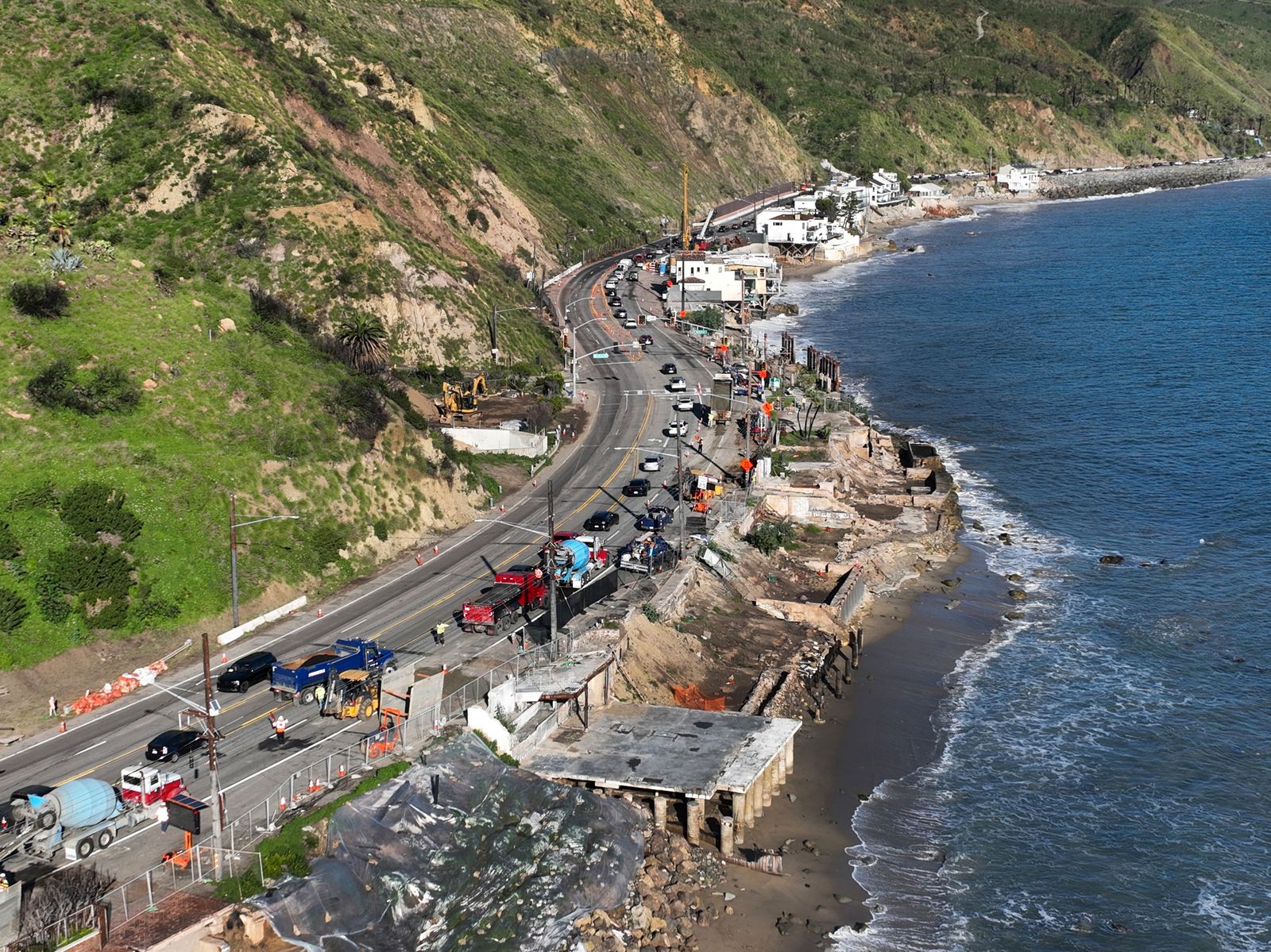
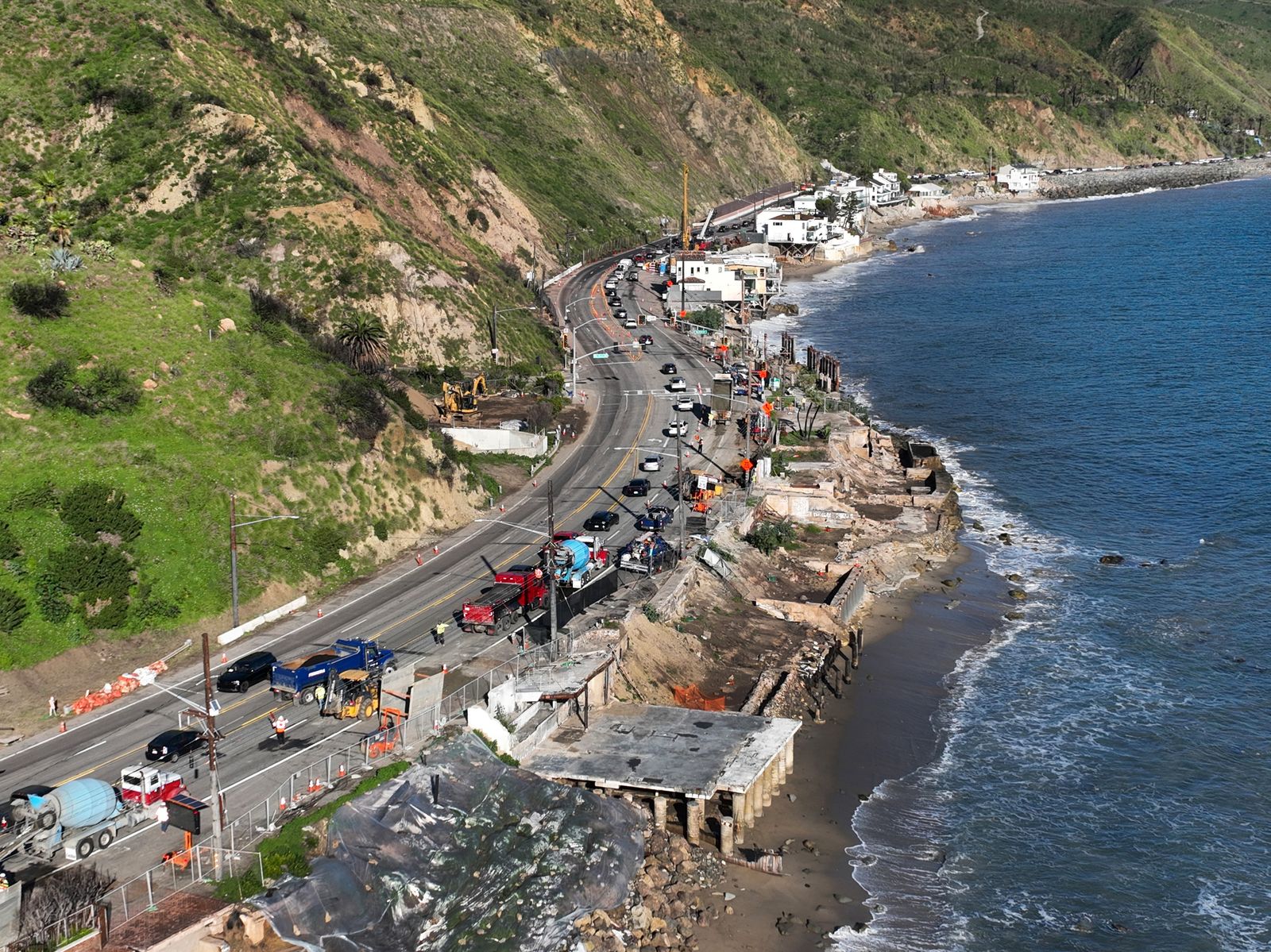
Following the devastating Palisades Fire of 2025, which razed over 700 homes across Malibu’s iconic California coastline, a significant buying spree has reshaped the local real estate landscape. Among the most notable acquisitions, New Zealand billionaire brothers Nick and Mat Mowbray have purchased 16 of the approximately 300 beachfront lots damaged in the blaze for nearly $100 million. Their ambitious plan involves constructing luxury prefabricated homes on these prime coastal properties, signaling a potentially transformative shift in post-disaster rebuilding strategies and the future architectural identity of the exclusive enclave.
The Ashes of 2025: A Community Scars and Seeks Renewal
The Palisades Fire, which tore through the region in late 2025, left an indelible mark on Malibu and its neighboring communities. Ignited by as-yet-undetermined causes, the inferno rapidly spread, fueled by Santa Ana winds and parched vegetation, quickly overwhelming firefighting efforts. Beyond the 700 homes destroyed, preliminary estimates suggest thousands of acres of pristine wilderness were scorched, and the economic toll ran into hundreds of millions, if not billions, of dollars. For many residents, the fire represented not just a loss of property but a profound blow to their sense of security and community. The immediate aftermath saw a scramble for temporary housing, a surge in insurance claims, and the arduous task of debris removal. In the months that followed, the question of how to rebuild, and who would lead that effort, became central to Malibu’s recovery narrative. The city, long a magnet for celebrities and the ultra-wealthy, now faced the dual challenge of rapid reconstruction and preserving its unique character amidst the influx of external capital and varied rebuilding philosophies.
From Toy Empire to Tech Disruptors: The Mowbray Brothers’ Trajectory
The Mowbray brothers, Nick and Mat, are not new to disrupting established industries. They built their formidable fortune by founding Zuru, a global toy company that rose to prominence with innovative, often viral, products. Launched from their parents’ garage in New Zealand, Zuru quickly expanded its footprint, leveraging aggressive marketing and efficient manufacturing primarily based in Hong Kong and China. Their entrepreneurial journey, however, has not been without controversy. Zuru has faced repeated accusations of intellectual property infringement and copying competitors’ designs. Early ventures reportedly included a light-up frisbee that bore striking resemblance to existing products, and later, the company developed dart guns that drew comparisons to popular Nerf designs, leading to legal skirmishes and a reputation for aggressive market tactics. Despite these challenges, Zuru diversified, evolving into a vertically integrated consumer-products machine that now sells a vast array of goods, from baby diapers to pet food, demonstrating their capability to scale production and manage complex global supply chains. This track record of rapid expansion and market disruption provides crucial context for their latest foray into the luxury housing market.
Zuru Tech’s Vision: Prefabricated Luxury for a Global Problem
The Mowbray brothers’ latest venture, Zuru Tech, aims to tackle what Nick Mowbray describes as a "much, much, much bigger kind of global problem": the inefficiencies of traditional construction. In a June 2025 interview with independent business journalist Madison Malone on her YouTube channel, "Business with Madison," Nick Mowbray articulated his vision: "Construction and property development is the biggest part of global GDP. But it’s been done the same way for hundreds and hundreds of years." Zuru Tech proposes a radical departure from this age-old model by manufacturing luxury prefabricated homes in China and shipping them globally. This strategy is predicated on the promise of creating homes more quickly, efficiently, and potentially more affordably than conventional stick-built construction. The core idea is to industrialize homebuilding, leveraging factory-controlled environments to ensure quality, reduce waste, and accelerate delivery times. For the Malibu project, this means an ambitious plan to erect high-end, bespoke prefab residences on the fire-scarred lots, aiming to deliver architectural sophistication with unprecedented speed.
Local Sentiments: Intrigue Meets Skepticism in Malibu
The Mowbrays’ large-scale acquisition and their proposed prefab construction plan have put Malibu locals on high alert, with reactions ranging from cautious optimism to outright skepticism. Malibu Mayor Marianne Riggins, a lifelong resident since 1968, expressed an open-minded view, stating, "I think it’s intriguing, what they’re trying to do." Her perspective acknowledges the need for innovative solutions in the face of widespread destruction, suggesting a willingness to consider new approaches to rebuilding. However, Malibu City Councilman Steve Uhring voiced a more cynical outlook. "I think as we get further down the line, everybody’s gonna realize the boys from New Zealand are billionaires, they’re in it to make money," he recently told ABC 7. Uhring’s comments reflect a common apprehension among long-term residents regarding external developers, particularly those with deep pockets, whose primary motivations are often perceived as purely financial rather than community-centric. This tension between economic opportunity and preserving local character is a recurring theme in post-disaster recovery efforts in affluent communities.
The absence of a clear track record in homebuilding, particularly in California, adds to the local community’s watchfulness. While Zuru Tech’s website details its manufacturing capabilities and modular construction philosophy, evidence of completed residential projects under their direct development, especially luxury homes, remains elusive. As of the latest reports, no building permits have been filed for the 16 properties in Malibu, leaving many to wonder about the specifics of the designs, materials, and local compliance. The Mowbray brothers have not responded to requests for comment, further fueling speculation and leaving the community to piece together their intentions from public statements and their company’s published aims.
The Broader Rebuilding Landscape: Diverse Strategies Emerge
The rebuilding efforts across Malibu and the Pacific Palisades in the wake of the 2025 fire have been anything but uniform. There hasn’t been a one-size-fits-all solution, reflecting the diverse preferences, financial situations, and risk assessments of affected homeowners and developers. A report by Redfin indicates that developers, including the Mowbrays, have purchased approximately 44 percent of the burned lots in Malibu. This significant proportion highlights a broader trend of large-scale investment in the disaster-affected areas, potentially altering the demographic and architectural makeup of these communities.
In stark contrast to the Mowbrays’ industrial-scale prefab approach, at least one grassroots effort in a Pacific Palisades neighborhood has adopted a "herd immunity" strategy. Here, neighbors are collaboratively rebuilding their homes using the same fire-resilient materials and construction techniques, aiming to create entire blocks that are inherently more resistant to future wildfires. This community-driven model prioritizes collective safety and local collaboration, embodying a different ethos of recovery compared to the top-down, developer-led initiatives. These varied approaches underscore the complexity of recovery, where individual property rights, community resilience, and external investment intersect.
The Promise and Pitfalls of Prefabrication in Post-Disaster Zones
Prefabricated and modular homes have gained considerable traction as a viable and often superior method for rebuilding in the aftermath of natural disasters. Their inherent advantages — speed, efficiency, and often greater affordability compared to traditional construction — make them particularly attractive. Mayor Riggins noted that "After the Woolsey Fire in 2018, a handful of people used modular construction," confirming that the concept is "not a new idea" in the region. The process typically involves pouring foundations on-site while the home’s components or modules are simultaneously manufactured in a factory. This parallel workflow significantly reduces construction timelines. Design phases can be streamlined, and on-site installation requires fewer specialized trades, mitigating labor shortages that often plague post-disaster zones.
Furthermore, modern prefab designs increasingly incorporate features that tout fire resiliency. Many companies specializing in modular construction actively promote their homes as being built with advanced fire-resistant materials and engineering, a critical consideration for communities like Malibu that face perennial wildfire threats. This aspect could be a significant selling point for Zuru Tech, aligning their luxury offerings with the practical needs of a fire-prone environment. The potential for higher quality control in a factory setting, away from the unpredictable elements and logistical challenges of a construction site, also contributes to the appeal of modular construction.
Navigating California’s Permitting Labyrinth: A Unique Challenge
Despite the apparent advantages, prefab construction in Malibu, and indeed much of California, can be plagued by significant regulatory hurdles and permitting delays. Ben Uyeda, a designer, architecture professor, and cofounder of the Reset Hotel in Joshua Tree—itself built using modular construction—highlights a key challenge: prefab builders often face two distinct permitting tracks instead of one. There’s one set of approvals for the on-site work (foundation, utilities, landscaping) and another, often more complex, for the factory-built structure itself. This dual-track system can lead to extended timelines, as coordination between state and local agencies, each with its own codes and review processes, becomes essential.
The Mowbrays reportedly estimate an 18-month timeline for the permitting process alone before they can even break ground on their Malibu properties. This extended duration underscores the intricate regulatory environment in California, which includes stringent seismic requirements, environmental impact assessments, and oversight by the California Coastal Commission for beachfront properties. Furthermore, modular housing falls under state—not city—building codes. As Uyeda explains, "there are cases when a state agency is stricter than local agencies, and local agencies aren’t always that used to dealing with state agencies." This bureaucratic complexity can lead to unforeseen delays and increased costs, even for experienced developers, let alone those new to the California market and importing entire structures from overseas. Uyeda’s own experience with the Reset Hotel, built domestically, still resulted in longer timelines than anticipated due to the modular construction choice. The "Wild West nature" of importing entire houses from foreign territories, as Uyeda puts it, adds another layer of complexity, involving international trade regulations, customs, and ensuring compliance with all U.S. and California-specific standards.
The Road Ahead: Timelines, Trends, and Community Integration
The Mowbray brothers are reportedly aiming for an ambitious timeline, targeting the completion of their first two luxury prefab homes by 2027, with all 16 properties finished by 2029. This schedule, if met, would represent a remarkably swift reconstruction effort for such a large-scale development in Malibu. However, the current pace of rebuilding across the region suggests that significant challenges remain. As of January 2026, only 22 building permits had been issued for the hundreds of homes destroyed, highlighting the slow grind of recovery for many individual homeowners.
Mayor Riggins acknowledges the concern regarding outside developers purchasing multiple lots, noting the potential for significant changes to the community’s fabric. Yet, she maintains a pragmatic stance: "it really doesn’t matter who it is that’s purchasing the property. As long as the people that are living in that property want to be part of the community." Her statement encapsulates the delicate balance between welcoming investment and preserving the intangible spirit of Malibu. The broader implications of the Mowbrays’ venture extend beyond individual property lines. Their success or failure could set a precedent for future disaster recovery efforts in high-value, high-regulation areas, potentially legitimizing large-scale, tech-driven prefabricated solutions. Conversely, protracted delays or unforeseen complications could reinforce skepticism about industrializing luxury home construction.
The arrival of billionaire developers with a tech-forward approach to rebuilding presents Malibu with a unique crossroads. It tests the adaptability of traditional regulatory frameworks, challenges conventional notions of luxury architecture, and ultimately asks how a community, scarred by disaster, can rebuild resiliently while retaining its soul. The eyes of Malibu, and indeed the broader construction and real estate industries, will be watching closely to see whether Zuru Tech’s vision of luxury prefab homes can truly revolutionize reconstruction on one of the world’s most coveted coastlines.